Category Archives: Blog

Myotherapy

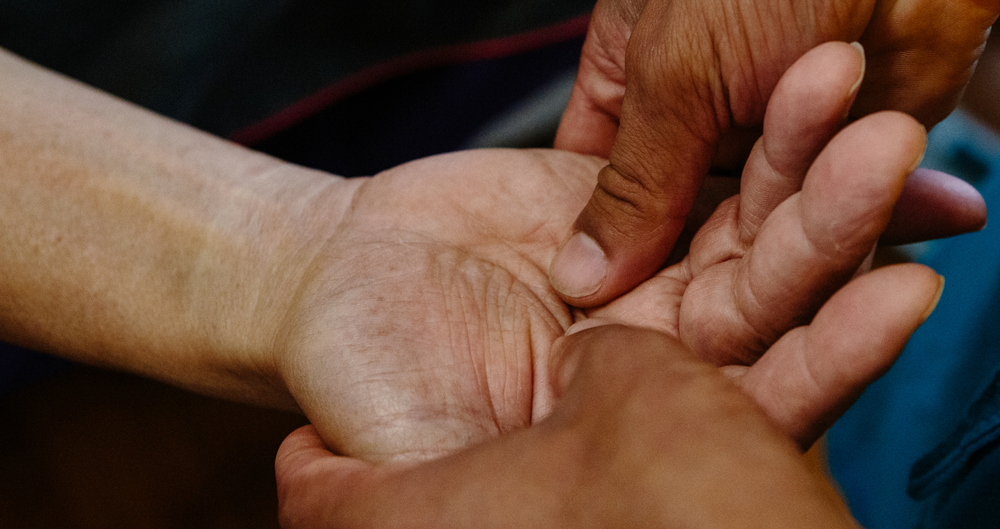
A Hand inserting needle in to a forearm for a dry needling session

Myotherapy is a massage technique to treat or prevent soft tissue pain and restricted joint movement. “Myotherapy” stands for “Myo” Muscle “Therapy” therapy. In Australia, and specifically in Melbourne, it is a practice that took over the massage market in the last few decades and is not becoming more and more popular. There is Dry Needling and Joint Mobilization along the different techniques used in a Myotherapy treatment. Is Myotherapy Safe? Yes, Myotherapy is a safe treatment. Said so, you want to ensure that the therapist treating you has their qualification up to date. Here is a link to my qualification. What about Dry Needling in a Myotherapy Treatment? Dry needling is one of the many ways a Myotherapist can treat a client, but it is unnecessary. Before using needles, the therapist always has to double-check with the clients the following: No metal allergy No bleeding disorders No needle fear or phobia The client feels comfortable with such treatment The therapist does explain how dry needling works Is Myotherapy available at Melbourne Massage and Treatment? Yes, it is. I am a fully qualified Myotherapist who completed an Advance Diploma in Myotherapy at RMIT University. On top of all, I am now enrolled in the last year of my Bachelor’s Degree in the Myotherapy Clinic at Torrens University. What’s the difference between Myotherapy Treatment and Remedial Massage? Myotherapy is similar to a Remedial Massage session. The difference is that a Myotherapist has more knowledge about the human anatomy, joints, and functionality. So before the session, the therapist would guide the patient through a specific range of motion to evaluate the body’s presentation. Done so, the therapist has an idea of what can be done to improve the body’s presentation. Furthermore, a Myotherapist is trained to use mobilization, which is a repetitive joint movement to improve the joint’s range of motion. My favourite “mobs” are along the spine. They consist of a gentle push over the transverse process of the spine. Applying this constant firm push, the transverse process gain mobility, allowing all the muscle inserts originating from that joint to be more mobile. Is a mobilization the same as what a chiro does? No is not. The Chiro makes an adjustment, which is a fast joint pull or push, to adjust its position or functionality. Along with an adjustment, the patient has no control over the fast movement. Indeed, during mobilisation, the patient can take control of the push and stop the treatment if he/she does feel uncomfortable. Book Now your Myotherapy treatment with Giovanni. Giovanni is available in Fitzroy North at 175 Holden St Monday to Saturday 9 am to 7pm.  

How MLD can help reducing Preeclampsia Swelling post-partum

pregnant woman

Preeclampsia is a condition that can affect pregnant women. Preeclampsia is a severe condition of pregnancy, most of the time characterised by: high blood pressure protein in the urine severe swelling Most women who suffer from preeclampsia are unaware of this condition, which is why continuous monitoring during pregnancy is so important. There is no cure for this condition, and the only step it can be taken to prevent the death of the mother the baby is to deliver the baby by opting for a C-section birth. What happens during preeclampsia? What does happen during preeclampsia is that the blood pressure increase to a dangerous level. The consequences can be catastrophic for both the mother and the baby. Indeed, the mother’s organs, such as the liver, kidney, heart and brain, are in great danger. The increase of protein in the urine also cand puts the kidney and liver in danger. How can MLD help with a preeclampsia presentation? In this case, MLD would not be applied to reduce preeclampsia. Still, it can be used when the baby is delivered, and there is a need to reduce the swelling postpartum that eventually would build up in the legs and abdominal area after the C-Section. On the other hand, MLD would also help scar healing by moving fluid away from the scar tissue and reducing the swelling around the scar itself. Said so, as you may already read in other blog posts about MLD, liver and kidney failure are absolute contraindications, and condition as high blood pressure too can be a partial contraindications. Indeed, before starting any treatment, the “good to go” from the doctor would be needed in this case. How would MLD be applied after the C-section? In regards to the type of approach needed in this case, the MLD session would start by: Working on the neck and terminus area Applied MLD on the abdominal area to clear off the Cisterna Chyli And finally, MLD along both leg A simple sequence would be used because a wound is still there when doing MLD on the legs. I would not recommend that the client lies in a side position, which could hurt the wound. So when should I come in for my first session? If the doctors reckon that your liver and kidney are functioning at 100% and your blood pressure has decreased since giving birth, you can start receiving MLD immediately. I already had a client, who had preeclampsia, and thanks to the suggestion of the nurses they book in their session just 10 days after the birth. After just one session, they realised how the swelling was reducing. Said so, it can take longer to reduce the swelling down to the desired level. What else can be done in combination with MLD? In combination with MLD, I am walking and staying active help. Also, lots of water is always highly recommended, especially after an MLD session. In conclusion, if you need an MLD treatment due to Preeclampsia or other body swellings, and you have no Liver or kidney conditions or DVT, MLD is the treatment that does for you. Then click here to book your next session. Or click here if you have any enquiries about MLD or Melbourne Massage and Treatment services.

Carpal Tunnel

Carpal Tunnel median nerve impingmenet

The carpal tunnel is a narrow passageway in the wrist that opens into the hand. The median nerve runs through the carpal tunnel and gives feeling to the 2nd through the 4th finger (the medial half of it). Carpal tunnel is a condition that affects any gender, and the prevalent of people affected by this condition, are people who do repetitive movements with their hands and arm. Carpal tunnel Symptoms Numbness Pins and needles in the hand Pain, particularly at night Darting pains from the wrist Radiated or referred pain in the arm and shoulder Weakness of the hand The little finger and half of the ring finger are unaffected. Causes of Carpal Tunnel Presentation Occasionally there is no clear cause for Carpal Tunnel. Said so, sometimes there is a combination of factors such as: Arthritis – C.T. is a consequence of inflammation and swelling Pregnancy – During the pregnancy period, given the increase of hormones, the body tends to retain more fluid, which can compress the median nerve and replicate CT symptoms. Genetics – some people can have smaller carpal tunnel Overuse injury – as previously mentioned, repetitive movement and overload of the wrist can lead to CT syndrome Treatment options Along with different treatment options, massage is the first non-invasive approach someone can try for carpal tunnel. As soon as the symptoms show up, it would be wise to go and see a massage therapist. Techniques such as Remedial Massage, Myotherapy can easily address the problem and alleviate the pain. Depending on the presentation and the cause of the carpobual tunnel, even Applied MLD (manual lymphatic drainage) can be an ideal treatment option. Along the physical therapy, rest is highly recommended, and exercises, as often happen, play the main role. To prevent pain from wrist movement, a splint can help. Other treatment options. Surgery is a standard alternative option for Carpal Tunnel. It is a common intervention and can be done on both hands simultaneously. The patient can choose to go for local or general anaesthesia. Surgery for Carpal Tunnel involves a cut along the palm and the wrist. The surgeon then cuts the ligament to reduce pressure on the underlying median nerve. Once the skin gets stitched back, the ligaments heal themselves, and the new scar would not put so much pressure on the median nerve. Even though the surgery is easy, it can have some complications, like swelling and damage to the median or ulnar nerve. Also, if the ligament was not cut completely, it would still apply pressure on the Median Nerve, and a second surgery would be needed.      

Dry Needling

Dry needling session on the patient's back

Myofascial Dry Needling (MDN) treats sore muscles and trigger points. How does Dry Needling work? As discussed in another blog post, muscles are made of many individual fibres. As the fibre contract and stretches, this does give the muscle the ability to have strength and elasticity. Along with repetitive movements and lack of posture, the muscle fibres can accumulate tension that we generally call knots. Those “knots” are also known as trigger points. This is one of the many theories behind the formation of trigger points. Said so, a trigger point is a terminology used to describe a painful spot. And still, nowadays, there is no exact explanation for how trigger point forms and what exactly they are. But what we know for sure is that not everyone develops trigger points in the same spot. Now, to release the tension out of the trigger points, we can either apply external pressure, with the thumb or the elbow, in case of a Remedial Massage or even the knee or the heel of the foot with a Thai Massage, or we can break the fibres from within by using a needle. What a needle is like? The needles used in this practice have a diameter from 0.15 to 0.25mm, so really thin needles. Whereas the length can vary from 15mm to 90mm. Depending on the target muscle, the length of the needle is different. So, as we penetrate the muscle with the needle, we brake the fibre, and we recall an inflammatory response from the patient’s immune system. Which drives more blood and nutrients to the target area. As discussed further in this study published on PubMed, Dry Needling is effective for chronic non-specific neck pain 1. Is dry needling safe? Yes, it is, as long as the practitioner offering the service is qualified for it, and well knows the anatomy of the muscles. Said so, when you receive dry needling, there are a few things that you may want to consider. Firstly you better not have any metal allergy. Also, Dry Needling is not recommended if you have just done any strong physical activity or training, as the muscles would be in an acute inflammatory stage. In addition to this, other contraindications are: If the patient is on a blood thinner Diabetes type 1 The area is affected by Lymphedema The patient is unable to give the consent The patient would not be able to stay still as the needle is in the body Book now, your next Myotherapy session at Melbourne Massage and Treatment, Fitzroy North Clinic. How long the needle stays in the body? Depending on the area needing treatment, the needle may stay in the body for 3 to 10 minutes. And always based on the target muscle that needs to be treated would also depend on the type of treatment. Indeed, the needle could be placed in the muscle and left there to sit and create the physiological response needed, or it could even be partially extracted, moved around and placed back. This type of technique is called “peppering”. Peppering along a dry needling session allows the therapist to target other fibres around the muscle fibre area.     1. Cerezo-Téllez E, Torres-Lacomba M, Fuentes-Gallardo I, Perez-Muñoz M, Mayoral-Del-Moral O, Lluch-Girbés E, Prieto-Valiente L, Falla D. Effectiveness of dry needling for chronic nonspecific neck pain: a randomized, single-blinded, clinical trial. Pain. 2016 Sep;157(9):1905-1917. DOI: 10.1097/j.pain.0000000000000591. PMID: 27537209.  

Lymphedema Melbourne

Leg with Lymphedema

Lymphedema is a health condition that develops when the lymphatic system gets dysfunctional. Compared with lipoedema, Lymphoedema presents disproportional swelling in 1 limb per side. As stated above, what’s behind the swelling is a malfunctioning lymphatic system that leads to an increased amount of protein below the skin (lymph liquid). As already discussed in a previous post about MLD, the lymphatic system has the function of taking away the lymph liquid and pass it on to the bloodstream. Indeed, from the bloodstream, it will all get filtered from the organs such as kidneys and liver to be disposed of. The lymph liquid is mainly made of water, protein and dirt. How MLD works? The Manual Lymphatic Drainage technique stimulates the lymphatic system that can also be boosted by muscular movement. Indeed a 30-minute to 1-hour walk can speed up the Lymphatic System to double speed. This happens due to the capillary (pre-collector) of the lymphatic system, which constantly opens and closes to suck away the lymph. The faster the opening and closing of the doors of the capillary, the quicker the suctions would be. How may lymphedema develop? Where things can go wrong is when the lymphatic system stops working or doesn’t work strong enough in one or more than one area of the body. The reason why the LS stop working and cause lymphodema is as follow: Missing lymph nodes can happen after surgery for cancer removal Genetics missing lymph nodes as per genetic Parasites Surgery damages the pre-collector/collector or lymph nodes with invasive surgery. Radiation due to cancer treatment Are there risk factors? Older age Excess weight or obesity Rheumatoid or psoriatic arthritis When Lymohodema starts developing, an intervention of a professional carer is essential. Here is a link to a Manual Lymphatic Drainage therapist worldwide that can help you with that. Seeing a GP is also recommended. For intervention, I refer to MLD as a manual technique to boost the lymphatic system, compression bandaging and garments wear. The consequence of letting go of Lymphodema is quite severe. As the skin keeps swelling, it will stop receiving oxygen from the bloodstream sooner or later. As per result, the skin would start drying out, cracking, and possibly getting infected. Said so, the consequence can be even more severe and lead to Cancer too. MLD at Melbourne Massage and Treatment Regarding my training as an MLD therapist, I can’t treat clients with Lymphodema yet. My skills within the MLD technique are limited to working with a patient with an intact and fully functioning Lymphatic System. But don’t hesitate to contact me if you need more information about Lymphodema, as I can put you in touch with a therapist who can help.    

Lipoedema

Lipoedema is a condition that causes excess fat to accumulate under the skin, either in the lower or upper part of the body. Said so, it is a condition that affects mainly women. It manifests itself just after hormonal changes, such as puberty, post-pregnancy or in older age, after even major surgery. The condition does not affect the hands or feet. Regarding the symptoms and presentation, Lipoedema can be mistaken for lymphoedema. Even though those are different conditions, Lipoedema can lead to lymphedema. What is the cause of Lipoedema? Well, it is not known what can cause Lipoedema. As mentioned above, it manifests itself often when there is hormonal change, so hormones can play a role in it. What is known is that it runs in families, so it has a genetic component and, most of the time, affects women. Obesity is not a cause either, even though most of the people who suffer from Lipoedema suffer from obesity too. Lipoedema Symptoms are like: A fat build-up in the thighs, buttocks, calves, and occasionally in the upper arms. Feet or hands, unless the patient has chronic venous insufficiency or lymphoedema, do not swell. Pain. Walking ability can decrease as the condition worsen. Condition of Anxiety and or Depression can develop as the person feel an imbalance in their body appearance. Fat accumulation under the skin can block the Lymphatic System, causing Secondary or lipo-Lymphoedema if the Lipoedema is not looked after. What can be done if you suffer from Lipoedema? There are several approaches to the problem, depending on the severity of the case. The earlier the Lipoedema gets diagnosed, the better. For diagnosing Lipeedema, you may want to talk to your GP or visit a therapist from the Vodder Academy who has a LEVEL III certification. Here is a link to find a practitioner to help you with that. Regarding massage, there is not much that Remedial Massage, Myotherapy or Thai Massage can do. Specifying diet can help too, and you may want to talk to your GP about it. Also, surgery such as liposuction would help, even though those are better at the early stage. Specifically, manual therapy like MLD (Manual Lymphatic Drainage) can help. But MLD itself is not enough in most cases, especially if the Lipoedema did create a Lipo-Lymphodemia. Read more about MLD by following this Link. Indeed, in addition to MLD compressed bandaging and compressed garments wear are essentials. Those two practices can allow the work initiated by MLD therapy to be maintained and amplified.  

Barefoot shoes. It is just a trend?

Vivo barefoot wear

Barefoot shoes are now becoming more and more popular. One of the main reasons why this is happening, I believe is the spreading idea that having the feet, seated in a tight box all day, is not so beneficial. So, what can be beneficial about going around barefoot? Or having barefoot shoes? Well, the foot is made up of 20 muscles, and 30 ligaments. That’s a lot for such a small body portion. Now, in order to have those muscles working and the ligaments playing their function, to hold the joint together and allow the joint stability to be efficient, both those 2 groups of body connective fibres have to be stimulated. So, that’s where the tight box fails. Having rigid shoes on all day, with or without a high heel, is not supportive, it is actually numbing the muscles. Said so, it is true that shoes can protect the feet from damage. In certain environments, shoes, especially rigid protective shoes are mandatory, like in the construction industry or in a factory. But even through that, we don’t spend all day at work, isn’t it? Are you saying that barefoot wearing is for everyone? No, I am not saying that. There are specific conditions, that may not allow you to wear barefoot shoes. But, if you are in doubt about what’s the right thing to do, I would get in touch with a podiatrist, and he specific if you are in Melbourne I would contact Andy. I did that myself. My journey actually started in 2018 when I was in Thailand studying with Pichest. He always points out students about their feet and wrinkled toes. He would refer to shoes and Sox as cages for feet. In Thailand, there is no need for shoes, as is really hot, he would be barefoot or use flip-flops all day. ( I then realise that not even flip flop is a solution, anyway). Said so, once I left Chiang Mai back then I did decide to start using sandals all year round. Even though I have to say that occasionally in winter, I did wear closed shoes. The years did pass by and I did notice my pinky toes were not changing shape after all these years compared to the other 4 toes. The pinky toes were still seating quite close to the 4th toes and would not go out straight. Simultaneously, my Instagram account did start to come up more frequently with posts of barefoot shoes and barefoot sandals. From there then, I did realise that wearing sandals with a narrow front was not going to make much of a difference. Also, the sandals I was wearing, were quite rigid anyway. So that would basically not make much difference for my foot, I found out later. How did I get to wear barefoot shoes? That’s when I went to see Andy, in Feb ’22. Andy is a really carrying and smiling man. I like his approach to the question I was asking and took a quiet pragmatic approach to my feet/body presentation. After several assessments on the spot, I was told that wearing barefoot was not going to be a problem. And actually, another thing that I was told was that my left foot, which is flat compared to the right was not a problem either. And that was the main reason I went to see Andy actually. To find out how I could fix that flat foot. And with my surprise, I was told that flat foot is there because the body compensates for structural scoliosis. So If I was going to change my left foot shape, probably I would create an issue then in my back or hip. In conclusion, since Feb 22 I start wearing barefoot shoes. I did opt for Vivo barefoot. So far, can’t complain. I can see my feet changing shape, and even when I go for hikes and long walks I have no foot pain or discomfort. I don’t see myself going back to wearing conventional shoes any soon. And since then I start recommending to my client too about barefoot wearing. I always suggest them having a chat with Andy or a podiatrist who can see the potential of barefoot wearing, and for those who took up the change, so far, haven’t heard any complaints but only good stories. Another way to dig more about barefoot wear is also visiting SoleMechainc, a shoe shop down in Hampton, where you can find a broad range of barefoot wear and fantastic client service. In conclusion, if you are foot is in pain, massage therapy would still help. But as often happen, massage therapy by itself is not enough, so exercise, and change habits.  

Muscle VS Tendon

Muscle and Tendon are two types of fibres that connect bonds, allowing the joint to be moved by contracting or extending. Muscles and Tendons characteristics. A muscle consists of fibres of muscle cells covered by fascia, bundled with many more fibres, surrounded by thick protective tissue. So each muscle fibre is covered in the fascia, then wrapped as a whole muscle in more fascia. A tendon is a high-tensile-strength band of dense fibery connective tissue. Indeed tendons can transmit the mechanical forces of muscle to the skeletal system. Tendons, as per ligaments, are made of collagen fibres. Compared to a tendon, a muscle is elastic and sits in between 2 tendons parts which keep the muscle itself connected to bonds. So yes, muscles are not directly connected to bond themself. Luckily, there is to say, because if this was the case, it would be really easy to suffer from injuries like a muscle tear. Said so, it is now easy to understand that tendons are capable of holding more force. Injury type Due to the consistency of the tendon and its functionality, we can now understand why a tendon tear or rupture is a severe injury that requires surgical intervention and months of rehabilitation. On the other hand, often, after months of rehabilitation, still, the tendon would not go back to its original state. A common tendon rupture is Achille’s tendon. Achille’s tendon connects the lower part of the Gastrocnemius and Soleus to the foothill. Repetitive movement and repetitive partial load on this tendon are the leading cause of injury. Healthy muscle and tendon Simple and gentle exercises are a good way to keep your muscle and tendon out of trouble. The key points of these types of exercises are: Consistency Resisted load (by using rubber bands) Starting with light weight to then building up with time heavier load Good posture doing the exercises Have a day of rest from exercises once a week Avoid exercises that aggravate your pain. Said so, other critical points for muscle and tendons good health seating into: Having a good night’s rest Eating more fresh food than overprocessed food Regarding recovery from an injury, as previously mentioned in the ice pack and/or heat pack posts, the usage of temperature is recommended based on the stage of the injury and the pain experienced with it. Even though on an inflamed tendon, never apply a heat pack. Are you in need of treatment? Don’t look any further, and book your initial consultation by clicking here.  

Ice Pack

Ice pack

In a previous blog, we did talk about heat packs, now it is time to talk about the Ice Pack. Ice pack application, in the last few years, is a practice that got reviewed. What Ice Pack is about? An Ice pack, as the name says, is a cold (icy) bag. As better explained in this study an ice pack is something that can be applied to an acute injury, to prevent swelling and reduce pain, but it can’t be used for too long. As per the heat pack, an Ice Pack burn the skin, and that’s one reason why its usage has to be short (10 to 15mins at a time). In addition, extended exposure to icy temperatures, would reduce the blood flow around the injured tissue and can also damage nerves. Ice Pack usage recommendation: You have a new injury or aggravation of an existing condition, and the pain is above 7 out of 10. Where you want to minimize swelling to keep you mobile later. There are different types of Ice packs: Home-made one, ice from the freezer wrapped in a towel. Gel pack Ice Bag (as per the photo) Instant one – most of the time found in the first aid kit. Snap it and a chemical reaction would occur in the bag and freeze the bag. Those last ones are efficient as you can store them anywhere safely and use them as you need them. The cold lasts for about 20 minutes. Not to be used if they are broken. On the other hand, if you running out of ideas of what to use as a Cold pack, you can even use a bag of frozen food. Still would do the work. We have the ice bath and the cold show related to this topic. I did experience cold showers myself, most of the time not of my choice, but because of a limited supply of hot water, and I have to say that even on this topic, there are a series of debates on how that works and if it’s beneficial. So far, a cold shower, compared to a hot shower, is better for dry skin. This is because the heat of the water combined with soap can wash away the good oils of the skin. Then the benefit of an Ice bath can be more of a placebo effect. But again, I haven’t done much digging about myself, so I would stay out of any comment regarding it. Ice pack after a Massage? Well, as mentioned above, the usage of Ice Pack is suggested after an acute injury. So, either after a Remedial Massage or a Thai Massage, firstly there should be no acute injury, secondly, you want the blood flow along the worked area to stay active and not restricted. That’s why a heat pack would be more recommended. If you find this helpful information and need a massage, book your next session here.

Heat Pack

Heat Pack on Neck

Applying a heat pack or cold pack to the body after an injury or when we are in pain is a widespread practice. In this post, we are going to look into Heat Pack. What is a Heat Pack? A Heat Pack is a heat source, most often made from a fabric bag containing grains (like wheat or barley) that get placed in the microwave for 1 or 2 minutes (or till it is warm enough). What are the benefits of a Heat Pack? Stimulate the blood flow around the painful or restricted area. Improve mobility Pain Relief How does a Heat Pack work? When applying an H.P., the blood vessels beneath the tissue dilate, consequentially increasing blood flow. As a result, more healing elements such as oxygen, vitamins, minerals and so on can reach the area needing attention. On the other hand, heat is a short-term solution for releasing tensions. In the longer-term, massage therapy such as Remedial Massage, Thai Massage, Myotherapy, or MLD would be recommended. I still recommend that my clients use the heat pack momentarily and occasionally, even after the treatment, when they present with a poor Range Of Motion. For how long should I use it? 15 to 20 minutes at a time is enough. Why not for longer? Firstly you can burn your skin. That’s even why as a massage therapist, I recommend anyone to place a towel over the skin before applying a heat pack. Secondly, with a heat source, as the vessels stay dilated for a long period of time, more inflammatory cells can reach the sore area. This would make the situation worst than better. What type of HP are there? Fabric one staffed with grains. Heat patch Hot Bottle Wet bag The wheat bag is most often found in clinic settings. Are bags containing a gel, and it sits all the time in hot water. For home use, a fabric one does the job. You can heat it in the microwave or the oven. In any case, handle it with care, as it can get really hot. When to use and heat pack? You have low-level pain, like 1 to  out of 10 You have joint stiffness and pour mobility You have muscle tightness that limits your mobility


This will close in 0 seconds


This will close in 0 seconds


This will close in 0 seconds