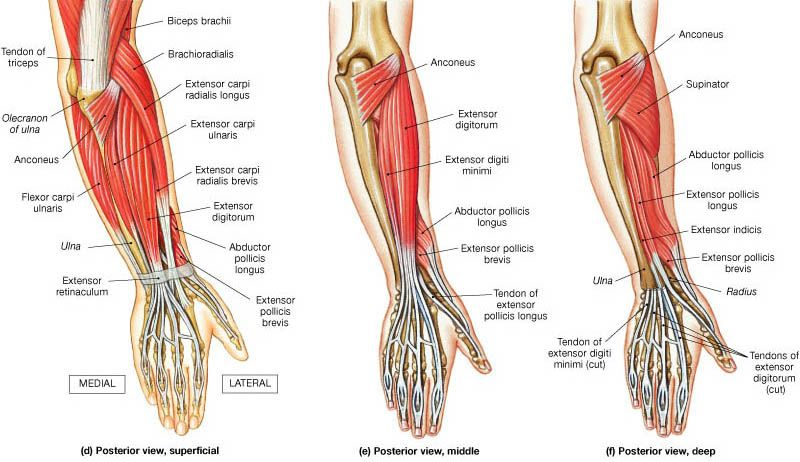
At Melbourne Massage and Treatment in Coburg, we frequently encounter clients dealing with tennis elbow (lateral epicondylitis) and golfer’s elbow (medial epicondylitis). These conditions can cause significant discomfort and limit your ability to enjoy sports and everyday activities. While they are often associated with repetitive arm and wrist movements, it’s essential to consider how poor shoulder mobility and stability can contribute to these issues. What Are Tennis and Golfer’s Elbow? Tennis Elbow Tennis elbow affects the outer part of the elbow, causing pain and tenderness on the outside. This condition typically arises from overuse of the forearm muscles, especially those responsible for wrist extension. Activities such as painting, or even prolonged computer use, or overstreching of extensor muscles can trigger this condition. Golfer’s Elbow Conversely, a golfer’s elbow affects the inner part of the elbow, leading to pain on the inside. This condition is commonly associated with activities that require gripping, flexing the wrist, or repetitive forearm movements, such as golfing, throwing, or lifting. In this presentation is the common flexor tendon that get’s irritated, and refer with pain. The Connection to Shoulder Mobility and Stability While tennis and golfer’s elbow are localized conditions, they often stem from dysfunctions higher up in the kinetic chain, particularly in the shoulder. Poor shoulder mobility and stability can lead to compensatory patterns that place undue stress on the forearm and elbow joints. Shoulder Mobility Limited shoulder mobility can restrict the natural range of motion for various activities. For instance, if your shoulders lack mobility, you may overcompensate with your forearm muscles during tasks that require reaching, lifting, or throwing. This overcompensation can lead to strain, resulting in conditions like tennis or golfer’s elbow. To maintain proper shoulder mobility, you want to ensure the use of the glenohumeral joint along your exercises and move it with specific drills, as this would stimulate the joint synovial fluid and maintain the joint lubricated. On the other hand, if the joint is hypermobile, we should look into how to stabilize it better. Shoulder Stability Shoulder stability is crucial for maintaining proper alignment during movement. Weakness in the shoulder stabilizers can cause the shoulder joint to become unstable, leading to altered movement patterns. When the shoulder isn’t stable, the body often compensates by engaging the forearm and elbow excessively, increasing the risk of injury. As mentioned in the paragraph above, this is what would occur when someone presents with a hypermobility body. In the hypermobility presentation, the ligaments are more lax and don’t hold back the joint movement as expected. Assessing and Addressing the Issue At Melbourne Massage and Treatment, we recommend a comprehensive approach to address tennis and golfer’s elbow effectively: Assessment of elbow epicondylitis Understanding the root cause of your pain is vital. During an initial consultation, we still mainly focused on your elbow presentation and addressed what movement reproduced the discomfort. But not only that. Throughout a tailored investigation, we will address what could be the root cause of the problem. This way, it would be easier to develop a tailored treatment plan. Treatment for elbow epicondylitis Massage Therapy: Targeted massage can alleviate tension in the forearm and improve blood flow, promoting healing. MDN: Myofascial Dry Needling plays a really effective role in tendinitis management. It focuses on targeting the underactive muscles, restoring the neural connection between the central nervous system and muscle, and desensitizing the painful area. Mobilisation: Mobilisation is an ideal technique to address mobility issue, and improve the range of motion of a joint. For epicondylitis presentations, the mobilisation could focus on wrist, elbow or shoulder. This would be based on the finding along the assessment. Strengthening Exercises: In the exercise program, we will initially focus on exercises that can desitentize the elbow area, such as isometric holds, and then move to eccentric and concentric exercises. In this second step, we would already focus on specific shoulder mobility or stability exercises, as needed. Education Understanding proper biomechanics can empower you to make lifestyle changes that prevent future injuries. Giovanni will guide you through exercises and techniques to maintain shoulder health and prevent elbow pain. Conclusion Tennis and golfer’s elbow can be debilitating, but addressing shoulder mobility and stability is key to recovery and prevention. At Melbourne Massage and Treatment in Coburg, Giovanni is dedicated to helping you achieve optimal function and well-being. If you’re experiencing symptoms of tennis or golfer’s elbow, don’t hesitate to contact Giovanni or Book Now your 15-minute free phone consultation to learn more about a personalized assessment and treatment plan. Together, we can work towards getting you back to the activities you love, pain-free. FAQ Q: What are tennis elbow and golfer’s elbow? A: Lateral epicondylitis, affects the outer part of the elbow, causing pain due to overuse of the forearm muscles, particularly those responsible for wrist extension. Common activities that can trigger it include painting and prolonged computer use. Medial epicondylitis, impacts the inner part of the elbow, leading to pain often associated with gripping, flexing the wrist, or repetitive movements like golfing or throwing. Q: How are shoulder mobility and stability related to these conditions? A: Poor shoulder mobility can lead to overcompensation by the forearm muscles during activities requiring reaching, lifting, or throwing. Similarly, weak shoulder stabilizers can cause the shoulder joint to become unstable, forcing the forearm and elbow to work harder, which increases the risk of injury. Both factors contribute to the development of tennis and golfer’s elbow. Q: What are the signs of limited shoulder mobility? A: Signs include restricted movement during overhead activities, difficulty reaching behind your back, and discomfort during routine tasks that involve lifting or throwing. These limitations can lead to compensatory movements that stress the elbow. Q: How do you assess tennis or golfer’s elbow at Melbourne Massage and Treatment? A: We conduct a thorough assessment that focuses on your elbow presentation, identifying movements that reproduce discomfort. This investigation also explores potential underlying issues related to shoulder mobility and stability, helping us understand the root cause of […]
Category Archives: Blog

Blog
Facet Joint Irritation and Muscle Weakness: What You Need To Know
In my experience as a Clinical Myotherapist at Melbourne Massage and Treatment Myotherapy and Lymphoedema [...]
Continue readingOct

Blog
Chronic Pain: What it is, and what can you do about it?
Pain is something that we all experience, and it can start after an injury, during [...]
Continue readingOct
Blog
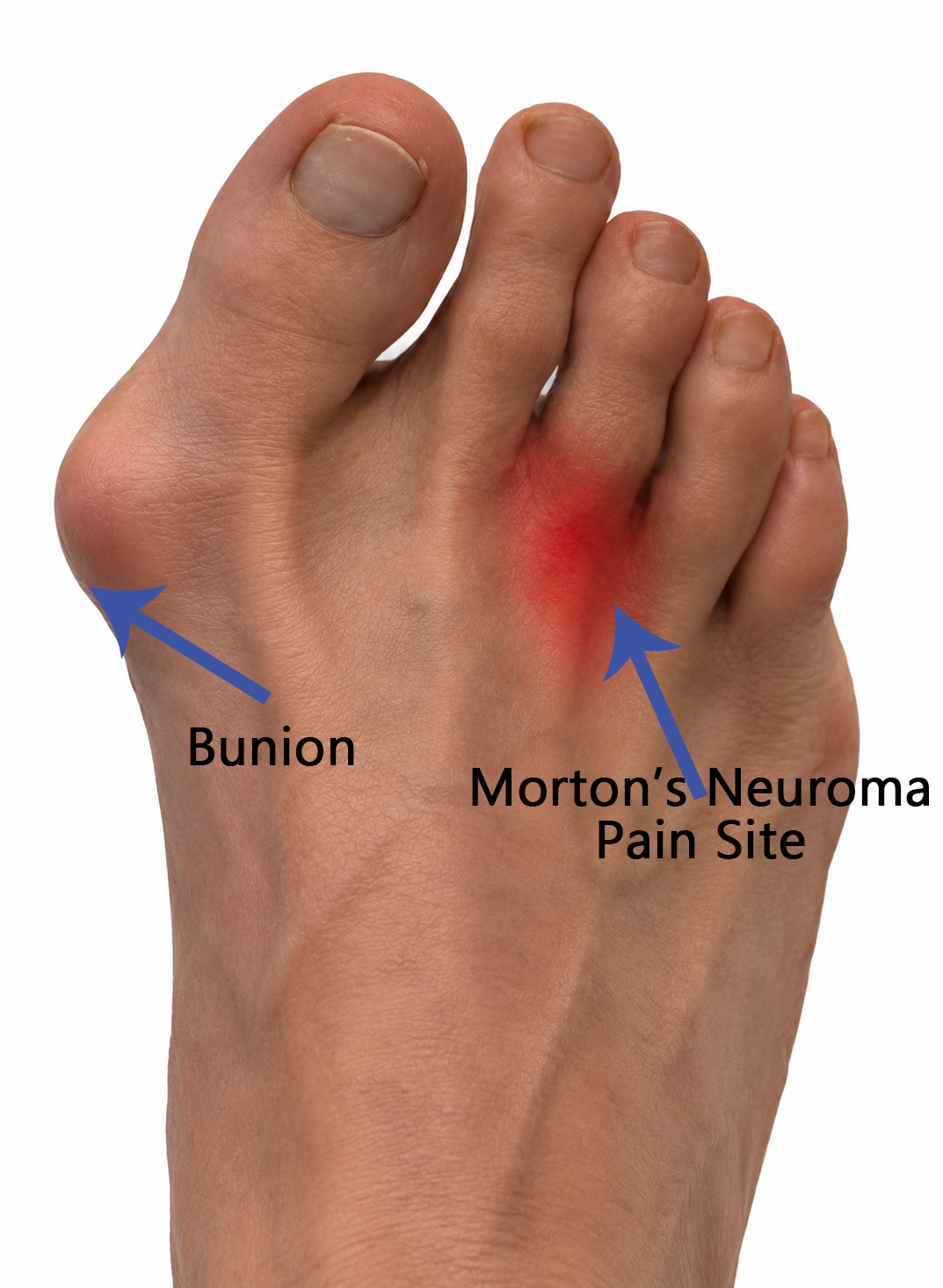
Bunion and Morton’s Neuroma: Can a Bunion Affect Neuroma Recovery?
While a bunion and a Morton’s neuroma are two different foot conditions, if they are [...]
Continue readingSep
Blog
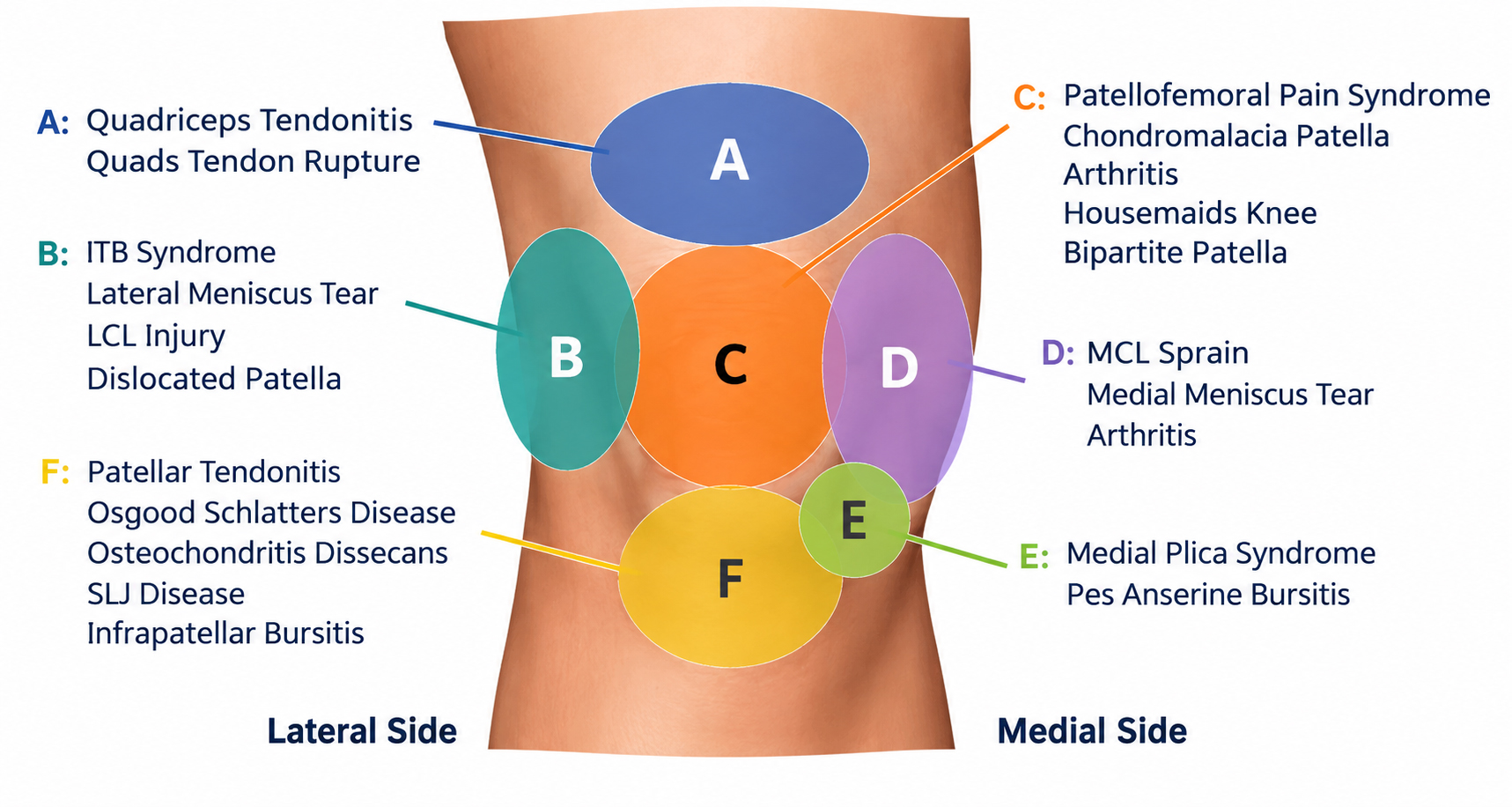
Knee Pain in Coburg
Knee pain is a common form of injury and can affect people of all ages [...]
Continue readingSep

Blog
Post-Surgery MLD Melbourne – Vodder MLD Therapist
Any form of surgery is an invasive procedure for the body to deal with, and [...]
Continue readingSep
Lymphoedema is a condition that can affect many individuals following a mastectomy, particularly those who have undergone lymph node removal as part of their breast cancer treatment. Understanding lymphoedema, its causes, symptoms, and management can help those affected navigate this challenging aspect of recovery. What is Lymphoedema? Lymphoedema is a chronic condition characterised by tissue swelling, usually in the arms or legs, due to an accumulation of lymphatic fluid. It often occurs when lymph nodes are removed or damaged, disrupting the normal flow of lymph fluid through the body. Another reason why someone could end up going through Lymphoedema is severe skin infections that damage the lymphatic system, radiation therapy, or invasive surgeries. Why Does Lymphoedema Occur After Mastectomy? During a mastectomy, when lymph nodes are removed (as in axillary lymph node dissection), the pathway for lymph fluid drainage from the hand and the arm can be compromised as the fluid has nowhere to be discharged at the surgery area. This disruption can lead to a buildup of fluid, resulting in swelling that, if left untreated, can create severe discomfort. While not everyone who has a mastectomy will develop lymphoedema, certain risk factors may increase the likelihood, including: The extent of surgery Radiation therapy Infection Obesity Lack of physical activity Previous or current other injuries to limb/shoulder Surgery was on the side of the dominant hand Be a smoker Symptoms of Lymphoedema post mastectomy The symptoms of lymphoedema can vary in severity and may develop gradually. Common signs include: Swelling in the arm, hand, or breast area A feeling of heaviness or tightness in the affected area Restricted range of motion in the shoulder or arm Skin changes, such as thickening or hardening Swelling doesn’t reduce just by holding the arm elevated Early Detection and Diagnosis Recognizing the early signs of lymphoedema is crucial for effective management. This would help prevent degeneration of the condition and reduce the chance of fibrosis building under the skin, which would lead to longer treatment and possible complications. If you notice swelling or other symptoms, Giovanni is here to help, so don’t hesitate to get in touch. To simplify the diagnosis process, Giovanni offers a 15-minute free phone consultation appointment. During this phone call, we can evaluate whether no pathologies need to be addressed by a GP or other medical staff or if the Lymphoedema management plan can be initiated. Managing Lymphoedema While there is currently no cure for lymphoedema, various management strategies can help reduce symptoms and improve quality of life: Manual Lymphatic Drainage (MLD) is a specialized massage technique that stimulates the lymphatic system and encourages fluid movement.At Melbourne Massage and Treatment in Coburg, Giovanni specialises in the management of Lymphoedema with MLD. Combined Decongestive Therapy (CDT): CDT refers to the application of bandaging that Giovanni would do after the initial MLD treatment. Garments Wear: Wearing compression garments, such as sleeves or bandages, can help prevent fluid buildup and promote lymphatic drainage. Exercise: Gentle, targeted exercises can improve circulation and lymphatic flow. Giovanni at the end of the appointment would show a series of simple exercises that can help you in managing the Lymphoedema swelling. Skin Care: Maintaining skin hygiene and moisturization can prevent infections, which may exacerbate lymphoedema. Diet and Lifestyle: Maintaining a healthy weight and staying active can reduce the risk of developing or worsening lymphoedema. Surgery: In some cases, surgical options may be considered, such as lymphovenous bypass or vascularized lymph node transfer. Support and Resources Coping with lymphoedema can be emotionally and physically challenging. Support groups and counselling can provide valuable resources and community connections. Organizations like the Lymphatic Education & Research Network (LE&RN) and local cancer support services can offer information and support tailored to your needs. Conclusion Navigating lymphoedema after a mastectomy can be daunting, but understanding the condition and implementing effective management strategies can make a significant difference. Early intervention, education, and support are key components in minimizing its impact on daily life. If you or a loved one is facing this challenge, remember you are not alone—reach out to Giovanni and ask how Melbourne Massage and Treatment services can help. FAQ

Oct
In the world of fitness and wellness, stretching has long been hailed as a crucial component of any exercise regimen. But what if we told you that the benefits of traditional stretching might not be as clear-cut as we’ve been led to believe? At Melbourne Massage and Treatment in Coburg, we believe it’s essential to examine the science behind standard practices. Let’s dive into why the traditional notion of stretching might be more myth than fact. The Stretching Paradigm For decades, stretching has been touted as the go-to method for improving flexibility, preventing injury, and enhancing performance. From pre-workout rituals to post-exercise cooldowns, the idea is ingrained in our fitness culture. However, recent research suggests that many of these beliefs may lack substantial scientific backing. Limited Evidence for Injury Prevention One of the primary arguments for stretching is its role in preventing injuries. Yet, numerous studies have indicated that static stretching (holding a stretch for a period) before exercise may not effectively reduce injury risk. In fact, some research shows that static stretching can temporarily weaken muscles, potentially leading to decreased performance, especially in sports requiring strength and power. Flexibility: A Double-Edged Sword While flexibility is important, excessive stretching can sometimes lead to hypermobility, which can be just as problematic as tightness. Hypermobile individuals may experience joint instability, increasing their risk of injury. Instead of focusing solely on stretching, a balanced approach that includes strength training and stability work may offer a more effective solution. The Case for Dynamic Movement Instead of traditional stretching, consider incorporating dynamic movements into your warm-up. Activities like leg swings, arm circles, and bodyweight exercises can effectively prepare your muscles for activity without the potential drawbacks of static stretching. Dynamic movements increase blood flow and activate muscles, leading to better performance without the risk of overstretching. If you are not sure what movement fit your needs, think about what exercises or sports acitiviy you are about to perform. An example would be a soccer match. Soccer involve running, quick change of direction, hip flexion and more lower body work. So what about doing some calf raises to warm up your calf muscles, which are going to be ready to make your run? Go for some squats that can focus on glute activation and quods activation, based on the type of squat that you are performing. Lunges that would ensure your quods warm up and your knees take some load. Plyometrics are a good way to warm up, too, such as skipping the rope or explosive squat. The Role of Massage and Other Therapies At Melbourne Massage and Treatment, we emphasize the benefits of massage therapy, myofascial release, and other treatments that promote muscle recovery and relaxation. These techniques can enhance flexibility and range of motion without the risks associated with excessive stretching. By addressing muscle tension and improving circulation, these therapies can provide a holistic approach to wellness. Tendons and Ligaments: The Stretching Sensitivity Tendons and ligaments are essential components of our musculoskeletal system, providing stability and support to our joints. Unlike muscles, which are designed to stretch and contract, tendons and ligaments are less pliable and don’t respond well to excessive stretching. When stretched beyond their natural limits, they can become overstressed, leading to micro tears or even injury. This lack of elasticity is why it’s crucial to approach flexibility with caution—overstretching can compromise the integrity of these structures, increasing the risk of strains and sprains. Instead of focusing on prolonged stretching, prioritizing strength and stability can help maintain healthy tendons and ligaments, ensuring that your body remains resilient and injury-free. What indeed our tendons and ligaments prefer as a form of activation are the isometric exercises. Conclusion While stretching may have its place, it’s crucial to question its effectiveness as a one-size-fits-all solution. Instead of defaulting to stretching, consider a more integrated approach that combines dynamic movement, strength training, and bodywork therapies. At Melbourne Massage and Treatment in Coburg, we’re here to help you develop a personalized plan that prioritizes your health and well-being, and to start your journey book now a 15 minf free consultation for a treatment plan. Remember, wellness isn’t about following trends; it’s about finding what truly works for your body. Let’s move beyond the myths and embrace a more science-backed approach to fitness and recovery. FAQ Q: Why has stretching been considered important in fitness for so long? A: Stretching has been viewed as essential for improving flexibility, preventing injuries, and enhancing athletic performance, leading to its widespread adoption in pre- and post-workout routines. Q: Is there scientific evidence supporting the claim that stretching prevents injuries? A: Recent research indicates that static stretching before exercise may not effectively reduce injury risk. In fact, it can temporarily weaken muscles, potentially decreasing performance, especially in strength and power sports. Q: Can excessive stretching be harmful? A: Yes, excessive stretching can lead to hypermobility, which may cause joint instability and increase the risk of injury. A balanced approach that includes strength training is often more beneficial. Q: What are dynamic movements, and why are they preferred over static stretching? A: Dynamic movements, such as leg swings and arm circles, effectively prepare muscles for activity by increasing blood flow and activating muscles. They help improve performance without the drawbacks associated with static stretching. Q: How can I warm up effectively for specific sports? A: Tailor your warm-up to the activity. For example, before a soccer match, you might include calf raises, squats, and lunges to activate the necessary muscle groups and prepare your body for movement. Q: What role does massage therapy play in fitness and recovery? A: Massage therapy and myofascial release enhance muscle recovery and relaxation, improving flexibility and range of motion without the risks of excessive stretching. Q: How do tendons and ligaments respond to stretching? A: Tendons and ligaments are less pliable than muscles and can become overstressed when stretched excessively. This can lead to microtears or injury, making it important to approach flexibility with caution. Q: […]

Oct
Lymphoedema is a condition characterized by the accumulation of lymphatic fluid, leading to swelling, primarily in the arms and legs. It can occur for various reasons, including surgery, radiation therapy, or genetic factors. Managing lymphoedema is crucial for reducing swelling and preventing complications such as infections and tissue damage. Combined Decongestive Therapy is a key component of your Lymphoedema management. What is Combined Decongestive Therapy (CDT) Combined Decongestive Therapy (CDT) is a comprehensive treatment approach designed to manage lymphoedema effectively. CDT treatment consists of an application of a series of layers of different materials, which include an initial breathable foam, followed by a series of bandages (usually 3 to 4 layers) of compressive consistency, which may have different lengths and stretches that apply to it. Those layers and materials aim to compress the limb and maintain a specific gradient pressure, higher on the distal side of the limb and weaker at the proximal area, to maintain the lymph fluid movement and induce a decongestive result. Combined Decongestive Therapy and MLD Before starting a CDT treatment, along with the lymphoedema management, you are most likely to receive a manual lymphatic drainage session, which aims to create or boost the lymphatic system pathways, where the lymphatic liquid would then be pushed via the compression applied. Along those modalities, skin care and exercise are essential to your lymphoedema management. CDT aims to reduce swelling, improve lymphatic flow, and enhance overall well-being. How many sessions would I need to reduce the swelling to an optimal level? Each individual and each presentation is unique, so based on your presentation, Giovanni would create a treatment plan that would work best for you. On the other hand, a communal ground to all the presentations is that the higher the frequency of the appointments, the better this therapy would work. Initially, Giovanni would highly recommend to book in 3 to 5 sessions for the first week. That would allow a quick reduction of swelling, leading to a secondary management plan. The more severe the swelling, the longer it could take to manage it. Infections, fibrosis (which is the hardness of the tissue), the number of lymph nodes removed (especially post-cancer surgery), or missing exercise management and an anti-inflammatory diet are all factors that could affect the progress of your presentation. Giovanni can assist you with most of those, and where he can not reach you, he will refer you to another practitioner (like a nutritionist for diet advice). Why Pharmacy Compression Isn’t Enough While pharmacy-grade compression garments may seem like a cost-effective solution for managing swelling, they often lack the specificity required for effective lymphoedema treatment. These garments can lead to several issues: Non-specific Fit: Pharmacy compression products may not provide the correct pressure level needed in targeted areas, leading to inadequate fluid reduction. Potential Blockage: Inadequate fit can create areas of higher pressure, which might push fluid further up the limb, causing increased swelling in areas that are not adequately compressed. Increased Risk of Complications: Without proper compression therapy tailored to individual needs, the risk of complications, including infections and further lymphatic blockage, can increase. Giovanni with his Lymphoedema clinic in Coburg emphasizes the importance of professionally fitted compression garments. Giovanni can refer you to a clinic that can take measurements for you and deliver a tailored on your need compression garment. Combined Decongestive Therapy During the Summer As the temperatures rise, managing lymphoedema can become increasingly challenging. The summer months bring unique issues that can exacerbate swelling: Atmospheric Pressure Changes: During hot weather, atmospheric pressure decreases, which can lead to increased lymphatic fluid accumulation in the limbs. Heat and Humidity: Hot and humid days can cause blood vessels to dilate, which may lead to increased swelling. Additionally, sweat and heat can irritate the skin, raising the risk of infections in already vulnerable areas. To keep swelling under control during the summer, it’s essential to: Stay Hydrated: Drink plenty of water to help maintain fluid balance. Wear Proper Compression: Ensure you are using correctly fitted compression garments that are appropriate for summer use. Lightweight and breathable fabrics can make a significant difference. And yes, they are not going to make you feel hotter. A garment wearer has to be comfortable if is not, you will talk to your supplier, and they would be more than happy to assist you with that. Practice Good Skin Care: Keep the skin clean and moisturized to reduce the risk of infections. Monitor for Signs of Infection: Be vigilant for any signs of redness, swelling, or increased warmth in the affected areas, and seek prompt medical attention if these occur. Why CDT is not recommended for the early Lipedema stage In the early stage of Lipedema, the lymphatic system is not compromised, and CDT therapy, given the nature of this presentation, which is fat accumulation under the skin, could be too aggressive on the skin, which let’s not forget, in a Lipedema presentation would easily bruise. On top of that, as there is an excess of fat accumulation under the skin, the heavy compression applied by CDT to these tissues could compress the dermatome innervations, leading to pain and discomfort. That’s also why lipedema, compared to lymphoedema, can lead to pain when reaching advanced stages. Conclusion Lymphoedema is a manageable condition with the right approach. At Melbourne Massage and Treatment in Coburg, Giovanni is committed to providing tailored treatment options, including Combined Decongestive Therapy and appropriately fitted compression garments, to help you effectively manage your symptoms. As we move into the warmer months, staying proactive in your care is crucial to prevent complications and maintain your quality of life. If you have any questions or need support, please get in touch with Giovanni. Your well-being is the priority! If you are struggling with the management of your lymphoedema, book now your free 15 minutes free consultation with Giovanni, to discuss a treatment plan for your case. FAQ Q: What is lymphoedema? A: Lymphoedema is a condition characterized by the accumulation of […]

Oct
At Melbourne Massage and Treatment in Coburg, we’re thrilled to announce that we now offer rebates through WORKSAFE for our range of services. Whether you’re recovering from an injury or looking to enhance your overall well-being, our specialized treatments can help you on your journey to optimal health. What is WORKSAFE? WORKSAFE is a regulatory body in Victoria, Australia, designed to support workers who have been injured on the job. It offers various programs, including financial assistance for rehabilitation services, ensuring that injured workers receive the necessary care to return to their roles as quickly and safely as possible. By utilizing WORKSAFE, clients can access rebates for services such as remedial massage, myotherapy, exercise rehabilitation, and manual lymphatic drainage. What’s the Rebate I get with WORKSAFE? With an approved WORKSAFE claim, you can typically receive rebates of $67.58 for an initial consultation and $45.50 for return visits. It’s best to check with your case manager for precise details regarding your entitlements. Melbourne Massage and Treatment services are offered with an affordable rate. 1 hour treatmetn that is the initial session is $115 and following up appointment of 45 mins is $100. WORKSAFE and Treatment Plan At Melbourne Massage and Treatment, Giovanni understands the importance of a structured approach to rehabilitation, especially for those accessing services through WORKSAFE. The Treatment Plan is designed to support your recovery by offering five pre-paid sessions at a 10% discount over eight weeks, combining hands-on treatment and exercise rehabilitation. This comprehensive plan is not only beneficial for physical recovery but also aligns with WORKSAFE’s emphasis on effective rehabilitation strategies. Each session contributes to rebuilding strength, improving mobility, and preventing future injuries. Additionally, clients can submit receipts for their sessions to receive rebates through WORKSAFE, making the path to recovery more accessible. With Giovanni’s personalized care and expertise, you can take control of your healing journey and maximize the effectiveness of your treatment plan. Book your free 15-minute consultation today to get started! Melbourne Massage and Treatment Services Remedial Massage What It Is: Remedial massage focuses on identifying and treating specific musculoskeletal issues. Our qualified therapists use various techniques to relieve pain, improve mobility, and promote healing. Who It’s For: Ideal for those experiencing chronic pain, tension, or recovering from injuries. This service is also beneficial for athletes and anyone with a physically demanding lifestyle. Myotherapy What It Is: Myotherapy combines massage techniques, dry needling, and exercise prescription to address muscular dysfunction. It focuses on pain relief, rehabilitation, and improving function. Who It’s For: Those with specific pain points, muscle tightness, or injuries. Myotherapy is particularly effective for individuals looking for a more targeted approach to their physical issues. Exercise Rehabilitation What It Is: Exercise rehabilitation involves a tailored exercise program designed to help clients regain strength, flexibility, and endurance following an injury or surgery. Who It’s For: Perfect for those recovering from injuries or surgeries, as well as individuals looking to improve their overall fitness under the guidance of a professional. Manual Lymphatic Drainage What It Is: This gentle, rhythmic massage technique encourages lymph flow, helping to reduce swelling and promote detoxification. Who It’s For: Beneficial for individuals recovering from surgery, those with lymphoedema, or anyone seeking to enhance their overall lymphatic function. FAQ Q: What types of injuries can benefit from these services? A: Many types of injuries can benefit, including sprains, strains, post-surgical recovery, and chronic pain conditions. Q: Do I need a referral to access these services through WORKSAFE? A: While a referral is not always necessary, it’s recommended to consult with your healthcare provider or case manager to understand the best approach for your specific situation. Q: How do I claim my WORKSAFE rebate? A: After your appointment, your therapist will provide you with an invoice. You can submit this invoice to your WORKSAFE case manager to claim your rebate. Q: Are these services safe for everyone? A: While generally safe, it’s important to discuss any health conditions with your therapist before beginning treatment to ensure the best approach for your individual needs. Q: How often should I come in for treatment? A: The frequency of treatments can vary based on your specific condition. Your therapist will work with you to create a tailored plan that meets your needs. At Melbourne Massage and Treatment, we’re dedicated to providing comprehensive care tailored to your individual needs. With the addition of WORKSAFE rebates, accessing our services has never been easier. Whether you’re in recovery or just looking to enhance your well-being, our team is here to support you on your journey to health. Contact Giovanni today to learn more about our services or to schedule an appointment!

Sep
At Melbourne Massage and Treatment, we specialise in providing targeted remedial massage therapies for athletes and active individuals who are seeking relief from sports-related injuries. This focused approach not only aids in rapid recovery but also enhances performance by addressing the root causes of pain and discomfort. Key Takeaways: Remedial massage accelerates recovery from sports injuries. It significantly reduces pain and enhances muscle flexibility. Methods such as dry needling and deep tissue massage are especially useful. Techniques of Remedial Massage for Sports Injuries In the realm of sports, injuries can sideline athletes from their regular activities. Remedial massage is a powerful tool in the therapeutic arsenal, employing specific techniques tailored to the needs of those with sports injuries. Here’s how each technique can play a crucial role in recovery: Deep Tissue Massage: This method explores the muscle tissue’s deepest levels. It’s designed to break down adhesions and scar tissue that contribute to pain and stiffness, facilitating a quicker healing process. Trigger Point Therapy: This involves identifying and treating specific points on the body that trigger pain. By applying pressure to these points, the therapy helps in rewiring the pain presentation, involving the pain modulators circuit of your brain. Myofascial Release: Targets the connective tissue (fascia) that surrounds the muscles. This gentle yet effective stretching helps release the tightness and restrictions in the fascia, leading to pain relief and improved mobility. Lymphatic Drainage: Useful, particularly in cases where sports injuries have led to swelling. This technique promotes the drainage of lymph, which carries waste products away from the tissues back toward the heart. Benefits of Remedial Massage for Sports Injuries Engaging in these techniques not only helps in treating the injury but also offers multiple benefits: Enhance The Recovery: By improving blood circulation to the injured area, remedial massage enhances the healing process, allowing athletes to return to their sport quicker. Pain Management: Effective in reducing pain by decreasing muscle tension and inflammation, and stimulating the release of endorphins—natural pain-relieving chemicals in the brain. Prevention of Further Injury: Regular sessions help maintain the body in better condition, reduce the risk of future injuries, and improve overall athletic performance. Increased Range of Motion: Remedial massage, along the different technique of treatment, can improve the motorcotrol of muscles, and the playability of joints. This is particularly beneficial for athletes who need to maintain optimal physical condition. Psychological Benefits: Besides physical benefits, remedial massage has psychological advantages. It can reduce stress and anxiety, improve sleep patterns, and enhance overall well-being, which is crucial for competitive performance. Integrating Remedial Massage into Sports Recovery It’s not only about addressing the injury once it has occurred but also about preventative care, which can significantly reduce the risk of injuries. Sports professionals and those with active lifestyles should consider regular massage sessions as part of their overall sports conditioning program. By doing so, they ensure that they not only recover faster but also perform at their best. How Remedial Massage Complements Conventional Sports Medicine Enhanced Tissue Healing: Remedial massage promotes blood flow to the injured area, which is essential for bringing nutrients and oxygen that aid in the repair and regeneration of tissues. Reduction of Secondary Complications: By maintaining muscle and joint mobility, massage can prevent the common secondary complications associated with immobility from sports injuries, such as joint stiffness and decreased muscle mass. Tailoring Remedial Massage to Individual Athlete Needs Each athlete comes with their unique physiological and recovery needs, influenced by their sport, position, and injury history. Personalising massage techniques to fit these needs is crucial for effectiveness. At Melbourne Massage and Treatment, Giovanni assesses each athlete’s specific condition and goals to craft a targeted massage plan. This personalised approach ensures that each session not only addresses the immediate areas of concern but also supports overall bodily health and athletic performance. Regular Maintenance and Performance Enhancement Beyond injury recovery, remedial massage serves as a regular maintenance routine for athletes aiming to enhance performance. The benefits include: Improved Body Awareness: Regular massage increases body awareness, helping athletes tune into the cues their bodies give about fatigue and strain, which can lead to improved technique and reduced injury risk. Stress Reduction and Mental Clarity: Sports are as much a mental challenge as a physical one. Massage helps reduce stress levels, which can improve concentration and mental readiness, a critical aspect during competitions. The Role of Remedial Massage in Training Regimes Integrating remedial massage into regular training regimes can help athletes remain not just injury-free, but also in peak physical condition. Incorporating massage into an athlete’s routine should be seen as part of their training, not just a luxury or reactive care method. Here’s why it should be a staple: Pre-Event Massage: Before a competition, a lighter massage can help warm up the muscles, increase circulation, and prepare the body for the intense activity to come. It also sets a positive mental state for the athlete. Post-Event Massage: After an event, massage helps to cool down the muscles, flush out toxins, and decrease the risk of muscle soreness and injuries that can occur from overexertion. Integrating Mindfulness and Body Mechanics into Massage Therapy An often overlooked aspect of remedial massage is its ability to integrate mindfulness and an understanding of body mechanics. By educating athletes on how their body mechanics work, therapists can help them optimise their movement patterns, which reduces the risk of injury and improves performance. Advancing Recovery and Complementary Therapies In addition to remedial massage, Melbourne Massage and Treatment often recommends complementary therapies like Manual Lymphatic Drainage (MLD) and Meditation. As previously mentioned, the lymphatic system removes the excess waste the body produces every day and, in greater amounts, after exercise. Reducing those waste can reduce the time we spent in pain after intense training. Meditation allows the central nervous system to enter a state of present and self-care that no other therapy that we can self-control can achieve. Conclusion At Melbourne Massage and Treatment, we are dedicated to helping our clients overcome sports injuries […]

Sep
Lymphedema treatment is a crucial aspect of care for those diagnosed with cancer. At Melbourne Massage and Treatment in Coburg, Giovanni is committed to providing effective support for his patients facing these challenges. Giovanni is a Clinical Myotherapist who trained for Lymphatic Drainage for Lymphedema Treatment with the Vodder Academy, the world leader institute for Manual Lymphatic Drainage services. What is Lymphedema? Lymphedema is the swelling that occurs when lymph fluid builds up in the tissues, often due to damaged or removed lymph nodes during cancer treatment. This can lead to discomfort, restricted movement, and an increased risk of infections. While lymphedema can develop at any stage of cancer treatment or even years later, early intervention is crucial for effective lymphedema treatment. The Role of MLD in Lymphedema Treatment Manual Lymphatic Drainage (MLD) is a gentle, therapeutic technique designed to stimulate the lymphatic system. This process helps to promote the movement of lymph fluid, reducing swelling and discomfort associated with lymphedema. Benefits of MLD for Oncology Patients in Lymphedema Treatment: Reduction of Swelling: MLD encourages the natural drainage of lymph, helping to alleviate swelling in areas affected by lymphedema. Pain Relief: Many patients report reduced discomfort and pain following MLD sessions, which is especially beneficial for those experiencing lymphedema. Improved Mobility: By decreasing swelling and discomfort, MLD can enhance mobility and functionality for individuals dealing with lymphedema. Enhanced Immune Function: A well-functioning lymphatic system supports the body’s immune response, which is particularly important for cancer patients prone to lymphedema. Psychological Benefits: The soothing nature of MLD can provide relaxation and stress relief, addressing the emotional toll of cancer treatment and lymphedema. Our Approach at Melbourne Massage and Treatment At Melbourne Massage and Treatment, we understand that each patient’s experience with cancer and lymphedema is unique. Giovanni tailors each MLD session to address individual needs, ensuring a safe and effective lymphedema treatment plan. Our serene environment in Coburg is designed to provide comfort and relaxation, allowing clients to focus on their healing journey. What to Expect During an MLD Session for Lymphedema Treatment Initial Assessment: Giovanni will conduct a thorough assessment of your condition, including the extent of your lymphedema, and discuss your medical history. Personalized Treatment: Each MLD session is customized to target specific areas of swelling and discomfort related to lymphedema. Gentle Techniques: MLD utilizes light, rhythmic strokes to encourage lymphatic flow without causing pain or discomfort. Ongoing Support: We emphasize the importance of a multi-faceted approach, offering guidance on compression garments, skin care, and self-care techniques to manage lymphedema effectively. The Importance of Traditional Cancer Treatments While therapies like MLD play a valuable role in lymphedema treatment, traditional cancer treatments remain crucial for effectively combating cancer itself. Reasons to Continue Traditional Cancer Treatments: Targeting Cancer Cells Directly: Chemotherapy is designed to target and kill rapidly dividing cancer cells, essential for shrinking tumors and preventing metastasis. Reducing Tumor Size: Administering chemotherapy before surgery can shrink tumors, making them easier to remove and leading to better surgical outcomes. Preventing Recurrence: Chemotherapy helps eradicate any remaining cancer cells after surgery, reducing the risk of lymphedema and recurrence. Combination Therapies: Modern oncology combines chemotherapy with other treatments for a comprehensive approach, tailored to the specific type and stage of cancer. Evidence-Based Support: Chemotherapy is backed by extensive clinical research, providing reassurance about its effectiveness in treating various cancers. Managing Symptoms: Chemotherapy can alleviate symptoms caused by tumors, significantly enhancing a patient’s quality of life during treatment. Monitoring Progress: Ongoing assessment during chemotherapy allows for treatment adjustments based on individual responses. Conclusion Managing lymphedema, particularly in the context of oncology, requires a comprehensive and compassionate approach. At Melbourne Massage and Treatment in Coburg, we are dedicated to supporting our clients through their treatment journey with specialized care. Giovanni’s expertise in Manual Lymphatic Drainage offers a valuable resource for those looking to alleviate the symptoms of lymphedema while also emphasizing the importance of traditional cancer treatments. If you or a loved one is seeking effective lymphedema treatment related to cancer, we invite you to reach out to our clinic. Together, we can create a tailored plan that prioritizes your health and comfort. FAQ Q: What is lymphedema, and how does it relate to cancer? A: Lymphedema is swelling caused by the buildup of lymph fluid in tissues, often occurring after the removal or damage of lymph nodes during cancer treatment. It can develop during or even years after treatment, leading to discomfort and mobility issues. Q: How does Manual Lymphatic Drainage (MLD) help with lymphedema? A: MLD is a gentle technique that stimulates the lymphatic system, promoting lymph fluid movement. This can reduce swelling, alleviate pain, improve mobility, and enhance immune function for patients with lymphedema. Q: What should I expect during an MLD session for lymphedema treatment? A: During an MLD session, Giovanni will conduct an initial assessment of your condition, customize the treatment to target specific areas of swelling, and use gentle techniques to encourage lymphatic flow while ensuring your comfort. Q: Is MLD a substitute for traditional cancer treatments? A: No, while MLD is beneficial for managing lymphedema symptoms, traditional cancer treatments like chemotherapy are essential for targeting cancer cells directly and preventing recurrence. Q: Can lymphedema develop at any time during or after cancer treatment? A: Yes, lymphedema can develop at any stage of cancer treatment or even years later, making early intervention and management crucial for effective treatment. Q: How can I manage lymphedema in addition to MLD? A: In addition to MLD, managing lymphedema may include wearing compression garments, practising good skincare, and incorporating self-care techniques as advised by your healthcare provider. Q: What is Lymphatic Drainage Massage for lymphedema, and how can I get started? A: Lymphatic Drainage Massage is a specialized technique that helps reduce swelling and discomfort associated with lymphedema by promoting lymph fluid movement. At Melbourne Massage and Treatment, Giovanni offers personalized sessions tailored to your needs. We invite you to book your initial consultation to discuss your condition and create a tailored […]
Sep
Lipoedema is a chronic condition characterized by the abnormal accumulation of fat, primarily affecting the lower body, including the legs, thighs, and buttocks. This condition can lead to a distinctive body shape and often causes pain, swelling, and emotional distress. While it is frequently misunderstood or misdiagnosed as simple obesity, Lipoedema has unique features that require specialized treatment. In Melbourne, awareness and understanding of Lipoedema are growing, making it essential for individuals affected by this condition to seek appropriate care. Lipoedema Management at Melbourne Massage and Treatment At Melbourne Massage and Treatment, Giovanni specializes in treating Lipoedema through personalized approaches that focus on symptom relief and improved quality of life. His expertise in Manual Lymphatic Drainage (MLD) is particularly beneficial for Lipoedema patients, as it helps reduce swelling and discomfort associated with the condition. Giovanni tailors each treatment plan to address the unique needs of his clients, emphasizing the importance of early intervention to manage symptoms effectively. Stages of Lipoedema and the Importance of Early Intervention Lipoedema is generally classified into four stages, each with distinct characteristics. Stage 1: The skin appears smooth, but there may be noticeable fat accumulation in the legs, often causing a slight disproportion between the upper and lower body. Stage 2: The skin may begin to feel lumpy, and the fat deposits become more pronounced, leading to a more visible distortion in leg shape. Stage 3: Larger, irregular nodules of fat form, and significant swelling may occur, contributing to pain and discomfort. Stage 4: This stage often involves lymphatic complications, leading to the development of lymphedema, where fluid accumulation occurs alongside the fat deposits. Early intervention is crucial at any stage of Lipoedema, as prompt treatment can help manage symptoms, prevent progression, and improve overall well-being. Recognizing the condition early allows for targeted therapies that can minimize discomfort and enhance mobility. Lipoedema is primarily a woman’s presentation. Lipoedema is a condition that affects a significant number of women worldwide, with estimates suggesting that it impacts approximately 10% of the female population. Although the exact prevalence can vary based on factors such as genetics and lifestyle, many women remain undiagnosed or misdiagnosed due to a lack of awareness about the condition. Lipoedema typically manifests during hormonal changes, such as puberty, pregnancy, or menopause, making it particularly relevant for women. Increased understanding and recognition of Lipoedema are essential to ensure those affected receive the appropriate care and support needed to manage their symptoms effectively. Key Differences Between Lipoedema and Obesity Lipoedema and obesity are often confused due to their overlapping symptoms, but they are distinct conditions with different underlying causes and characteristics. Fat Distribution: Lipoedema primarily affects the lower body, particularly the legs, thighs, and buttocks, leading to an uneven body shape. The upper body typically remains unaffected, resulting in a disproportionate appearance. Obesity, on the other hand, involves overall body fat accumulation that can be distributed throughout the entire body, not limited to specific areas. Pain and Tenderness: Individuals with Lipoedema often experience pain, tenderness, and sensitivity in the affected areas, making the condition uncomfortable and sometimes debilitating. In obesity, while individuals may experience discomfort due to excess weight, pain is not a defining characteristic and varies widely among individuals. Response to Diet and Exercise: Lipoedema is resistant to traditional weight loss methods. While diet and exercise can promote overall health, they often do not significantly reduce the fat deposits associated with Lipoedema. Obesity can often be managed through lifestyle changes, including diet and exercise, which can lead to weight loss and fat reduction. Hormonal Influence: Lipoedema is closely linked to hormonal changes and often develops during puberty, pregnancy, or menopause. It is believed to have a genetic component as well. Obesity can be influenced by various factors, including genetics, lifestyle choices, metabolic conditions, and environmental factors, and does not necessarily correlate with hormonal changes. Diagnosis and Treatment: Lipoedema requires a specific diagnosis that considers the unique symptoms and fat distribution patterns. Treatment may include Manual Lymphatic Drainage (MLD), compression therapy, and lifestyle adjustments tailored to managing symptoms. Obesity is typically addressed through weight management strategies, including dietary changes, physical activity, and sometimes medical interventions or surgery. Understanding these differences is crucial for accurate diagnosis and effective treatment, ensuring that individuals receive the care that best addresses their specific condition. FAQs About Lipoedema Q: What is Lipoedema? A: Lipoedema is a chronic condition characterized by abnormal fat accumulation in the lower body, particularly the legs, thighs, and buttocks, leading to pain, swelling, and a disproportionate body shape. Q: How is Lipoedema different from regular obesity? A: Unlike regular obesity, which affects fat distribution throughout the body, Lipoedema primarily targets the lower body and is often accompanied by tenderness, swelling, and a unique body shape that does not respond to traditional weight loss methods. Q: What are the stages of Lipoedema? A: Lipoedema has four stages: Stage 1 features smooth skin and slight fat accumulation; Stage 2 shows lumpy skin and more pronounced fat deposits; Stage 3 involves larger nodules and significant swelling; and Stage 4 includes lymphatic complications, leading to lymphedema. Q: Why is early intervention important for Lipoedema? A: Early intervention is essential to manage symptoms effectively, prevent progression, and improve quality of life. Timely treatment can minimize discomfort and enhance mobility, making it crucial for individuals to seek care as soon as they notice symptoms. Q: How can Manual Lymphatic Drainage help with Lipoedema? A: Manual Lymphatic Drainage (MLD) can alleviate pain and swelling associated with Lipoedema by promoting lymphatic flow. This gentle technique helps improve circulation and reduces discomfort, providing valuable support for those affected. Q: How can I book my initial consultation for Lipoedema treatment? A: To book your initial consultation for Lipoedema treatment at Melbourne Massage and Treatment, simply contact us through our website or call our clinic. Giovanni will work with you to create a personalized treatment plan tailored to your needs.
Sep
Recovery from an injury is often an overwhelming task; however, a better understanding of the structured approach to rehabilitation can make the journey a lot easier and far more effective. Giovanni is an expert in injury treatment in Coburg and, in this blog, describes, in detail, a step-by-step timeline for recovery based on various stages in the rehabilitation process and key focuses and objectives for each phase. The five stages that make Giovanni an Expert in Injury Treatment in Coburg Disclaimer: We can all encounter different types of injury, and we all have different mindsets and approaches to pain and difficulties. Those five stages are based on an average and most often non-post-surgical presentation. In order to obtain the best results and achieve a full recovery, always talk to Giovanni about your physical presentation and your goals and expectations. Giovanni would be more than happy to guide you throughout the recovery process and explain why the time frame may sometimes vary. Now, let’s start with the recovery journey. Stage 1: Acute Care (0-72 Hours) Pain management and no further injury are the goals during the acute phase. Understanding the nature of your injury and the particular healing process involved provides the basis for commencing your rehabilitation. Along the stage 1, is reccomend to follow the P.E.A.C.E. and L.O.V.E. protocol, which nowdays took over the P.O.L.I.C.E. one. P.E.A.C.E. and L.O.V.E. Protocol: Protection Elevation Avoidance of painful activities Compression Education about your condition and Load management [gradual introduction of movement] Optimal loading Vascularisation [gentle movements to encourage blood flow] Emotion management Stage 2: Early Rehabilitation (1 Week – 4 Weeks) In this stage, the goal is to support tissue healing while maintaining as much function as possible. Monitoring pain levels and adjusting activities accordingly is essential. In order to achieve those goals, during those three weeks, we start introducing load for the injured site. Based on the subjectivity of the injury and the individual that we are working with, we adapt the load as necessary. At Melbourne Massage and Treatment, we use machines or free weights to deliver these services. Focus: Range of Motion (ROM): Begin gentle movements within pain limits. Isometric Exercises: Start low-load isometric exercises to maintain muscle engagement without stressing the injured area. Behavior Modification: Learn how to move and use your body to avoid aggravating the injury. Basic Pain Science: Understand the pain mechanisms involved in your injury to reduce anxiety and improve coping strategies. Stage 3: Foundational Movement (4 Weeks – 6 Weeks) Once the 4-week mark is passed, we are confident that the injured area has partially recovered and is strong enough to take the extra load. That said, this is injury and individual-dependent. What this means is that a muscle tear in 1st or second grade is closer to this time frame than what could be a ligament rupture. Focus: Stability and Motor Control: Incorporate unloaded movements to enhance stability. Low-Level Concentric Exercises: Introduce gentle concentric exercises to strengthen muscles. Increase Body Awareness: Engage in exercises that improve proprioception and body mechanics. Stage 4: Resisted Movement (6 Weeks – 12 Weeks) We now reach the stage where tissue adaptation becomes more pronounced as strength and endurance improve. The emphasis is on safely increasing the load and complexity of movements. It is here where machinery can come in really handy, as it allows for increasing the load safely and keeping track of the progression made. Focus: Isotonic Strength Through Range: Start incorporating isotonic exercises involving concentric and eccentric movements. Strength Endurance: Focus on building muscle endurance to support daily activities. Complex Task Demands: Introduce more challenging movements that simulate daily activities or sport-specific tasks. Stage 5: Load Tolerance and Return to Function (12 Weeks and Beyond) The final stage is all about transitioning back to normal life and activities, emphasising performance and injury prevention. By this point, you should feel ready to reintegrate confidently into your regular routines. And what if this is not your case? That’s where cross-referral with other practitioners is a key structure of Melbourne Massage and Treatment rehabilitation approach. At the Coburg Clinic, Giovanni would then prepare a referral letter for your GP, if needed, where he would highlight the reason why, he believes futher investigation from other practitioners are needed. Focus: Ballistic and Plyometric Exercises: Integrate dynamic movements to prepare for high-demand activities. Skill Development: Fine-tune skills necessary for your sport or daily living. Return to Play and ADLs Testing: Assess readiness to return to sports or daily activities. Lifestyle Management and Injury Prevention: Develop strategies to maintain your health and prevent re-injury. Expert Injury Treatment in Coburg In conclusion, we all know that recovery from injury can be slow, but at Melbourne Massage and Treatment, Coburg, we clearly define the framework of rehabilitation to assist you in your journey. Every stage of recovery is individualised-from acute care to return to function. Giovanni is committed to getting you stronger, more mobile, and confident again. From personalised treatment to the ability to coordinate with other professionals, we do our best to make sure you are well-supported during your healing process. Let us be part of your journey to recovery and independence with day-to-day activities. Your path to recovery starts here. Book your Myotherapy initial consultation now or a 15-minute free phone call if you have any further enquire. FAQ Q: What is the P.E.A.C.E. and L.O.V.E. protocol for injury recovery? A: The P.E.A.C.E. and L.O.V.E. protocol focuses on Protection, Elevation, Avoidance of painful activities, Compression, and Education about your condition. It also includes Load management, Optimal loading, Vascularisation through gentle movements, and Emotion management to support recovery. Q: How long does each stage of the rehabilitation process typically last? A: The rehabilitation process consists of five stages: Acute Care (0-72 hours), Early Rehabilitation (1 week – 4 weeks), Foundational Movement (4 weeks – 6 weeks), Resisted Movement (6 weeks – 12 weeks), and Load Tolerance and Return to Function (12 weeks and beyond). Q: What types of exercises are included in the early […]
Sep
Lymphatic Drainage Massage, also known as MLD (Manual Lymphatic Drainage), is a specialized therapeutic technique designed to stimulate the body’s lymphatic system, promoting fluid balance and overall wellness. Developed by Dr. Emil Vodder in the 1930s, this technique has gained recognition for its profound benefits and precision. The Vodder Academy, dedicated to preserving and advancing Dr. Vodder’s methods, offers a comprehensive framework for understanding and applying Lymphatic Drainage Massage. What is Lymphatic Drainage Massage? Lymphatic Drainage Massage is a gentle, rhythmic massage technique aimed at enhancing the movement of lymphatic fluid through the body. Unlike traditional massages, which focus on deeper muscle tissues, LDM employs light, precise strokes to support the lymphatic system. This method is crucial for managing fluid retention, detoxifying the body, and supporting immune function. The Vodder Method of Lymphatic Drainage Massage The Vodder Academy’s approach to Lymphatic Drainage Massage is grounded in Dr. Emil Vodder’s original techniques. These methods are designed to optimize lymph flow and include: Stationary Circles: Small, circular motions that stimulate lymph nodes and vessels, facilitating the opening of lymphatic pathways. Pump Strokes: Rhythmic, pumping movements that propel lymph fluid through the lymphatic system, particularly effective in areas of fluid accumulation. Scoop Strokes: Gentle scooping actions that direct lymph fluid towards nearby lymph nodes, aiding in effective drainage. Wringing Techniques: A light twisting motion that enhances lymph flow and reduces swelling (edema), performed with a delicate touch to ensure comfort. Benefits of Lymphatic Drainage Massage According to Vodder Academy standards, Lymphatic Drainage Massage offers numerous benefits, including: Reduction in Swelling: Particularly useful in managing conditions like lymphedema, where fluid buildup causes swelling in the limbs. Enhanced Immune Function: By improving lymph flow, LDM supports the removal of toxins and waste products, which strengthens the immune system. Improved Circulation: The technique promotes better blood flow, aiding in tissue healing and reducing recovery time. Relaxation and Stress Relief: The gentle, rhythmic nature of LDM provides a calming effect, helping to alleviate stress and enhance overall well-being. Applications of Lymphatic Drainage Massage MLD is applicable in various settings, including: Post-Surgical Recovery: Helps in reducing swelling and accelerating recovery after surgeries, especially those involving lymph nodes or reconstructive procedures. Chronic Conditions: Effective for managing chronic issues such as lymphedema, chronic venous insufficiency, and fibromyalgia. Cosmetic and Wellness Treatments: Popular in spa settings for reducing puffiness, enhancing skin health, and promoting relaxation. Giovanni’s Qualifications At Melbourne Massage and Treatment in Coburg, Giovanni evaluates MLD as a cornerstone of his holistic approach to health and wellness. Giovanni trained in the Vodder Academy for applied MLD, and as of October 2024, Giovanni completed his training for Lipedema and Lymphodema. Along with this training, Giovanni learned how to work with patients who have no intact lymphatic system, as lymph nodes were removed during the cancer surgery. Indeed, Lymphatic Drainage Massage is a well-known therapy that can be implemented in the recovery process of an oncology patient by providing relief from discomfort, reducing fluid retention, and promoting relaxation during a challenging time. Giovanni’s goal is to offer a supportive and healing experience, contributing to improved quality of life and comfort throughout your cancer journey. Conclusion Lymphatic Drainage Massage, as practised according to the rigorous standards of the Vodder Academy, is a sophisticated and highly effective therapy for managing fluid balance and enhancing overall health. This specialised technique offers a range of benefits, whether used for medical, therapeutic, or wellness purposes. By focusing on the gentle stimulation of the lymphatic system, MLD can: Significantly improve fluid management Reduce swelling Promote a heightened sense of well-being Its applications extend beyond simply alleviating physical symptoms; it also fosters deep relaxation and contributes to a more balanced and harmonious state of health. If you’re ready to incorporate this transformative therapy into your health regimen, consider booking a session with Giovanni. His expertise and dedication to the Vodder method promise a session that not only addresses your specific needs but also delivers an exceptional level of relaxation. Discover how MLD can enhance your quality of life and bring a renewed sense of tranquillity and well-being to your daily routine.