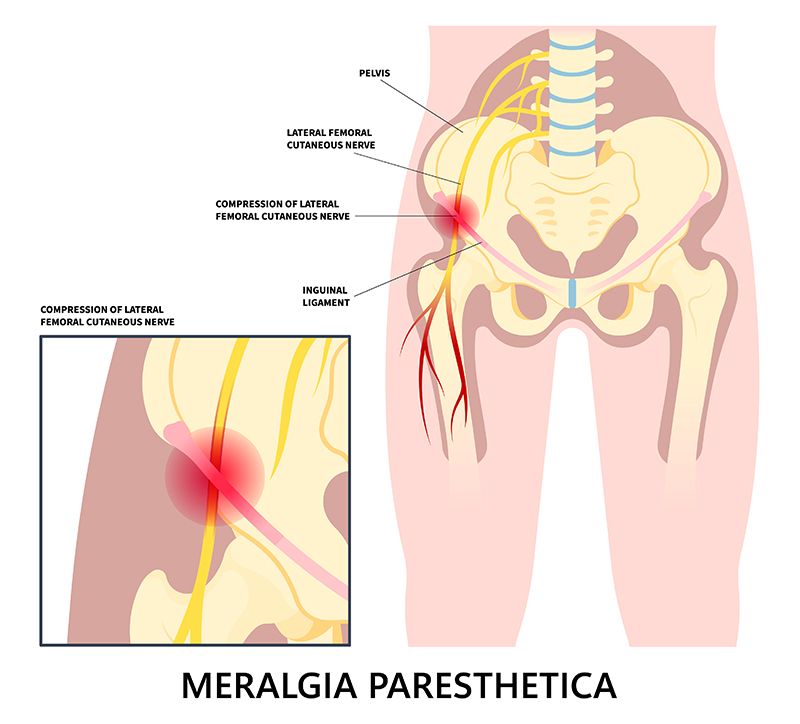
Meralgia Paresthetica is a condition characterized by numbness, tingling, and burning pain in the outer thigh. It occurs when the “lateral femoral cutaneous nerve” (LFCN), which supplies sensation to the skin of the thigh, becomes compressed or irritated. While not life-threatening, it can be uncomfortable and disruptive to daily activities. Now let’s see how Myotherapy treatment can help with this presentation. Causes of Meralgia Paresthetica Meralgia Paresthetica presents with symptoms of lateral thigh weakness and numbness, which are caused by compression or the lateral femoral cutaneous nerve. This compression can have typical causes, which include: Tight clothing – Wearing tight jeans, belts, or shapewear can compress the nerve at the hip height. Obesity or weight gain – Excess weight puts pressure on the nerve. Pregnancy – The growing uterus may contribute to nerve compression. Prolonged standing or walking – Excessive movement can irritate the nerve. Injury or trauma – Previous surgeries, injuries, or direct impact to the hip area can damage the nerve. Diabetes – Diabetic neuropathy may increase susceptibility to nerve-related conditions. Inguinal ligament – The LFCN passes right under the inguinal ligament, which may create compression on the nerve itself. All those factors can compress the branch of the femoral nerve, which innervates the lateral portion of the thigh. The origin of the nerve is at the lumbar level L2/L3. Indeed, when a portion of the skin has altered sensation, it is often a peripheral compression that causes the symptoms. Symptoms of Meralgia Paresthetica The symptoms for Meraglia Parestetica often involved one leg only, as it is quiet uncommon to get compression bilaterally. Those symptoms include: Burning, tingling, or numbness in the outer thigh. The skin of the lateral thigh can also become very sensitive and painful to the touch. Sharp or aching pain that worsens with prolonged standing or walking. If the compression is due to organs or the inguinal ligament, movement can aggravate the presentation due to the tightness of the structure during movement. Increased sensitivity to touch in the affected area. Muscle weakness is not a symptom, as this condition affects sensation, not motor function. How can myotherapy treatment help individualise this presentation? As a myotherapist, I specialise in muscular skeletal presentations, and we focus on soft tissues. Through a series of assessments, we can determine whether the compression is peripheral or root nerve compression. Let’s see how. Medical History In the first step, we examine the medical history and physical examination, identifying risk factors and symptoms. Along with the physical examination, we examine the Myotome and Dermatome. Examination On top of active range of motion and another orthopedic test to rule in and out other possible presentations, there are some specific tests which we want to focus on, Myotome and Dermatome. The Myotome are resisted movement, like in this case, hip flexion, knee flexion, knee extension, where it would result in positive findings if we have evident weakness and or back pain. This test would rule in a compression to the spine level. Dermatome, on the other hand, are used to test the connectivity of the cutaneous nerve. So with a sharp and soft object, we will mark some line along the thigh area, looking for loss or confused sensations. This test would rule in a peripheral compression of the nerve. Notice that both presentations can be presented at the same time. Other tests that can be done for this presentation include: Electromyography (EMG) – To rule out other neurological disorders. Imaging tests (MRI, X-ray, or ultrasound) – Identifying structural issues or nerve compression. For those tests, Giovanni would write a referral letter for your GP. Treatment Options for Meralgia Paresthetica As often happens, the treatment options are multiple and must be embraced in groups, not individually. The overall aim of any treatment is to relieve pressure on the nerve and reduce symptoms. Here is a list of treatment options and modalities: Lifestyle Modifications Wear loose-fitting clothing to reduce nerve compression. Weight management to decrease excess pressure on the nerve. Avoid prolonged standing or walking if symptoms worsen. Medical Treatments Pain relievers – NSAIDs (like ibuprofen) or acetaminophen for mild pain relief. Myotherapy treatment – along a series of myotherapy sessions we can reduce symptoms and improve the presentation. Corticosteroid injections – Reduce inflammation and pain. Nerve blocks – In severe cases, numbing the nerve can provide relief. Surgical Options (For Severe Cases) Nerve decompression surgery – Relieves pressure on the nerve. Neurectomy – Removing the affected nerve if pain is persistent. How Myotherapy Can Help At Melbourne Massage and Treatment, during a myotherapy session, after ensuring we are dealing with a Meralgia Paresthetica I may use a series of techniques to help you out with your symptoms. What technique to use is based on your individual presentation,, other cohexsitng presentations, adn also your choice and comfort. Here is a list of modalities used during a Myotherapy session: Muscle Energetic Technique (MET) – Helps reduce tension in the hip, thigh, and lower back muscles that may be contributing to nerve compression. Trigger Point Therapy – Addresses myofascial trigger points that can exacerbate pain and discomfort. Mobility and Strengthening Exercises – Improves mobility and reduces pressure on the nerve. Postural Education – Helps correct movement patterns that may be aggravating symptoms. Joint Mobilization – Enhances circulation and reduces inflammation in affected joints. Dry needling – Using a needle can help reduce pain and muscle ache and increase the neurological connection of those same soft tissues. After the hands-on treatment, we will then look into exercises that can help maintain the change we created. That said, there are other precautions to take in consideration, like: Maintain a healthy weight to prevent excess pressure on the nerve. Choose comfortable clothing that doesn’t constrict the waist or thighs. Incorporate gentle mobility and exercise into your routine. Monitor underlying conditions, such as diabetes, to reduce nerve-related complications. Conclusion Meralgia Paresthetica can be managed effectively with lifestyle changes, medical treatment, and preventive care. Myotherapy can be a valuable complementary […]
Category Archives: Blog

Blog
Facet Joint Irritation and Muscle Weakness: What You Need To Know
In my experience as a Clinical Myotherapist at Melbourne Massage and Treatment Myotherapy and Lymphoedema [...]
Continue readingOct

Blog
Chronic Pain: What it is, and what can you do about it?
Pain is something that we all experience, and it can start after an injury, during [...]
Continue readingOct
Blog
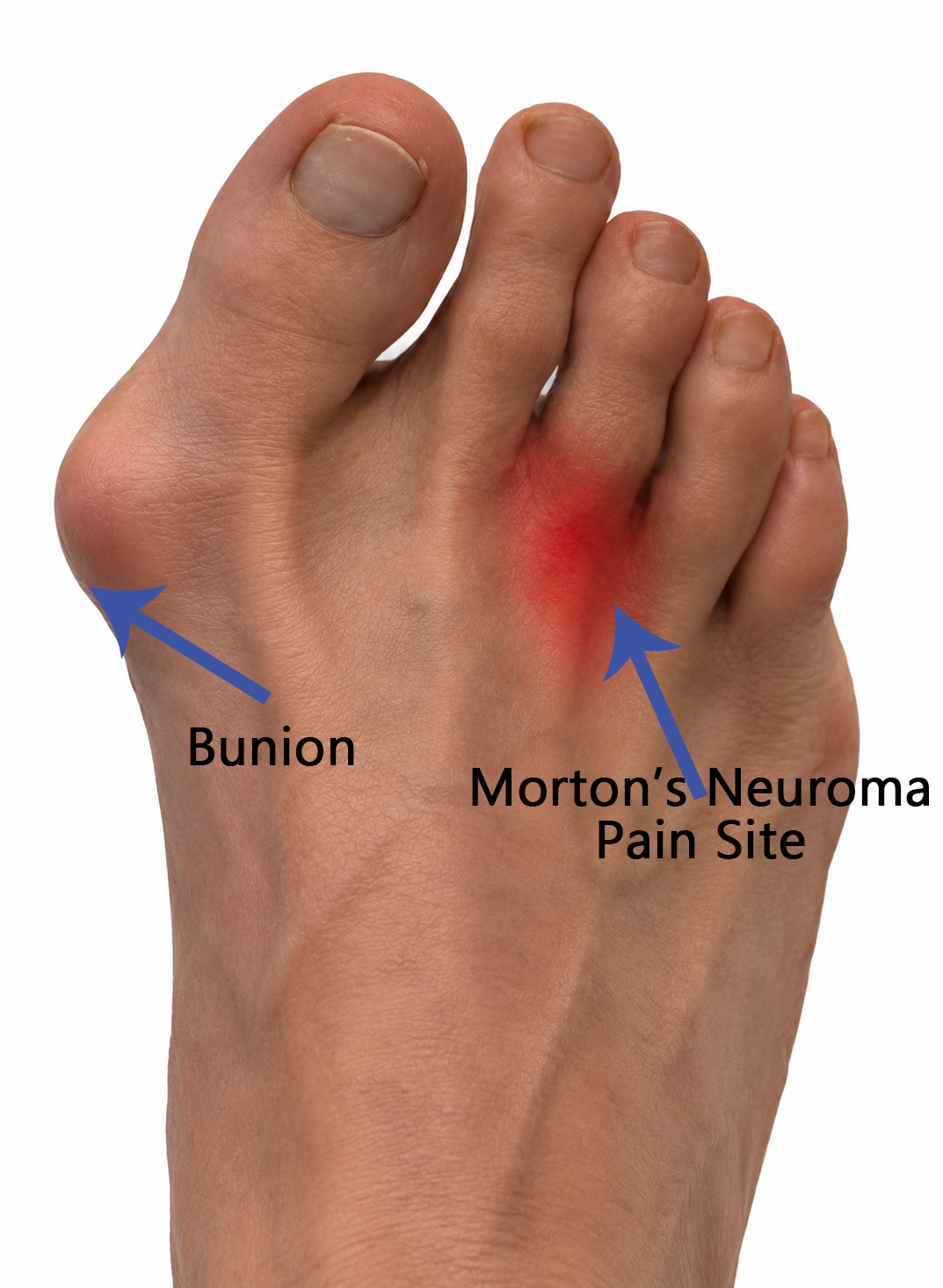
Bunion and Morton’s Neuroma: Can a Bunion Affect Neuroma Recovery?
While a bunion and a Morton’s neuroma are two different foot conditions, if they are [...]
Continue readingSep
Blog
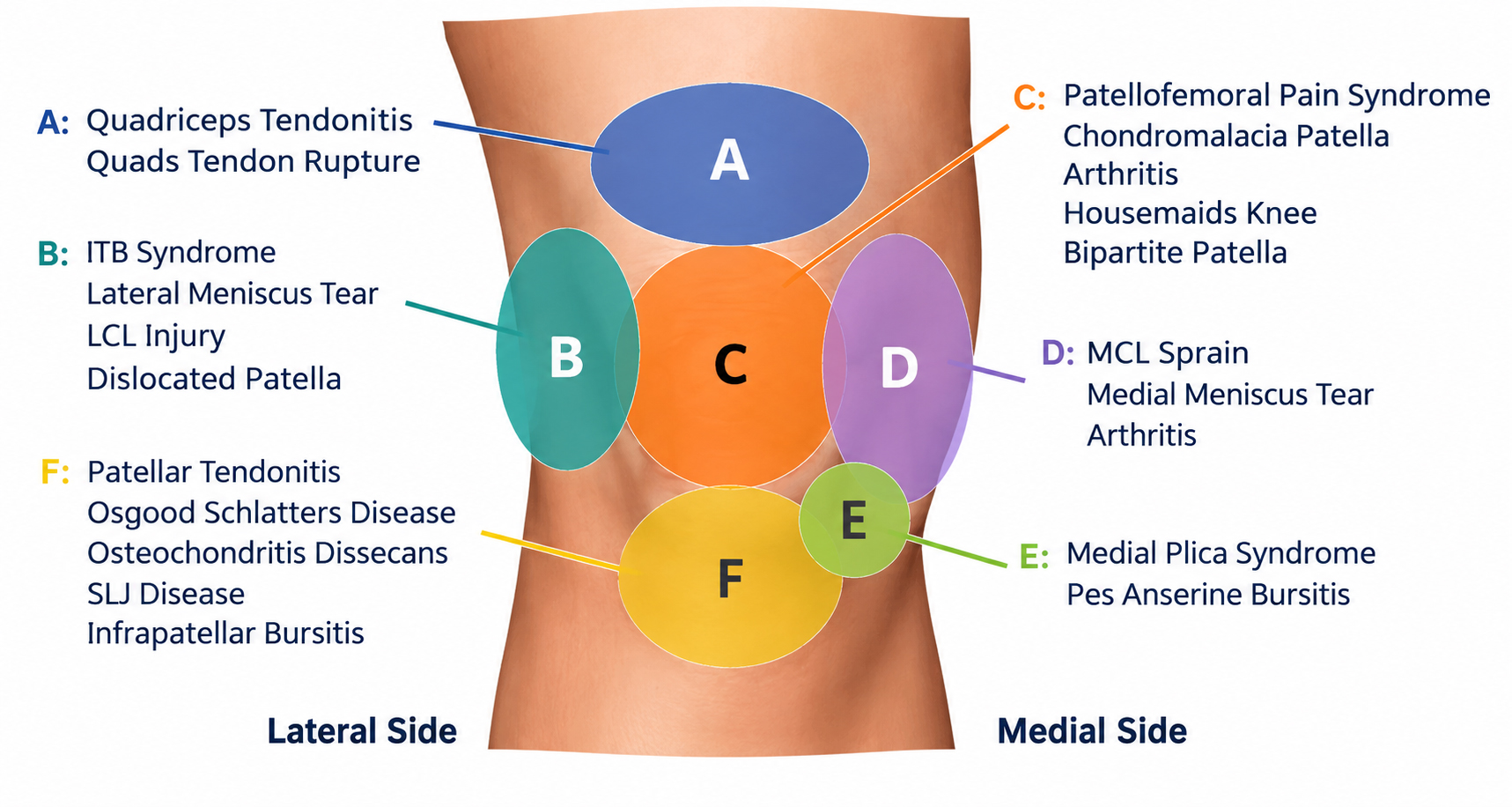
Knee Pain in Coburg
Knee pain is a common form of injury and can affect people of all ages [...]
Continue readingSep

Blog
Post-Surgery MLD Melbourne – Vodder MLD Therapist
Any form of surgery is an invasive procedure for the body to deal with, and [...]
Continue readingSep
Feb
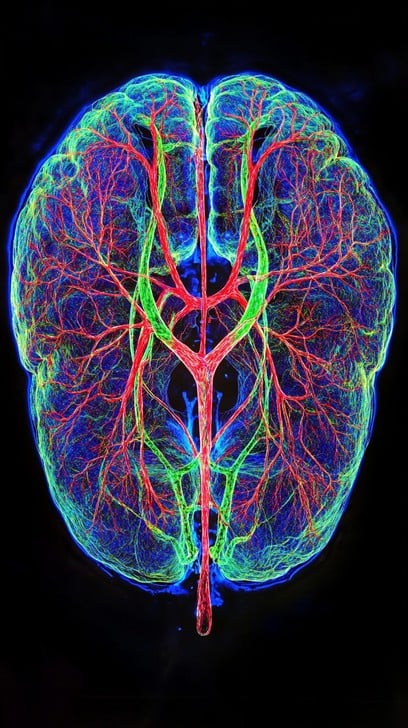
Alzheimer’s is a growing concern worldwide, affecting millions of individuals and their families. As we age, cognitive decline becomes a reality for many, but research has shown that regular exercise can play a significant role in reducing the risk of developing Alzheimer’s. Incorporating physical activity into daily routines can improve brain health, enhance memory, and support overall mental well-being. But how is this possible? And what do exercises have to do with brain health? What are the main factors that lead to Alzheimer’s disease? Even before starting to look into how exercises are beneficial for reducing the chance of developing Alzheimer’s, we have to understand what conditions can lead to Alzheimer’s in the first place. Indeed, there is a combination of factors that would increase your chance of developing this form of Dementia. Here is the list: low education level, midlife hypertension, midlife obesity, hearing loss, later-life depression, diabetes, smoking, social isolation, and, of course, low physical activity. Now, once you read this list, you can easily imagine how exercises can be beneficial for many of these presentations and how already acting directly on reducing these factors can lead to reducing your future chance of developing Alzheimer’s. How Exercise Benefits Brain Health Engaging in regular physical activity helps maintain cognitive function by improving blood flow to the brain. Indeed, the brain, as shown in the picture here, is a bundle of veins and arteries and has the most blood supply of any organ. As we now know, blood helps reduce inflammation and promotes the release of brain-derived neurotrophic factor (BDNF). BDNF is a protein that supports neuron growth and connectivity, which is crucial for memory retention and learning. On the other hand, exercise also helps reduce stress and anxiety, which are known contributors to cognitive decline. Additionally, studies like the London taxi driver study demonstrate how mental and physical engagement can grow the brain. The study found that taxi drivers who undergo rigorous memorization training developed larger hippocampi compared to bus drivers who followed set routes. This supports the idea that both physical activity and cognitive challenges contribute to brain resilience. Types of Exercises for Brain Health Different types of exercises offer unique benefits for brain function. Here are some of the best activities to help prevent Alzheimer’s: Aerobic Exercise: Activities like walking, running, cycling, and swimming increase heart rate and improve circulation, ensuring that the brain receives adequate oxygen and nutrients. Strength Training: Lifting weights or using resistance bands helps build muscle mass, which has been linked to better cognitive function and reduced risk of Alzheimer. Balance and Flexibility Exercises: Yoga, Tai Chi, and stretching improve coordination and reduce the risk of falls, which can contribute to brain injuries and cognitive impairment. Mental Engagement through Exercise: Activities such as dancing, martial arts, or playing sports require learning new movements and strategies, stimulating brain activity and improving neural connections. Metabolic and Lifestyle Factors Moving forward on the prevention side of things, there is to say that exercise alone is not the only factor influencing Alzheimer’s risks. Chronic conditions like pre-diabetes, diabetes, high LDL cholesterol, and chronic inflammation are significant contributors to cognitive decline. Studies show that individuals with uncontrolled pre-diabetes and high cholesterol in midlife face a greater risk of developing Alzheimer’s later on. A holistic approach to brain health should also address these metabolic pathways through a combination of exercise, a balanced diet, and proper medical management. How to Incorporate Exercise into Daily Life Nowadays I often hear patients saying that they have no time for exercise. But is that true? Or is it more about knowing how to optimise the time and apply some changes to our lifestyle? Then, here are some practical ways to integrate exercise into your routine: Take a brisk 30-minute walk daily. This can be easily accomplished by leaving the tram one stop earlier than your work’s stop and walking one stop back and forth, or parking the car a bit further away than the work location and walking your way down and back (15 mins each way). Join a local exercise class or sports group. If you give yourself a time and day that you have to attend a regular appointment, you are more luckily to make it a routine. Use stairs instead of elevators. If you work in a building with an elevator, opt for the stairs as many time as you can. Engage in gardening or household chores that require movement. Indeed gardening is not only a great way to spent time outdoor but it also a good way to move your body. Practice mobility drills before and after bedtime. Start and end yoyr day with a 10 minutes mobility self time, where you focus on get the spine moving and get your joint some selflove. How Melbourne Massage and Treatment can help with exercises for Alzheimer’s prevention? At Melbourne Massage and Treatment, I do my best to teach my patients exercises and guide them through a better lifestyle. Alzheimer’s disease is something that I experienced myself with my family throughout my mother’s journey. As I lived this in the first place, I want to make sure that no others have to go through the same journey. So not only do I regularly practice exercises myself, but I ensure to pass these skills and knowledge to others. If you are keen to learn more about how exercises can help your wellness journey, book now your next appointment for Exercises Prescription. Or if you have any questions, reach out via the contact page. FAQ about Exercises and Alzheimer’s prevention. Q: What are the main risk factors for developing Alzheimer’s disease? A: Several factors increase the likelihood of developing Alzheimer’s, including low education level, midlife hypertension, obesity, hearing loss, depression, diabetes, smoking, social isolation, and low physical activity. Addressing these risk factors through lifestyle changes can help reduce the chances of cognitive decline. Q: How does exercise benefit brain health? A: Regular physical activity improves blood flow to the brain, reduces inflammation, […]

Feb
Whiplash is a common neck injury caused by a sudden and forceful back-and-forth motion of the head. We often see this in patients who go through a car accident, contact sports injuries (AFL, rugby or even Soccer), or falls. While whiplash is usually not life-threatening, we now know that it can cause persistent pain and discomfort, affecting daily activities. Therefore, it is important to understand its symptoms, causes, and the best exercises for recovery, which can help individuals manage and overcome this condition effectively. Common Causes of Whiplash Whiplash is a term used to describe a fast rocking motion of the cervical area and is most frequently caused by: Car accidents: Rear-end collisions are the leading cause, as the sudden force propels the head forward and backward. Sports injuries: Contact sports like football, boxing, or hockey but even AFL, Rugby or even Soccer increase the risk of whiplash injuries. Falls: Slipping and falling can cause the head to jerk suddenly, leading to whiplash. Physical assaults: Blows to the head or sudden jolts, such as those experienced in shaken baby syndrome, can result in whiplash. What are the consequences of Whiplash for the cervical ligaments? The consequences of whiplash for the cervical ligaments can be significant, leading to long-term instability and chronic pain. When the ligaments are overstretched or torn, they lose their ability to support the cervical spine, resulting in properly: Reduced Stability: Weakened ligaments can no longer provide adequate support to the cervical vertebrae, leading to excessive movement and an increased risk of further injury. That’s why stretching is not recommended either. Chronic Pain and Stiffness: Persistent discomfort may arise as the muscles attempt to compensate for the lack of ligament support. Increased Risk of Degeneration: Ligament damage can accelerate wear and tear on the cervical joints, potentially leading to conditions such as osteoarthritis. Neurological Symptoms: Instability in the cervical spine may irritate or compress nerves, leading to headaches, dizziness, or numbness in the arms. Symptoms of Whiplash Whiplash symptoms can range from mild discomfort to severe pain, and they often appear within hours or days of the injury. Common symptoms include: Neck pain and stiffness: One of the most prevalent symptoms, often worsening with movement. Headaches: Typically originating from the base of the skull and radiating toward the forehead. Shoulder and upper back pain: The impact can cause muscle strain in surrounding areas. Reduced range of motion: Difficulty moving the neck due to stiffness and discomfort. Dizziness and fatigue: A common reaction as the body copes with the injury. Tingling or numbness in the arms: Nerve involvement may lead to sensations of pins and needles. Cognitive issues: Some people experience memory problems, difficulty concentrating, and irritability. Those symptoms may not present all at once, and they can belong to other presentations, while whiplash did or didn’t happen anytime before. That’s why when we go through a clinical history taking, as Myotherapist, we take our time to dig into your past and your body habits, as this can give us important information about your current presentation and what we can do to improve it. Why Can Whiplash Become a Lifelong Issue? In some cases, whiplash can become a chronic condition due to the instability of cervical ligaments. Cervical vertebrae can be divided into two parts, Mobile and Stable joints. C1 to C2 are the mobile ones, whereas C3 to C7 are the stable ones. Now, if along a whiplash incident, the ligaments of either the mobile or, most luckily, the stable side get strained, the muscles surrounding that segment of the joint would have to work harder to maintain stability. This would lead to to ongoing discomfort, reduced mobility due to pain and muscle spasms, and increased vulnerability to future injuries. If left untreated or managed improperly, this is how the condition can become chronic and lead to other injuries along the way. Importance of Thoracic Mobility Thoracic mobility plays a crucial role in preventing the chain effect of mobility and stability issues between the thoracic spine, lower cervical, and upper cervical regions. If the thoracic spine is stiff or restricted, the lower and upper cervical spine must compensate, leading to increased strain and pain. Improving thoracic mobility through targeted exercises can help reduce this compensatory stress, allowing for better neck function and reducing the risk of chronic discomfort. In a case of a previous history of whiplash, maintaining good thoracic mobility would allow the cervical area to focus on its duties, so stability for the lower portion and mobility for the upper. Reducing the risk of overcompensation and muscle fatigue. Effective Exercises for Whiplash Recovery A structured exercise program is essential for whiplash recovery. This program should begin with isometric exercises to restore basic cervical movement, progress to concentric exercises to rebuild strength, and eventually include thoracic mobility drills to enhance overall spinal function. Phase 1: Isometric Exercises for Early Recovery. For the first 2 weeks post-injury, 5 to 7 days a week. Isometric exercises help activate muscles without excessive movement, providing a stable foundation for recovery. This step is essential to start driving more blood to the area irritated by the whiplash and also allow the central nervous system to feel confident in perceiving the cervical structure moving without pain. Isometric Neck Holds: Place your hand on your forehead and gently press against it without moving your head. Push only 25% of your strength, as it has to be a pain-free exercise. Hold for 5-10 seconds and repeat 5 times. These exercises can be done in any cervical movement, such as extension, lateral flexion, or rotation, by using your hand as a resistance and pushing always at 25% of your strength. The strenght of push does not ever progress, what you will progress within isometric exercises are the time fram of push, repetitions and sets. Phase 2: Concentric Strengthening Exercises. From week 3 post-injury onwards,3 to 5 times a week. Once the pain subsides, which we would expect to happen in 2 weeks about it, gradual […]

Feb
Greater Trochanteric Pain Syndrome (GTPS) is a common condition that causes persistent lateral hip pain, often making everyday activities like walking, climbing stairs, or even lying on your side difficult. GTPS primarily affects middle-aged individuals, particularly women, and is commonly linked to issues such as gluteal tendinopathy and weakness in the hip stabilizing muscles. At Melbourne Massage and Treatment, our focus is on evidence-based approaches to managing GTPS, and the latest research strongly supports the role of exercise as the first line of treatment for this condition. GTPS Symptoms Greater Trochanteric Pain Syndrome can present with a series of symptoms that are local to the side of the hip. Here are the most common: Lateral hip pain: Persistent pain on the outer side of the hip, which may extend down the thigh. Pain when lying on the affected side: Discomfort that worsens when lying directly on the hip. Tenderness to touch: Sensitivity around the greater trochanter, which may be painful to press. Pain with movement: Aggravation of pain during walking, climbing stairs, or standing for prolonged periods. Weakness in hip muscles: Reduced strength in the gluteal muscles, leading to instability in movement. Difficulty sitting for long periods: Sitting on hard surfaces can exacerbate discomfort. Mechanism of Injury for GTPS GTPS is primarily associated with tendinopathy of the gluteus medius and/or minimus muscles, with or without accompanying bursitis. As per many tendon injuries, this condition often arises from repetitive stress or overuse, leading to microtrauma and degeneration of these tendons. On the other hand, abnormal hip biomechanics can exacerbate the issue, as compressive forces cause impingement of the gluteal tendons and bursa onto the greater trochanter by the iliotibial band during hip adduction. Contributing factors to GTPS include acute trauma, such as a fall onto the lateral hip, prolonged pressure from lying on one side, and overuse from activities like running or stair climbing. Additionally, conditions like iliotibial band disorders and gluteal muscle weakness can increase the risk of developing GTPS. Understanding these mechanisms is crucial for effective management and prevention of GTPS. Evaluation of GTPS Diagnosing GTPS typically involves a combination of clinical examination and medical history assessment. After taking your clinical history, including sports and work activity, I will perform a series of tests to validate the suspicions of GTPS. Those tests include single-leg stance and resisted hip abduction, which we would expect to show weakness in single-leg standing and pain during the abduction movement. Lastly, we would also palpate the area, which is a test that is kept for last because we want to avoid flair the presentation, which may be painful with any other test after that. In some cases, imaging techniques like ultrasound or MRI may be used to rule out other conditions and confirm gluteal tendinopathy or soft tissue abnormalities. I personally do not recommend image testing as the first way to go because the impact of seeing physical damage can also have a negative impact on self-perception, making a recovery harder. At Melbourne Massage and Treatment, our focus is on evidence-based approaches to managing GTPS, and the latest research strongly supports the role of exercise as the first line of treatment for this condition. The difference between GTPS and Femoroacetabular Impingement (FAI) The difference between GTPS and FAI stands in the hip area involved in the injury. The GTPS is relative to the side of the hip and involves the gluteus medius and minimus tendon and the bursa that separate that tendon from the greater trochanter of the femur. On the other hand, FAI is a presentation that still involves the hip, but it does take place on the anterior portion of the hip, as is characterised by and overgrowth of tissue on the femur head or the hip socket, and it does manifest with hip flexion and external rotation. That’s why it is important to receive an evaluation of the presentation from a professional, in order not to mix the two presentation, or also, in order to evaluate if both presentation are present at the same time, which can also happen. The Role of Exercise in GTPS Treatment A recent systematic review and meta-analysis analyzing multiple randomized controlled trials found that structured exercise provides significant benefits for individuals with GTPS. The findings revealed that: Long-term pain reduction: Exercise can lead to slight but meaningful reductions in hip pain over time. Improved physical function: Patients who engage in targeted exercise programs experience better mobility and overall hip function. Increased likelihood of meaningful recovery: Compared to corticosteroid injections, exercise significantly increases the chances of noticeable improvement in symptoms. One of the most notable takeaways from this research is that exercise has a long-lasting effect, whereas treatments such as corticosteroid injections may provide only short-term relief. Additionally, no serious adverse effects were reported with exercise-based interventions, making it a safe and sustainable approach to managing GTPS. Why Choose Exercise Over Corticosteroid Injections? Corticosteroid injections have often been used for GTPS pain relief, but the research indicates that exercise leads to better long-term outcomes. While injections may offer temporary symptom relief, they do not address the underlying causes of GTPS, such as gluteal muscle weakness or tendon dysfunction. Exercise, on the other hand, strengthens the hip muscles, improves joint stability, and reduces the likelihood of recurring pain. In a previous blog post, I spoke about the key role of Gluteus Medius as a pelvis stabiliser. Effective Exercises for GTPS At Melbourne Massage and Treatment in Coburg clinic, I design individualised exercise programs to help patients with GTPS regain strength and function. Some of the most effective exercises for GTPS include: Isometric exercises involve holding static positions to engage the hip muscles without excessive movement, reducing pain and improving muscle endurance, driving blood to the tendons and joints, helping with recovery. Strength training: Progressive strengthening of the gluteus medius and minimus muscles to enhance hip stability. Functional movement training: Exercises that mimic daily activities to help improve movement patterns and prevent pain triggers. Along those exercises we […]

Feb
Lymphoedema and Lipoedema are chronic conditions characterised by swelling and fat accumulation, respectively, often accompanied by inflammation. Thanks to emerging research, we do not know that dietary choices, particularly the consumption of long-chain fatty acids, can influence the inflammatory processes associated with these conditions. This is why it is important to consider an Anti-Inflammatory Diet when suffering from those presentations. The Role of Long-Chain Fatty Acids in Inflammation Long-chain fatty acids are absorbed into the lymphatic system in structures called chylomicrons. Once these chylomicrons are processed, the released fatty acids can interact with macrophages—immune cells responsible for detecting and responding to pathogens. This interaction can trigger an inflammatory response, contributing to the chronic inflammation observed in both lymphoedema and Lipoedema. Why does the Lymphatic System absorb Long-Chain Fatty Acids? The lymphatic system plays a crucial role in the absorption and transport of dietary fats, particularly long-chain fatty acids. This process is essential for efficient lipid metabolism and overall energy distribution in the body. Absorption of Long-Chain Fatty Acids Long-chain fatty acids are released from dietary fats in the small intestine during digestion. These fatty acids are absorbed by the enterocytes (intestinal cells), where they are reassembled into triglycerides and packaged into lipoprotein particles known as chylomicrons. Due to their size and composition, chylomicrons are too large to enter the blood capillaries directly. Instead, they are absorbed into specialized lymphatic vessels called lacteals, located within the villi of the small intestine. This lymphatic absorption allows the efficient transport of large lipid molecules into the systemic circulation. Transport Through the Lymphatic System Once inside the lacteals, chylomicrons travel through the lymphatic system, merging into larger lymphatic vessels and eventually entering the bloodstream via the thoracic duct, which empties into the left subclavian vein near the heart. This pathway enables the gradual release of lipids into the circulation, allowing tissues to access these essential nutrients for energy production, cell membrane synthesis, and other vital functions. Benefits of an Anti-Inflammatory Diet Adopting an anti-inflammatory diet can help mitigate these effects by reducing the intake of pro-inflammatory long-chain fatty acids and emphasising foods that support lymphatic health. Key components of such a diet include: High Fibre Intake: Consuming fruits and vegetables rich in fibre promotes the production of short-chain fatty acids in the gut, which have anti-inflammatory properties. Omega-3 Fatty Acids: Incorporating sources of omega-3s, such as fatty fish, flaxseeds, and walnuts, can reduce inflammation and edema. Anti-Inflammatory Spices: Spices like turmeric, garlic, and curry leaves possess natural anti-inflammatory effects and can be beneficial additions to the diet. Foods to Limit or Avoid for a Good Anti-Inflammatory Diet To further reduce inflammation, it’s advisable to limit the consumption of: Processed Foods: Often high in trans fats and refined sugars, these can exacerbate inflammatory responses. Excessive Salt and Caffeine: High intake of salt and caffeine may contribute to fluid retention and should be moderated. Alcohol and Sweets: These can increase inflammation and are best consumed in moderation. Personalised Nutritional Guidance As a certified lymphoedema therapist trained by the Vodder Academy, I understand the importance of a holistic approach to managing lymphoedema and Lipoedema. Integrating an anti-inflammatory diet tailored to your individual needs can play a crucial role in reducing inflammation and improving overall health. For personalised advice and support, consider consulting with a healthcare professional or a registered dietitian experienced in managing these conditions. By making informed dietary choices, you can actively contribute to managing inflammation and supporting your lymphatic health. For more insights on managing lymphoedema and Lipoedema through diet, you might find this video informative. Melbourne Massage and Treatment and Lymphoedema/Lipoedema presentation Even though I am not a dietitian or nutritionist, so I can not give any direct recommendations on your diet or food intake, as a Lymphoedema therapist, I can still help you manage your presentation by offering services like Manual Lymphatic Drainage (MLD) and Combined Decongestive Therapy (CDT). So, if you need to improve your Lymphoedema or Lipoedema presentation, book your free 15-minute phone consultation now to understand how Melbourne Massage and Treatment services can benefit you. FAQ about Anti-Inflammatory Diet and Lymphoedema/Lipoedema presentation Q: How do dietary choices influence inflammation in lymphoedema and Lipoedema? A: Dietary choices play a significant role in modulating inflammation associated with lymphoedema and Lipoedema. Consuming foods high in long-chain fatty acids can lead to their absorption into the lymphatic system, where they may interact with macrophages—immune cells responsible for detecting and responding to pathogens. This interaction can trigger an inflammatory response, contributing to the chronic inflammation observed in both conditions. Adopting an anti-inflammatory diet can help mitigate these effects by reducing the intake of pro-inflammatory foods and emphasizing those that support lymphatic health. Q: What are long-chain fatty acids, and how do they affect inflammation? A: Long-chain fatty acids are a type of fat molecule commonly found in various foods, including certain oils, meats, and processed products. When consumed, these fatty acids are absorbed into the lymphatic system in structures called chylomicrons. Once processed, the released fatty acids can interact with macrophages, triggering an inflammatory response. This process can exacerbate the chronic inflammation associated with lymphoedema and Lipoedema. Q: Which foods are high in long-chain fatty acids and should be limited? A: Foods rich in long-chain fatty acids that may promote inflammation include: Certain oils Meats Processed products Limiting the intake of these foods can help reduce inflammation. Q: What are the key components of an anti-inflammatory diet that are beneficial for lymphoedema and Lipoedema? A: An anti-inflammatory diet focuses on incorporating foods that help reduce inflammation and support lymphatic health. Key components include: High Fibre Intake: Consuming fruits and vegetables rich in fibre promotes the production of short-chain fatty acids in the gut, which have anti-inflammatory properties. Omega-3 Fatty Acids: Incorporating sources of omega-3s, such as fatty fish, flaxseeds, and walnuts, can reduce inflammation and edema. Anti-Inflammatory Spices: Spices like turmeric, garlic, and curry leaves possess natural anti-inflammatory effects and can be beneficial additions to the diet. Q: Are there specific foods I should […]
Feb
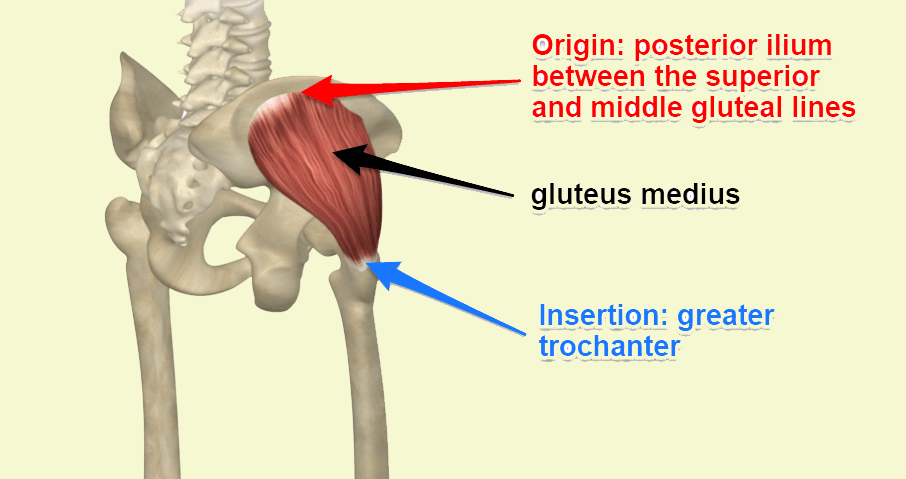
When it comes to maintaining a healthy, functional body, it’s easy to overlook the pivotal role of certain muscles in everyday movement and long-term stability. One such muscle is the gluteus medius. At Melbourne Massage and Treatment, located in Coburg, I see many patients who either love running or love to hit the gym but are not aware of the importance of this muscle for their activity. What is the Gluteus Medius? The gluteus medius (GM) is one of the three primary muscles of the gluteal group, located in the upper part of the buttock. Here is a breakdown of its anatomy: Origin: the gluteal surface of the ilium Insertion: lateral surface of the greater trochanter Innervation: dorsal branches of the L4, L5, and S1 Actions: Abduction and medial rotation of the lower limb. It stabilises the pelvis. Thanks to its positioning, the GM plays a vital role in controlling pelvic movement, specifically in the stabilization of the pelvis during various motions like walking, running, or standing on one leg. More Information About Gluteus Medius actions The GM serves several essential functions that directly affect the stability of the hip and lower body: Pelvic Stabilization: One of its primary roles is preventing the pelvis from tilting excessively to one side when you move, especially when you’re walking or running. If the gluteus medius isn’t working properly, the opposite side of your pelvis may dip downward, leading to an imbalance and compensatory movements that strain other parts of the body. Hip Abduction: The gluteus medius helps to move the leg out to the side, away from the body. This movement, known as hip abduction, is crucial for activities that require lateral movement, such as stepping sideways or maintaining balance while performing physical tasks. Internal and External Rotation: The gluteus medius also assists with the rotation of the hip joint. Depending on which fibers are activated, it helps with both internal and external rotation of the thigh. This is essential for maintaining control and precision in movements. Postural Support: The gluteus medius muscle helps keep the pelvis level when you’re standing on one leg. Without proper activation of this muscle, one hip might drop, affecting posture and causing misalignments in the spine and lower back. The Role of the Gluteus Medius in Hip Stability Why is the GM so important for hip stability? Simply put, this muscle acts as the stabilizer of the pelvis. Without a properly functioning gluteus medius, other muscles and joints are forced to compensate for the lack of stability, leading to overuse and strain. For example, improper GM function can result in excessive stress on the knees, lower back, and even the ankles, which can lead to pain, discomfort, and injury. Clinical implications are vast, especially for athletes and individuals who regularly engage in physical activities. Hip instability can result in difficulty performing simple tasks like walking or climbing stairs, and over time, it may contribute to chronic conditions such as hip osteoarthritis. A common painful presentation that we see in athletes but also the everyday patients is Greater Throcanta Pain Syndrome (GTPS), which is characterised by the side hip pain. This presentation results from a GM tendon irritation. Signs of Weak or Dysfunctional Gluteus Medius Here are some common signs that your gluteus medius may need attention: Pain in the hip or lower back: Since this muscle is integral to proper alignment, dysfunction often manifests as discomfort in the hips or lower back. Difficulty balancing on one leg: Struggling with stability when standing on one leg may indicate weak gluteus medius muscles. Shifting or limping while walking: A noticeable shift or limp while walking can point to weakness in the gluteus medius, causing the body to compensate and disrupt your gait. How can Gluteus Medius impact your run? The gluteus medius is crucial for runners as it stabilizes the pelvis, controls hip movement, and ensures proper alignment during running. This muscle prevents excessive pelvic tilting, reduces side-to-side sway, and helps maintain efficient running form, thereby lowering the risk of injuries such as knee pain, IT band syndrome, and lower back discomfort. A weak or dysfunctional gluteus medius can lead to compensatory movements, affecting performance and causing imbalances. How Melbourne Massage and Treatment Can Help At Melbourne Massage and Treatment, as a clinical myotherapist, I focus on treatment designed to address muscle pain and dysfunction through a variety of techniques. One of the key areas of focus is to create a treatment plan that works for your presentation based on your clinical history. Here is a breakdown: 1. Assessment and Diagnosis: I would conducts a thorough assessment to identify if the gluteus medius is underperforming, weak, or compensating due to other musculoskeletal issues. This involves a combination of posture analysis, movement patterns, and targeted strength tests. 2. Myotherapy Treatment Techniques: I will use various techniques, including trigger point therapy, Dry Needling, myofascial release, and deep tissue massage, to release tension in the gluteus medius and surrounding muscles. This helps to restore proper function, reduce pain, and improve mobility. 3. Rehabilitation and Strengthening: After addressing any issues, we will work to develop rehabilitation strategies, including targeted strengthening exercises for the gluteus medius and other muscles that surround the pelvic, lower back and leg area. These exercises aim to restore proper muscle activation and prevent future imbalances. 4. Injury Prevention: In order to prevent further injury, we will set a target of strength that you want to achieve with your sports activity, and we will do our best to hit that target. Be mindful that based on your presentation, the target could extend from a few weeks to several months. The Takeaway The gluteus medius muscle is far more important for hip stability than many people realize. Its role in maintaining pelvic alignment and controlling movement is essential for pain-free mobility, proper posture, and long-term musculoskeletal health. Whether you’re dealing with hip pain, experiencing difficulty with balance, or want to prevent future issues, understanding and caring for your […]
Jan
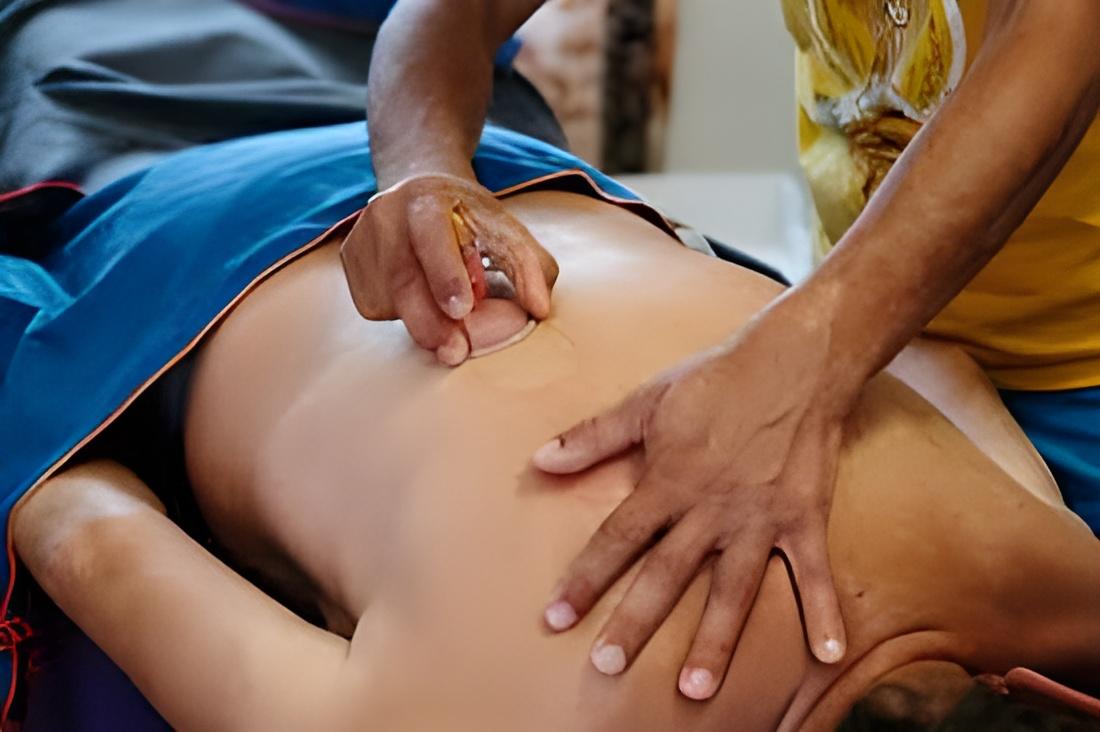
Athletes push their bodies to the limit, and recovery is just as crucial as training for peak performance. At Melbourne Massage and Treatment, remedial massage plays a vital role in helping athletes enhance performance, prevent injuries, and accelerate recovery. Remedial massage is not just a luxury or relaxation technique—it is a powerful therapeutic practice that can help athletes recover faster, perform better, and avoid injury. Key Takeaways Helps with recovery: Improves circulation and tissue repair. Prevents injuries: Identifies and corrects muscle imbalances. Enhances mobility: Promotes flexibility and range of motion. Relieves pain: Eases discomfort from overuse or injury. Boosts mental focus: Provides relaxation and reduces stress. What is Remedial Massage? Remedial massage is a specialised form of massage therapy designed to treat muscle and soft tissue injuries. It focuses on identifying and alleviating pain, tension, and restrictions within the body that are caused by injury, overuse, or poor posture. Unlike traditional relaxation massages, remedial massage uses a combination of techniques, such as deep tissue massage, trigger point therapy, myofascial release, and stretching, to address specific muscle and connective tissue issues. For athletes, this type of massage is highly beneficial as it targets the underlying causes of pain or discomfort rather than just providing temporary relief. It helps to rehabilitate muscles and tissues, improve flexibility, and optimise physical performance. How Athletes Benefit from Remedial Massage Improved Recovery Times Intense physical activity leads to microtears in muscles, causing soreness and fatigue. Remedial massage enhances blood flow, delivering oxygen and nutrients to damaged tissues. This helps with the healing process and reduces post-exercise soreness. Prevention of Injuries By identifying and addressing muscular imbalances, remedial massage reduces the risk of strains, sprains, and overuse injuries. It keeps the body aligned and functioning efficiently, ensuring athletes can train and compete without setbacks. Enhanced Flexibility and Range of Motion Tight muscles restrict movement, limiting an athlete’s potential. Remedial massage techniques like myofascial release and stretching incorporated into remedial massage improve flexibility and joint mobility. Explore our range of services for tailored treatment plans. Pain Management Chronic pain or lingering discomfort can hinder performance. Remedial massage alleviates pain by targeting trigger points and relaxing tense muscles, promoting comfort and functionality during training. Mental Relaxation Athletes often face mental stress alongside physical challenges. The calming effects of remedial massage help reduce anxiety and improve focus, contributing to overall well-being. How Remedial Massage Aids in Recovery While enhancing performance is essential, recovery is just as important for athletes. Proper recovery ensures that muscles heal, rebuild, and become stronger for future performance. Best remedial massage plays a vital role in the recovery process by accelerating healing, reducing soreness, and minimising the risk of injury. Alleviating Post-Exercise Muscle Soreness After intense training or competition, athletes often experience delayed onset muscle soreness (DOMS), which can make it difficult to perform at their usual level. Remedial massage can help alleviate DOMS by increasing circulation and reducing inflammation. The technique helps release built-up lactic acid and other metabolic byproducts that accumulate in muscles during physical activity, which can contribute to soreness and discomfort. Massage also stimulates the body’s parasympathetic nervous system, promoting relaxation and reducing stress hormones that can interfere with the healing process. By alleviating soreness, athletes can recover faster and return to training more quickly. Reducing Inflammation and Swelling Swelling and inflammation are common following an injury or intense physical exertion. Remedial massage can reduce inflammation by improving lymphatic drainage and encouraging the removal of excess fluid from the body. This can be especially helpful for athletes who are recovering from soft tissue injuries or who experience swelling in joints and muscles after intense physical activity. Techniques such as effleurage (gentle strokes) and deep tissue massage help to stimulate the lymphatic system, which aids in the removal of waste products and reduces swelling. By managing inflammation, remedial massage can speed up recovery and minimise downtime. Accelerating Tissue Repair Muscle strains and ligament injuries can take a long time to heal, depending on their severity. Remedial massage promotes tissue repair by increasing blood flow to the affected areas, providing essential nutrients and oxygen needed for healing. Massage can also break down scar tissue that may form during the healing process, which can reduce the risk of long-term stiffness and immobility. By promoting tissue repair, remedial massage helps athletes recover from injuries more quickly and efficiently, allowing them to get back to training or competing at full strength. How Athletes Integrate Remedial Massage into Their Routine Athletes can incorporate remedial massage into their training and recovery regimen in a variety of ways. Some athletes opt for regular sessions to maintain muscle health and prevent injuries, while others may schedule a massage after a particularly intense training session or competition to speed up recovery. Pre-Competition or Pre-Training Massage: A light, stimulating massage before an event or workout can help warm up the muscles, increase flexibility, and prepare the body for physical activity. Post-Competition or Post-Training Massage: After an intense workout or competition, athletes often schedule a deep tissue massage to relieve muscle tension, flush out toxins, and alleviate soreness. Regular Maintenance Sessions: Some athletes choose to schedule regular remedial massage sessions as part of their overall injury prevention strategy. These sessions can help identify muscle imbalances, improve circulation, and maintain muscle health over the long term. Conclusion Remedial massage is an integral part of an athlete’s performance and recovery routine. Addressing physical challenges and promoting recovery, enhances overall mental health and well-being and long-term success in any sport. At Melbourne Massage and Treatment, we specialise in tailored remedial massage services that cater to the unique needs of athletes. Contact us to book your session and elevate your athletic performance. FAQs:

Jan
At Melbourne Massage and Treatment, we believe in the transformative power of massage therapy to heal the body, calm the mind, and elevate the spirit. Whether you are battling chronic pain, looking to ease stress, or simply indulging in a bit of wellness, our diverse range of massage therapies is designed to meet your unique needs. Discover the perfect massage experience in Melbourne that not only soothes but rejuvenates. Key Takeaways: Variety of Techniques: From Swedish to deep tissue, there’s a massage therapy suitable for everyone’s needs. Health Benefits: Massage therapy not only relaxes but also helps to alleviate pain, improve flexibility, and reduce stress. Specialised Services: Tailored treatments like pregnancy massage cater to specific needs, providing relief and comfort. An Overview of the Various Massage Therapies Available in Melbourne Swedish Massage: As one of the most popular types of massage, Swedish massage is perfect for those new to massage therapy or looking for complete relaxation. It involves long, flowing strokes, kneading, and circular movements on superficial layers of muscle using massage oil or lotion. This technique is particularly effective for reducing pain, joint stiffness, and improving circulation in the major muscle groups. Thai Massage: Unlike more traditional forms of massage, Thai massage uniquely blends deep tissue massage techniques with yoga-like stretching. Practitioners use their body weight to increase the intensity of the stretch, enhancing flexibility and relaxation while stimulating internal organs. Thai massage is performed on a floor mat, allowing the therapist to maneuver and manipulate the client’s body into yoga-like positions that stretch and tone the muscles. Sports Massage: Designed for athletes and fitness enthusiasts, sports massage focuses on areas of the body that are stressed from repetitive and often harsh physical activities. Techniques vary depending on the sport and the athlete’s needs but generally aim to prevent injury, enhance athletic performance, and reduce recovery time. This therapy can be used as a means to prepare the muscles before sporting events or to recover from strain after physical exertion. Remedial Massage: Remedial massage is targeted towards the healing of injuries and ailments, using precise strokes to address specific tissues, supporting healing and recovery. It can be highly effective for conditions such as chronic pain, muscle imbalances, reduced mobility, and postural issues. This therapy is often prescribed by physicians and may be eligible for rebates with certain health insurance plans in Australia. Hot Stone Massage: Hot stone massage involves placing warmed stones on certain points on the body, which improves the flow of energy and prepares muscles for a deeper and more relaxed massage experience. The heat can help release tension in your muscles and joints, and the stones may also realign energy pathways in the body. Customising Your Massage Experience No matter what your physical condition or wellness goals, at Melbourne Massage and Treatment, we strive to customise each therapy session to meet your specific needs. Our experienced therapists are skilled in various massage techniques and can adapt their approach to ensure the most effective and relaxing experience. Benefits of Regular Massage Therapy Engaging in regular massage therapy can significantly improve your quality of life by: Enhancing Flexibility and Range of Motion: Regular massages help to relax and stretch muscles, which can improve your flexibility and range of motion. This is particularly beneficial if you lead a sedentary lifestyle or regularly engage in physical activity. Improving Circulation and Reducing Blood Pressure: Massage therapies, especially those that involve manipulation of the muscles, can improve blood flow and reduce blood pressure. Better circulation can lead to decreased fatigue and more energy. Stress Reduction and Improved Mental Health: Regular massages reduce stress hormones like cortisol and increase neurotransmitters that help reduce depression. Boosting Immune System Function: By stimulating lymph flow, massages help the body to fight off infections, speeding up the body’s natural immune response. Understanding the Benefits of Different Massage Techniques Each massage technique offers unique benefits, catering to various physical and emotional needs. Whether you’re a busy professional seeking stress relief, an athlete looking to enhance performance, or simply in need of self-care, Melbourne Massage and Treatment offers a range of therapies designed to meet individual needs. Lymphatic Drainage Massage: Lymphatic drainage massage is a gentle technique that focuses on stimulating the lymphatic system, which plays a critical role in the body’s immune system and fluid balance. Using light, rhythmic strokes, this therapy helps reduce swelling, detoxify the body, and improve overall circulation. It’s an excellent option for post-surgery recovery or managing conditions like lymphedema. Myofascial Release: Myofascial release focuses on the connective tissue, or fascia, that surrounds the muscles and organs. This technique uses sustained pressure to stretch and release tension within the fascia, which can become tight due to stress, injury, or overuse. It’s ideal for improving flexibility, reducing pain, and increasing mobility in those with chronic conditions like fibromyalgia. Choosing the Right Massage Therapy for Your Needs Selecting the most suitable massage therapy depends on your specific goals and physical condition. Here’s a guide to help you determine the best approach: For Stress Relief and Relaxation: Opt for Swedish, aromatherapy, or hot stone massages, which are gentle and focus on relaxation. For Chronic Pain or Muscle Recovery: Consider deep tissue, sports massage, or trigger point therapy to target problem areas effectively. For Improved Circulation or Detoxification: Lymphatic drainage and reflexology are excellent for boosting the body’s natural detox processes. For Pregnancy Support: Pregnancy massage is tailored to alleviate common discomforts associated with pregnancy, offering a safe and nurturing experience. Conclusion Ready to embark on a journey of relaxation and rejuvenation? Contact us today to book your massage therapy session and experience the ultimate in relaxation and therapeutic benefit. Whether you’re seeking relief from pain, a way to reduce stress, or a method to improve overall health, our skilled therapists are here to guide you on your path to wellness. FAQs

Jan
Tendinopathy is a common condition that can cause discomfort, pain, and frustration, whether you’re an athlete or simply someone dealing with repetitive movements in everyday life. At Melbourne Massage and Treatment, Coburg, Giovanni specialises in helping individuals navigate the recovery process and get back to their normal activities pain-free. If you’re wondering how to recover from a tendinopathy, here is a blog with advice and tips on healing effectively and efficiently. What is Tendinopathy? Tendinopathy refers to the degeneration or injury of a tendon—the connective tissue that links muscles to bones. It’s typically the result of overuse or repetitive stress, often seen in areas like the Achilles tendon, rotator cuff, elbow (e.g., tennis elbow), or patellar tendon (knee). What can lead to or aggravate a tendinopathy are repetitive motions or repetitive stretching, which, specifically, is something the tendon does not like and is not designed for. The tendinopathy’s symptoms. Tendinopathy symptoms can vary based on the gravity of the presentation and on the location of the tendinopathy. That said, the most common symptoms are: Pain or Tenderness The pain of a tendinopathy present is really local, and it can be pin-pointed with a finger. The pain may be dull or aching and is usually felt when the tendon is moved, touched, or especially stretched. Swelling Swelling may occur around the affected tendon. This swelling can be mild to moderate and can cause the area to feel warm to the touch. The swelling is often due to irritation or inflammation of the tendon, although tendinopathy primarily involves tendon degeneration rather than inflammation. Stiffness The affected joint may feel stiff, especially after periods of rest or inactivity. You might have difficulty moving the joint freely or performing certain movements due to tendon tightness. Decreased Range of Motion As tendinopathy progresses, the range of motion in the affected joint can decrease. This can make it harder to perform certain actions like lifting, walking, or reaching overhead, depending on where the tendinopathy is located. Pain During or After Activity Tendinopathy pain often worsens during or after physical activity that stresses the affected tendon. This is particularly common with repetitive movements or overuse. You may feel pain when engaging in activities like running, lifting, or repetitive motions such as typing or throwing. Pain That Improves with Rest but Returns with Activity Resting the tendon often reduces pain temporarily. However, once you resume activity, the pain may return. This is especially true if you don’t allow enough recovery time or return to activities too quickly. Weakness A weakened tendon can result in reduced strength in the affected muscle. You might notice that the affected area becomes weaker, making it difficult to perform everyday tasks that require strength or stability. Crepitus (Popping or Cracking Sensation) Some people with tendinopathy experience a sensation of grating, popping, or cracking when moving the affected joint. This may be caused by the friction of the tendon moving over other tissues or joints. How to Recover from a Tendinopathy: A Comprehensive Guide Recovering from tendinopathy involves a multifaceted approach to healing. Giovanni, at Melbourne Massage and Treatment, Coburg, uses a variety of myotherapy techniques and recovery strategies to help you heal effectively. Here’s a step-by-step breakdown of how to recover from a tendinopathy: Rest and Reduce Strain on the Affected Tendon The first step in recovery is giving the affected tendon time to rest and recover. It’s essential to avoid activities or movements that exacerbate the pain. While complete rest may not be necessary, reducing the intensity and frequency of movements that stress the tendon will help prevent further damage. Based on the length of time that you have been experiencing the tendinopathy, anti-inflammatory can be helpful in reducing symptoms. But for that, you want to consult wither your GP or a pharmacist. Massage Therapy, Dry Needling and Joint Mobilizations Once an assessment has been done, and we have a better understanding of why you end up having a tendinopathy, we can work on the surrounding area with techniques like Deep tissue Massage, Dry Needling, and Joint Mobilisation. Each technique comes with its own benefit, and each technique can be used based on your needs and choice. What all of those technique has in common is that they can help increase blood flow to the area of tendon irritation and help the body recover. In specific then, Joint Mobilisation can help in improving the overall mobility of the joint itself, and help then in delivering more efficient exercises and drill that would be an essential part of your recovery from a tendinophathy. Isometric and Strengthening Exercises Implementing a structured rehabilitation program is a key component of recovering from tendinopathy. To help the acute pain to subside, it’s important to gradually introduce longer sessions of isometric exercises. Those exercises are the base of any recovery and are ideal for tendinopathy as they put the tendon tissue in a condition of resistance, that is what exactly tendon love and are thought for. Strengthening exercises are designed to improve muscle strength and endurance, which leads to the prevention of further injuries. Apply Heat Therapy Heat pack is a simple but effective ways to manage pain and inflammation in the affected tendon. Indeed, as the tendon is a tissue that has low blood supply, applying heat to it, for a max of 10 to 15 mins, 2 to 3 times a day, would help to drive more blood to the area. Why 10 to 15 minutes, is because we don’t want to bring exceed amount of blood to the area, or it would get hyper-inflamed. Gradual Return to Activity One of the most important steps in how to recover from a tendinopathy is knowing when and how to safely return to regular activities. It’s vital to avoid rushing back into full activity, as this can lead to re-injury. Gradually reintroduce movements or sports, but only when you feel comfortable and without pain. Giovanni will guide you through this process, ensuring your recovery is sustainable. Generally […]

Jan
A deadlift (conventional deadlift) is a popular exercise that aims to strengthen your posterior chain muscle, including the erector spinae muscle, glutes, and hamstring. It is considered a really top list of important exercises to do, and it can be fun and rewarding, but when the weight you move starts increasing, it can lead to severe injuries if you are not using the right technique. Let’s then look into what we need to do to get a good deadlift by starting to analyse from bottom to top how the body should be placed. Centre of mass and biomechanics in deadlift To start with, let’s talk about the biomechanics and the centre of mass for a deadlift. When doing exercises, biomechanics plays a crucial role in safety and optimal exercise execution, and there is no exception for the deadlift. Furthermore, along with all exercises, the lifting and the descending part, the weight has to be in line with the centre of mass. These two components are strictly interconnected to the other one, which means if I don’t use the right biomechanics, I am not going to have the weight aligned with the centre of mass, or if the weight is not aligned with the centre of mass, I am not using my biomechanics at its full potential. So, what’s the centre of mass in the deadlift? The centre of mass in a deadlift is that imaginary line that runs right from the mid-portion of your feet up right in front of your shins, and as you lift the weight up, it passes right in front of your pelvis. That’s where the bar is going to end once you complete the lifting motion. What happens if I don’t keep the bar along the centre of mass? At any stage, during the lifting or the descending motion, if you move the bar further away from the centre of the mass line, there is a great danger of injury. This is because, as the weight travels away from the centre of mass, there is an increase in momentum, which means that your muscles and ligaments that are working hard to move the weight are suddenly placed under a greater load. What are then the proper biomechanics to observe along a deadlift? Ankle and Knee To execute a good deadlift, we want to ensure we have good ankle dorsiflexion, which is not as important as when we squat, but still, we better ensure it is working right. This would allow a straight forward movement of the knee, which would not need to find its way medially or laterally along the initial bending for when we go to grab the bar. Moving up the chain, as we said, the knee have to point straight ahead, following the toes direction. Hip and lower back Next is the hip. This is an important joint, and here is where we need to make sure that we tilt the pelvis forward (bring the teil bone upwards) and as we hinge the hip, we have to have enough movement in there that the greater trochanter (bone landmark that represents the side of the femur’s head) is posterior to the malleolus (the bone landmark that make the side and medial portion of the ankle). Now, if we managed to have tailbone project far back and up, and hip hinged with a slightly bent knee, our back up to cervical area would be alrady quiet flat. Thoracic and head If we keep going upwards, we get to the upper thoracic area, right between the scapula. Here, we want to keep the scapula protracted and have the rhomboids and serratus anterior muscles active and strong so that the arms can hang down straight towards the bar and sit right next to the knee. Regarding the head, use your eyesight to look down at the floor at 45° in front of you and feel the ears pulling away from the shoulder. That would keep your neck nice and long and place the head in the right position. Arms and hands Arms hang down from the shoulder in a straight line, from the AC Joint down to the wrist. The arm has to feel heavy and prolonged, and the hands must sit right next to the shin. Indeed, your arms must stay as wide as your shoulders. That would ensure that your arms are at 90° with the bar, and from a vertical pool point of view, they can take the maximum load ever. Lastly, regarding the hands, there are different grip types that can be used for the deadlift. What is most important is that the wrist is straight following the armline. For exercise purposes, you can have a regular grip where your thumb is gripping around the bar. For heavier weights, you may want to do a mixed grip, where one hand (the dominant one) has the palm facing forward, and the other hand has the palm facing you. In conclusion, the biomechanics of the deadlift, if used correctly, will allow you to always weight in a safe spot, in line with the centre of mass. Your back has to be flat at all times, and along the exercise execution, you want to grasp air in, engage the core to flat out the lower back and then you can lift off. Benefits of Deadlifting Now, let’s look into the benefits of deadlifting. Full-body workout: Deadlifts engage multiple muscle groups—glutes, hamstrings, quads, lower back, core, traps, and forearms—providing a full-body workout in a single movement. Improved strength: Deadlifts are among the best exercises for building overall strength, especially in the posterior chain (back, glutes, and hamstrings). Better posture: Deadlifts can improve posture and reduce the risk of slouching by strengthening your back and core muscles. Core stability: The movement requires significant core activation, helping to enhance core strength and stability. Increased athletic performance: Deadlifts translate well to other athletic movements, as they improve explosiveness, agility, and endurance. Fat loss: The intensity and demand on […]