

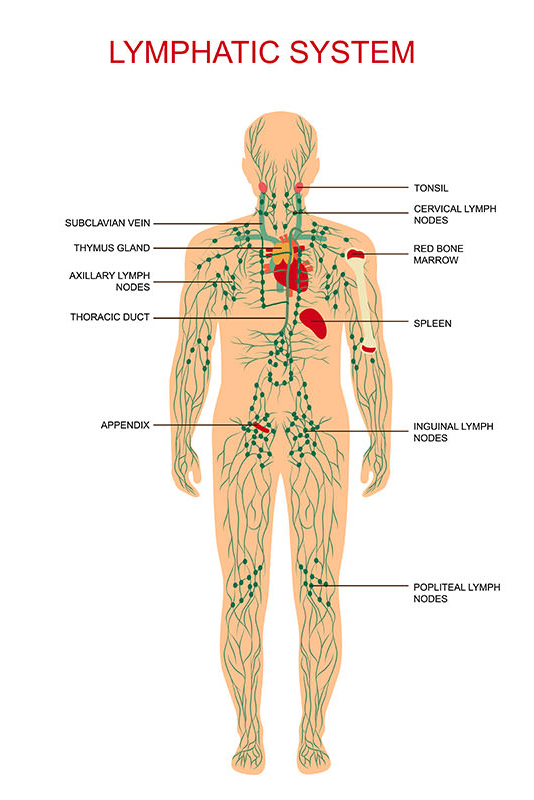
At Melbourne Massage and Treatment, located in Coburg, I do understand that living with lymphoedema can be challenging, both physically and emotionally. As part of my commitment to providing exceptional care and treatment for my patient, I have created this comprehensive guide to help you better understand what lymphoedema is, its causes, symptoms, and how the lymphatic system works. Whether you’re newly diagnosed or managing the condition long-term, this guide will help empower you with the knowledge to make informed decisions about your treatment. What is Lymphoedema? Lymphoedema is a condition that causes swelling due to the improper function of the lymphatic system. The lymphatic system is responsible for draining excess fluid, proteins, and waste products from tissues back into the bloodstream. When this system is compromised, fluid can accumulate in the affected areas, causing swelling, discomfort, and other health issues. At Melbourne Massage and Treatment, I specialize in lymphoedema care and offer a range of services, like Manual Lymphatic Drainage and Combined Decongestive Therapy, to help manage the condition and reduce its symptoms, allowing you to live a more comfortable and active life. The Biology of the Lymphatic System To better understand lymphoedema, it’s important to first explore the lymphatic system’s function in the body. The lymphatic system consists of a network of vessels, lymph nodes, and other organs that help maintain fluid balance and support the immune system. Lymph Vessels: These small tubes transport lymph fluid, which contains immune cells, proteins, waste, and other substances. Lymph Nodes: These small, bean-shaped structures filter lymph liquid and trap harmful substances, such as bacteria and viruses, to protect the body, thanks to the action of the immune system. Lymph liquid: The fluid circulating throughout the lymphatic vessels, which is dug in the body by the bloodstream and collected by the lymphatic system. Lymphatic Organs: The spleen and tonsils also contribute to the lymphatic system, filtering blood and defending against infections. But along the list of organs that are part of the lymphatic system we also find bone marrow, spleen, thymus, tonsils and adenoids. The lymphatic system works by collecting excess fluid below the skin and between tissues and returning it to the bloodstream. The fluid is collected from anywhere in the body and is then delivered to the clavicle, cervical area, and is there where it gets discharged into the bloodstream. However, when the lymphatic system becomes damaged or obstructed, it can lead to lymphedema because the liquid can not be brought to the discharging destination. This may occur due to interruption of the lymphatic vessels or the removal of lymph nodes. Causes of Lymphoedema We classified Lymphoedema into two types: primary and secondary. Both types have different causes, and understanding the underlying factors can help guide appropriate treatment options. Primary Lymphoedema Primary lymphoedema is rare and is based on genetic predisposition. This condition arises due to an abnormal development of the lymphatic system. This form of lymphoedema can manifest at any stage of life, and when it does so, the swelling would start distally and move proximally: Congenital Lymphoedema: Present from birth, this occurs when the lymphatic vessels fail to form properly. Lymphedema Praecox: This type typically develops during adolescence, often affecting one or both legs. Lymphedema Tarda: This type occurs after the age of 35 and may be linked to genetic factors or environmental triggers. Secondary Lymphoedema Secondary lymphoedema is far more common due to external factors that damage the lymphatic system. In this case, the swelling would start proximal to the damaged area and move distally down the limb/s. These include: Cancer Treatment: This is particularly common after surgeries that remove lymph nodes or radiation therapy, which can interfere with the normal flow of lymph fluid. Infection: Conditions like cellulitis (skin infection) or parasitic infections can damage the lymphatic vessels and lead to fluid buildup. Surgery or Physical Trauma: Any injury or surgical procedure that affects the lymphatic system can result in lymphoedema. Lipedema: A presentation like lipedema that is characterised by excess fat accumulation can, in a late stage, increase pressure on the lymphatic vessels, impairing their ability to drain fluid effectively. Venous Insufficiency: Chronic venous insufficiency causes poor circulation and increases pressure on the lymphatic system. At Melbourne Massage and Treatment in Coburg, I work to support clients with lymphoedema, particularly those who have developed the condition due to cancer treatments or other medical interventions. Symptoms of Lymphoedema The main symptom of lymphoedema is swelling, often affecting one or both limbs. However, other signs and symptoms can also develop, especially if the condition is left untreated. Common symptoms include: Swelling: The affected area will swell, most commonly in the arms or legs, but can also occur in other parts of the body. The swelling may start gradually and worsen over time. Heaviness or Tightness: The swollen area may feel heavy, tight, or full, making it difficult to move the affected limb Reduced Mobility: As the condition progresses, the swelling can limit your ability to move the affected limb freely. Skin Changes: The skin may become thickened, dry, or prone to infection as the condition worsens. Frequent Infections: Due to the severe swelling, the skin is prone to cuts and cracks. Underneath, a high-protein liquid is now present, which, when in contact with pathogens present in the air, can easily develop infections. If you experience any of these symptoms, it’s important to seek treatment promptly to manage the condition and prevent complications. At Melbourne Massage and Treatment, we offer a range of therapies designed to help reduce swelling and improve mobility. Treatment and Management of Lymphoedema While lymphoedema is a chronic condition, it is highly manageable with the right care. At Melbourne Massage and Treatment, we specialise in lymphoedema management and offer a holistic approach that combines various therapies to reduce swelling, improve circulation, and maintain quality of life. Treatment Options Include: Manual Lymphatic Drainage (MLD): A gentle, specialised massage technique that encourages the movement of lymph fluid and reduces swelling. Combined Decongestive Therapy (CDT): Application of bandages, applied post-lymphatic drainage treatment, which are used […]
Category Archives: Blog

Blog
Facet Joint Irritation and Muscle Weakness: What You Need To Know
In my experience as a Clinical Myotherapist at Melbourne Massage and Treatment Myotherapy and Lymphoedema [...]
Continue readingOct

Blog
Chronic Pain: What it is, and what can you do about it?
Pain is something that we all experience, and it can start after an injury, during [...]
Continue readingOct
Blog
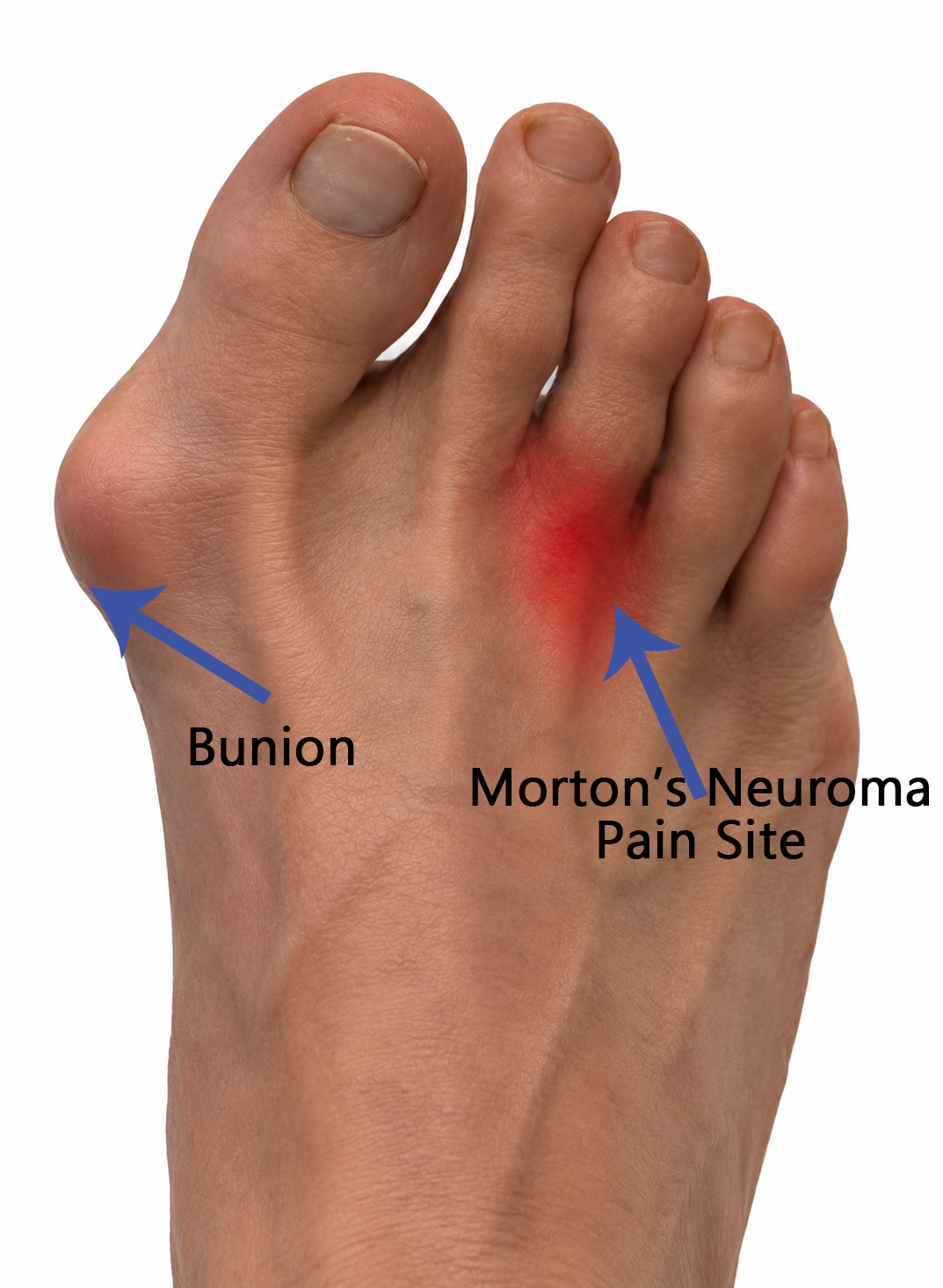
Bunion and Morton’s Neuroma: Can a Bunion Affect Neuroma Recovery?
While a bunion and a Morton’s neuroma are two different foot conditions, if they are [...]
Continue readingSep
Blog
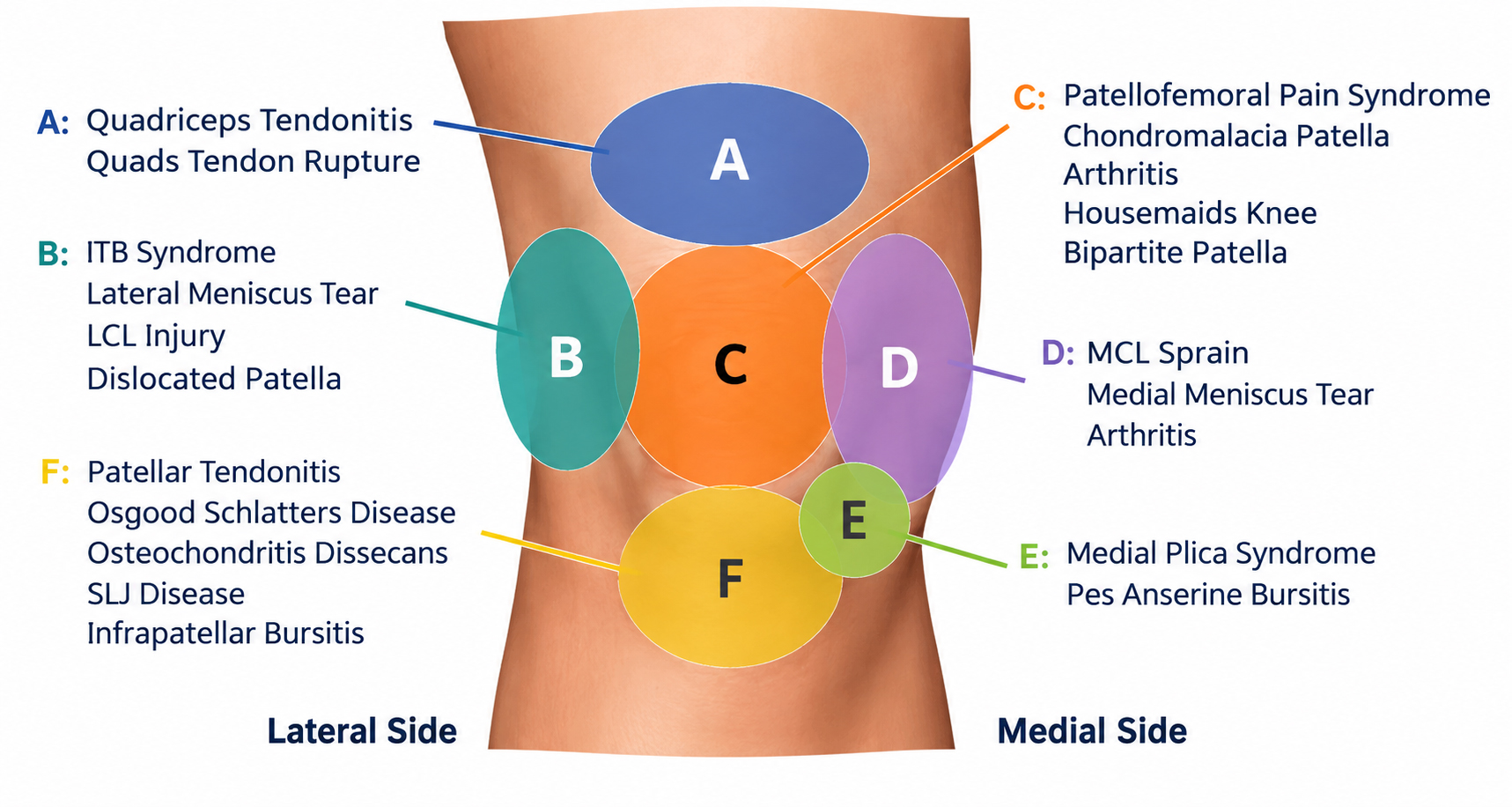
Knee Pain in Coburg
Knee pain is a common form of injury and can affect people of all ages [...]
Continue readingSep

Blog
Post-Surgery MLD Melbourne – Vodder MLD Therapist
Any form of surgery is an invasive procedure for the body to deal with, and [...]
Continue readingSep

Nov
A meniscus is a cushion type of structure that sits between the femur head and the tibia, on the medial side of the knee and the femur and the fibula on the lateral side of the knee. Its role is to protect any friction between the femur head and the other bonds. In sports activities where there is a lot of stop-and-go or stop-and-twist type of motion, such as basketball or netball, the meniscus is put under intense stress, and the chance of injuries can increase. Meniscus tear classification? A meniscus tear is a type of injury that can be classified based on its severity and size. There are different types of classifications, but the most used and accepted is Laprade’s classification (LaPrade et al., 2014). Laprade classification of Meniscus root tears (MRTs) is based on the morphology during arthroscopic assessment. The classification includes five distinct lesions: Type 1 tears represent partial root tears that are stable (7% of all meniscus root tears). Type 2 tears represent complete radial tears within 9 mm of the root attachment centre (67.6%). This type of tear is then subdivided in three other sub-group based on the distance of the tear from the center of the root attachment (2A 0–3 mm, 2B 3–6 mm and 2C 6–9 mm). Type 3 tear was defined as bucket-handle tear with complete root detachment (5.6%). Type 4 tears are complex oblique tears with complete root detachment (10%) and bony avulsion of the root attachment (9.9%). Meniscus tear symptoms In order to diagnose a meniscus tear, the gold standard method is an MRI scan. That said, nowadays, the only time you would get an MRI scan to your knee for a meniscus injury, is for surgery purposes, as we now know, that live with a meniscus tear is possible, as long as the muscle that across the knee joint are well looked after. That said, in the early stage, the symptoms of meniscus tear can include: Joint swelling Tenderness in the knee on the medial or lateral portion of the knee A feeling of catch in the knee as is moving Limited range of motion A feeling of the knee not able to hold the weight. Localised pain To alleviate the discomfort, the aid of a crutch, especially in the early stage, is recommended, and as per all acute phase injuries, the first few days, rest and movement with pain-free range of motion are extremely important. In addition to this, heat can be applied for intervals of 15 minutes once or twice a day. How do we rehabilitate a meniscus tear? As with all injuries, there is not one rehabilitation process that works for everyone, but there are guidelines that can be used to lead a recovery process. Let’s start with the acute phase (first phase), which is the first 72 hours. In this time frame, we would avoid putting direct weight on the affected side and, where possible, do simple knee flex/ext pain-free movements. Placing a pillow under the knee could help avoid locking the knee, which may not feel comfortable. Second phase: In this phase, which would be somewhere after the initial 72 hours, if it feels comfortable, we can start placing some gentle weight on the knee, even though using a crutch can still be acceptable, especially in the early stage of this phase. The second phase can last up to 5 or 6 weeks. An active range of motion, where the knee flexion is always greater, and the knee extension is getting closer to full extension, would keep increasing daily. In this phase, we can introduce Isometric exercises for knee flexion and extension. Those types of exercises can be done with a bench curl machine or an elastic band or ankle weight. What is most important is to start with lightweight or resistance, hold the weight for 40 seconds, and release for 40 seconds. The time frame can be adapted to the patient’s comfort. Halfway through this phase, we can start to introduce eccentric and concentric loads with weights and potential assisted sit and stands type of movement, with a chair that is higher than average and something in front of the patient where they can hold on to (like the back of another chair). As the patients’ confidence and muscles start responding more and more to these exercises, we can move to the third phase, and here we are in week 7 or 8. The chair for sitting and standing is now at average height; we may not need anterior assistance anymore. It is now essential to ensure the patient is walking and confident about placing weight on the affected side. Single-leg squats can be initiated, maybe even with the aid of a stick initially, and day by day without. The load on the anterior and posterior chain muscles of the thigh is increased, and as we move forward from week 10 to week 12, plyometric exercises can be introduced. Along those exercises, we look into explosive lunge, squatting, skipping the rope and running. A great test would be the hopping test, which consists of single-leg hopping, side to side. One minute of oping should not reproduce any pain. All these progressions are approximations of a natural healing process, and based on the individual presentation, this protocol can be modified and enriched as needed. Meniscus tear and surgery. In their meta-analysis of 6 randomised control trials, Meng et al., 2024, concluded that data favor exercise therapy over surgery as a first intervention for meniscus tears. These conclusions come from the fact that the pain reduction, estimated with the knee Knee Injury and Osteoarthritis Outcome Score (KOOS), does not show any difference between the arthroscopic partial meniscectomy (APM) and exercise therapy. That said, it doesn’t mean that surgery is never an option. What Meng et al., 2024 prove is that before heading for an invasive procedure, it is worth it to look into exercise therapy on its own. If the conservative method does […]

Nov
Headaches and migraines are common conditions that affect millions of people around the world. From mild tension headaches to debilitating migraines, these conditions can significantly impact daily life, causing discomfort, irritability, and even severe disruption to work and personal activities. While there are various treatments available, one that has gained increasing popularity for managing headaches is remedial massage. This therapeutic technique focuses on specific areas of the body to alleviate pain and address the underlying causes of headache symptoms. At Melbourne Massage and Treatment, we understand that headaches can disrupt your day and decrease your quality of life. That’s why we offer targeted remedial massage techniques designed to alleviate headache symptoms and restore your well-being. Headaches, whether occasional or chronic, can be a major impediment to daily activities. Key Takeaways: Targeted Relief: Remedial massage directly addresses the muscle tension that often contributes to headaches. Stress Reduction: Regular sessions help reduce overall stress levels, which can trigger headaches. Improved Circulation: Enhancing blood flow can alleviate the tightness and pain associated with headaches. What is Remedial Massage? Remedial massage technique is a hands-on therapeutic technique that targets specific muscle groups and soft tissues in the body to treat musculoskeletal issues. The goal is to alleviate pain, improve mobility, and promote overall health and well-being. Unlike general relaxation massages, remedial massage uses a variety of techniques, such as deep tissue manipulation, trigger point therapy, and myofascial release, to address underlying conditions that contribute to pain and discomfort. When it comes to headaches and migraines, remedial massage can be particularly effective. This is because many headaches are caused or exacerbated by muscle tension, poor mobility, and stress. By targeting the muscles of the neck, shoulders, and upper back, remedial massage can provide significant relief from these common headache triggers. How Remedial Massage Helps Alleviate Tension Headaches Tension headaches are the most common type of headache, often triggered by stress, anxiety, or poor mobility. They are characterised by a dull, aching pain that can feel like a tight band around the head. This type of headache is often associated with muscle tightness and stiffness in the neck, shoulders, and scalp. Remedial massage works by targeting the muscles and soft tissues that contribute to this tension. By applying techniques like deep tissue massage or myofascial release, a trained therapist can help relax the muscles in the neck and shoulders, which often become tight and knotted due to stress or lack of movement. In addition, remedial massage can help improve blood circulation to the affected areas, promoting the delivery of oxygen and nutrients to the tissues and removing waste products that may contribute to muscle fatigue and pain. This enhanced circulation can further reduce the discomfort associated with tension headaches and help prevent their recurrence. Remedial massage service targets these issues effectively. A trained therapist can help relax the muscles in the neck and shoulders, areas that often become tight and knotted from stress or poor ergonomic practices. Migraines and Remedial Massage Migraines are a more complex type of headache, often associated with severe pain, nausea, light sensitivity, and other debilitating symptoms. While the exact cause of migraines is still not fully understood, they are thought to be related to changes in brain chemistry, nerve pathways, and blood flow. Although migraines have multiple triggers, many individuals with migraines also experience increased muscle pain, particularly in the neck, upper back, and jaw areas. This muscle tension can exacerbate migraine symptoms or even trigger an episode. Remedial massage can be a valuable complementary treatment for those who suffer from migraines by addressing the muscle tension that often contributes to the severity of the headache. By focusing on the muscles around the neck and shoulders, remedial massage can relieve tightness and reduce the overall level of stress in the body, which are common triggers for migraine attacks. A massage therapist may also use techniques like trigger point therapy, which targets specific muscle knots that can refer pain to other areas of the head, neck, and face. By releasing these trigger points, the therapist can reduce the intensity of migraine pain or even prevent an episode from occurring. How Remedial Massage Supports Overall Stress Relief One of the most significant contributors to both tension headaches and migraines is stress. Chronic stress causes the body to remain in a heightened state of tension, which can lead to muscle tightness and trigger the onset of headaches. Remedial massage is a highly effective stress management tool because it promotes relaxation and reduces the body’s stress response. Massage techniques like long, slow strokes, kneading, and compression can activate the parasympathetic nervous system, which helps to lower heart rate, reduce blood pressure, and promote relaxation. By alleviating stress in the body and mind, remedial massage helps to decrease the likelihood of headache episodes caused by stress. The Benefits of Remedial Massage for Headache Sufferers Pain Reduction: The targeted pressure and manipulation of muscles during remedial massage help to release tension and promote pain relief. This is particularly beneficial for people who experience headaches due to muscle tightness in the neck, shoulders, and upper back. Improved Circulation: Remedial massage enhances blood flow to the affected areas, promoting healing and reducing pain. Better circulation helps oxygenate the tissues and flush out toxins, reducing the frequency and intensity of headaches. Reduced Muscle Tension: By focusing on tight muscles and trigger points, remedial massage helps to release muscle knots, which are often the source of tension headaches. This can reduce overall pain and discomfort. Stress Relief: As a highly effective stress-reduction technique, remedial massage can lower overall levels of anxiety and tension in the body, reducing one of the key triggers for headaches and migraines. Conclusion For individuals who suffer from frequent headaches or migraines, remedial massage offers an effective, natural alternative or complementary treatment. By targeting the muscles and soft tissues that contribute to tension and stress, this therapeutic technique can alleviate pain, reduce the frequency of headaches, and improve overall well-being. Whether you’re dealing with tension headaches […]

Nov
Cellulite is a common concern, particularly for those who have undergone procedures like liposuction, and it can be a source of frustration for many. Fortunately, there are effective, non-invasive methods to reduce its appearance and improve skin texture. One such treatment is lymphatic drainage massage, a technique offered at the Melbourne Massage and Treatment, a Lymphoedema Clinic in Coburg. If you’re struggling with cellulite and want to explore natural, therapeutic options to improve your skin’s appearance, this treatment might be just what you need. Understanding Cellulite Cellulite refers to the dimpled, lumpy appearance of the skin, typically found on the thighs, buttocks, and abdomen. It occurs when fat cells beneath the skin push against the connective tissue, creating an uneven, puckered look. Although cellulite is not harmful and is entirely natural, it can be a cosmetic concern for many people, especially after liposuction or other body contouring procedures. Cellulite can often become more pronounced post-surgery, making it important to address the underlying issues, such as poor lymphatic drainage and the buildup of toxins. How Lymphatic Drainage Massage Helps with Cellulite Lymphatic drainage massage is a gentle, specialized form of massage that targets the lymphatic system—the body’s natural detoxification system. By using light, rhythmic strokes, the treatment helps stimulate the lymphatic flow, encouraging the removal of excess fluid, waste, and toxins from the body. This can result in a noticeable reduction in the appearance of cellulite, as it addresses one of the primary causes of the condition—fluid retention and poor circulation. At the Melbourne Massage and Treatment Lymphoedema Clinic in Coburg, Giovanni use Manual lymphatic drainage (MLD) massage techniques to improve the efficiency of your lymphatic system. By boosting circulation and helping to break down the fatty deposits that contribute to cellulite, the treatment can significantly improve skin tone, texture, and elasticity. Why Choose Lymphatic Drainage Massage for Cellulite? Non-Invasive Solution Unlike surgical treatments or invasive procedures, lymphatic drainage massage is a natural, non-invasive way to tackle cellulite. It doesn’t require any downtime, and it offers a holistic approach to skin care and overall wellness. Whether you’re looking to treat cellulite post-liposuction or simply want to reduce its appearance, this gentle therapy is a safe, effective option. Stimulates Circulation One of the key benefits of lymphatic drainage massage is its ability to stimulate blood and lymphatic circulation. Improved circulation helps deliver oxygen and nutrients to the skin and tissues, while also aiding in the removal of waste products that can lead to skin dimpling and uneven texture. By promoting better blood flow, lymphatic drainage massage helps to reduce the appearance of cellulite over time. Reduces Fluid Retention Lymphatic drainage massage is particularly beneficial for those suffering from fluid retention. The lymphatic system is responsible for draining excess fluid from tissues, and when it becomes sluggish or compromised, fluid can build up, contributing to swelling and a more pronounced appearance of cellulite. By encouraging lymph flow, lymphatic drainage massage helps to eliminate excess fluid, improving the skin’s texture and reducing the bumpy look of cellulite. Improves Skin Tone and Elasticity Regular lymphatic drainage massage can help improve the tone and elasticity of the skin, making it smoother and more supple. As the massage technique stimulates collagen production and enhances circulation, the skin becomes firmer, reducing the visibility of cellulite. The Benefits of Choosing Melbourne Massage and Treatment Lymphoedema Clinic At the Melbourne Massage and Treatment in Coburg, Giovanni is dedicated to providing personalized care that targets your specific needs. Giovanni undertook a series of course for lymphatic drainage, with the Vodder Academy, and he can ensure that each session is tailored to your body’s unique requirements. Whether you’re dealing with cellulite post-liposuction or simply looking for an effective way to enhance your skin’s appearance, Melbourne Massage and Treatment will provide you with a welcoming and professional environment where your comfort and results are our top priorities. What to Expect During Your Lymphatic Drainage Massage Session When you arrive for your lymphatic drainage massage at our Coburg clinic, Giovanni would go through with your initialial consultation form, in order to verify your medical history, and analyse your presentation and your goals. About the Lymphatic Draiange Massage, it is a light touch therapy that aim to stimulate your lymphatic system. If any greater pressure would need to be applied, you will be advised first, and that may be needed to break down fat buildup. Typically, each session lasts between 40 to 60 minutes, and it is recommended to undergo 2–3 treatments per week for optimal results. Many clients notice improvements in their skin’s texture and tone after just a few sessions, with more noticeable results after consistent treatments. Is Lymphatic Drainage Massage Right for You? If you are dealing with the appearance of cellulite or fluid retention, lymphatic drainage massage could be the ideal treatment for you. It’s suitable for individuals of all ages and can be tailored to suit your needs, whether you’re recovering from liposuction or simply looking for a way to improve skin texture and tone. If you’re ready to experience the benefits of this effective, non-invasive treatment, contact Melbourne Massage and Treatment Lymphoedema Clinic today. Final Thoughts If you’re looking for an effective way to reduce cellulite and improve the appearance of your skin, lymphatic drainage massage offers a natural and therapeutic solution. At the Melbourne Massage and Treatment, Lymphoedema Clinic in Coburg, we specialize in lymphatic drainage techniques that can help reduce fluid retention, stimulate circulation, and promote smoother, firmer skin. Say goodbye to dimpled skin and hello to a more confident, refreshed you. For more information or to book an appointment, please get in touch with Giovanni today. Let him help you achieve the smooth, radiant skin you deserve! FAQ: Lymphatic Drainage Massage for Cellulite Treatment Q: What exactly is lymphatic drainage massage? A: Lymphatic drainage massage is a gentle, therapeutic massage technique that stimulates the lymphatic system to encourage the removal of toxins, excess fluid, and waste products from the body. It helps improve circulation, reduce […]
Nov
Lymphoedema is a chronic condition that can cause swelling, discomfort, and a range of other symptoms, typically in the arms or legs. It’s often the result of damage to the lymphatic system, either through surgery, radiation, or other health conditions. For many people living with lymphoedema, managing the symptoms can be challenging. However, with the right care and treatment plan, individuals can experience significant improvements in their quality of life. In Melbourne, the Melbourne Massage and Treatment Clinic in Coburg offers specialized care for lymphoedema patients through its NDIS (National Disability Insurance Scheme) services. Led by Giovanni, a skilled practitioner in lymphoedema management and myotherapy, the clinic provides essential treatments that help manage and reduce the symptoms of lymphoedema. Understanding Lymphoedema and the Importance of Treatment Lymphoedema occurs when lymph fluid builds up in the tissues, causing swelling and restricted movement. This condition can be secondary to cancer treatment (such as surgery or radiation), infections, or congenital defects in the lymphatic system. While there is currently no cure for lymphoedema, with the right treatment, symptoms can be managed, and flare-ups minimized. Managing lymphoedema typically involves a combination of therapies, including manual lymphatic drainage (MLD), Complete Decongestive Therapy (CDT), exercise, and skin care. These approaches help reduce swelling, improve circulation, and prevent further complications. Proper care is crucial for maintaining long-term health and mobility. NDIS Support for Lymphoedema Treatment For individuals living with lymphoedema, accessing specialized treatment can often be a barrier due to cost and availability. This is where the National Disability Insurance Scheme (NDIS) comes in. The NDIS provides funding for people with disabilities to access essential services that help improve their daily lives and overall well-being. For those with lymphoedema, NDIS funding can be used to cover the costs of treatment and management, including therapies like lymphatic drainage massage, myotherapy, and other allied health services. At Melbourne Massage and Treatment, Giovanni offers NDIS-approved services that cater specifically to lymphoedema patients. As a skilled myotherapist, Giovanni uses a combination of hands-on techniques to relieve the symptoms of lymphoedema. His holistic approach helps patients not only manage their swelling but also reduce pain, improve mobility, and enhance their overall quality of life. Myotherapy and Its Role in Lymphoedema Management Myotherapy is an effective therapeutic technique used to treat muscular pain and dysfunction. It involves manual therapy, massage, and exercise prescription to relieve pain, improve movement, and restore function. In the context of lymphoedema, myotherapy can complement other treatments by targeting the muscles and soft tissues surrounding the swollen areas, helping to improve lymphatic flow and reduce fluid retention. Giovanni’s expertise in myotherapy makes him uniquely qualified to treat lymphoedema patients. By combining myotherapy with other lymphoedema treatments, such as manual lymphatic drainage and compression therapy, Giovanni provides comprehensive care that addresses the condition from multiple angles. Services Offered at Melbourne Massage and Treatment Melbourne Massage and Treatment in Coburg is a trusted clinic for those seeking NDIS services for lymphoedema. The clinic offers a range of treatments designed to help manage and improve the symptoms of lymphoedema, including: 1. Manual Lymphatic Drainage (MLD): A gentle, hands-on technique that stimulates the lymphatic system to promote the movement of lymph fluid, reducing swelling and improving circulation. 2. Combined Decongestive Therapy (CDT): The use of compression garments or bandages to prevent further fluid buildup and promote the efficient movement of lymph fluid through the body. 3. Mobilisation: A myotherapy hands on treatment that aims to improve the joint mobility, that would improve your capacity of movement. 4. Exercise Prescription: A tailored exercise program designed to improve lymphatic circulation and prevent muscle stiffness and atrophy. 5. Skin Care and Education: Advice on proper skin care to prevent infections and skin breakdown, which can be a common concern for those with lymphoedema. Why Choose Melbourne Massage and Treatment for Lymphoedema Care? At Melbourne Massage and Treatment, Lymphoedema Clinic, Giovanni’s approach to lymphoedema care is based on a deep understanding of the condition and its impact on daily life. The clinic is committed to providing personalized, compassionate care to every patient, ensuring that they receive the support they need to manage their lymphoedema effectively. The clinic’s NDIS services ensure that patients can access high-quality treatment without the financial strain that can often come with ongoing medical care. With Giovanni’s expertise and the clinic’s holistic approach to lymphoedema management, patients can experience a noticeable improvement in their symptoms, making it easier to manage their condition and enjoy a better quality of life. Get Started with NDIS Services at Melbourne Massage and Treatment If you or a loved one is living with lymphoedema and is seeking NDIS support for treatment, Melbourne Massage and Treatment in Coburg offers expert care that can help. Giovanni’s personalized approach ensures that each patient’s treatment plan is tailored to their specific needs, and with the NDIS funding, these services are made more accessible. To learn more about how Giovanni and the team at Melbourne Massage and Treatment can help you manage your lymphoedema symptoms, or to book now a “15 minutes free initial consultation appointment” or visit the clinic’s website to contact Giovanni directly. By offering NDIS services specifically designed for lymphoedema patients, Melbourne Massage and Treatment provides a vital resource for those in need of expert care. With the right treatments and ongoing support, lymphoedema patients can lead more comfortable, healthier lives.
Lymphoedema therapy is crucial for those dealing with this chronic condition characterized by swelling due to lymph fluid buildup. Effective management can significantly improve quality of life, making it essential to understand various approaches. The Importance of Prevention in Lymphoedema Therapy Prevention is critical in lymphoedema therapy. Early intervention is vital for those at risk, such as cancer survivors or those with this presentation running in the family genetics. Regular exercise, maintaining a healthy weight, and avoiding tight clothing, including underwear and bras, can help support lymphatic health. Other things to be aware of include being vigilant about skincare and promptly addressing any injuries, which can further prevent lymphoedema’s development or worsening. Degeneration and Fibrosis Without proper lymphoedema therapy, the condition can lead to degeneration and fibrosis, where excess fibrous tissue develops in the affected area. Thdis can cause stiffness and discomfort, making it harder for lymphatic fluid to drain. Regular therapy, including manual lymphatic drainage, can help maintain tissue health and prevent these complications. Fibrosis is the body’s response to the constant inflammation created by the accumulation of lymph liquid. Once the fibrosis hardens and starts building up, no lymph capillary can be generated through that. Still, eventually, capillaries and nerves would, making the surgical removal of this type of tissue difficult. Skin Care and Anti-inflammatory Diet as part of Lymphoedema Therapy Proper skin care is essential in lymphoedema therapy. Keeping the skin clean and moisturized helps prevent infections, which can worsen symptoms. As the lymph fluid which is accumulates under the skin is reach in protein, it is important to maintain the skin intact, or the risk of infetioncs would hires exponentially, leading to ulcers and usage of antibiotic for a prolonged period of time. On top of that, to maintain the lymphedema presentation at ease, an anti-inflammatory diet rich in fruits, vegetables, and healthy fats can also support lymphatic function and reduce swelling. Foods like turmeric and omega-3 fatty acids are particularly beneficial. More specifically about the diet, avoiding long-chain fatty acids and processed food (which most often is rich in long-chain fatty acids) is essential, too. This is because those types of fat are absorbed via the lymphatic system, as they are too big (long chain) to be absorbed by the bloodstream directly. So, once those fats are loaded in the lymphatic system, it would be extra work for this already damaged system to get rid of those components. Compression Garment Wear Wearing compression garments is a fundamental aspect of lymphoedema therapy. These specially designed garments help maintain pressure on the affected areas, promoting lymphatic drainage and reducing swelling. It’s crucial to have garments that fit properly, as the right fit maximizes their effectiveness. Indeed, Giovanni would reccomedn to get your garments wear from clinics where the do measurements, and not from the pharmacy, as those last one, they may not follow at best your presentation or limbs. Melbourne Massage and Treatment and Lymphoedema Therapy At Melbourne Massage and Treatment, Giovanni offers Lymphoedema Therapy via services like Manual Lymphatic Drainage (MLD) and Combined Decongestive Therapy. The combination of those treatments allows the reduction of severe swelling within a series of treatments. There is also to say that each presentation is unique and based on other factors, such as diet, skincare and other presentations that may coexist with Lymphoedema, someone may need more time to achieve greater results. However, MLD consists of manual therapy that stimulates the lymphatic system. CDT involves applying compression to the swollen limb, maintaining pressure and making the liquid move. To know more about Giovanni Lymphoedema Clinic services, you can now book your free 15-minute initial consultation. Based on this initial chat, would be easier to evaluate a management plan for your presentation. Conclusion about Lymphoedema Therapy Lymphoedema therapy encompasses strategies that focus on prevention, skin care, dietary choices, garment wear, and infection management. By following these guidelines, individuals can effectively manage their condition and enhance their overall quality of life. Awareness and proactive care are key in navigating the challenges of lymphoedema.

Nov
When it comes to nurturing our health and well-being, many of us tend to overlook one of the body’s most vital systems—the lymphatic system. This system plays a key role in immune function, detoxification, and overall fluid balance. If you’re looking to manage a condition like lymphoedema, Manual Lymphatic Drainage can be a powerful treatment. At Melbourne Massage and Treatment in Coburg, we offer expert Manual Lymphatic Drainage to support your body’s natural detox processes and help manage lymphatic health. Understanding Manual Lymphatic Drainage Manual Lymphatic Drainage is a specialised technique designed to stimulate the lymphatic system, encouraging the natural flow of lymph, the fluid that helps remove toxins and waste from your body. Using gentle, rhythmic strokes, the therapist focuses on areas where lymph nodes are most concentrated, such as the neck, armpits, and groin. The massage promotes the movement of lymph fluid, which can enhance detoxification, improve circulation, and reduce swelling. While traditional massage focuses on muscle relaxation and tension relief, Manual Lymphatic Drainage works primarily on the lymphatic system. It helps the body to flush out toxins, support the immune system, and restore fluid balance. Whether you’re seeking general wellness benefits or a specific treatment for lymphatic concerns, lymphatic drainage massage effectively supports your body’s natural detox process. Lymphoedema: A Condition That Benefits from Lymphatic Drainage Lymphoedema occurs when the lymphatic system is unable to properly drain fluid, leading to swelling, often in the arms or legs. This can result from a variety of causes, including surgery, injury, cancer treatments, or even a congenital condition. The swelling is not always painful, but may lead to mobility issues and skin problems if not properly managed. Manual Lymphatic Drainage is a highly effective treatment for individuals suffering from lymphoedema. By gently stimulating the lymphatic system, MLD can assist in moving excess fluid away from the affected areas, reduce swelling, and alleviate the discomfort associated with the condition. In addition, MLD can help prevent the worsening of symptoms and improve the quality of life for those managing chronic lymphoedema. How Lymphatic Drainage Works Manual Lymphatic Drainage targets specific areas of the body where lymph nodes are concentrated, using light pressure and rhythmic movements to help move stagnant lymph fluid. The techniques used in LDM include: Pumping Motions: Gentle, rhythmic movements help stimulate the flow of lymph fluid through the vessels and nodes. Circular Strokes: Circular, light strokes are applied to areas where lymph is likely to stagnate. Pressure Application: Gentle, controlled pressure is used to help the lymphatic system move fluid without causing discomfort. These techniques are designed to work with your body’s natural processes, enhancing lymphatic flow and reducing fluid retention. Benefits of Lymphatic Drainage Massage Manual Lymphatic Drainage offers a range of benefits, including: Reduced Swelling (Oedema): MLD is particularly beneficial for those with lymphoedema, helping reduce swelling and discomfort. Pain Relief: It reduces pain associated with chronic swelling and fluid retention, particularly in conditions like lymphoedema. This is possible because constant mechanical stimulation of the skin stimulates the parasympathetic nervous system, enhancing a relaxation effect. Enhanced Circulation: LDM stimulates the blood and lymphatic flow, helping to improve circulation and reduce the risk of fluid buildup. Conditions for which MLD is Good For Lymphoedema and/or Lipoedema Post-Surgery Recovery Assists with reducing swelling and speeding up recovery after surgeries, particularly those involving lymph node removal (e.g., cancer surgery). Post-Operative Swelling Helps reduce inflammation and fluid retention following any surgical procedure, such as cosmetic surgery or dental surgery. Swelling reduction would come with improvement in joint mobility. Cellulite Reduction While not a cure for cellulite, MLD can help reduce the appearance of cellulite by improving circulation and promoting lymphatic flow, which aids in the breakdown of toxins and fatty deposits. Fibromyalgia Alleviates some symptoms of fibromyalgia, such as pain and fatigue, by enhancing circulation and promoting lymphatic drainage. Sinusitis and Nasal Congestion MLD can help reduce sinus congestion and improve drainage in the sinuses, alleviating discomfort associated with sinus infections or chronic sinusitis. Migraines and Tension Headaches Promotes relaxation, reduces muscle tension, and supports lymphatic flow, which can help reduce the frequency and intensity of headaches. Skin Conditions (e.g., Acne, Psoriasis, Eczema) Improves circulation and supports the elimination of toxins, which can contribute to healthier skin and help with inflammatory skin conditions. Pregnancy-Related Swelling (Edema) Reduces fluid retention and alleviates swelling in the legs, ankles, and feet during pregnancy, offering comfort to expectant mothers. Improved Immune Function Supports the immune system by promoting lymphatic circulation and toxin removal, reducing the likelihood of illness. Stress and Anxiety While not a direct treatment for anxiety, MLD can promote relaxation, ease tension, and reduce stress, benefiting overall emotional and mental health. Improved Circulation Stimulates blood and lymphatic flow, helping to maintain healthy fluid balance in the body and reducing the risk of fluid buildup and stagnation. Sore or Aching Muscles Can aid in muscle recovery by improving circulation, reducing inflammation, and enhancing fluid drainage. Chronic Inflammation Helps reduce inflammation caused by conditions like arthritis, reducing discomfort and promoting healing. Why Choose Melbourne Massage and Treatment for Your Lymphatic Drainage Needs? At Melbourne Massage and Treatment in Coburg, Giovanni understands the importance of tailored care for each individual. On top of his bachelor’s in Health Science Clinical Myotherapy, Giovanni trained in Manual Lymphatic Drainage techniques and took a holistic approach to health and well-being. Whether you are recovering from surgery, managing a condition like lymphoedema, or simply seeking to enhance your overall health, we’ll work with you to create a personalised treatment plan that meets your specific needs. Booking Your Manual Lymphatic Drainage If you’re in Coburg or the surrounding Melbourne areas and are looking for a Lymphoedema Clinic that can help improve your lymphatic health, alleviate swelling, or manage lymphoedema, Manual Lymphatic Drainage can make a significant difference. Giovanni will ensure that your treatment is both effective and relaxing, helping you achieve optimal results. Don’t let swelling or lymphatic concerns keep you from living your best life. Contact Melbourne Massage and Treatment […]
Nov
Swelling reduction in a lymphoedema presentation is the key component of successful treatment. Fluid accumulation under the skin can lead to severe swelling, skin cracks, and consequent infections. At Melbourne Massage and Treatment, Giovanni focuses on lymphoedema management using techniques like Manual Lymphatic Drainage (MLD) and Combined Decongestive Therapy (CDT). The Lymphatic System: How It Works The lymphatic system plays a crucial role in maintaining our body’s fluid balance and supporting the immune system. It begins with tiny vessels called lymphatic capillaries, which are interspersed throughout the body, especially in tissues. These capillaries collect excess interstitial fluid, which surrounds cells. This fluid is made of proteins, fats, bacteria, viruses, dust, or anything that the body doesn’t recognise. The lymph then travels through progressively larger vessels called lymphatic collectors, connected by lymph nodes. Is this where the immune system cleans the fluid? Once the cleaning is done, eventually the fluid would merge into larger ducts like the thoracic duct and the right lymphatic duct. These ducts drain lymph back into the bloodstream, ensuring that excess fluid is removed and helping maintain overall fluid balance. Muscle Movement and Its Role in Lymphatic Flow Muscle movement plays a vital role in facilitating lymphatic flow. Unlike the circulatory system, the lymphatic system doesn’t have a central pump like the heart. Instead, it relies on the contraction of surrounding muscles to push lymph through the vessels. When we move, especially during activities like walking or exercising, the rhythmic contractions of our muscles compress the lymphatic vessels, propelling lymph upward toward the ducts. This is why physical activity is essential not only for circulation but also for swelling reduction and for maintaining a healthy lymphatic system. Understanding Lymphoedema: Causes and Types Lymphoedema occurs when a disruption in the lymphatic system leads to an abnormal accumulation of lymph fluid, usually in the arms or legs. There are two types of lymphoedema: primary and secondary. Primary lymphoedema is a genetic condition that results from malformations in the lymphatic system, often present at birth or developing during puberty. In contrast, secondary lymphoedema results from damage or obstruction of the lymphatic system due to factors such as surgery, radiation therapy, infection, or trauma. Understanding the differences between these types is crucial for effective management and treatment. Combined Decongestive Therapy (CDT): A Path to Swelling Reduction One effective treatment for lymphoedema is Combined Decongestive Therapy (CDT). This comprehensive approach combines manual lymphatic drainage (MLD) compression therapy, exercise, and skincare to promote lymphatic flow and support swelling reduction. The manual lymphatic drainage technique helps stimulate the lymphatic vessels and facilitates the movement of lymph fluid, while compression garments assist in maintaining the reduction achieved during therapy. By addressing both the symptoms and the underlying causes of lymphoedema, CDT provides individuals with a practical strategy for managing their condition. Combined Decongestive Therapy (CDT) and Bandaging Techniques Combined Decongestive Therapy (CDT) incorporates techniques, including specialised bandaging, to effectively manage lymphoedema. Two primary types of bandages are short-stretch and long-stretch bandages. Short-stretch Bandages These bandages have low elasticity and provide firm compression without causing excessive pressure during movement, making them ideal for managing lymphatic fluid in a stable manner. They support the natural muscle pump action, allowing the patient to move their limbs freely and promoting lymphatic drainage as the muscles contract. Long-stretch Bandages In contrast, long-stretch bandages offer elastic compression, which can create resting pressure that may be less effective during activity. This type of bandage works best when the patient is less likely to move their limb. In CDT, short-stretch bandages are generally preferred because they maintain consistent pressure on the affected limb, helping to reduce swelling more effectively while allowing for functional mobility. This strategic choice creates an optimal environment for lymphatic flow and manages the symptoms of lymphoedema. Melbourne Massage and Treatment: Promoting Health and Lymphoedema Swelling Reduction At Melbourne Massage and Treatment in Coburg, Giovanni specialises in therapies that reduce swelling and enhance overall wellness. By understanding the lymphatic system and the importance of movement, you can take proactive steps to manage lymphoedema and promote better health. If you want to know more about how Giovanni can help you with your lymphoedema management plan, book a 15-minute free consultation today. FAQ: Lymphoedema and Swelling Reduction Q: What is lymphoedema? A: Lymphoedema is characterised by the abnormal accumulation of lymph fluid, usually in the arms or legs, leading to severe swelling. It occurs when the lymphatic system is disrupted or obstructed. Q: What causes lymphoedema? A: There are two types of lymphoedema. Primary lymphoedema is genetic and results from malformations in the lymphatic system. Secondary lymphoedema is caused by damage or obstruction due to surgery, radiation therapy, infection, or trauma. Q: How does the lymphatic system work? A: The lymphatic system maintains fluid balance and supports the immune system. It begins with lymphatic capillaries that collect excess interstitial fluid, which transforms into lymph and travels through larger vessels, eventually draining back into the bloodstream. Q: How can muscle movement help with lymphatic flow? A: Muscle movement aids lymphatic flow by contracting and compressing the lymphatic vessels, propelling lymph toward the ducts. This is essential for circulation and swelling reduction, as the contractions facilitate the movement of lymph fluid. Q: What is Combined Decongestive Therapy (CDT)? A: CDT is a comprehensive treatment for lymphoedema that includes manual lymphatic drainage, compression therapy, exercise, and skincare. It promotes lymphatic flow and supports swelling reduction, addressing both symptoms and underlying causes. Q: Why are short-stretch bandages preferred in CDT? A: Short-stretch bandages are preferred because they maintain consistent pressure on the affected limb, promoting effective swelling reduction while allowing for mobility. This helps create an optimal environment for lymphatic flow. Q: How can I learn more about managing lymphoedema? A: For more information on lymphoedema management, you can book a 15-minute free consultation with Giovanni at Melbourne Massage and Treatment, Lymphoedema Clinic, in Coburg. Giovanni specialises in therapies designed to reduce swelling and enhance overall wellness.
Oct
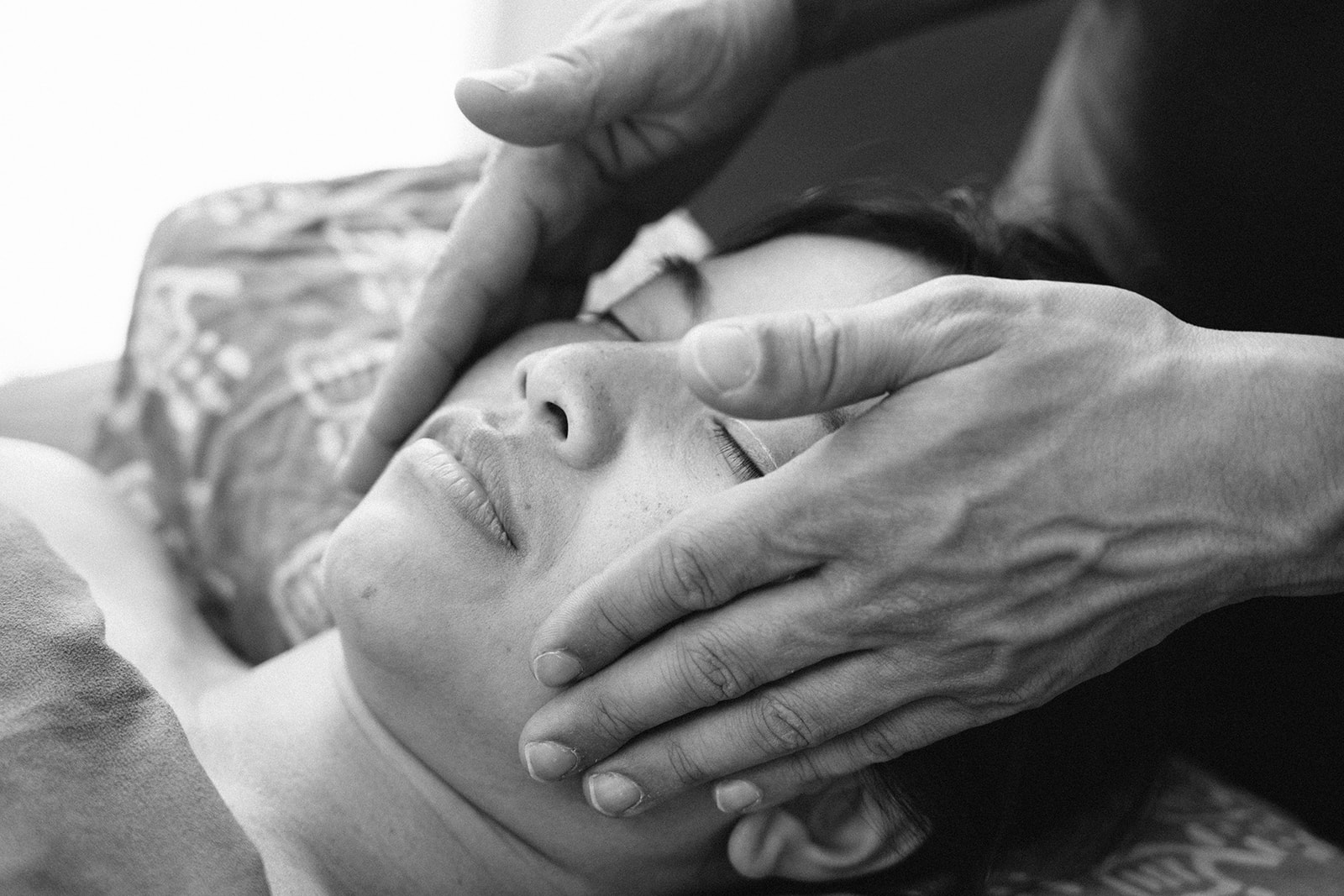
Welcome to Melbourne Massage and Treatment, a Lymphoedema Clinic located in the heart of Coburg. If you’re seeking effective management for lymphoedema, our specialised Clinic, led by experienced therapist Giovanni, is here to help you reclaim your comfort and quality of life. Understanding Lymphoedema Lymphoedema is a chronic degenerative condition characterised by swelling, typically in the arms or legs, but it can also occur in the abdominal, thoracic, or genital areas. A buildup of lymph fluid causes lymphoedema and can arise from various factors, including cancer surgery (mastectomy), radiation treatment, or genetic predisposition. When it is a genetic predisposition, it is categorised as Primary Lymphoedema, and when it develops post-surgery or due to external factors, it is characterised as Secondary Lymphoedema. Managing lymphoedema is crucial to preventing further complications and enhancing overall well-being. Meet Giovanni, Your Lymphoedema Specialist Giovanni is a dedicated myotherapyst trained at the prestigious Vodder Academy, renowned for its comprehensive approach to lymphatic health. With extensive experience in Manual Lymphatic Drainage (MLD) and Combined Destive Therapy (CDT), Giovanni employs proven techniques to reduce swelling, alleviate discomfort, and promote lymphatic flow. Manual Lymphatic Drainage (MLD) MLD is a gentle, non-invasive massage technique designed to stimulate the lymphatic system. Giovanni’s expert hands help to encourage the movement of lymph fluid, reducing swelling and improving circulation. This technique allows the stimulation of your lymphatic system’s parallel channels (anastomosis), which would not be active unless stimulated. This is a crucial step in Lymphoedema management as the lymph fluid would not have anywhere to go due to its damaged structure. Combined Decongestive Therapy (CDT) As Melbourne Massage and Treatment is also a Lymphoedema Clinic, the treatment that you can receive from Giovanni is not going to be focused on MLD only, but once the anastomosis has been activated, Giovanni would apply Combined Decongestive Therapy. This holistic approach focuses on the application of compression bandaging, which maintains the skin’s lymphatic fluid under pressure. Other types of care approaches to be aware of along this presentation are skin care and exercise, providing a comprehensive management plan tailored to each patient’s needs through garment wear. Giovanni will work closely with you to develop a personalised strategy that addresses your specific concerns and lifestyle. Free Initial Consultation Understanding your condition and exploring your treatment options can be overwhelming. To support you, Giovanni offers a 15-minute free phone consultation for lymphoedema patients. This initial conversation provides an opportunity to discuss your symptoms, ask questions, and learn how our clinic can assist you on your journey to better health. Why Choose Us? Expertise: Giovanni’s training at the Vodder Academy ensures you receive care rooted in the latest techniques and knowledge. Personalised Care: We understand that each patient is unique. Giovanni tailors treatment plans to fit your individual needs and lifestyle. Convenient Location: My clinic in Coburg is easily accessible, making it convenient for local patients to receive ongoing care. Supportive Environment: We prioritise creating a welcoming atmosphere where you can feel comfortable discussing your health concerns. Get Started Today! If you’re ready to take the next step in managing your lymphoedema, contact the Melbourne Massage and Treatment Clinic today. Schedule your free initial phone consultation with Giovanni and discover how MLD and CDT can help you achieve a healthier, more comfortable life. Visit our website or call us to learn more about our services and how we can assist you on your path to recovery. Your well-being is our priority, and we look forward to supporting you every step of the way! FAQS – Melbourne Massage and Treatment (Lymphoedema Clinic) 1. What is lymphoedema? Lymphoedema is a chronic condition caused by a buildup of lymph fluid, leading to swelling, usually in the arms or legs. It can also affect the abdomen, chest, or genital area. It may result from cancer treatments (like mastectomy or radiation), surgery, or genetic factors (primary lymphoedema). 2. What are the differences between primary and secondary lymphoedema? Primary Lymphoedema is genetic and occurs due to an inherited malfunction in the lymphatic system. Secondary Lymphoedema develops due to external factors like surgery (e.g., mastectomy), radiation therapy, trauma, or infection. 3. How can lymphoedema be managed? Lymphoedema is a degenerative condition, meaning it worsens over time if untreated. However, proper management through Manual Lymphatic Drainage (MLD), Combined Decongestive Therapy (CDT), compression garments, skin care, and exercise can significantly reduce symptoms and improve quality of life. 4. What is Manual Lymphatic Drainage (MLD)? MLD is a gentle, specialised massage technique that stimulates the lymphatic system to improve lymph flow, reduce swelling, and activate alternative lymphatic pathways (anastomosis) when the main vessels are damaged. 5. What is Combined Decongestive Therapy (CDT)? CDT stands for Combined Decongestive Therapy and is about applying compression to the limb affected by lymphoedema to get the fluid in exceed to keep moving post MLD therapy. 6. Do you offer a free consultation? Yes! I offer lymphoedema patients a free 15-minute phone consultation to discuss symptoms, treatment options, and how I can help. 7. Where is the clinic located? Melbourne Massage and Treatment Lymphoedema clinic is conveniently located in Coburg, Melbourne, making it easily accessible for local patients. 8. Can lymphoedema be cured? While lymphoedema is a chronic condition, proper management can significantly reduce swelling, discomfort, and the risk of complications. Early intervention and consistent therapy are key. 9. Is compression therapy necessary for lymphoedema? Yes, compression garments or bandages are essential in CDT to maintain pressure on tissues, prevent fluid re-accumulation, and support long-term management. 10. Can exercise help with lymphoedema? Yes! Gentle, guided exercises can promote lymphatic drainage and improve mobility. Giovanni can recommend safe exercises tailored to your condition. 11. How often should I get MLD or CDT treatments? The frequency depends on the severity of your condition. Some patients benefit from weekly sessions, while others may need maintenance treatments less often. Giovanni will create a personalised plan for you. 12. Does private health insurance cover lymphoedema treatments? Some private health funds may cover part of the cost under myotherapy […]

Oct
Giovanni, along with his treatment, prioritises holistic health and wellness. He is an experienced practitioner, proud to be associated with the Australia Lymphology Association (ALA), an organization dedicated to advancing the field of lymphology and improving the quality of life for those affected by lymphatic disorders. What is the Australia Lymphology Association (ALA)? The ALA serves as a vital resource for healthcare professionals specializing in lymphology, providing education, research, and support for lymphoedema management. With a focus on best practices and evidence-based approaches, the ALA aims to enhance professional knowledge and skills related to lymphatic health. By fostering collaboration among practitioners, the ALA works to ensure that patients receive the highest standard of care. The Importance of Lymphoedema Management Lymphoedema is a chronic condition that results from the accumulation of lymph fluid, often leading to swelling in the arms or legs. Effective management is crucial for improving patients’ quality of life and preventing complications. The ALA plays a pivotal role in promoting awareness and providing resources for the management of lymphoedema. Through education and advocacy, the ALA helps practitioners stay informed about the latest advancements in treatment techniques and patient care. Giovanni’s Training at the Vodder Academy Giovanni has undergone specialized training in lymphoedema management with the prestigious Vodder Academy, a globally recognized institution known for its evidence-based approaches to lymphatic therapy. The Vodder Academy emphasizes the importance of Manual Lymphatic Drainage (MLD) techniques, which are essential in reducing lymphatic congestion and promoting overall wellness. Giovanni’s training equips him with the skills to assess and treat lymphoedema effectively, ensuring that his clients receive the best possible care. How Giovanni Integrates ALA Principles at Melbourne Massage and Treatment At Melbourne Massage and Treatment, Giovanni is committed to applying the principles and practices endorsed by the ALA. Giovanni uses a comprehensive approach that includes: Personalized Assessments: Every client receives a tailored assessment to understand their unique lymphatic needs. Indeed, you can take advantage of a 15-minute free phone consultation via the booking page, which would allow Giovanni to evaluate if you need any pre-care from your GP or other practitioners. Manual Lymphatic Drainage: Utilizing techniques learned at the Vodder Academy, Giovanni provides effective MLD therapy to alleviate symptoms and promote lymphatic flow. Education and Support: We believe in empowering our clients with knowledge about their condition and self-management strategies, ensuring they feel confident in their care. Conclusion Being associated with the Australia Lymphology Association allows us to stay at the forefront of lymphoedema management. With Giovanni’s specialized training from the Vodder Academy, Melbourne Massage and Treatment in Coburg is dedicated to providing compassionate, effective care for those affected by lymphatic disorders. If you or someone you know is struggling with lymphoedema, don’t hesitate to reach out for a consultation. Together, we can work towards a healthier, more balanced life.