

A deadlift (conventional deadlift) is a popular exercise that aims to strengthen your posterior chain muscle, including the erector spinae muscle, glutes, and hamstring. It is considered a really top list of important exercises to do, and it can be fun and rewarding, but when the weight you move starts increasing, it can lead to severe injuries if you are not using the right technique. Let’s then look into what we need to do to get a good deadlift by starting to analyse from bottom to top how the body should be placed. Centre of mass and biomechanics in deadlift To start with, let’s talk about the biomechanics and the centre of mass for a deadlift. When doing exercises, biomechanics plays a crucial role in safety and optimal exercise execution, and there is no exception for the deadlift. Furthermore, along with all exercises, the lifting and the descending part, the weight has to be in line with the centre of mass. These two components are strictly interconnected to the other one, which means if I don’t use the right biomechanics, I am not going to have the weight aligned with the centre of mass, or if the weight is not aligned with the centre of mass, I am not using my biomechanics at its full potential. So, what’s the centre of mass in the deadlift? The centre of mass in a deadlift is that imaginary line that runs right from the mid-portion of your feet up right in front of your shins, and as you lift the weight up, it passes right in front of your pelvis. That’s where the bar is going to end once you complete the lifting motion. What happens if I don’t keep the bar along the centre of mass? At any stage, during the lifting or the descending motion, if you move the bar further away from the centre of the mass line, there is a great danger of injury. This is because, as the weight travels away from the centre of mass, there is an increase in momentum, which means that your muscles and ligaments that are working hard to move the weight are suddenly placed under a greater load. What are then the proper biomechanics to observe along a deadlift? Ankle and Knee To execute a good deadlift, we want to ensure we have good ankle dorsiflexion, which is not as important as when we squat, but still, we better ensure it is working right. This would allow a straight forward movement of the knee, which would not need to find its way medially or laterally along the initial bending for when we go to grab the bar. Moving up the chain, as we said, the knee have to point straight ahead, following the toes direction. Hip and lower back Next is the hip. This is an important joint, and here is where we need to make sure that we tilt the pelvis forward (bring the teil bone upwards) and as we hinge the hip, we have to have enough movement in there that the greater trochanter (bone landmark that represents the side of the femur’s head) is posterior to the malleolus (the bone landmark that make the side and medial portion of the ankle). Now, if we managed to have tailbone project far back and up, and hip hinged with a slightly bent knee, our back up to cervical area would be alrady quiet flat. Thoracic and head If we keep going upwards, we get to the upper thoracic area, right between the scapula. Here, we want to keep the scapula protracted and have the rhomboids and serratus anterior muscles active and strong so that the arms can hang down straight towards the bar and sit right next to the knee. Regarding the head, use your eyesight to look down at the floor at 45° in front of you and feel the ears pulling away from the shoulder. That would keep your neck nice and long and place the head in the right position. Arms and hands Arms hang down from the shoulder in a straight line, from the AC Joint down to the wrist. The arm has to feel heavy and prolonged, and the hands must sit right next to the shin. Indeed, your arms must stay as wide as your shoulders. That would ensure that your arms are at 90° with the bar, and from a vertical pool point of view, they can take the maximum load ever. Lastly, regarding the hands, there are different grip types that can be used for the deadlift. What is most important is that the wrist is straight following the armline. For exercise purposes, you can have a regular grip where your thumb is gripping around the bar. For heavier weights, you may want to do a mixed grip, where one hand (the dominant one) has the palm facing forward, and the other hand has the palm facing you. In conclusion, the biomechanics of the deadlift, if used correctly, will allow you to always weight in a safe spot, in line with the centre of mass. Your back has to be flat at all times, and along the exercise execution, you want to grasp air in, engage the core to flat out the lower back and then you can lift off. Benefits of Deadlifting Now, let’s look into the benefits of deadlifting. Full-body workout: Deadlifts engage multiple muscle groups—glutes, hamstrings, quads, lower back, core, traps, and forearms—providing a full-body workout in a single movement. Improved strength: Deadlifts are among the best exercises for building overall strength, especially in the posterior chain (back, glutes, and hamstrings). Better posture: Deadlifts can improve posture and reduce the risk of slouching by strengthening your back and core muscles. Core stability: The movement requires significant core activation, helping to enhance core strength and stability. Increased athletic performance: Deadlifts translate well to other athletic movements, as they improve explosiveness, agility, and endurance. Fat loss: The intensity and demand on […]
Tag Archives: melbourne

Blog
Facet Joint Irritation and Muscle Weakness: What You Need To Know
In my experience as a Clinical Myotherapist at Melbourne Massage and Treatment Myotherapy and Lymphoedema [...]
Continue readingOct

Blog
Chronic Pain: What it is, and what can you do about it?
Pain is something that we all experience, and it can start after an injury, during [...]
Continue readingOct
Blog
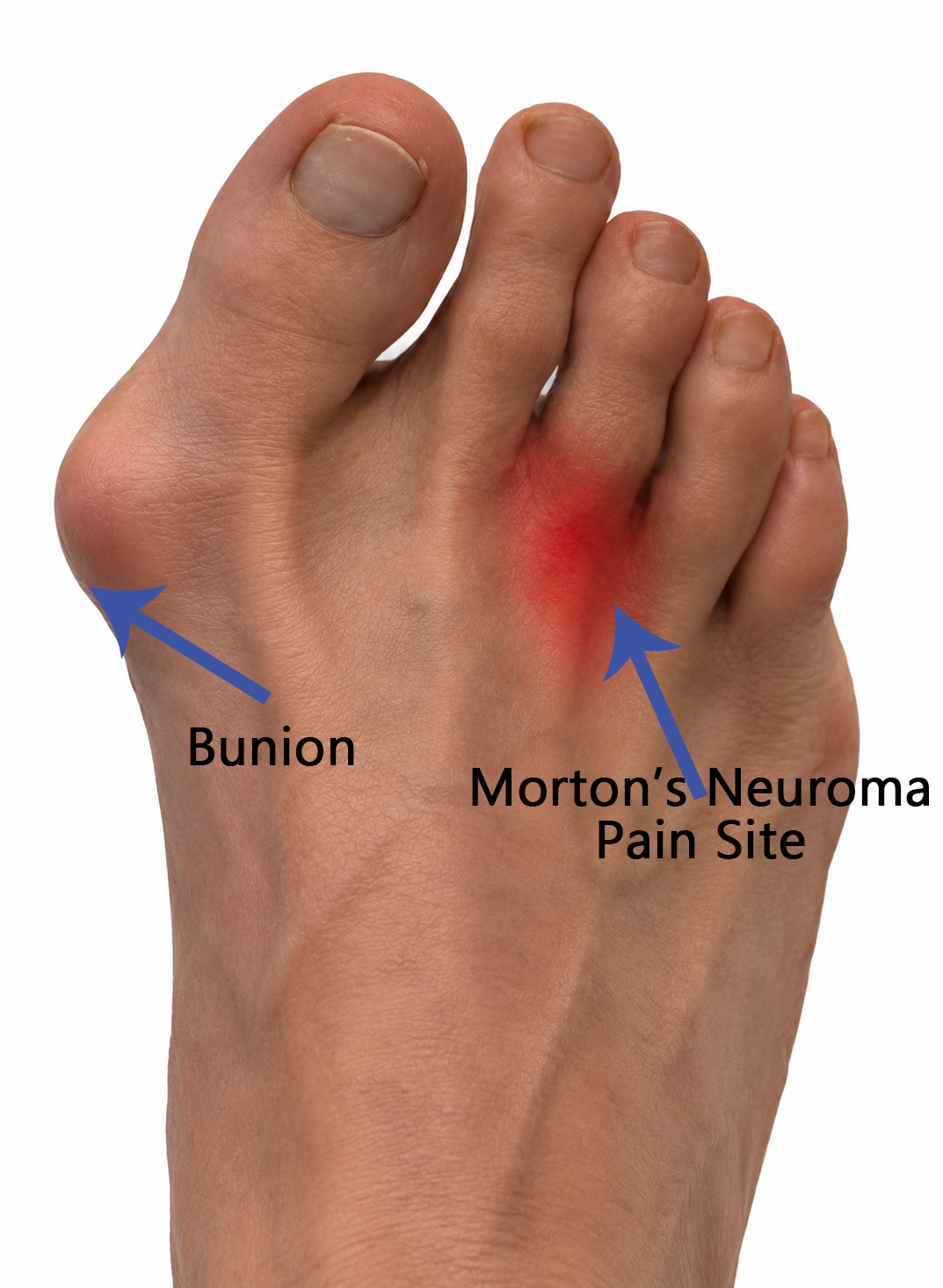
Bunion and Morton’s Neuroma: Can a Bunion Affect Neuroma Recovery?
While a bunion and a Morton’s neuroma are two different foot conditions, if they are [...]
Continue readingSep
Blog
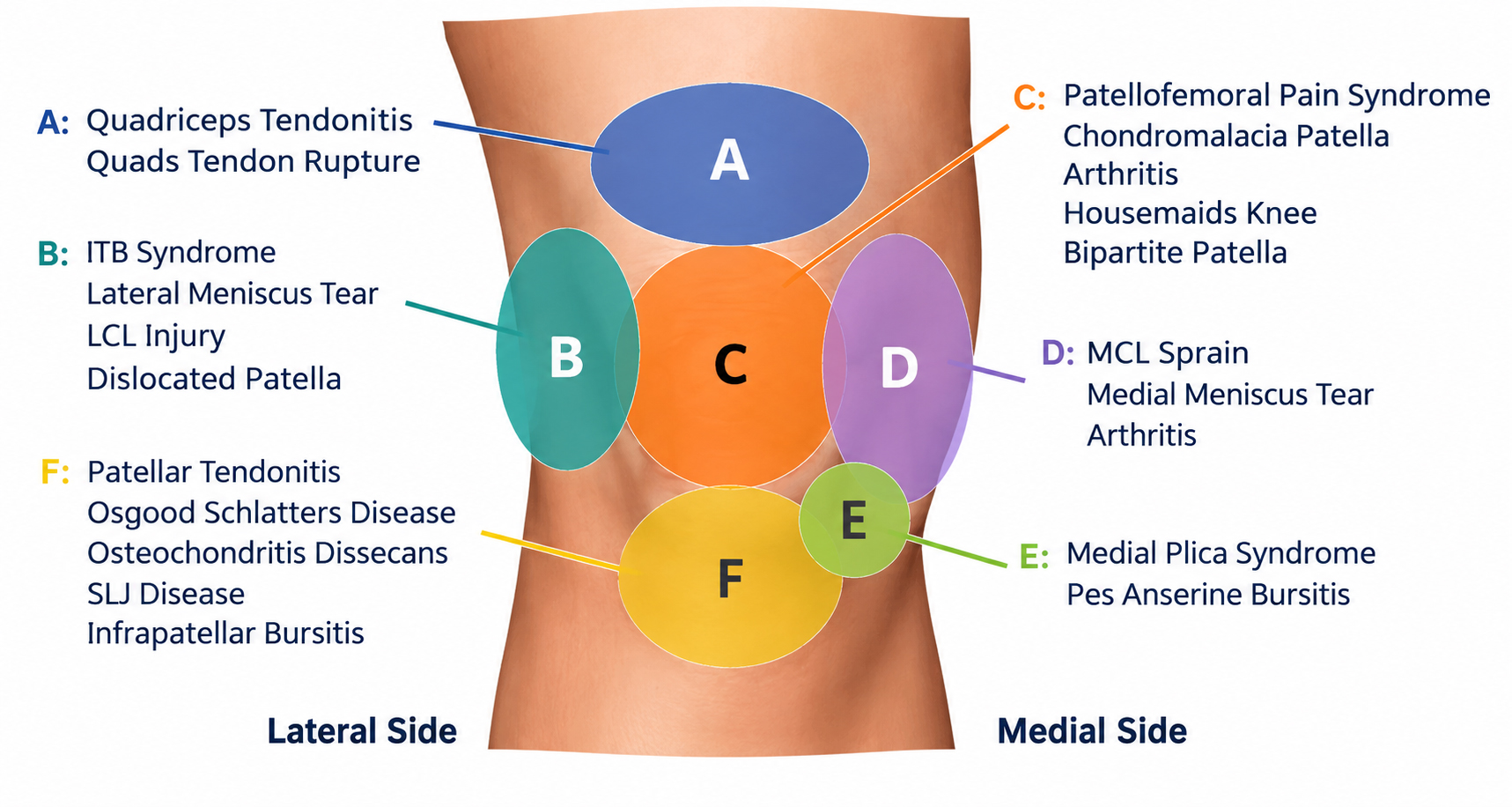
Knee Pain in Coburg
Knee pain is a common form of injury and can affect people of all ages [...]
Continue readingSep

Blog
Post-Surgery MLD Melbourne – Vodder MLD Therapist
Any form of surgery is an invasive procedure for the body to deal with, and [...]
Continue readingSep

Jan
If you or someone you know is struggling with the lingering symptoms of Long Covid, you are not alone. After the initial acute phase of COVID-19, many people continue to experience debilitating symptoms such as fatigue, breathlessness, and brain fog that can last for weeks or even months. These prolonged effects, commonly referred to as Long Covid, have created a pressing need for effective treatment strategies to manage and alleviate the symptoms. One promising approach gaining attention is Manual Lymphatic Drainage (MLD) Massage, a gentle and non-invasive therapy that can support the recovery process for Long Covid patients. At Melbourne Massage and Treatment, Giovanni, a highly trained therapist from the Vodder Academy, is helping clients recover from the lingering effects of COVID-19 using this technique. But how exactly does MLD work, and can it help you overcome the frustrating symptoms of Long Covid? What is Manual Lymphatic Drainage Massage (MLD)? MLD is a specialised massage technique that uses gentle, rhythmic movements to stimulate the lymphatic system—the body’s waste removal and immune system. The lymphatic system is responsible for draining toxins, bacteria, and waste from the body’s tissues. It plays an essential role in inflammation control, immunity, and tissue recovery. MLD can help to enhance the flow of lymph, reduce chronic inflammation, alleviate congestion, and promote overall healing. Trained at the renowned Vodder Academy, Giovanni uses the Dr Vodder method of MLD, a highly effective and evidence-based technique. This form of lymphatic drainage focuses on increasing lymph flow and addressing issues such as fluid retention, swelling, and inflammation, which are common in patients suffering from post-viral syndromes, including Long Covid. Long Covid Symptoms: A Multifaceted Condition Long Covid is a condition where individuals experience lingering symptoms after the acute infection phase has passed. Some of the most common symptoms include: Fatigue: Extreme tiredness that doesn’t improve with rest Breathlessness: Difficulty breathing or catching your breath even after mild exertion Cognitive Dysfunction: Often referred to as “brain fog”, which includes issues with concentration, memory, and clarity of thought Muscle and Joint Pain: Persistent aches and pains that can make everyday tasks difficult Sleep Disturbances: Trouble falling or staying asleep due to physical discomfort or anxiety While medical management of Long Covid usually focuses on symptom control, the current lack of effective pharmaceutical treatments leaves many patients seeking alternative therapies. That’s where Manual Lymphatic Drainage can make a significant difference. How MLD Helps with Long Covid Symptoms A recent study, Manual Lymph Drainage for Post-COVID-19 Related Cough, Breathlessness, and Fatigue, explored the use of MLD as a treatment for individuals suffering from persistent Long COVID symptoms. This study found that MLD helped reduce symptoms like fatigue, breathlessness, and chronic cough, with improvements starting as early as the third treatment. Patients reported increased energy levels, better sleep, and enhanced functional capacity after just a few sessions. Giovanni’s expertise with MLD can be crucial in addressing the inflammation, poor lymphatic drainage, and respiratory issues often associated with Long Covid. Key Benefits of MLD for Long Covid Symptoms Recovery: Reduces Inflammation One of the key factors contributing to Long Covid symptoms is chronic inflammation. MLD helps to reduce systemic inflammation by promoting the drainage of inflammatory waste and toxins, which can alleviate discomfort and promote healing. Improves Breathing Function Many Long Covid sufferers experience breathlessness, a symptom that can greatly affect quality of life. MLD targets the lymphatic pathways in the chest and lungs, which can help reduce inflammation in the respiratory system, clear mucus, and improve lung function. The technique also includes special “bronchitis” maneuvers that help open up the lungs and reduce coughing. Boosts Energy Levels Fatigue is one of the most disabling Long COVID symptoms. By supporting lymphatic flow and reducing congestion, MLD can improve circulation and oxygen delivery to the body’s tissues, helping to restore energy levels and combat the persistent tiredness that plagues many Long Covid sufferers. Supports Immune System Recovery Long Covid symptoms often result from an immune response gone awry. MLD can help recalibrate immune function, promote lymphatic circulation, and enhance the body’s natural ability to heal itself. Enhances Mental Clarity Brain fog and cognitive dysfunction are common complaints among people with Long Covid. By reducing inflammation and promoting better circulation, MLD may help improve mental clarity and cognitive function, allowing patients to regain focus and reduce feelings of confusion or mental fatigue. Improves Sleep Quality Many Long Covid sufferers report difficulties with sleep. By reducing pain and inflammation, MLD helps induce a relaxation response in the body, which can promote deeper, more restful sleep. Giovanni’s Approach: Tailored MLD Treatment for Long Covid Symptoms Giovanni, a skilled therapist with extensive training in the Vodder Academy’s MLD method, offers personalised treatments for those struggling with Long Covid. Each session is tailored to the individual’s specific symptoms, addressing areas such as: Chest and Lungs: To reduce inflammation and congestion Neck and Shoulders: To alleviate stiffness and promote relaxation Facial Area: For sinus congestion or post-viral inflammation Whole Body: To improve general circulation, reduce swelling, and stimulate the lymphatic system. When working with this type of presentation, it is also valid to consider a shorter initial session to ensure that MLD does not spike up your symptoms. If you are not sure what works best for you, just ask Giovanni. Giovanni’s gentle, compassionate approach helps create a safe space for clients to heal. Many clients report feeling noticeably better after just a few sessions, with improvements in breathing, energy, and mental clarity. Read here about the Melbourne Massage and Treatment testimonials. Real-World Results: Case Studies In a study of two Long Covid patients undergoing MLD treatment, both reported substantial improvements in their symptoms. After just a few sessions, they experienced reductions in breathlessness, fatigue, and overall discomfort. By the time of their follow-up treatment, both patients reported feeling the best they had since before contracting COVID-19, with increased energy, improved sleep, and less reliance on medication. Why Choose MLD for Long Covid Recovery? Non-invasive and Drug-free: MLD offers a natural, non-pharmaceutical […]
Dec
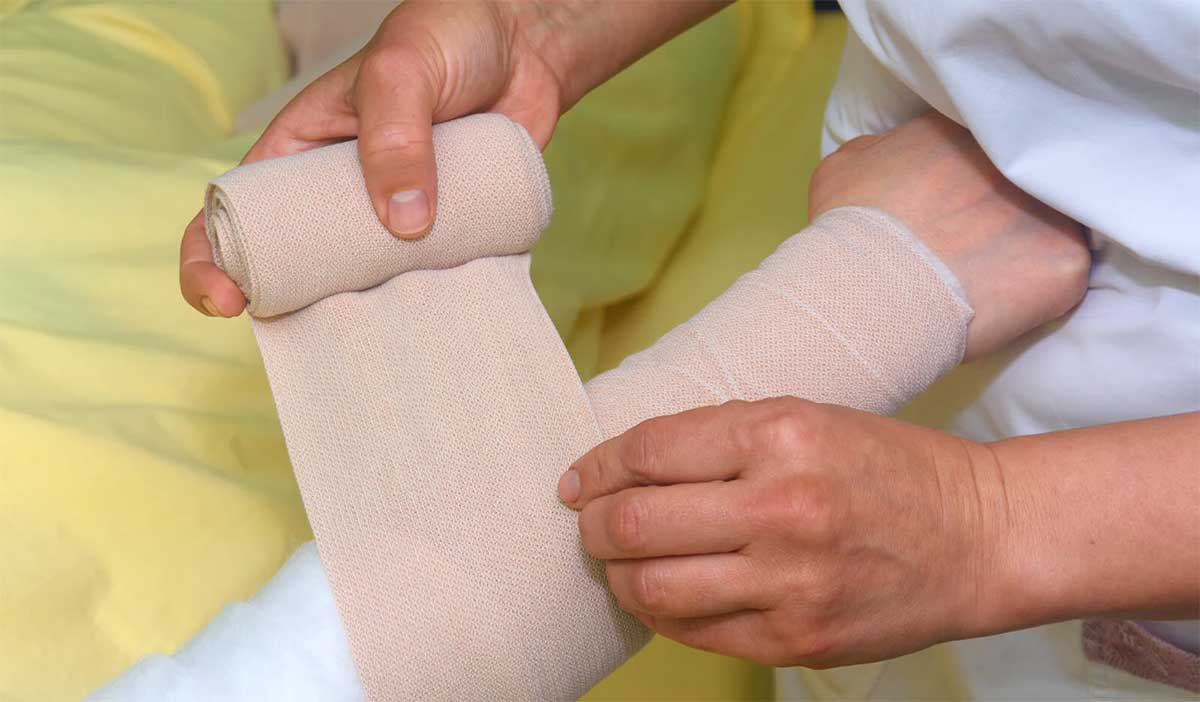
Hello, and welcome! I’m Giovanni, and today I want to share some insight into the available treatment options for lymphoedema. If you or someone you know is dealing with this condition, I understand how overwhelming it can feel to navigate the many different approaches to treatment. As someone specialising in lymphoedema management through Manual Lymphatic Drainage (MLD) and Complex Decongestive Therapy (CDT), I aim to provide a holistic approach to managing and reducing the symptoms of lymphoedema. I’ve studied with the Vodder Academy and am a Clinical Myotherapist, so my work is built on solid, evidence-based practices. But I also believe that looking at all available treatment options for lymphoedema —medical, surgical, and holistic—is key to finding a management strategy that works for you. What is Lymphoedema? Before we dive into treatment options, let me quickly touch on what lymphoedema is. Lymphoedema is a condition that causes fluid retention and swelling, usually in the arms or legs, as a result of damage or blockage to the lymphatic system. This can occur after surgery, radiation treatment, or due to inherited conditions. While lymphoedema may be chronic, the good news is that with the proper treatment, symptoms can often be managed or reduced significantly. Medical Treatment Options for Lymphoedema Medical treatments for lymphoedema typically focus on managing the fluid buildup and improving lymphatic drainage. Here’s a quick overview of what you might expect in a clinical setting: Compression Therapy Compression garments are often a cornerstone of lymphoedema management. They help reduce swelling by applying controlled pressure, which encourages the flow of lymph fluid. These garments come in different forms, including: Stocking Sleeves Bandages They can be custom-fitted to provide maximum comfort and effectiveness. Compression stockings are recommended to be purchased from brands that offer made-to-measure fittings, like JUZO, HADDENAM or others. I support my client throughout the garment-fitting process through the SWEP program that subsidises the garment. Once the garments are approved, I send the measurements to the above company, and you will receive your garments at home. The benefit of this approach is that you will have a compression that is ideal for your limb, with no greater risk of fluid congestion and other side effects, and most, if not all, is anyway supported by SWEP. Pharmaceuticals and Diuretics In some cases, medications may be prescribed to address symptoms like inflammation or to reduce fluid retention. However, it’s important to note that diuretics are generally not a primary treatment for lymphoedema, as they don’t directly address the underlying lymphatic issue. Other medications that are prescribed for Lymphoedema are creams to maintain skin moisturised in order to reduce the chance of cracking and skin damage. Manual Lymphatic Drainage (MLD) I specialise in MLD, a gentle, hands-on technique that stimulates the anastomosis of the lymphatic system and encourages the movement of excess fluid from swollen areas. MLD can be incredibly effective in reducing swelling and relieving discomfort. It works by stretching and letting the skin recoil under some really gentle pressure. This way, the lymphatic system is stimulated to work harder, and takes up the fluid to healthier parts of the body where it can be processed more efficiently. Combine Decongestive Therapy (CDT) It is part of the treatment I offer for Lymphoedema patients here at Melbourne Massage and Treatment. It consists of bandages used to compress the affected area. The compression is applied after MLD has been delivered, and it is applied to maintain fluid movement throughout the anastomosis, which is the alternative connection of the lymphatic system through which the liquid moves after the MLD stimulation. The bandages are applied and are recommended to stay on for about 24 hours. After this time, once you remove them, you will wash them, roll them and come back for another treatment. A back-to-back treatment would ensure that the swelling of the lymphoedema can be managed and reduced as quickly as possible. Laser therapy Laser therapy is a non-invasive treatment that can be used in a clinical setting to treat specific lymphoedema presentations. Indeed, Laser therapy is used when the patient already presents with fibrosis, the hardening of the skin. Low-frequency lasers are the ones used most often, and we know there are also portable pen lasers that are efficient enough for this therapy. Pneumatic compression therapy: This therapy consists of using a sleeve pump machine that gets placed over the affected area and inflates sequentially to apply pressure. The rhythmic compression helps stimulate lymphatic flow, reduces swelling, and improves circulation by encouraging the movement of excess fluid toward lymphatic drainage sites. All those therapies are recommended in combination. To start with, for the best results and quick reduction, MLD and CDT would be more effective. Surgical Treatment Options for Lymphoedema While surgery is generally considered a last resort for lymphoedema, there are certain cases where it may be necessary or beneficial: Liposuction for Lymphoedema This technique is sometimes used to remove excess fat tissue that has accumulated as a result of chronic lymphoedema. It’s not a cure, but it can help reduce the volume of swelling and improve the appearance of the affected area. Lymphovenous Anastomosis (LVA)/Bypass It involves connecting the lymphatic vessels and nearby veins, allowing excess lymph fluid to drain into the bloodstream instead of accumulating in tissues. Vascularized lymph node transfer (VLNT) a surgical technique used to treat lymphoedema by transplanting healthy lymph nodes along with their blood supply to the affected area. The transplanted lymph nodes, typically harvested from the patient’s groin or other regions, are reconnected to the recipient’s blood vessels. Lymph Node Transplantation In some specialised cases, surgeons may transplant healthy lymph nodes from one part of the body to another to help restore lymphatic drainage. This option is more complex and is usually reserved for severe, treatment-resistant lymphoedema. Surgery, of course, comes with risks and recovery time, so it is typically considered only after all other treatments have been explored. Lymphoedema Holistic Treatments: Taking a Whole-Body Approach While medical and surgical treatment options for lymphoedema can […]
Lymphoedema is a condition often associated with cancer survivors, particularly those who have undergone surgery or radiation therapy, but it can also occur due to other chronic conditions or injuries. Characterized by the swelling of limbs due to the accumulation of lymphatic fluid, lymphoedema can significantly impact a person’s mobility, emotional well-being, and overall quality of life. Early diagnosis of lymphedema and management are key to preventing long-term complications, and at Melbourne Massage and Treatment in Coburg, Giovanni, a skilled Myotherapist and Lymphoedema therapist, specializes in identifying and managing this condition using a combination of manual techniques and physical assessments. In this blog, we’ll explore how lymphoedema is diagnosed, the challenges of identifying it early, and Giovanni’s approaches to detecting and managing the condition. What is Lymphoedema? Lymphoedema occurs when there is a disruption in the lymphatic system, leading to the accumulation of lymph fluid, a protein-rich fluid that sits beneath the skin and between the body’s tissue, which often causes swelling in the limbs or other areas of the body. This condition can develop due to a variety of factors, such as lymph node removal during surgery, radiation treatments, injury, or genetic predisposition. Early detection of lymphoedema is crucial to prevent the condition from worsening and causing complications like tissue fibrosis, infections, or reduced mobility. Challenges in the Diagnosis of Lymphoedema Lymphoedema can be difficult to diagnose, especially in its early stages. In its initial phase, symptoms such as heaviness, tightness, or mild swelling may seem subtle and easy to overlook. Patients might attribute these sensations to muscle strain or arthritis, delaying the diagnosis. Furthermore, swelling can fluctuate, making it even harder to identify at the outset. By the time noticeable swelling occurs, the condition may have already advanced, complicating treatment and requiring more intensive management. This is why early detection is so important, as it allows for less invasive treatments and better long-term outcomes. Giovanni’s Approach to Diagnosis of Lymphoedema As a Myotherapist and Lymphoedema therapist at Melbourne Massage and Treatment Lymphoedema Clinic, Giovanni uses manual techniques and physical assessments to diagnose lymphoedema. Although he does not use imaging technology or machines to detect the condition, Giovanni’s training and experience enable him to identify the signs and symptoms through careful observation, palpation, and physical examination. That said, if it is needed, Giovanni can write a referral doctor for your GP to indicate why he believes it is important for you to undertake a specific scan or some medical test. 1. History taking The earlier approach to Lymphoedema diagnosis is an extended look at the medical history, where any past surgery, injury, accident or medications need to be outlined and taken into consideration. 2. Clinical Assessment Following the history taken to diagnose lymphoedema is the clinical assessment. Giovanni conducts a thorough physical examination of the affected limb or area, paying close attention to key signs of lymphoedema, such as: Persistent swelling that doesn’t subside with rest Feeling of heaviness or tightness in the limb Changes in skin texture, such as hardening or thickening Reduced range of motion in the affected area Along with your booking confirmation, you would also receive a form to fill in online, which would start paving the road to your diagnosis. 3. Tape Measurement Method One of the simplest, yet effective, ways Giovanni diagnoses lymphoedema is by using tape measurements. This involves measuring the circumference of the affected limb at various points (e.g., wrist, forearm, upper arm) and comparing these measurements to the unaffected side. Over time, consistent and progressive changes in limb circumference can indicate the development of lymphoedema. While this method is cost-effective and easy to perform, it may not detect early, subtle changes in limb volume. However, when paired with other assessments, it offers valuable information about the progression of the condition. 4. The Pitting Test Giovanni often performs the pitting test, a hands-on method to assess fluid accumulation in the affected area. This simple test involves pressing down on the swollen area with his fingers. If an indentation (or “pit”) remains for several seconds after the pressure is released, it indicates the presence of excess fluid in the tissue, which is a hallmark of lymphoedema. The pitting test helps Giovanni evaluate the severity of fluid retention, but it is more subjective than advanced diagnostic tools. 5. Stemmer’s Sign – Tissue assessment Giovanni also uses palpation (manual examination through touch) to assess the affected area’s tissue texture and consistency. In the early stages of lymphoedema, the tissue may feel soft and puffy, but as the condition progresses, it can become firmer, and in some cases, the skin may develop a thicker, fibrous texture. These changes are essential indicators of lymphoedema and are crucial for determining the stage of the condition. In addition to this, the Stemmer’s Sign is a test that consists of picking what we would expect to be wrinkled skin, like the one just before the toe/tarsal joint. A positive test would result in the impossibility of pinching any skin due to the swelling in the area. 6. Lymphoscintigraphy A lymphoscintigraphy is a scan that is part of nuclear medicine tests, and it is specifically used to detect any interruption within the lymphatic system. The test is done in the specific clinic, and no recovery is needed for it. The procedure consists of injecting a radioactive liquid either in the feet or hands and with a specific camera, detecting the movement of the liquid within the body. We would expect the liquid to move within a certain timing and pathway along the lymphatic system. If that doesn’t happen, this test can give a good understanding if anything is not functioning with the lymphatic system. Why is Early Detection Crucial? The earlier lymphoedema is detected, the easier it is to manage. Early-stage lymphoedema is often easier to treat with less invasive interventions, such as manual lymphatic drainage (MLD), compression therapy (CDT), specific exercises, and skin care. These treatments can help reduce swelling, prevent the condition from worsening, and improve the […]

Nov
At Melbourne Massage and Treatment, we understand that mental health is just as vital as physical health, which is why we offer tailored remedial massage therapies designed to not only alleviate physical discomfort but also enhance mental well-being. This holistic approach helps harmonise body and mind, creating a pathway to a more balanced lifestyle. Key Takeaways: Stress Alleviation: Remedial massage significantly lowers stress levels, promoting a calmer state of mind. Improved Sleep: Regular sessions can enhance sleep quality, directly impacting mental alertness and mood. Emotional Balance: The therapeutic touch of massage can help release emotional blockages, leading to improved mental health. Impact of Remedial Massage on Mental Health and Well-being The relationship between remedial massage and mental health is profound. By focusing on the body’s muscular and nervous systems, remedial massage can trigger positive changes in mood, stress levels, and emotional health. It achieves this through various mechanisms: Stress Reduction: Massage therapy is renowned for its ability to lower cortisol levels (the stress hormone) and increase serotonin and dopamine levels, which are associated with happiness and well-being. Enhanced Sleep Quality: By promoting relaxation and easing muscle tension, remedial massage can improve sleep patterns, which is crucial for mental health. Boost in Circulation: Improved blood flow ensures that more oxygen and nutrients are delivered to various parts of the body, including the brain, which can enhance cognitive function and mood. Understanding Stress and Muscle Connection One of the primary ways stress impacts the body is by causing muscle tension. This tension can become chronic, leading to pain, reduced mobility, and even a cycle of increased stress. Remedial massage breaks this cycle by targeting areas of tension, improving blood flow, and encouraging the muscles to relax. This release not only benefits physical health but also signals to the brain that it’s safe to unwind, creating a mental domino effect of calm and relief. Who Can Benefit the Most from Remedial Massage? While remedial massage is beneficial for nearly everyone, certain groups may find it particularly helpful for mental health: Professionals with High-Stress Jobs: Those in demanding careers often carry stress in their shoulders, neck, and back. Regular massage can alleviate this tension and prevent burnout. Students and Academics: Intense focus and long study hours can lead to physical and mental fatigue, which massage therapy can help combat. Parents and Caregivers: The responsibilities of caregiving can be both physically and emotionally taxing. Massage offers a restorative break and self-care opportunity. Athletes: Beyond physical recovery, athletes can benefit from the mental clarity and focus that massage provides. The Role of Professional Expertise The effectiveness of remedial massage relies heavily on the expertise of the therapist. A well-trained practitioner can tailor techniques to address both physical and emotional needs, ensuring a holistic experience. For example: Trigger Point Therapy: Targets specific areas of tension to release deep-seated stress. Myofascial Release: Focuses on the connective tissue surrounding muscles, helping to alleviate both physical and emotional restrictions. Relaxation Techniques: Combines gentle strokes with rhythmic movements to promote overall well-being. Creating a Sense of Safety and Comfort One often overlooked aspect of remedial massage is its ability to foster a sense of safety and comfort. The nurturing environment provided by skilled therapists allows clients to let go of their mental guards, fostering a state of deep relaxation. The physical touch involved in massage, when done professionally and respectfully, can also stimulate oxytocin, often referred to as the “bonding hormone.” This hormone promotes feelings of trust, connection, and emotional stability, all of which are crucial for mental well-being. Regulating the Body’s Nervous System The human body operates on a delicate balance between the sympathetic and parasympathetic nervous systems. When stress levels rise, the sympathetic system takes over, preparing the body for fight or flight. This prolonged activation can lead to mental health issues such as anxiety and burnout. Remedial massage counteracts this by activating the parasympathetic system, which promotes rest, digestion, and recovery. This physiological shift can calm the mind, lower heart rate, and encourage a sense of inner peace. Supporting Trauma Recovery For individuals recovering from trauma, remedial massage offers a unique and non-invasive method of care. Trauma often manifests physically, with tension and discomfort being common symptoms. Massage helps release these physical manifestations, providing relief while also creating an opportunity for emotional healing. Working with a trauma-informed therapist ensures that the massage is adapted to the client’s needs, offering a safe and empowering experience. Enhancing Emotional Awareness Many clients find that remedial massage helps them become more attuned to their emotions. As physical tension melts away, it’s not uncommon for individuals to gain clarity about their feelings or life situations. This enhanced emotional awareness can help in identifying stressors or triggers, paving the way for more effective mental health management strategies. The process of connecting with one’s body through massage can also encourage mindfulness, a practice known to improve mental health outcomes. Creating a Holistic Approach to Health Remedial massage is often most effective when combined with other health and wellness strategies. Clients can integrate massage therapy with: Regular exercise for physical and mental fitness. Mindfulness practices such as yoga or meditation. Professional counselling or therapy sessions for deeper emotional healing. Reducing the Impact of Chronic Stress Chronic stress is a silent yet significant contributor to mental health challenges. Left unmanaged, it can lead to a range of physical and emotional issues, including insomnia, anxiety, and even depression. Remedial massage addresses the physical manifestations of stress—tight muscles, lack of mobility, and tension headaches—while simultaneously calming the nervous system. This dual-action approach makes it an effective tool for managing long-term stress. By releasing tension stored in the muscles, remedial massage provides immediate relief and fosters a sense of mental clarity. Over time, regular sessions can help reset the body’s stress response, making it easier to cope with everyday pressures. Enhancing Connection Between Mind and Body Modern lifestyles often create a disconnect between the mind and body. Many people find themselves operating on autopilot, unaware of the tension or […]

Nov
Lymphoedema is a chronic condition that occurs when there is a blockage or damage to the lymphatic system, causing the build-up of lymph fluid in the tissues, leading to swelling, discomfort, and other complications. At Melbourne Massage and Treatment in Coburg, Giovanni’s Lymphoedema clinic specializes in managing lymphoedema with a tailored approach, offering relief and improving the quality of life for those with this condition. Understanding the causes of lymphoedema is vital for effective prevention and management. Let’s explore the main causes of lymphoedema and how they impact your health. Primary Lymphoedema: Genetic and Congenital Factors Primary lymphoedema occurs when the lymphatic system does not develop properly from birth. This type of lymphoedema is often inherited and can develop during childhood, adolescence, or even adulthood. In some cases, the lymphatic vessels may be too few or poorly formed, while in others, they may become dysfunctional over time. There are several types of primary lymphoedema, with the most common being congenital lymphoedema, which presents at birth or in early childhood. Another type is known as lymphedema praecox, which usually develops during puberty, and lymphedema tarda, which can appear in adulthood. A major characteristic of primary lymphoedema is that the swelling start distally in the body, which means it start in the furthest point away, like feet or hands, and it move proximal to the centre of the body. Secondary Lymphoedema: Damage to the Lymphatic System Secondary lymphoedema is the most common form of the condition and is a result of a damaged lymphatic system. This can happen for a series of incidents. Here below is a list of mechanism of action that can result in a damage or disruption to the lymphatic system. Trauma and tissue damage burns varicose vein surgery large wounds scarring Venous disease chronic venous insufficiency venous ulceration post-thrombotic syndrome intravenous drug use Infection cellulitis/ erysipelas lymphadenitis tuberculosis filariasis Inflammation rheumatoid arthritis dermatitis psoriasis sarcoidosis dermatosis with epidermal involvement Endocrine disease pretibial myxoedema Immobility and dependency dependency oedema paralysis Factitious self-harm Other obesity medication Source: Lymphoedema Framework 2006 And more specifically and often: Cancer Treatment (Surgery, Radiation, and Chemotherapy) One of the leading causes of secondary lymphoedema is cancer treatment. Lymph nodes may be surgically removed or damaged during radiation therapy, impairing the body’s ability to drain lymph fluid properly. This is especially common in breast cancer, prostate cancer, and melanoma patients. Unfortunately, cancer and lymph node removal don’t work the same for everyone, and in order to prevent the lymphoedema from degenerating, it is better to keep an eye on the development of any swelling or other symptoms. Managing Lymphoedema at Melbourne Massage and Treatment At Melbourne Massage and Treatment in Coburg, we understand that the causes of lymphoedema can vary greatly from patient to patient. Whether your condition is primary or secondary, managing lymphoedema requires a comprehensive, personalized approach. Our skilled therapist, Giovanni, offers targeted manual lymphatic drainage massage and combined decongestive therapy as effective treatments to reduce swelling, alleviate discomfort, and improve overall function. By tailoring each treatment plan to address the unique causes of your lymphoedema, Giovanni ensures you receive the most appropriate care for your situation. If you’re experiencing swelling or discomfort due to lymphoedema, don’t hesitate to schedule a free 15-minute consultation with Giovanni to learn how our treatments can help you manage this condition effectively. FAQs About Lymphoedema Q: What are the common symptoms of lymphoedema? A: The most common symptoms of lymphoedema include swelling, a feeling of heaviness or tightness in the affected limb, limited range of motion, and discomfort or pain. Skin changes, such as thickening or hardening, may also occur over time. Q: Can lymphoedema be cured? A: Unfortunately, there is no cure for lymphoedema. However, it can be effectively managed with the right treatments, such as lymphatic drainage massage, compression garments, and lifestyle changes. These treatments help reduce swelling and improve the quality of life for those affected. Q: How can I prevent lymphoedema? A: While primary lymphoedema may not be preventable, secondary lymphoedema can be reduced by maintaining a healthy weight, avoiding infections, and following the advice of your healthcare team after cancer treatment or surgery. Early detection and management are key to preventing progression. Q: Can lymphoedema develop after surgery? A: Yes, lymphoedema can develop after surgery, especially if lymph nodes are removed or damaged during the procedure. It is essential to follow post-operative care instructions and monitor for any signs of swelling to address potential lymphoedema early. Q: Is lymphoedema painful? A: Lymphoedema can be painful, particularly when the swelling becomes severe or if the condition leads to infections. The discomfort can vary from mild to more intense, depending on the degree of swelling and any associated complications. Q: How is lymphoedema diagnosed? A: Lymphoedema is typically diagnosed based on physical examination, medical history, and symptoms. In some cases, imaging tests such as ultrasound, MRI, or lymphoscintigraphy may be used to assess the lymphatic system and determine the extent of the condition. Q: What treatments are available for lymphoedema? A: Treatments for lymphoedema include manual lymphatic drainage massage, compression therapy, exercise, skin care, and, in some cases, surgical interventions. A personalized treatment plan tailored to your specific condition can help manage swelling and improve lymphatic function. Q: Can I still lead an active life with lymphoedema? A: Yes, with proper management, people with lymphoedema can lead an active life. Regular exercise, such as walking or swimming, combined with treatments like lymphatic drainage, can help reduce swelling and improve mobility. Be sure to follow your therapist’s advice to maintain a balanced approach to physical activity. If you are experiencing lymphoedema symptoms or want to learn more about how we can help, book an appointment with Giovanni at Melbourne Massage and Treatment in Coburg. We are dedicated to providing effective care to help you live your best life.

Nov
A meniscus is a cushion type of structure that sits between the femur head and the tibia, on the medial side of the knee and the femur and the fibula on the lateral side of the knee. Its role is to protect any friction between the femur head and the other bonds. In sports activities where there is a lot of stop-and-go or stop-and-twist type of motion, such as basketball or netball, the meniscus is put under intense stress, and the chance of injuries can increase. Meniscus tear classification? A meniscus tear is a type of injury that can be classified based on its severity and size. There are different types of classifications, but the most used and accepted is Laprade’s classification (LaPrade et al., 2014). Laprade classification of Meniscus root tears (MRTs) is based on the morphology during arthroscopic assessment. The classification includes five distinct lesions: Type 1 tears represent partial root tears that are stable (7% of all meniscus root tears). Type 2 tears represent complete radial tears within 9 mm of the root attachment centre (67.6%). This type of tear is then subdivided in three other sub-group based on the distance of the tear from the center of the root attachment (2A 0–3 mm, 2B 3–6 mm and 2C 6–9 mm). Type 3 tear was defined as bucket-handle tear with complete root detachment (5.6%). Type 4 tears are complex oblique tears with complete root detachment (10%) and bony avulsion of the root attachment (9.9%). Meniscus tear symptoms In order to diagnose a meniscus tear, the gold standard method is an MRI scan. That said, nowadays, the only time you would get an MRI scan to your knee for a meniscus injury, is for surgery purposes, as we now know, that live with a meniscus tear is possible, as long as the muscle that across the knee joint are well looked after. That said, in the early stage, the symptoms of meniscus tear can include: Joint swelling Tenderness in the knee on the medial or lateral portion of the knee A feeling of catch in the knee as is moving Limited range of motion A feeling of the knee not able to hold the weight. Localised pain To alleviate the discomfort, the aid of a crutch, especially in the early stage, is recommended, and as per all acute phase injuries, the first few days, rest and movement with pain-free range of motion are extremely important. In addition to this, heat can be applied for intervals of 15 minutes once or twice a day. How do we rehabilitate a meniscus tear? As with all injuries, there is not one rehabilitation process that works for everyone, but there are guidelines that can be used to lead a recovery process. Let’s start with the acute phase (first phase), which is the first 72 hours. In this time frame, we would avoid putting direct weight on the affected side and, where possible, do simple knee flex/ext pain-free movements. Placing a pillow under the knee could help avoid locking the knee, which may not feel comfortable. Second phase: In this phase, which would be somewhere after the initial 72 hours, if it feels comfortable, we can start placing some gentle weight on the knee, even though using a crutch can still be acceptable, especially in the early stage of this phase. The second phase can last up to 5 or 6 weeks. An active range of motion, where the knee flexion is always greater, and the knee extension is getting closer to full extension, would keep increasing daily. In this phase, we can introduce Isometric exercises for knee flexion and extension. Those types of exercises can be done with a bench curl machine or an elastic band or ankle weight. What is most important is to start with lightweight or resistance, hold the weight for 40 seconds, and release for 40 seconds. The time frame can be adapted to the patient’s comfort. Halfway through this phase, we can start to introduce eccentric and concentric loads with weights and potential assisted sit and stands type of movement, with a chair that is higher than average and something in front of the patient where they can hold on to (like the back of another chair). As the patients’ confidence and muscles start responding more and more to these exercises, we can move to the third phase, and here we are in week 7 or 8. The chair for sitting and standing is now at average height; we may not need anterior assistance anymore. It is now essential to ensure the patient is walking and confident about placing weight on the affected side. Single-leg squats can be initiated, maybe even with the aid of a stick initially, and day by day without. The load on the anterior and posterior chain muscles of the thigh is increased, and as we move forward from week 10 to week 12, plyometric exercises can be introduced. Along those exercises, we look into explosive lunge, squatting, skipping the rope and running. A great test would be the hopping test, which consists of single-leg hopping, side to side. One minute of oping should not reproduce any pain. All these progressions are approximations of a natural healing process, and based on the individual presentation, this protocol can be modified and enriched as needed. Meniscus tear and surgery. In their meta-analysis of 6 randomised control trials, Meng et al., 2024, concluded that data favor exercise therapy over surgery as a first intervention for meniscus tears. These conclusions come from the fact that the pain reduction, estimated with the knee Knee Injury and Osteoarthritis Outcome Score (KOOS), does not show any difference between the arthroscopic partial meniscectomy (APM) and exercise therapy. That said, it doesn’t mean that surgery is never an option. What Meng et al., 2024 prove is that before heading for an invasive procedure, it is worth it to look into exercise therapy on its own. If the conservative method does […]

Nov
Headaches and migraines are common conditions that affect millions of people around the world. From mild tension headaches to debilitating migraines, these conditions can significantly impact daily life, causing discomfort, irritability, and even severe disruption to work and personal activities. While there are various treatments available, one that has gained increasing popularity for managing headaches is remedial massage. This therapeutic technique focuses on specific areas of the body to alleviate pain and address the underlying causes of headache symptoms. At Melbourne Massage and Treatment, we understand that headaches can disrupt your day and decrease your quality of life. That’s why we offer targeted remedial massage techniques designed to alleviate headache symptoms and restore your well-being. Headaches, whether occasional or chronic, can be a major impediment to daily activities. Key Takeaways: Targeted Relief: Remedial massage directly addresses the muscle tension that often contributes to headaches. Stress Reduction: Regular sessions help reduce overall stress levels, which can trigger headaches. Improved Circulation: Enhancing blood flow can alleviate the tightness and pain associated with headaches. What is Remedial Massage? Remedial massage technique is a hands-on therapeutic technique that targets specific muscle groups and soft tissues in the body to treat musculoskeletal issues. The goal is to alleviate pain, improve mobility, and promote overall health and well-being. Unlike general relaxation massages, remedial massage uses a variety of techniques, such as deep tissue manipulation, trigger point therapy, and myofascial release, to address underlying conditions that contribute to pain and discomfort. When it comes to headaches and migraines, remedial massage can be particularly effective. This is because many headaches are caused or exacerbated by muscle tension, poor mobility, and stress. By targeting the muscles of the neck, shoulders, and upper back, remedial massage can provide significant relief from these common headache triggers. How Remedial Massage Helps Alleviate Tension Headaches Tension headaches are the most common type of headache, often triggered by stress, anxiety, or poor mobility. They are characterised by a dull, aching pain that can feel like a tight band around the head. This type of headache is often associated with muscle tightness and stiffness in the neck, shoulders, and scalp. Remedial massage works by targeting the muscles and soft tissues that contribute to this tension. By applying techniques like deep tissue massage or myofascial release, a trained therapist can help relax the muscles in the neck and shoulders, which often become tight and knotted due to stress or lack of movement. In addition, remedial massage can help improve blood circulation to the affected areas, promoting the delivery of oxygen and nutrients to the tissues and removing waste products that may contribute to muscle fatigue and pain. This enhanced circulation can further reduce the discomfort associated with tension headaches and help prevent their recurrence. Remedial massage service targets these issues effectively. A trained therapist can help relax the muscles in the neck and shoulders, areas that often become tight and knotted from stress or poor ergonomic practices. Migraines and Remedial Massage Migraines are a more complex type of headache, often associated with severe pain, nausea, light sensitivity, and other debilitating symptoms. While the exact cause of migraines is still not fully understood, they are thought to be related to changes in brain chemistry, nerve pathways, and blood flow. Although migraines have multiple triggers, many individuals with migraines also experience increased muscle pain, particularly in the neck, upper back, and jaw areas. This muscle tension can exacerbate migraine symptoms or even trigger an episode. Remedial massage can be a valuable complementary treatment for those who suffer from migraines by addressing the muscle tension that often contributes to the severity of the headache. By focusing on the muscles around the neck and shoulders, remedial massage can relieve tightness and reduce the overall level of stress in the body, which are common triggers for migraine attacks. A massage therapist may also use techniques like trigger point therapy, which targets specific muscle knots that can refer pain to other areas of the head, neck, and face. By releasing these trigger points, the therapist can reduce the intensity of migraine pain or even prevent an episode from occurring. How Remedial Massage Supports Overall Stress Relief One of the most significant contributors to both tension headaches and migraines is stress. Chronic stress causes the body to remain in a heightened state of tension, which can lead to muscle tightness and trigger the onset of headaches. Remedial massage is a highly effective stress management tool because it promotes relaxation and reduces the body’s stress response. Massage techniques like long, slow strokes, kneading, and compression can activate the parasympathetic nervous system, which helps to lower heart rate, reduce blood pressure, and promote relaxation. By alleviating stress in the body and mind, remedial massage helps to decrease the likelihood of headache episodes caused by stress. The Benefits of Remedial Massage for Headache Sufferers Pain Reduction: The targeted pressure and manipulation of muscles during remedial massage help to release tension and promote pain relief. This is particularly beneficial for people who experience headaches due to muscle tightness in the neck, shoulders, and upper back. Improved Circulation: Remedial massage enhances blood flow to the affected areas, promoting healing and reducing pain. Better circulation helps oxygenate the tissues and flush out toxins, reducing the frequency and intensity of headaches. Reduced Muscle Tension: By focusing on tight muscles and trigger points, remedial massage helps to release muscle knots, which are often the source of tension headaches. This can reduce overall pain and discomfort. Stress Relief: As a highly effective stress-reduction technique, remedial massage can lower overall levels of anxiety and tension in the body, reducing one of the key triggers for headaches and migraines. Conclusion For individuals who suffer from frequent headaches or migraines, remedial massage offers an effective, natural alternative or complementary treatment. By targeting the muscles and soft tissues that contribute to tension and stress, this therapeutic technique can alleviate pain, reduce the frequency of headaches, and improve overall well-being. Whether you’re dealing with tension headaches […]

Nov
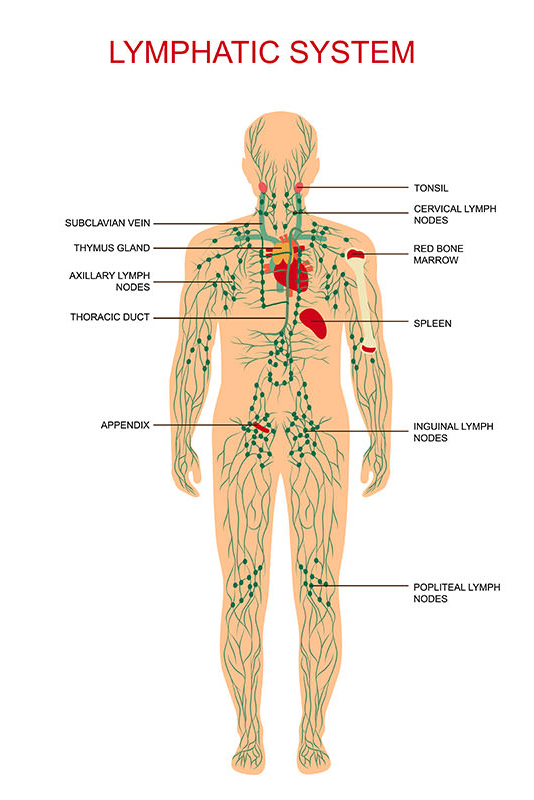
Cellulite is a common concern, particularly for those who have undergone procedures like liposuction, and it can be a source of frustration for many. Fortunately, there are effective, non-invasive methods to reduce its appearance and improve skin texture. One such treatment is lymphatic drainage massage, a technique offered at the Melbourne Massage and Treatment, a Lymphoedema Clinic in Coburg. If you’re struggling with cellulite and want to explore natural, therapeutic options to improve your skin’s appearance, this treatment might be just what you need. Understanding Cellulite Cellulite refers to the dimpled, lumpy appearance of the skin, typically found on the thighs, buttocks, and abdomen. It occurs when fat cells beneath the skin push against the connective tissue, creating an uneven, puckered look. Although cellulite is not harmful and is entirely natural, it can be a cosmetic concern for many people, especially after liposuction or other body contouring procedures. Cellulite can often become more pronounced post-surgery, making it important to address the underlying issues, such as poor lymphatic drainage and the buildup of toxins. How Lymphatic Drainage Massage Helps with Cellulite Lymphatic drainage massage is a gentle, specialized form of massage that targets the lymphatic system—the body’s natural detoxification system. By using light, rhythmic strokes, the treatment helps stimulate the lymphatic flow, encouraging the removal of excess fluid, waste, and toxins from the body. This can result in a noticeable reduction in the appearance of cellulite, as it addresses one of the primary causes of the condition—fluid retention and poor circulation. At the Melbourne Massage and Treatment Lymphoedema Clinic in Coburg, Giovanni use Manual lymphatic drainage (MLD) massage techniques to improve the efficiency of your lymphatic system. By boosting circulation and helping to break down the fatty deposits that contribute to cellulite, the treatment can significantly improve skin tone, texture, and elasticity. Why Choose Lymphatic Drainage Massage for Cellulite? Non-Invasive Solution Unlike surgical treatments or invasive procedures, lymphatic drainage massage is a natural, non-invasive way to tackle cellulite. It doesn’t require any downtime, and it offers a holistic approach to skin care and overall wellness. Whether you’re looking to treat cellulite post-liposuction or simply want to reduce its appearance, this gentle therapy is a safe, effective option. Stimulates Circulation One of the key benefits of lymphatic drainage massage is its ability to stimulate blood and lymphatic circulation. Improved circulation helps deliver oxygen and nutrients to the skin and tissues, while also aiding in the removal of waste products that can lead to skin dimpling and uneven texture. By promoting better blood flow, lymphatic drainage massage helps to reduce the appearance of cellulite over time. Reduces Fluid Retention Lymphatic drainage massage is particularly beneficial for those suffering from fluid retention. The lymphatic system is responsible for draining excess fluid from tissues, and when it becomes sluggish or compromised, fluid can build up, contributing to swelling and a more pronounced appearance of cellulite. By encouraging lymph flow, lymphatic drainage massage helps to eliminate excess fluid, improving the skin’s texture and reducing the bumpy look of cellulite. Improves Skin Tone and Elasticity Regular lymphatic drainage massage can help improve the tone and elasticity of the skin, making it smoother and more supple. As the massage technique stimulates collagen production and enhances circulation, the skin becomes firmer, reducing the visibility of cellulite. The Benefits of Choosing Melbourne Massage and Treatment Lymphoedema Clinic At the Melbourne Massage and Treatment in Coburg, Giovanni is dedicated to providing personalized care that targets your specific needs. Giovanni undertook a series of course for lymphatic drainage, with the Vodder Academy, and he can ensure that each session is tailored to your body’s unique requirements. Whether you’re dealing with cellulite post-liposuction or simply looking for an effective way to enhance your skin’s appearance, Melbourne Massage and Treatment will provide you with a welcoming and professional environment where your comfort and results are our top priorities. What to Expect During Your Lymphatic Drainage Massage Session When you arrive for your lymphatic drainage massage at our Coburg clinic, Giovanni would go through with your initialial consultation form, in order to verify your medical history, and analyse your presentation and your goals. About the Lymphatic Draiange Massage, it is a light touch therapy that aim to stimulate your lymphatic system. If any greater pressure would need to be applied, you will be advised first, and that may be needed to break down fat buildup. Typically, each session lasts between 40 to 60 minutes, and it is recommended to undergo 2–3 treatments per week for optimal results. Many clients notice improvements in their skin’s texture and tone after just a few sessions, with more noticeable results after consistent treatments. Is Lymphatic Drainage Massage Right for You? If you are dealing with the appearance of cellulite or fluid retention, lymphatic drainage massage could be the ideal treatment for you. It’s suitable for individuals of all ages and can be tailored to suit your needs, whether you’re recovering from liposuction or simply looking for a way to improve skin texture and tone. If you’re ready to experience the benefits of this effective, non-invasive treatment, contact Melbourne Massage and Treatment Lymphoedema Clinic today. Final Thoughts If you’re looking for an effective way to reduce cellulite and improve the appearance of your skin, lymphatic drainage massage offers a natural and therapeutic solution. At the Melbourne Massage and Treatment, Lymphoedema Clinic in Coburg, we specialize in lymphatic drainage techniques that can help reduce fluid retention, stimulate circulation, and promote smoother, firmer skin. Say goodbye to dimpled skin and hello to a more confident, refreshed you. For more information or to book an appointment, please get in touch with Giovanni today. Let him help you achieve the smooth, radiant skin you deserve! FAQ: Lymphatic Drainage Massage for Cellulite Treatment Q: What exactly is lymphatic drainage massage? A: Lymphatic drainage massage is a gentle, therapeutic massage technique that stimulates the lymphatic system to encourage the removal of toxins, excess fluid, and waste products from the body. It helps improve circulation, reduce […]
Nov
Lymphoedema is a chronic condition that can cause swelling, discomfort, and a range of other symptoms, typically in the arms or legs. It’s often the result of damage to the lymphatic system, either through surgery, radiation, or other health conditions. For many people living with lymphoedema, managing the symptoms can be challenging. However, with the right care and treatment plan, individuals can experience significant improvements in their quality of life. In Melbourne, the Melbourne Massage and Treatment Clinic in Coburg offers specialized care for lymphoedema patients through its NDIS (National Disability Insurance Scheme) services. Led by Giovanni, a skilled practitioner in lymphoedema management and myotherapy, the clinic provides essential treatments that help manage and reduce the symptoms of lymphoedema. Understanding Lymphoedema and the Importance of Treatment Lymphoedema occurs when lymph fluid builds up in the tissues, causing swelling and restricted movement. This condition can be secondary to cancer treatment (such as surgery or radiation), infections, or congenital defects in the lymphatic system. While there is currently no cure for lymphoedema, with the right treatment, symptoms can be managed, and flare-ups minimized. Managing lymphoedema typically involves a combination of therapies, including manual lymphatic drainage (MLD), Complete Decongestive Therapy (CDT), exercise, and skin care. These approaches help reduce swelling, improve circulation, and prevent further complications. Proper care is crucial for maintaining long-term health and mobility. NDIS Support for Lymphoedema Treatment For individuals living with lymphoedema, accessing specialized treatment can often be a barrier due to cost and availability. This is where the National Disability Insurance Scheme (NDIS) comes in. The NDIS provides funding for people with disabilities to access essential services that help improve their daily lives and overall well-being. For those with lymphoedema, NDIS funding can be used to cover the costs of treatment and management, including therapies like lymphatic drainage massage, myotherapy, and other allied health services. At Melbourne Massage and Treatment, Giovanni offers NDIS-approved services that cater specifically to lymphoedema patients. As a skilled myotherapist, Giovanni uses a combination of hands-on techniques to relieve the symptoms of lymphoedema. His holistic approach helps patients not only manage their swelling but also reduce pain, improve mobility, and enhance their overall quality of life. Myotherapy and Its Role in Lymphoedema Management Myotherapy is an effective therapeutic technique used to treat muscular pain and dysfunction. It involves manual therapy, massage, and exercise prescription to relieve pain, improve movement, and restore function. In the context of lymphoedema, myotherapy can complement other treatments by targeting the muscles and soft tissues surrounding the swollen areas, helping to improve lymphatic flow and reduce fluid retention. Giovanni’s expertise in myotherapy makes him uniquely qualified to treat lymphoedema patients. By combining myotherapy with other lymphoedema treatments, such as manual lymphatic drainage and compression therapy, Giovanni provides comprehensive care that addresses the condition from multiple angles. Services Offered at Melbourne Massage and Treatment Melbourne Massage and Treatment in Coburg is a trusted clinic for those seeking NDIS services for lymphoedema. The clinic offers a range of treatments designed to help manage and improve the symptoms of lymphoedema, including: 1. Manual Lymphatic Drainage (MLD): A gentle, hands-on technique that stimulates the lymphatic system to promote the movement of lymph fluid, reducing swelling and improving circulation. 2. Combined Decongestive Therapy (CDT): The use of compression garments or bandages to prevent further fluid buildup and promote the efficient movement of lymph fluid through the body. 3. Mobilisation: A myotherapy hands on treatment that aims to improve the joint mobility, that would improve your capacity of movement. 4. Exercise Prescription: A tailored exercise program designed to improve lymphatic circulation and prevent muscle stiffness and atrophy. 5. Skin Care and Education: Advice on proper skin care to prevent infections and skin breakdown, which can be a common concern for those with lymphoedema. Why Choose Melbourne Massage and Treatment for Lymphoedema Care? At Melbourne Massage and Treatment, Lymphoedema Clinic, Giovanni’s approach to lymphoedema care is based on a deep understanding of the condition and its impact on daily life. The clinic is committed to providing personalized, compassionate care to every patient, ensuring that they receive the support they need to manage their lymphoedema effectively. The clinic’s NDIS services ensure that patients can access high-quality treatment without the financial strain that can often come with ongoing medical care. With Giovanni’s expertise and the clinic’s holistic approach to lymphoedema management, patients can experience a noticeable improvement in their symptoms, making it easier to manage their condition and enjoy a better quality of life. Get Started with NDIS Services at Melbourne Massage and Treatment If you or a loved one is living with lymphoedema and is seeking NDIS support for treatment, Melbourne Massage and Treatment in Coburg offers expert care that can help. Giovanni’s personalized approach ensures that each patient’s treatment plan is tailored to their specific needs, and with the NDIS funding, these services are made more accessible. To learn more about how Giovanni and the team at Melbourne Massage and Treatment can help you manage your lymphoedema symptoms, or to book now a “15 minutes free initial consultation appointment” or visit the clinic’s website to contact Giovanni directly. By offering NDIS services specifically designed for lymphoedema patients, Melbourne Massage and Treatment provides a vital resource for those in need of expert care. With the right treatments and ongoing support, lymphoedema patients can lead more comfortable, healthier lives.