
When it comes to nurturing our health and well-being, many of us tend to overlook one of the body’s most vital systems—the lymphatic system. This system plays a key role in immune function, detoxification, and overall fluid balance. If you’re looking to manage a condition like lymphoedema, Manual Lymphatic Drainage can be a powerful treatment. At Melbourne Massage and Treatment in Coburg, we offer expert Manual Lymphatic Drainage to support your body’s natural detox processes and help manage lymphatic health. Understanding Manual Lymphatic Drainage Manual Lymphatic Drainage is a specialised technique designed to stimulate the lymphatic system, encouraging the natural flow of lymph, the fluid that helps remove toxins and waste from your body. Using gentle, rhythmic strokes, the therapist focuses on areas where lymph nodes are most concentrated, such as the neck, armpits, and groin. The massage promotes the movement of lymph fluid, which can enhance detoxification, improve circulation, and reduce swelling. While traditional massage focuses on muscle relaxation and tension relief, Manual Lymphatic Drainage works primarily on the lymphatic system. It helps the body to flush out toxins, support the immune system, and restore fluid balance. Whether you’re seeking general wellness benefits or a specific treatment for lymphatic concerns, lymphatic drainage massage effectively supports your body’s natural detox process. Lymphoedema: A Condition That Benefits from Lymphatic Drainage Lymphoedema occurs when the lymphatic system is unable to properly drain fluid, leading to swelling, often in the arms or legs. This can result from a variety of causes, including surgery, injury, cancer treatments, or even a congenital condition. The swelling is not always painful, but may lead to mobility issues and skin problems if not properly managed. Manual Lymphatic Drainage is a highly effective treatment for individuals suffering from lymphoedema. By gently stimulating the lymphatic system, MLD can assist in moving excess fluid away from the affected areas, reduce swelling, and alleviate the discomfort associated with the condition. In addition, MLD can help prevent the worsening of symptoms and improve the quality of life for those managing chronic lymphoedema. How Lymphatic Drainage Works Manual Lymphatic Drainage targets specific areas of the body where lymph nodes are concentrated, using light pressure and rhythmic movements to help move stagnant lymph fluid. The techniques used in LDM include: Pumping Motions: Gentle, rhythmic movements help stimulate the flow of lymph fluid through the vessels and nodes. Circular Strokes: Circular, light strokes are applied to areas where lymph is likely to stagnate. Pressure Application: Gentle, controlled pressure is used to help the lymphatic system move fluid without causing discomfort. These techniques are designed to work with your body’s natural processes, enhancing lymphatic flow and reducing fluid retention. Benefits of Lymphatic Drainage Massage Manual Lymphatic Drainage offers a range of benefits, including: Reduced Swelling (Oedema): MLD is particularly beneficial for those with lymphoedema, helping reduce swelling and discomfort. Pain Relief: It reduces pain associated with chronic swelling and fluid retention, particularly in conditions like lymphoedema. This is possible because constant mechanical stimulation of the skin stimulates the parasympathetic nervous system, enhancing a relaxation effect. Enhanced Circulation: LDM stimulates the blood and lymphatic flow, helping to improve circulation and reduce the risk of fluid buildup. Conditions for which MLD is Good For Lymphoedema and/or Lipoedema Post-Surgery Recovery Assists with reducing swelling and speeding up recovery after surgeries, particularly those involving lymph node removal (e.g., cancer surgery). Post-Operative Swelling Helps reduce inflammation and fluid retention following any surgical procedure, such as cosmetic surgery or dental surgery. Swelling reduction would come with improvement in joint mobility. Cellulite Reduction While not a cure for cellulite, MLD can help reduce the appearance of cellulite by improving circulation and promoting lymphatic flow, which aids in the breakdown of toxins and fatty deposits. Fibromyalgia Alleviates some symptoms of fibromyalgia, such as pain and fatigue, by enhancing circulation and promoting lymphatic drainage. Sinusitis and Nasal Congestion MLD can help reduce sinus congestion and improve drainage in the sinuses, alleviating discomfort associated with sinus infections or chronic sinusitis. Migraines and Tension Headaches Promotes relaxation, reduces muscle tension, and supports lymphatic flow, which can help reduce the frequency and intensity of headaches. Skin Conditions (e.g., Acne, Psoriasis, Eczema) Improves circulation and supports the elimination of toxins, which can contribute to healthier skin and help with inflammatory skin conditions. Pregnancy-Related Swelling (Edema) Reduces fluid retention and alleviates swelling in the legs, ankles, and feet during pregnancy, offering comfort to expectant mothers. Improved Immune Function Supports the immune system by promoting lymphatic circulation and toxin removal, reducing the likelihood of illness. Stress and Anxiety While not a direct treatment for anxiety, MLD can promote relaxation, ease tension, and reduce stress, benefiting overall emotional and mental health. Improved Circulation Stimulates blood and lymphatic flow, helping to maintain healthy fluid balance in the body and reducing the risk of fluid buildup and stagnation. Sore or Aching Muscles Can aid in muscle recovery by improving circulation, reducing inflammation, and enhancing fluid drainage. Chronic Inflammation Helps reduce inflammation caused by conditions like arthritis, reducing discomfort and promoting healing. Why Choose Melbourne Massage and Treatment for Your Lymphatic Drainage Needs? At Melbourne Massage and Treatment in Coburg, Giovanni understands the importance of tailored care for each individual. On top of his bachelor’s in Health Science Clinical Myotherapy, Giovanni trained in Manual Lymphatic Drainage techniques and took a holistic approach to health and well-being. Whether you are recovering from surgery, managing a condition like lymphoedema, or simply seeking to enhance your overall health, we’ll work with you to create a personalised treatment plan that meets your specific needs. Booking Your Manual Lymphatic Drainage If you’re in Coburg or the surrounding Melbourne areas and are looking for a Lymphoedema Clinic that can help improve your lymphatic health, alleviate swelling, or manage lymphoedema, Manual Lymphatic Drainage can make a significant difference. Giovanni will ensure that your treatment is both effective and relaxing, helping you achieve optimal results. Don’t let swelling or lymphatic concerns keep you from living your best life. Contact Melbourne Massage and Treatment […]
Tag Archives: melbourne

Blog
Facet Joint Irritation and Muscle Weakness: What You Need To Know
In my experience as a Clinical Myotherapist at Melbourne Massage and Treatment Myotherapy and Lymphoedema [...]
Continue readingOct

Blog
Chronic Pain: What it is, and what can you do about it?
Pain is something that we all experience, and it can start after an injury, during [...]
Continue readingOct
Blog
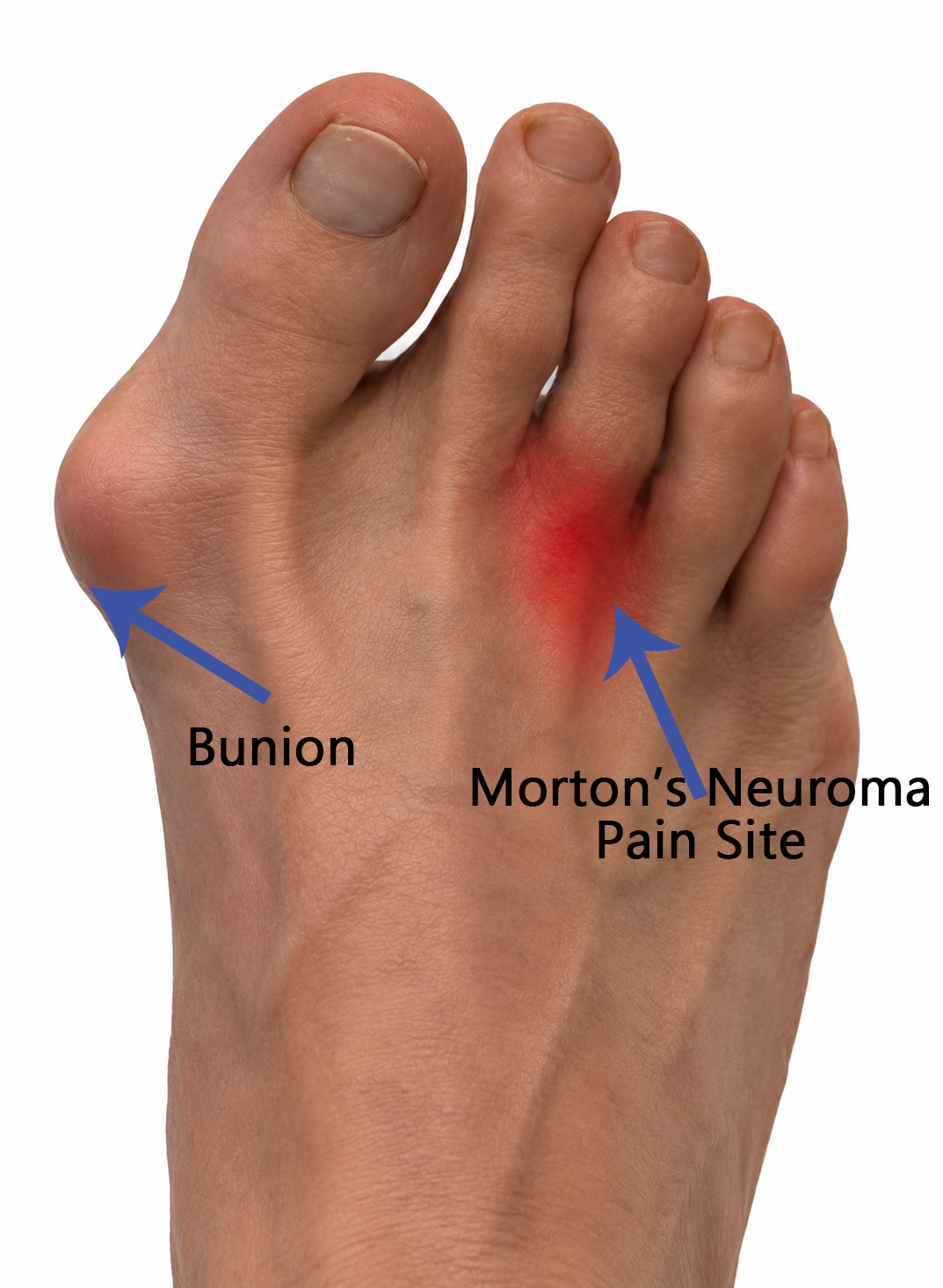
Bunion and Morton’s Neuroma: Can a Bunion Affect Neuroma Recovery?
While a bunion and a Morton’s neuroma are two different foot conditions, if they are [...]
Continue readingSep
Blog
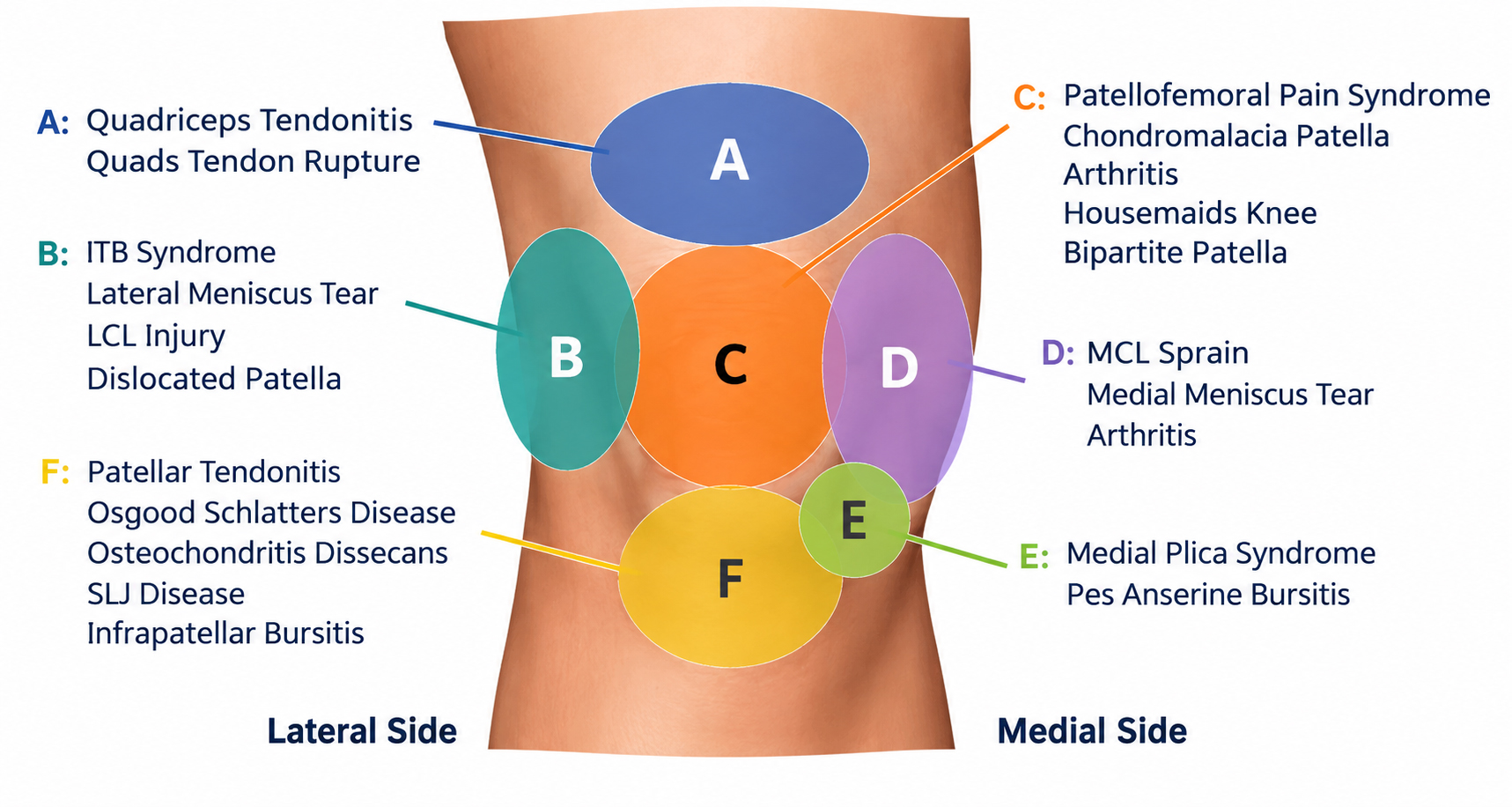
Knee Pain in Coburg
Knee pain is a common form of injury and can affect people of all ages [...]
Continue readingSep

Blog
Post-Surgery MLD Melbourne – Vodder MLD Therapist
Any form of surgery is an invasive procedure for the body to deal with, and [...]
Continue readingSep
Nov
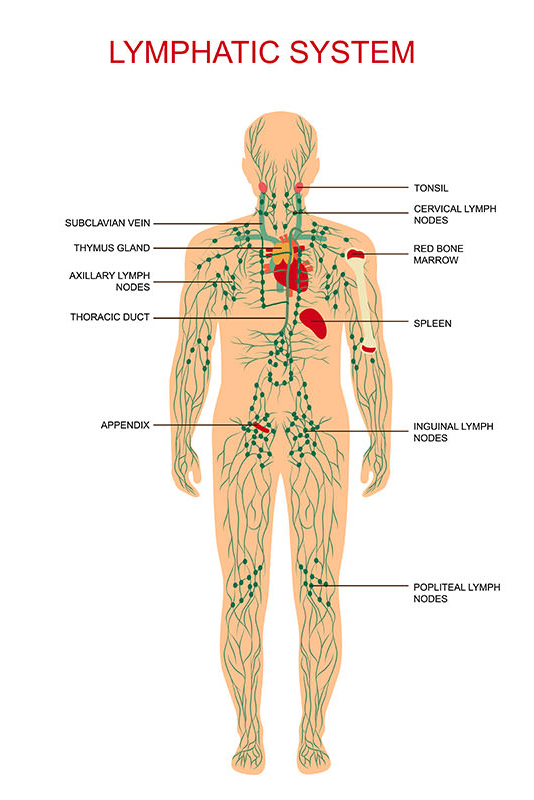
Swelling reduction in a lymphoedema presentation is the key component of successful treatment. Fluid accumulation under the skin can lead to severe swelling, skin cracks, and consequent infections. At Melbourne Massage and Treatment, Giovanni focuses on lymphoedema management using techniques like Manual Lymphatic Drainage (MLD) and Combined Decongestive Therapy (CDT). The Lymphatic System: How It Works The lymphatic system plays a crucial role in maintaining our body’s fluid balance and supporting the immune system. It begins with tiny vessels called lymphatic capillaries, which are interspersed throughout the body, especially in tissues. These capillaries collect excess interstitial fluid, which surrounds cells. This fluid is made of proteins, fats, bacteria, viruses, dust, or anything that the body doesn’t recognise. The lymph then travels through progressively larger vessels called lymphatic collectors, connected by lymph nodes. Is this where the immune system cleans the fluid? Once the cleaning is done, eventually the fluid would merge into larger ducts like the thoracic duct and the right lymphatic duct. These ducts drain lymph back into the bloodstream, ensuring that excess fluid is removed and helping maintain overall fluid balance. Muscle Movement and Its Role in Lymphatic Flow Muscle movement plays a vital role in facilitating lymphatic flow. Unlike the circulatory system, the lymphatic system doesn’t have a central pump like the heart. Instead, it relies on the contraction of surrounding muscles to push lymph through the vessels. When we move, especially during activities like walking or exercising, the rhythmic contractions of our muscles compress the lymphatic vessels, propelling lymph upward toward the ducts. This is why physical activity is essential not only for circulation but also for swelling reduction and for maintaining a healthy lymphatic system. Understanding Lymphoedema: Causes and Types Lymphoedema occurs when a disruption in the lymphatic system leads to an abnormal accumulation of lymph fluid, usually in the arms or legs. There are two types of lymphoedema: primary and secondary. Primary lymphoedema is a genetic condition that results from malformations in the lymphatic system, often present at birth or developing during puberty. In contrast, secondary lymphoedema results from damage or obstruction of the lymphatic system due to factors such as surgery, radiation therapy, infection, or trauma. Understanding the differences between these types is crucial for effective management and treatment. Combined Decongestive Therapy (CDT): A Path to Swelling Reduction One effective treatment for lymphoedema is Combined Decongestive Therapy (CDT). This comprehensive approach combines manual lymphatic drainage (MLD) compression therapy, exercise, and skincare to promote lymphatic flow and support swelling reduction. The manual lymphatic drainage technique helps stimulate the lymphatic vessels and facilitates the movement of lymph fluid, while compression garments assist in maintaining the reduction achieved during therapy. By addressing both the symptoms and the underlying causes of lymphoedema, CDT provides individuals with a practical strategy for managing their condition. Combined Decongestive Therapy (CDT) and Bandaging Techniques Combined Decongestive Therapy (CDT) incorporates techniques, including specialised bandaging, to effectively manage lymphoedema. Two primary types of bandages are short-stretch and long-stretch bandages. Short-stretch Bandages These bandages have low elasticity and provide firm compression without causing excessive pressure during movement, making them ideal for managing lymphatic fluid in a stable manner. They support the natural muscle pump action, allowing the patient to move their limbs freely and promoting lymphatic drainage as the muscles contract. Long-stretch Bandages In contrast, long-stretch bandages offer elastic compression, which can create resting pressure that may be less effective during activity. This type of bandage works best when the patient is less likely to move their limb. In CDT, short-stretch bandages are generally preferred because they maintain consistent pressure on the affected limb, helping to reduce swelling more effectively while allowing for functional mobility. This strategic choice creates an optimal environment for lymphatic flow and manages the symptoms of lymphoedema. Melbourne Massage and Treatment: Promoting Health and Lymphoedema Swelling Reduction At Melbourne Massage and Treatment in Coburg, Giovanni specialises in therapies that reduce swelling and enhance overall wellness. By understanding the lymphatic system and the importance of movement, you can take proactive steps to manage lymphoedema and promote better health. If you want to know more about how Giovanni can help you with your lymphoedema management plan, book a 15-minute free consultation today. FAQ: Lymphoedema and Swelling Reduction Q: What is lymphoedema? A: Lymphoedema is characterised by the abnormal accumulation of lymph fluid, usually in the arms or legs, leading to severe swelling. It occurs when the lymphatic system is disrupted or obstructed. Q: What causes lymphoedema? A: There are two types of lymphoedema. Primary lymphoedema is genetic and results from malformations in the lymphatic system. Secondary lymphoedema is caused by damage or obstruction due to surgery, radiation therapy, infection, or trauma. Q: How does the lymphatic system work? A: The lymphatic system maintains fluid balance and supports the immune system. It begins with lymphatic capillaries that collect excess interstitial fluid, which transforms into lymph and travels through larger vessels, eventually draining back into the bloodstream. Q: How can muscle movement help with lymphatic flow? A: Muscle movement aids lymphatic flow by contracting and compressing the lymphatic vessels, propelling lymph toward the ducts. This is essential for circulation and swelling reduction, as the contractions facilitate the movement of lymph fluid. Q: What is Combined Decongestive Therapy (CDT)? A: CDT is a comprehensive treatment for lymphoedema that includes manual lymphatic drainage, compression therapy, exercise, and skincare. It promotes lymphatic flow and supports swelling reduction, addressing both symptoms and underlying causes. Q: Why are short-stretch bandages preferred in CDT? A: Short-stretch bandages are preferred because they maintain consistent pressure on the affected limb, promoting effective swelling reduction while allowing for mobility. This helps create an optimal environment for lymphatic flow. Q: How can I learn more about managing lymphoedema? A: For more information on lymphoedema management, you can book a 15-minute free consultation with Giovanni at Melbourne Massage and Treatment, Lymphoedema Clinic, in Coburg. Giovanni specialises in therapies designed to reduce swelling and enhance overall wellness.
Oct
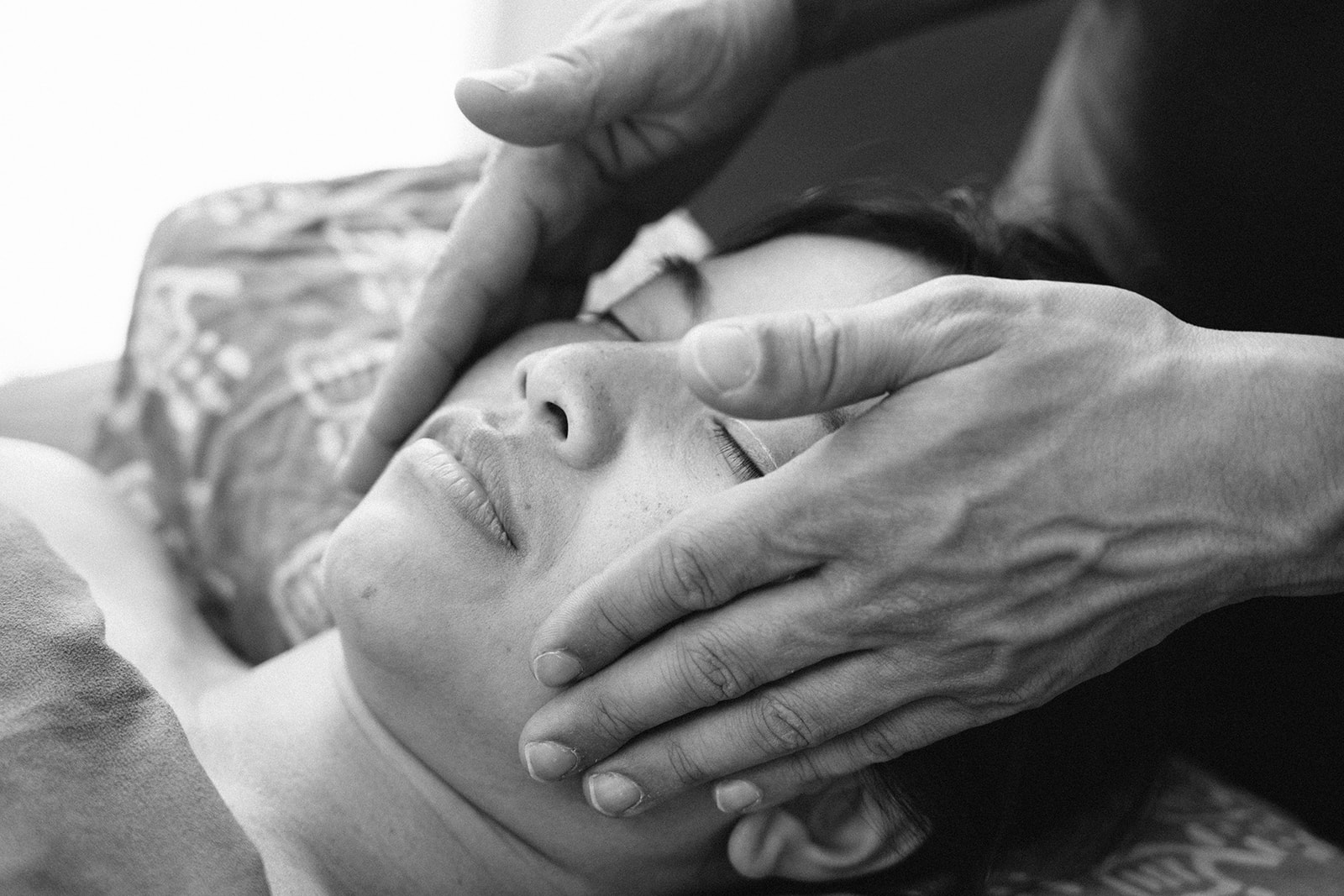
Welcome to Melbourne Massage and Treatment, a Lymphoedema Clinic located in the heart of Coburg. If you’re seeking effective management for lymphoedema, our specialised Clinic, led by experienced therapist Giovanni, is here to help you reclaim your comfort and quality of life. Understanding Lymphoedema Lymphoedema is a chronic degenerative condition characterised by swelling, typically in the arms or legs, but it can also occur in the abdominal, thoracic, or genital areas. A buildup of lymph fluid causes lymphoedema and can arise from various factors, including cancer surgery (mastectomy), radiation treatment, or genetic predisposition. When it is a genetic predisposition, it is categorised as Primary Lymphoedema, and when it develops post-surgery or due to external factors, it is characterised as Secondary Lymphoedema. Managing lymphoedema is crucial to preventing further complications and enhancing overall well-being. Meet Giovanni, Your Lymphoedema Specialist Giovanni is a dedicated myotherapyst trained at the prestigious Vodder Academy, renowned for its comprehensive approach to lymphatic health. With extensive experience in Manual Lymphatic Drainage (MLD) and Combined Destive Therapy (CDT), Giovanni employs proven techniques to reduce swelling, alleviate discomfort, and promote lymphatic flow. Manual Lymphatic Drainage (MLD) MLD is a gentle, non-invasive massage technique designed to stimulate the lymphatic system. Giovanni’s expert hands help to encourage the movement of lymph fluid, reducing swelling and improving circulation. This technique allows the stimulation of your lymphatic system’s parallel channels (anastomosis), which would not be active unless stimulated. This is a crucial step in Lymphoedema management as the lymph fluid would not have anywhere to go due to its damaged structure. Combined Decongestive Therapy (CDT) As Melbourne Massage and Treatment is also a Lymphoedema Clinic, the treatment that you can receive from Giovanni is not going to be focused on MLD only, but once the anastomosis has been activated, Giovanni would apply Combined Decongestive Therapy. This holistic approach focuses on the application of compression bandaging, which maintains the skin’s lymphatic fluid under pressure. Other types of care approaches to be aware of along this presentation are skin care and exercise, providing a comprehensive management plan tailored to each patient’s needs through garment wear. Giovanni will work closely with you to develop a personalised strategy that addresses your specific concerns and lifestyle. Free Initial Consultation Understanding your condition and exploring your treatment options can be overwhelming. To support you, Giovanni offers a 15-minute free phone consultation for lymphoedema patients. This initial conversation provides an opportunity to discuss your symptoms, ask questions, and learn how our clinic can assist you on your journey to better health. Why Choose Us? Expertise: Giovanni’s training at the Vodder Academy ensures you receive care rooted in the latest techniques and knowledge. Personalised Care: We understand that each patient is unique. Giovanni tailors treatment plans to fit your individual needs and lifestyle. Convenient Location: My clinic in Coburg is easily accessible, making it convenient for local patients to receive ongoing care. Supportive Environment: We prioritise creating a welcoming atmosphere where you can feel comfortable discussing your health concerns. Get Started Today! If you’re ready to take the next step in managing your lymphoedema, contact the Melbourne Massage and Treatment Clinic today. Schedule your free initial phone consultation with Giovanni and discover how MLD and CDT can help you achieve a healthier, more comfortable life. Visit our website or call us to learn more about our services and how we can assist you on your path to recovery. Your well-being is our priority, and we look forward to supporting you every step of the way! FAQS – Melbourne Massage and Treatment (Lymphoedema Clinic) 1. What is lymphoedema? Lymphoedema is a chronic condition caused by a buildup of lymph fluid, leading to swelling, usually in the arms or legs. It can also affect the abdomen, chest, or genital area. It may result from cancer treatments (like mastectomy or radiation), surgery, or genetic factors (primary lymphoedema). 2. What are the differences between primary and secondary lymphoedema? Primary Lymphoedema is genetic and occurs due to an inherited malfunction in the lymphatic system. Secondary Lymphoedema develops due to external factors like surgery (e.g., mastectomy), radiation therapy, trauma, or infection. 3. How can lymphoedema be managed? Lymphoedema is a degenerative condition, meaning it worsens over time if untreated. However, proper management through Manual Lymphatic Drainage (MLD), Combined Decongestive Therapy (CDT), compression garments, skin care, and exercise can significantly reduce symptoms and improve quality of life. 4. What is Manual Lymphatic Drainage (MLD)? MLD is a gentle, specialised massage technique that stimulates the lymphatic system to improve lymph flow, reduce swelling, and activate alternative lymphatic pathways (anastomosis) when the main vessels are damaged. 5. What is Combined Decongestive Therapy (CDT)? CDT stands for Combined Decongestive Therapy and is about applying compression to the limb affected by lymphoedema to get the fluid in exceed to keep moving post MLD therapy. 6. Do you offer a free consultation? Yes! I offer lymphoedema patients a free 15-minute phone consultation to discuss symptoms, treatment options, and how I can help. 7. Where is the clinic located? Melbourne Massage and Treatment Lymphoedema clinic is conveniently located in Coburg, Melbourne, making it easily accessible for local patients. 8. Can lymphoedema be cured? While lymphoedema is a chronic condition, proper management can significantly reduce swelling, discomfort, and the risk of complications. Early intervention and consistent therapy are key. 9. Is compression therapy necessary for lymphoedema? Yes, compression garments or bandages are essential in CDT to maintain pressure on tissues, prevent fluid re-accumulation, and support long-term management. 10. Can exercise help with lymphoedema? Yes! Gentle, guided exercises can promote lymphatic drainage and improve mobility. Giovanni can recommend safe exercises tailored to your condition. 11. How often should I get MLD or CDT treatments? The frequency depends on the severity of your condition. Some patients benefit from weekly sessions, while others may need maintenance treatments less often. Giovanni will create a personalised plan for you. 12. Does private health insurance cover lymphoedema treatments? Some private health funds may cover part of the cost under myotherapy […]
Oct
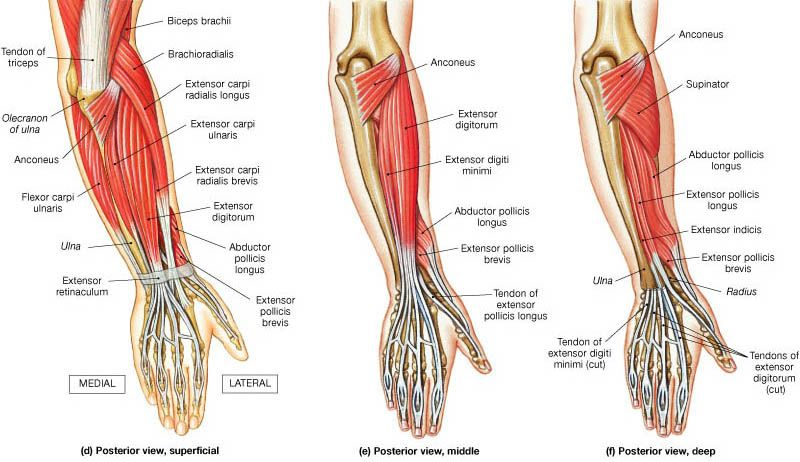
At Melbourne Massage and Treatment in Coburg, we frequently encounter clients dealing with tennis elbow (lateral epicondylitis) and golfer’s elbow (medial epicondylitis). These conditions can cause significant discomfort and limit your ability to enjoy sports and everyday activities. While they are often associated with repetitive arm and wrist movements, it’s essential to consider how poor shoulder mobility and stability can contribute to these issues. What Are Tennis and Golfer’s Elbow? Tennis Elbow Tennis elbow affects the outer part of the elbow, causing pain and tenderness on the outside. This condition typically arises from overuse of the forearm muscles, especially those responsible for wrist extension. Activities such as painting, or even prolonged computer use, or overstreching of extensor muscles can trigger this condition. Golfer’s Elbow Conversely, a golfer’s elbow affects the inner part of the elbow, leading to pain on the inside. This condition is commonly associated with activities that require gripping, flexing the wrist, or repetitive forearm movements, such as golfing, throwing, or lifting. In this presentation is the common flexor tendon that get’s irritated, and refer with pain. The Connection to Shoulder Mobility and Stability While tennis and golfer’s elbow are localized conditions, they often stem from dysfunctions higher up in the kinetic chain, particularly in the shoulder. Poor shoulder mobility and stability can lead to compensatory patterns that place undue stress on the forearm and elbow joints. Shoulder Mobility Limited shoulder mobility can restrict the natural range of motion for various activities. For instance, if your shoulders lack mobility, you may overcompensate with your forearm muscles during tasks that require reaching, lifting, or throwing. This overcompensation can lead to strain, resulting in conditions like tennis or golfer’s elbow. To maintain proper shoulder mobility, you want to ensure the use of the glenohumeral joint along your exercises and move it with specific drills, as this would stimulate the joint synovial fluid and maintain the joint lubricated. On the other hand, if the joint is hypermobile, we should look into how to stabilize it better. Shoulder Stability Shoulder stability is crucial for maintaining proper alignment during movement. Weakness in the shoulder stabilizers can cause the shoulder joint to become unstable, leading to altered movement patterns. When the shoulder isn’t stable, the body often compensates by engaging the forearm and elbow excessively, increasing the risk of injury. As mentioned in the paragraph above, this is what would occur when someone presents with a hypermobility body. In the hypermobility presentation, the ligaments are more lax and don’t hold back the joint movement as expected. Assessing and Addressing the Issue At Melbourne Massage and Treatment, we recommend a comprehensive approach to address tennis and golfer’s elbow effectively: Assessment of elbow epicondylitis Understanding the root cause of your pain is vital. During an initial consultation, we still mainly focused on your elbow presentation and addressed what movement reproduced the discomfort. But not only that. Throughout a tailored investigation, we will address what could be the root cause of the problem. This way, it would be easier to develop a tailored treatment plan. Treatment for elbow epicondylitis Massage Therapy: Targeted massage can alleviate tension in the forearm and improve blood flow, promoting healing. MDN: Myofascial Dry Needling plays a really effective role in tendinitis management. It focuses on targeting the underactive muscles, restoring the neural connection between the central nervous system and muscle, and desensitizing the painful area. Mobilisation: Mobilisation is an ideal technique to address mobility issue, and improve the range of motion of a joint. For epicondylitis presentations, the mobilisation could focus on wrist, elbow or shoulder. This would be based on the finding along the assessment. Strengthening Exercises: In the exercise program, we will initially focus on exercises that can desitentize the elbow area, such as isometric holds, and then move to eccentric and concentric exercises. In this second step, we would already focus on specific shoulder mobility or stability exercises, as needed. Education Understanding proper biomechanics can empower you to make lifestyle changes that prevent future injuries. Giovanni will guide you through exercises and techniques to maintain shoulder health and prevent elbow pain. Conclusion Tennis and golfer’s elbow can be debilitating, but addressing shoulder mobility and stability is key to recovery and prevention. At Melbourne Massage and Treatment in Coburg, Giovanni is dedicated to helping you achieve optimal function and well-being. If you’re experiencing symptoms of tennis or golfer’s elbow, don’t hesitate to contact Giovanni or Book Now your 15-minute free phone consultation to learn more about a personalized assessment and treatment plan. Together, we can work towards getting you back to the activities you love, pain-free. FAQ Q: What are tennis elbow and golfer’s elbow? A: Lateral epicondylitis, affects the outer part of the elbow, causing pain due to overuse of the forearm muscles, particularly those responsible for wrist extension. Common activities that can trigger it include painting and prolonged computer use. Medial epicondylitis, impacts the inner part of the elbow, leading to pain often associated with gripping, flexing the wrist, or repetitive movements like golfing or throwing. Q: How are shoulder mobility and stability related to these conditions? A: Poor shoulder mobility can lead to overcompensation by the forearm muscles during activities requiring reaching, lifting, or throwing. Similarly, weak shoulder stabilizers can cause the shoulder joint to become unstable, forcing the forearm and elbow to work harder, which increases the risk of injury. Both factors contribute to the development of tennis and golfer’s elbow. Q: What are the signs of limited shoulder mobility? A: Signs include restricted movement during overhead activities, difficulty reaching behind your back, and discomfort during routine tasks that involve lifting or throwing. These limitations can lead to compensatory movements that stress the elbow. Q: How do you assess tennis or golfer’s elbow at Melbourne Massage and Treatment? A: We conduct a thorough assessment that focuses on your elbow presentation, identifying movements that reproduce discomfort. This investigation also explores potential underlying issues related to shoulder mobility and stability, helping us understand the root cause of […]

Aug
Exercise is the cure for pain, and it is an underestimated medicine that could sort out many of our bodies’ aches. Strengthening exercise, such as exercising under load or resistance, can be done at home or the gym, and it should be part of our weekly routine. It is never too late to start exercising; everyone can benefit from it. At Melbourne Massage and Treatment, we always encourage our patients to make a treasure of the exercises we show, and if you have any questions about it, do not hesitate to ask. Exercises as Medicine. Exercise can be considered a potent medicine, offering many benefits beyond physical fitness. Regular physical activity has been scientifically proven to reduce the risk of chronic diseases such as heart disease, type 2 diabetes, and certain cancers. It also helps manage weight, improve mood, and enhance mental well-being by reducing symptoms of anxiety and depression. Additionally, exercise strengthens muscles and bones, improves sleep quality, and boosts overall energy levels. Its ability to promote longevity and quality of life underscores its role as an indispensable component of preventive healthcare, highlighting the transformative power of exercise as medicine (Ruegsegger & Booth, 2018). How Exercises can help: Mechanotherapy. Mechanotherapy is the therapeutic application of mechanical forces to tissues and cells to promote healing and enhance physiological function. This approach harnesses the body’s innate response to physical stimuli, such as exercise, massage, and physical therapy, to stimulate tissue repair, reduce inflammation, and improve overall tissue resilience. By strategically applying mechanical forces, mechanotherapy aims to optimize biomechanical properties, restore normal tissue function, and alleviate symptoms associated with musculoskeletal injuries or chronic conditions. This therapeutic modality underscores the importance of tailored physical interventions in healthcare, offering a holistic approach to rehabilitation and wellness that complements traditional medical treatments. How many days a week? Ideally, you would like to exercise 3 to 5 times a week for 45 minutes to 1 hour daily, with 1 to 2 days of rest. The reason behind this is covered by the scientific research and data that we have in hand nowadays, which reveal the importance of loading the body with resistance and weights to grow and regenerate the body components, like muscle, tendons, ligaments, etc… and also the fact that, once the body has been put under load, it also needs time to rest and repair itself, which is crucial for maintaining optimal physical and mental health (Lee et al., 2017). Indeed, if we look at the effect of exercises on muscles, the muscles present with micro tears and micro damage post-exercise, which, the day after the training, reproduce pain, better known as DOMS ( Delayed Onset Muscle Soreness ). Time is needed to allow those microtears to recover. How long should DOMS last? As per all the inflammatory responses, DOMS can last between 24 to 72 hours. During this time frame, the body supplies extra blood to the muscles in order to implement a recovery process. During this time frame, to reduce discomfort and aches, you can use a heat pack (remember, no longer than 15 minutes), massage the area with oil, and do gentle movement. Avoid taking anti-inflammatories, as those would slow down the inflammatory response put in place by your body to heal. If pain persists longer than 72 hours, you can book a consultation or refer to a GP for advice on meds or scans. Can exercises be DOMS-free? Yes, exercises don’t have to reproduce pain every time. When you don’t feel that your muscles have been working that hard, it means that you haven’t pushed them to their limits, and therefore, they are not developing new fibres. Is this a bad thing? No, not necessarily. It is all about what you are aiming for. Indeed, if you are aiming to recover from an injury or you are training for a competition, then yes, you would aim to feel the DOMS the day after, especially if you are at the start of your training journey. On the other hand, if you are happy with the level of strength achieved, you can keep the current presentation by doing general training, without pushing your body close to its limit, by exercising twice a week only and by not increasing the load of resistance/weights as weeks pass by. Exercises and muscle bulk. Doing regular exercise is not going to make you bulky unless you are keen to be hyper-disciplined about the type of exercise, timing, and nutrition. But let’s see in more detail what happens to the muscle cells during exercise. Firstly, we have to understand that hypertrophy. Hypertrophy refers to the increase in the size of muscle cells due to the rise in their component proteins. There are two primary types of hypertrophy: myofibrillar hypertrophy and sarcoplasmic hypertrophy. Myofibrillar Hypertrophy: This type of hypertrophy involves increased size and number of myofibrils within muscle fibres. Myofibrils are the contractile units responsible for muscle contraction. Training focusing on heavy resistance and lower repetitions (e.g., weightlifting) typically induces myofibrillar hypertrophy, increasing muscle strength and density. Sarcoplasmic Hypertrophy: Sarcoplasm is muscle cells’ fluid and energy storage area. Sarcoplasmic hypertrophy involves an increase in the volume of sarcoplasm within the muscle fibres. This type of hypertrophy is often associated with higher repetition ranges and moderate resistance (e.g., bodybuilding workouts). It results in larger, more visually noticeable muscles but with less emphasis on maximal strength gains compared to myofibrillar hypertrophy. Mechanism of Muscle Growth: During exercise, particularly resistance training, muscle fibers experience microscopic tears. In response to these tears, the body initiates a repair process that involves synthesising new proteins to rebuild and strengthen the muscle fibers. Over time, with consistent exercise and adequate nutrition, this repair process leads to an increase in muscle size and strength. Importance of Nutrition: Proper nutrition is crucial for supporting muscle growth. Adequate protein intake is essential as proteins are the building blocks of muscle tissue. Carbohydrates provide energy for workouts, while fats contribute to overall health and hormone regulation. Additionally, sufficient […]

Jun
A surgery is an invasive procedure that involves cutting your skin open to intervene on your musculoskeletal system and or the organs. Surgeries are often a life-saving intervention, but even a life-changing intervention. Once you undergo surgery, your body will never be the same. MLD post-surgery can help stimulate your Lymphatic System, supporting your recovery from this type of intervention. The lymphatic system is a body system that collects, moves and cleans the excess water and substances, like bacteria, viruses, dirt, tattoos, ink and more, from below the skin and then passes it to the bloodstream. Lymphatic System and Surgery. 80% of the Lymphatic System sits below the skin, and 20% sits within the deep fascia. When going for surgery and the skin gets cut, the superficial layer of the lymphatic system gets interrupted and is damaged. Unless we intervene, the lymphatic system will have a hard time regenerating. Indeed, the lymphatic system can regenerate if stimulated. The stimulation of the lymphatic system happens through touch, like with MLD or through the movement of the body, like exercises, even as simple as muscle contraction. MLD Post-Surgery – How It Works? Before or after surgery, it is recommended to stay active. This would allow the different body systems to keep working and maintain their function at their best till the time of the surgery. On the other hand, being active post-surgery is not always an option. In fact, during the post-surgery period, being active in the area that got stitches can be a contraindication, as the stitches could break. A cast may be present in other cases, and the muscle near the surgery can’t be moved. That’s where MLD can help stimulate the lymphatic system. By doing so, we can guarantee the circulation of liquids in the body, which is essential for a great recovery. But not only that Reducing the swelling around the cutting area or below the area affected by the operation would guarantee a fast return to movement. This is because the less swelling, the easier it is to move the joint. But also, MLD comes with a deep relaxation effect, which would put you in a state of relaxation and would help you move more easily. So MLD, by boosting the lymphatic system, reduces the swelling and allows the body’s natural healing process. What to do if you have to go for surgery then? If you are up for surgery soon and you have no contraindication to MLD, what you can do to guarantee a faster recovery is, keep moving as much as you can, stay active, and book yourself in for a few MLD treatments just for the days before your surgery is due. That would help with the Lymphatic System recovery, as a more robust and healthier Lymphatic System would recover faster. And as the risk of infection and post-surgery is under control, and your blood pressure is within the acceptable range (this depends on what type of surgery you had), get moving as much as possible and come back for a few more sessions of MLD. MLD post-Surgery – Does It Work For Any Surgery? C-section (preeclampsia) bone fracture liposuction carpal tunnel knee reconstruction hip replacement day hospital intervention MLD Post-Surgery – What You Should Know As often happens with cancer surgery, lymph nodes get removed if they are contaminated by cancerous cells. After surgery, you may also be treated with chemotherapy or radiotherapy in the area affected by the surgery. Lymph node removal prevents the cancer cells from spreading throughout the rest of the body, so it is often an inevitable step in this type of intervention. The risk of developing lymph node removal, on the other hand, is represented by the development of Lymphoedema after a cancer surgery, which depends on many different factors, including lifestyle, genetics, radiation therapy and more. I dedicated a series of blogs to the Lymphoedema topic, which you can find here. On the other hand, If you are concerned about Lymphoedema presentation, get in touch now to discuss how Giovanni can assist you. Giovanni’s Training For MLD I trained for MLD on two separate occasions with the Vodder Academy, whose courses in Australia are offered by Moving Lymph. The first course I did was in 2021, and I trained to work on patients who had an intact lymphatic system. My training was already complete to work with patients who undergo surgery. It was then in 2024 that I took a course for Lymphoedema therapy. This second had a strong focus on conditions where the lymphatic system is interrupted. Either because of a congenital presentation (primary lymphoedema) or because of external intervention (secondary Lymphoedema). FAQ – MLD post-Surgery
“I was lifting the box from the floor, and then, ouch I did my back”! How often have you heard this? What’s going on here? Lower back pain is a common presentation that affects many people all around the world. But hurting your back when picking a box, or even a lightweight as the key, or tightening the shoes, is an injury that doesn’t affect only those with lower back pain. So to explain the mechanism behind these incidents, we have to look into what we call “proprioceptors”, specifically “muscle spindle”. Proprioceptors are body receptors within the skin, muscles and joints that reveal information about the body’s movement and send this information to the brain. How that information is transmitted to the brain is by different types of a pathway that we will see in a future post. In specific, today, we are going to look at the “muscle spindle”. So muscle spindles are proprioceptors that can tell the brain how the body is moving, specifically a muscle, and a proprioceptor that can tell a muscle to relax and change to stretch. Indeed, muscle spindles are different from other proprioceptors, as they can alter their sensitivity as needed. What did Muscle Spindles have to do with my back then? As mentioned above, a muscle spindle can alter muscle consistency. So, when banding forward to pick up the key or do the shoes lase, the back muscle must relax, as they have to stretch. But, if the muscle spindle doesn’t tell the back muscle to relax as you bend, those muscles will stay contracted, and guess what happens next? “Ouch, I did my back.” How to prevent the injury then? To prevent an injury as such, movement is the answer. Movement, as simple as a cat and cow exercise, would create that feedback response between your lower back area and the brain that, in the long term, would ensure your brain knows that when bending, the posterior portion of the body needs to be told to relax. Said so simple movement can prevent the injury, but further exercises, like a deadlift, can help your entire posterior chain to get stronger and get you to the next level of strengthening. But before lifting heavy weights, let’s not forget the importance of looking into mobility. In conclusion, to prevent this injury from happening, start moving. Incorporate regular breaks from your seating at the desk. Have a timer on your desk that, every 45 minutes, remind you to stand up, have a stretch and short walk, a water sip and get back to work. Book your next massage session at Melbourne Massage and Treatment if this post talks to you. How can Massage help? Massage therapy can help in different ways. First, it can help reduce the muscular tension within the lower back area. Second, the massage touch can help increase that body awareness, preventing further injury. The recovery process from an injury does depend from person to person. But within a few sessions within 1 to 2 months, using a mix of techniques, like MLD, Myotherapy and or Thai Massage, there is a good chance of good recovery and injury prevention. Exercises play an important role too in this recovery phase. How Many Sessions would I need? As already mentioned, everyone is different. Based on my experience, to help someone recover from an injury, initially, it can take up to 5 sessions spread over two months to achieve a good result. And again, this is not only about Massage but also about corrective exercises. Therefore, I offer a treatment plan allowing you to uptake five sessions of any treatment type at a discount rate of 10%. This offer is valid for returning clients who already had an initial consultation. This would allow me, as a therapist, to ensure I am the right therapist for you and that we can create a treatment plan that works for you and that you can use for your benefit.

Feb
I spent the last seven years achieving different massage qualifications to offer a service that is different from the standard massage. Why I started studying Massage therapy. My interest in the massage profession started as a curiosity and a desire for a career change. Indeed, before getting into the massage profession, I worked as Pizza Maker for a decade or so. That did allow me to get permanent residence in Australia. But I knew that hospitality life was not what I wanted to do for the rest of my life. So, in Jan 2016, I did enrol in a Certificate IV in Massage Therapy at the SSNT (Southern School of Natural Therapies) in Coburg. After that, as soon as I finished the course, I decided to go travelling and experience more of the outback life. It was not till February 2018 that I returned to studying massage practice. Thai Massage Qualification. That was in Chiang Mai, Thailand, with Pichest Boonthumme. I ended up in Chiang Mai, thanks to a friend who understood what I was looking for. And what was I looking for? Well, I was searching for someone to teach me more than a massage sequence or stroke. So I was not looking for just a random massage qualification. Someone that could show me how to improve myself as a massage therapist and person in the first place. Pichest is the right teacher. Anyway, I passed the first round of training in 2018 with Pichest, I then kept travelling, and before heading back to Australia, I did a second stopover in Chiang Mai, and that was in Jan 2019. But still, before starting the Diploma in Remedial Massage at the RMIT in July 2020, I did go to study with Pichest for another couple of weeks (November 2019). Do you feel like you need help with your neck pain? Book now your next appointment. Back to school. As already mentioned in 2020, in the full Covid-19 pandemic, I decided to completely abandon the hospitality industry and dive more into the massage practice. That’s why I did decide to go for a Remedial Massage course. Once the Remedial Massage course was over, in December 2021, I decided to step into the advance Diploma of Myotherapy, which would last one year more. Between those courses, I also found the time to take a class for MLD (Manual Lymphatic Drainage) with the Vodder Academy here in Australia. But, it was not till the latest training with Pichest Boonthumme (November 2022) that I understood how all those modalities are interconnected with the other one. Where am I now, along the massage qualifications journey? I just enrolled in the last year of my Bachelor of Health Science in Clinical Myotherapy at Torrens University. I did decide to enrol in this course for several reasons: Personal challenge. Learn more and more about body and massage practice. I am possibly going for a master’s after it (a master’s in acupuncture).
Jan
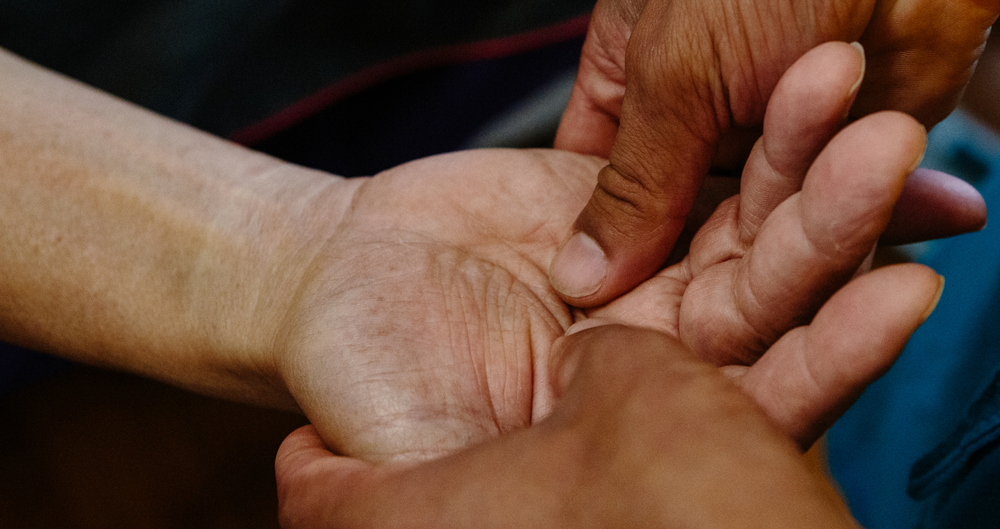
Here is a list of services available at Melbourne Massage and Treatment: Myotherapy Exercises Rehabilitation Remedial Massage Thai Massage MLD Thai Yoga What are these services about? First, any of those services are holistic services, so they can’t be official diagnoses for medical conditions, and Giovanni can’t prescribe any medications. What to expect is guidance on how muscularscaletol conditions, such as plantar fasciitis, tight muscle, muscle tear and more…can be looked after and overcome with manual therapy and exercises. As Myotherapist, Giovanni can guide you on how possibly the pain manifests and how with massage and specific exercises, the pain can be placed at ease. Part of the process of pain management is the change in habits. This can include posture at the workstation, but not only, but other changes can also include your training program, which maybe is too intense for your body and needs to be adjusted. How is the massage delivered? Any massage is delivered in total respect of the patient and the therapist. No nudity or sensual massage are available. Only the body area that needs attention would be exposed. The rest of the body is covered in a towel. Undress level is down to bra and underwear when need it. If we are working on your shoulder, there is no need to remove the pants. Regarding individual massage sessions, like myotherapy treatment, remedial massage, and/or Thai massage, an assessment of the muscular scale of the system would be delivered before the treatment. This assessment included a series of ROM. These assessments would help Giovanni understand what muscle or groups of muscles needs more attention during the treatment. What should I do before the massage session? Treatments such as myotherapy, remedial massage, and MLD include exposing the body parts that need to be worked on. Said so, having a shower before the treatment would be much appreciated. You don’t need to wear any perfume, a deodorant is enough. Should I shave? No, you don’t need to shave. If rock tape needs to be used, the rock tape can be placed over body hair. When you have to remove it, make sure to roll it downwards. Do not pull it off like it is a wax treatment. That could lead to ripping hair and skin off. Where does Giovanni work? Melbourne Massage and Treatment services are available at the Coburg. Book now your next appointment. If this post didn’t answer all your questions, don’t hesitate to message Giovanni through the Contact Page.

Jan
Achilles tendinopathy is a condition that manifests on the lower portion of the calf and is caused by overusing the muscle of this region, such as Gastrocnemius and or Soleus. Initially, you may not notice the issue, as it starts as a low-level inflammation and micro-tearing, but as the condition progresses, the damage and inflammation become more relevant. Achilles Tendinopathy can be easy to treat and manage when treatment is delivered in the early stages. If the injury is not looked after, the occurring damage could be much harder to resolve. Symptoms Most commonly, people experience pain in the morning or when the muscle is still cold. As the day progress and you start moving around, the pain may dissipate, and you start feeling better, ignoring the danger. Occasionally, the area would present swollen and or tender at the touch. Treatment options for Achilles Tendinopathy The management of this condition starts by improving the rest time and time off from sports activities, such as: Running Soccer Any sport which includes jumping or being on feet Other helpful approaches include: Heat pack Dry needling Improving Ankle and Big toes the mobility Massage Therapy Rock taping Achilles tendinopathies are not a condition that will heal on its own. As mentioned, it will feel better with rest, but as soon extra activities are played, the pain can back as strong as. Remedial Massage and or Myotherapy treatment can help target the painful area, stimulate an immune system response, and help with the recovery process. Also, along with the hands-on deep tissue work, mobilisation is a great way to reduce the tension in the ankle joint and improve the muscles’ functionality. After treatment, Giovanni will give you some exercises to take home. Those exercises would keep the area tension free, improve the joining mobility and strengthen the area.