
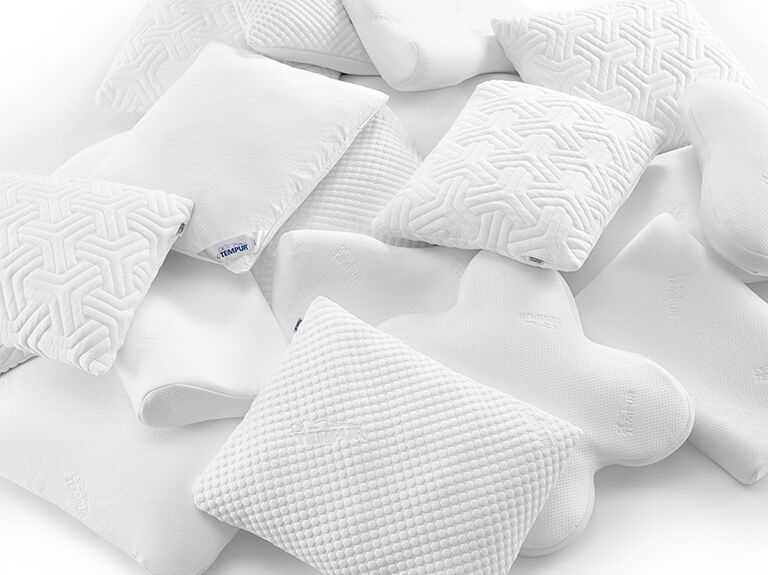
When treating someone for neck pain, a common question I get asked is: “Should I change my pillow?” or “I slept badly, my pillow is not good”. In fact, there is a common belief that a pillow or a bad night’s sleep is the cause of constant neck pain. While pillow comfort matters, clinical experience in myotherapy in Melbourne shows that pillows are rarely the root cause of ongoing neck pain. At a clinical level, neck pain is usually driven by: movement dysfunction poor spinal cervical stability previous injury history and reduced muscular control Therefore, a good pillow can support symptoms, but it does not fix the underlying issues that drive your pain. Coburg Myotherapy Insight: What Actually Causes Neck Pain? At Melbourne Massage and Treatment, a myotherapy clinic in Coburg, I consistently see neck pain linked to five key factors. 1. Spine Mobility and Stability Dysfunction The neck’s vertebrae are part of a full kinetic chain involving the thoracic spine, shoulders, and rib cage. Under this aspect, indeed, we should look into the lack of thoracic mobility which may cause the stable portion of your cervical (C3-C7) to seek that mobility capacity. But as we well know, a stable joint can’t act as a mobile, and vice versa. In more detail, poor spinal mechanics lead to: muscle overload in the neck joint irritation tension during rest and sleep And about the pillow, it is an object that cannot restore spinal movement or control. Isn’t it? 2. Whiplash History and Incomplete Rehabilitation Other patients with chronic neck pain may have a history of whiplash that was never fully rehabilitated. Indeed, a whiplash accident, as a result of a car crash or even during a contact sport incident, can lead to chronic neck pain, especially if not rehabilitated correctly. This happens because during a whiplash, the cervical joints get put under extreme force and can lead to a torn ligament or laxation. However, without structured rehab, long-term changes in: deep neck flexor control proprioception postural endurance can persist for years, or even show up after years of post-injury. So again, no pillow can change these symptoms or help you recover from such an injury. 3. TMJ Dysfunction and Jaw Tension Temporomandibular joint (TMJ) dysfunction is another underlying cause of neck pain. By following the kinetic joint chain we discussed earlier, we see that the TMJ is the next joint in the chain, after the cervical one. Therefore, Jaw clenching and TMJ irritation can: increase suboccipital muscle tension contribute to forward head posture amplify cervical joint stress That’s where you may wake up with more neck pain than during the daytime. The clantching can be heavily responsible for that. This is why neck pain is often worse under stress or during sleep. 4. Hypermobility and Joint Instability Following the concept of a torn ligament, as per a whiplash incidence, joint hypermobility is clearly another underlying issue for neck pain. This happens because there is a lack of stability and control in those cervical ligaments. This leads to: reliance on passive ligament support early muscle fatigue poor tolerance of sustained sleeping positions A “supportive pillow” alone may not solve instability and can sometimes reinforce dependency on external support rather than active control. 5. Neck Strength and Motor Control (8–12 Week Rehab Window) In my experience, this is the big issue. Most people don’t even think about the strength of their neck or upper shoulder muscles, and this is where things can go really wrong. Indeed, one of the most effective long-term treatments for neck pain is a structured strengthening program that targets: deep cervical flexors scapular stabilisers postural endurance muscles As per many exercise programs that intend to strengthen the body structure, we look at 8–12 weeks of progressive exercise-based rehabilitation. This is why many patients searching for neck pain treatment in Melbourne benefit more from rehab than passive support strategies. What the Research Says About Pillows and Neck Pain To support with evidence, why a pillow is not going to change in the long term, your neck pain, we can look at a systematic review from Pang J. et al. (2021), which found: Some pillow designs may reduce symptoms But long-term structural or functional improvements are limited and inconsistent Therefore, pillows may improve comfort, but they do not fix the underlying cause of neck pain. And yes, the pillow consistency can make a difference, but, again, it does not fix the neck pain, nor would it cause neck pain. Melbourne Myotherapy Approach: What Actually Works At Melbourne Massage and Treatment – Myotherapy Clinic in Coburg, I focus on evidence-based management of neck pain. Indeed, my approach to a client who presents with neck pain is structured as follows: Detailed analysis of clinical history – including previous history of injury and past/current sport activities Clinical assessment – active and passive range of motion, and neurological test where/when needed Outline your short-term and long-term treatment – what you want to achieve in today’s session and in the upcoming weeks/months, and what you are ready to do about it (exercise-wise) Treatment plan outline – what I believe could be a tailored treatment plan given the results of the above findings, including your short/long-term goals In all of these, Remedial Massage plays a crucial initial role to relax the nervous system, reduce initial pain and discomfort, promote healing and movement, but even techniques like mobilisation are ideal for treating neck pain and improving the initial outcome. But again, hands-on treatment is only the first step of the journey, and along with other myotherapy sessions that follow the initial consultation, exercises have to be the main focus. Exercises for the neck, for the shoulders and for your back. In summary, here is a dot point list of what a treatment plan aims for: cervical + thoracic mobility restoration deep neck flexor strengthening scapular control TMJ and jaw tension management (if needed) graded load tolerance programs These interventions address the true drivers of pain rather than just […]
Tag Archives: pillow

Blog
Facet Joint Irritation and Muscle Weakness: What You Need To Know
In my experience as a Clinical Myotherapist at Melbourne Massage and Treatment Myotherapy and Lymphoedema [...]
Continue reading
16
Oct
Oct

Blog
Chronic Pain: What it is, and what can you do about it?
Pain is something that we all experience, and it can start after an injury, during [...]
Continue reading
09
Oct
Oct
Blog
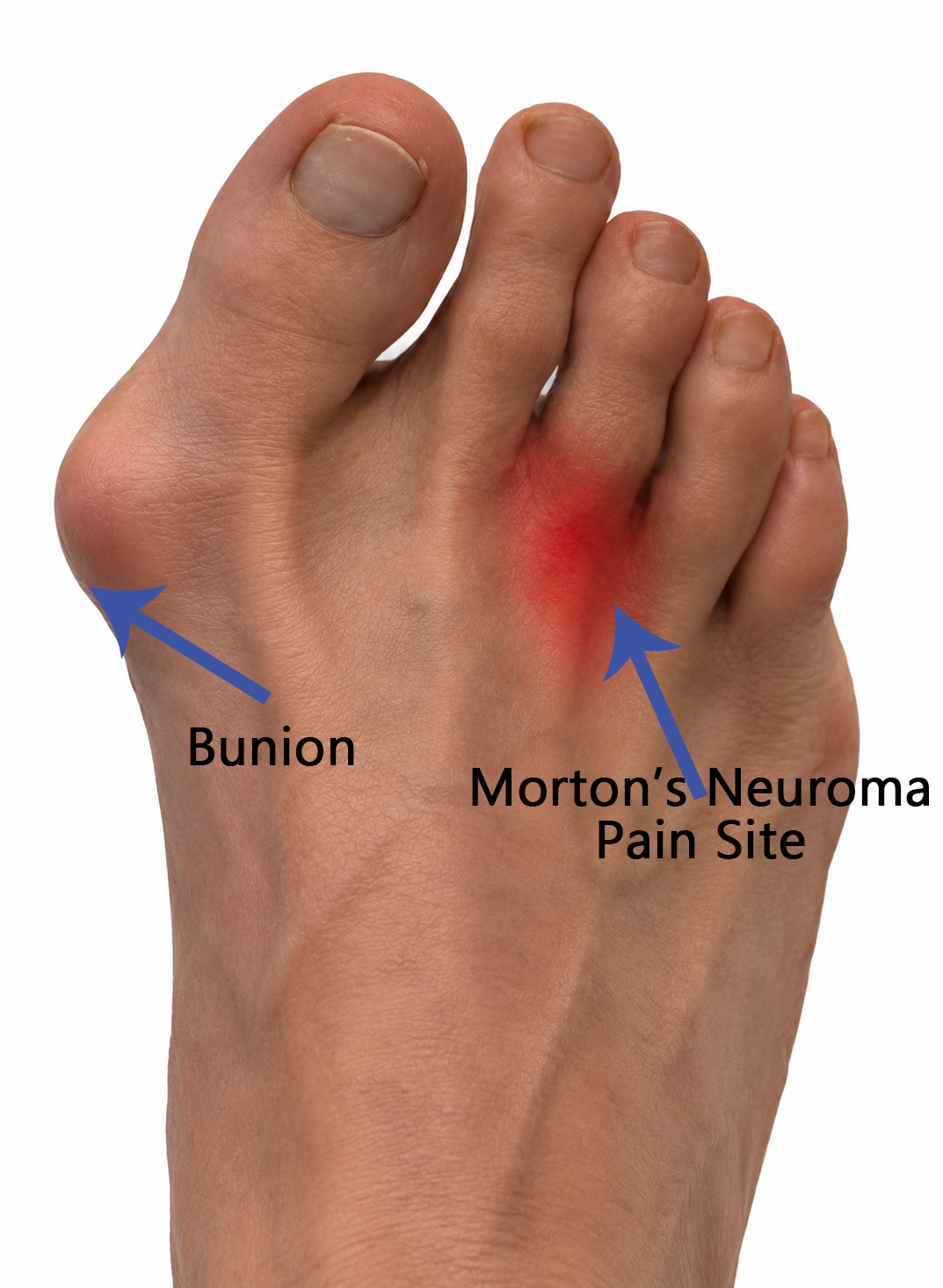
Bunion and Morton’s Neuroma: Can a Bunion Affect Neuroma Recovery?
While a bunion and a Morton’s neuroma are two different foot conditions, if they are [...]
Continue reading
26
Sep
Sep
Blog
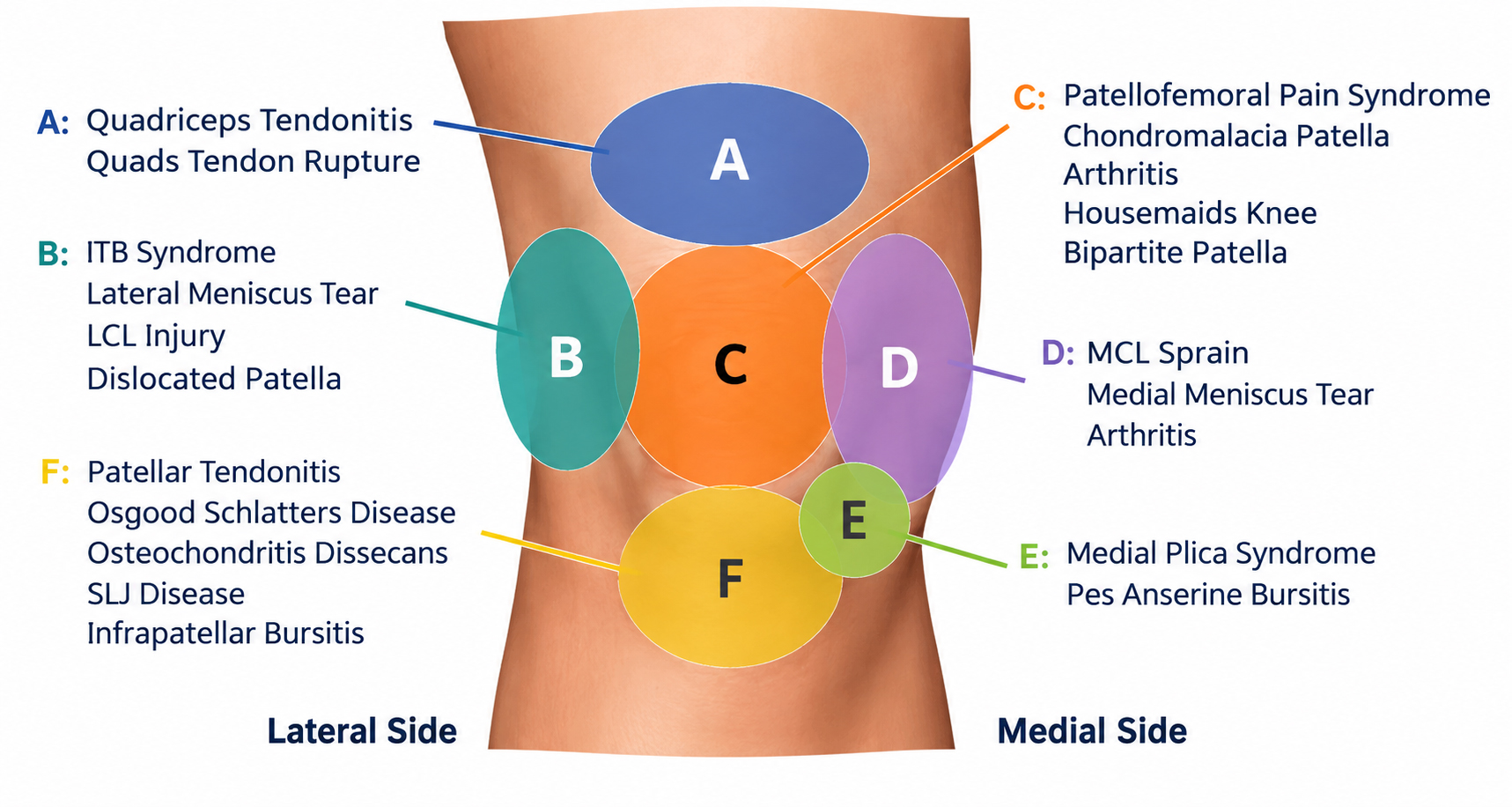
Knee Pain in Coburg
Knee pain is a common form of injury and can affect people of all ages [...]
Continue reading
21
Sep
Sep

Blog
Post-Surgery MLD Melbourne – Vodder MLD Therapist
Any form of surgery is an invasive procedure for the body to deal with, and [...]
Continue reading
14
Sep
Sep