
As a therapist who works with Lymphatic Massage in Coburg and with post-cosmetic-surgery patients, I often get asked, “What’s the difference between MLD and Brazilian lymphatic drainage?” To answer this question, I often have to give people a background of my training as a Lymphatic Drainage therapist and what is happening to their body post-liposuction. What are the differences between Vodder MLD and Brazilian Lymphatic Drainage? Vodder MLD, which is the therapy I offer for post-cosmetic surgery and also Lymphoedema management, is a very light, rhythmical, skin-stretching technique. It has about 100 years of history, and it has a strong research base for lymphedema management and is useful in postoperative recovery, either in cosmetic or orthopedic surgery. Brazilian lymphatic drainage, on the other hand, tends to be firmer, more continuous, and pragmatically geared toward reducing swelling and bruising after cosmetic procedures, but it has less scientific evidence to support any benefits. For post-cosmetic surgery lymphatic massage (liposuction, abdominoplasty, facelifts, tummy tuck…) I would strongly recommend gentle Vodder-style MLD, and here is why: Any surgery, including cosmetic surgery, is highly invasive for the body, and therefore, you will present post-surgery with High skin sensitivity Swelling and bruising Pain A gentle approach, such as Vodder MLD, would allow: Reduce the swelling with a pain-free approach The takeaway exceeds inflammation Help reinforce skin sensitivity As the healing process progresses and you move from the acute to the sub-acute healing phase (week 2 to week 3), we can start applying stronger pressure to break down fibrosis. What people call “Brazilian Lymphatic Drainage” “Brazilian lymphatic drainage” (BLD) is a manual therapy that is getting famous thanks to social media presence and some influencers talking about it. It is a practice which often refers to faster, more continuous wave-like movements and sometimes firmer pressure than Vodder MLD, and involves the usage of oil too. Those who offer Brazilian Lymphatic Drainage claim a faster recovery after aesthetic procedures (reducing bruising, local oedema, and tissue stiffness), even though clinical literature that looked into BLD in aesthetic and post-op settings, like randomised trials, describes this technique as debatable, and furthermore, the evidence of its efficacy is limited compared with Vodder studies. What does the research say? Systematic reviews on MLD (Vodder used often) show MLD is commonly used for decongestive therapy in Lymphoedema patients. The quality of the evidence varies, while effect sizes are moderate for some outcomes. Randomised trials that compare Vodder MLD with other modalities (e.g., compression, pneumatic compression) report benefit for symptoms and arm volume in breast cancer-related lymphedema and postoperative swelling in some surgical contexts. An early RCT explicitly used the Vodder technique and showed benefits in arm lymphedema management. Recent reviews and clinical articles regarding plastic surgery literature highly support the use of postoperative lymphatic massage. The recommendations are to receive MLD one to three times a week, in the early recovery phase, for reducing swelling, pain, fibrosis and improving comfort. That said, often that information is shared by the surgery clinic staff after the surgery; therefore, it’s always better to choose a clinic that is clear and transparent about the post-surgery recovery, and not only about the surgery itself. When looking for studies about the Brazilian Lymphatic Drainage massage, it is hard to find something that is specific enough about this technique, and that doesn’t mix data and trials with other techniques, like bandaging and exercises. Therefore, it’s hard to evaluate the quality of this technique in terms of the RCT protocols. MLD – What works for what? Practical comparison For lymphedema (medical swelling after lymph node removal/cancer). When someone presents with lymphedema, the best choice is Vodder-style MLD as part of complete decongestive therapy. I don’t do this recommendation only because I offer this service, and I know its potential, but also because Most RCTs and meta-analyses have evaluated MLD (in Vodder style) as the safest and evidence-based treatment that has enough relevance for this type of presentation. For early post-operative care after cosmetic procedures (e.g., liposuction, abdominoplasty, facelifts, tummy tuck). In any given surgery, along the acute phase, the body is a high state of inflammation and the site of surgery would be delicate to touch for several weeks post surgery, indeed a gentle approach to the area is highly recommended, so Vodder-style MLD is way safer compare to Brazilian Lymphatic Drainage, because the tissues are fragile; MLD at this stage in time, it would helps reduce oedema and bruising and promotes comfort. Many plastic surgeons recommend MLD early and frequently in the first 2–6 weeks. Later phase (2–6+ weeks): While healing is progressing and you step into a sub-acute phase of recovery from the post-cosmetic surgery, firmer or more targeted techniques, which recall what Brazilian Lymphatic Drainage can be used to address residual fibrosis/stiffness, always with the surgeon’s clearance. That said When dealing with post-cosmetic surgery fibrosis, even Vodder MLD would include firm pressure. That’s how fibrosis is broken down. For general wellbeing, detox/relaxation, cellulite or fluid retention Gentle MLD (Vodder) is great for relaxation, reducing mild fluid retention, and supporting circulation without soreness. Good for regular wellness maintenance. Brazilian-style DLM is often used in aesthetic clinics for body contouring and cellulite care; people report feeling less heaviness and faster visual improvement, but high-quality evidence is more limited, and outcomes vary with practitioner technique. MLD Safety & Contraindications – What You Need To Know In my practice, I am selective about who I offer MLD, especially after cosmetic surgery, and here is what I would look out for: Active infection Uncontrolled heart failure Acute deep vein thrombosis (DVT) Untreated cancer without clearance Fever Recent major bleeding or unstable medical conditions Liver or Kidney conditions After cosmetic surgery, you have to make sure to follow the surgeon’s recommendation about antibiotic intake, and or other medications. MLD can not start unless you are cleared of all the above. So, which do I recommend, Vodder or Brazilian Lymphatic Drainage? It is now quite clear that at Melbourne Massage and Treatment, for MLD, […]
Category Archives: Blog

Blog
Facet Joint Irritation and Muscle Weakness: What You Need To Know
In my experience as a Clinical Myotherapist at Melbourne Massage and Treatment Myotherapy and Lymphoedema [...]
Continue readingOct

Blog
Chronic Pain: What it is, and what can you do about it?
Pain is something that we all experience, and it can start after an injury, during [...]
Continue readingOct
Blog
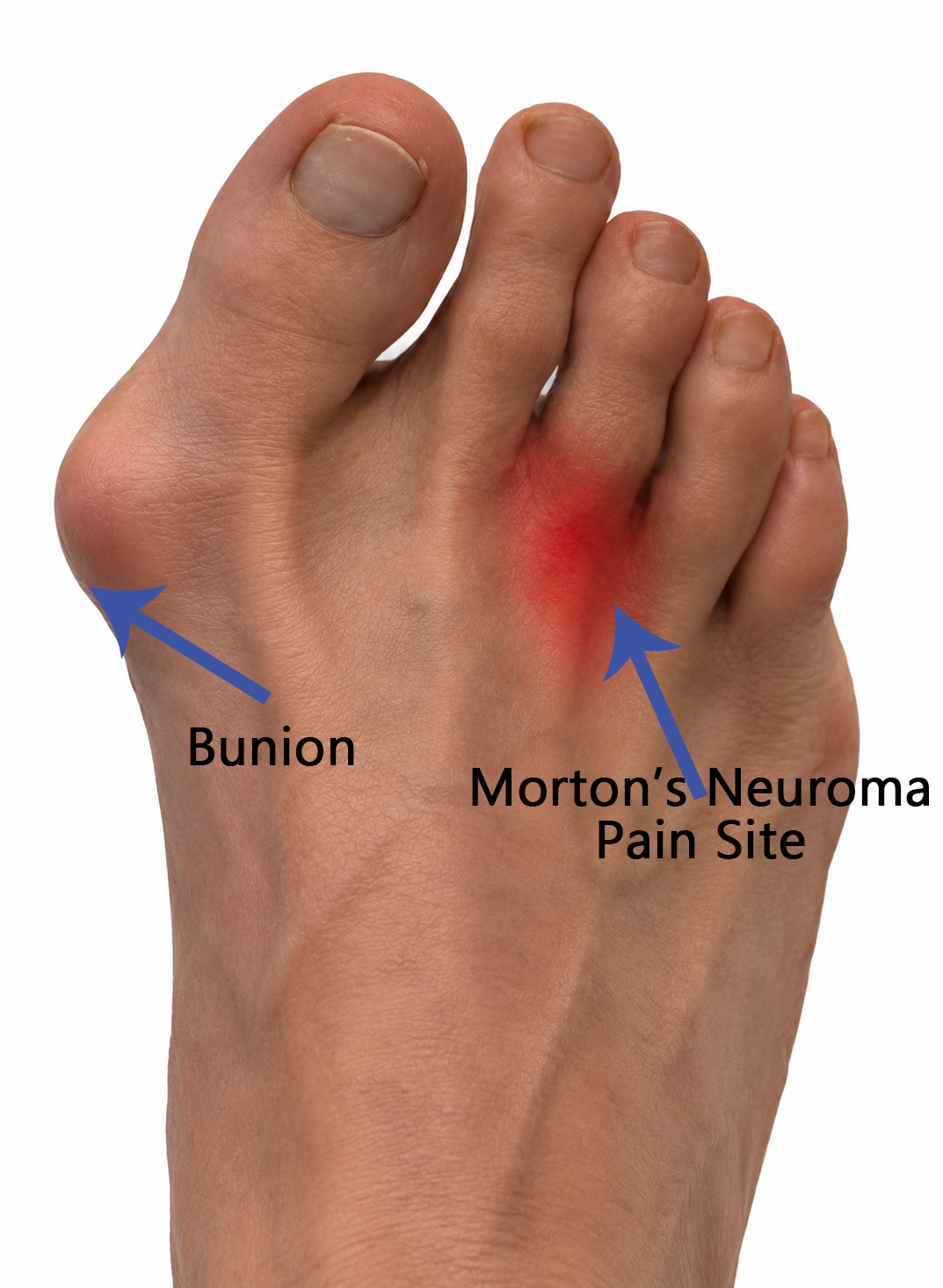
Bunion and Morton’s Neuroma: Can a Bunion Affect Neuroma Recovery?
While a bunion and a Morton’s neuroma are two different foot conditions, if they are [...]
Continue readingSep
Blog
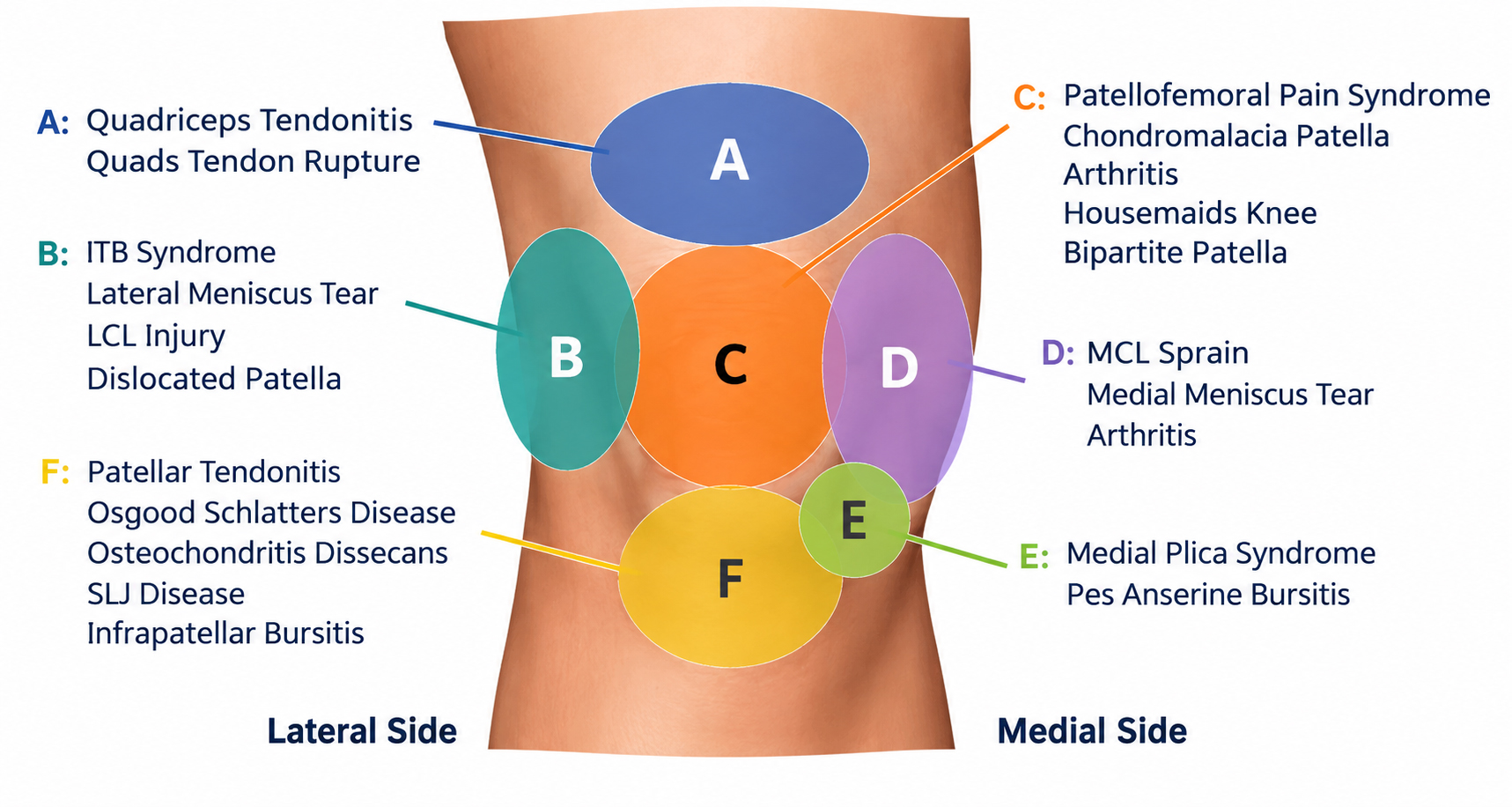
Knee Pain in Coburg
Knee pain is a common form of injury and can affect people of all ages [...]
Continue readingSep

Blog
Post-Surgery MLD Melbourne – Vodder MLD Therapist
Any form of surgery is an invasive procedure for the body to deal with, and [...]
Continue readingSep
Dec
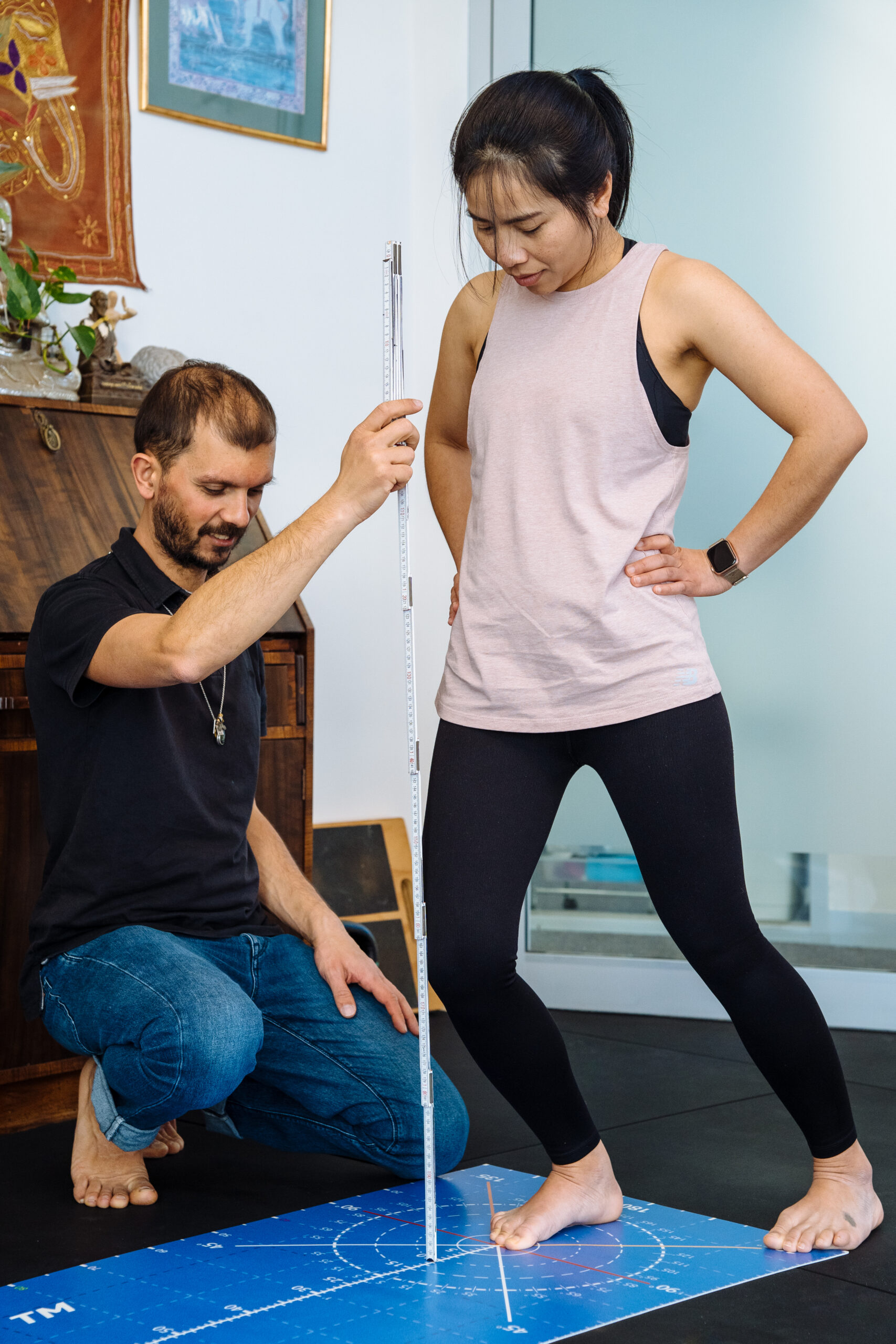
ACL stands for anterior cruciate ligament, and is the strongest ligament in the knee. ACL injuries can be time-consuming, depending on the severity. At Melbourne Massage and Treatment in Coburg, I offer an ACL rehab program that aims to help you recover based on your clinical history, daily activities, including your sports, if any, and consider that the healing time can’t be boosted, but assisted. ACL – What It Is? ACL is the strongest ligament in your knee, and connects the femur to the tibia. Its role is to keep the knee stable, especially during activities that involve sudden stops, changes in direction, or jumping. You can then understand why so many athletes or sports lovers end up with an ACL-type injury. As with all ligaments in our body, the ACL doesn’t have an excellent blood supply, which makes its recovery longer, compared to what can be a muscle injury. What is Myotherapy and How Can It Help with ACL Rehab? Myotherapy is a hands-on treatment method that targets muscular pain, improves joint mobility, and addresses the root causes of musculoskeletal injuries. For ACL rehab, this approach is essential because an ACL injury affects not just the knee but the surrounding muscles, joints and movement patterns. Hands-on treatment can indeed be a good start for rehab and injury, as it not only creates a trust between the patient and the therapist, but can help in creating better awareness of the muscles, which in a second phase of the myotherapy appointment are going to be used for delivering tailored and injury-specific exercises. The goal is to support your ACL recovery and knee rehabilitation holistically. ACL Injury: Scan and Manual Test There are several methods of diagnosing an ACL injury. Scans: Arthroscopy – A keyhole surgery, where a camera is inserted in the knee to check the level of injury. Partial or complete ACL tear. Magnetic Resonance Imaging (MRI) – Less invasive than an Arthroscopy, but still expensive to run. Indeed, it is rare nowadays; in Australia, you can get an MRI prescribed for this presentation. More information is available here. Manual Test Lachman test Lateral Pivot Shift Test Anterior Draw Test Those together with an attemptive clinical history, range of motion and functional test would help to tailor a conclusion on a possible ACL injury. ACL and Surgery – Is Surgery Still a Thing? Surgery techniques and technologies have come a long way from what we could expect, and yes, ACL surgery is still a thing. That said, before going for surgery, you will be asked to try and recover from your injury with conservative treatment, like a rehab program. The reason behind this is: Suregey cost and pressure on the public health system Rehab gives as good results as surgery most of the time Surgery also goes by the severity of your injury – is any other knee tissue/structure injured, or is it only the ACL? Post surgery, you still have to go for rehab, and it would still take 6 to 12 months for a full recovery. Athletes may benefit the most from ACL surgery, given its longer-lasting effects on knee stability. More information about ACL rehab vs ACL surgery is available from the systematic review by Papaleontiou et al (2024). The ACL Rehab Phases: Strengthen Beyond the Knee To recover from an ACL injury, we need to look behind the mechanics of your lower limb, and set a starting and and ending point of recovery. Acute Phase In the acute phase, which is the first one to two weeks after injury, we may focus on isometric holds, gentle movement, and spend more time on hands-on treatment. In this phase, the aids of crutches is mandatory. Strength Phase Past the acute phase of the injury, you will notice how it would be easier to engage the knee joint, as the swelling would be eased, and therefore, you can achieve greater movement. There, we will start incorporating eccentric and concentric loads, with some light-weight or light-resistance bends. This phase can last somewhere between 10 and 12 weeks. All of these would be a step-by-step process. So the loads would be progressed weekly, based on the strength and mobility outcome. Sometimes, you will have to push through some mild pain, but the most important thing is that you keep that joint moving, and have good rest, good food too, to enhance the recovery at its best. Return to daily activity – RDA In the final stage, the focus would shift to plyometrics, an essential part of ligament rehab. That’s where we would re-train your knee to act pre-injury time. This can take another 12 to 24 weeks. It all depends on the severity of the injury and what your needs, in terms of sport or daily activities, are. So, the combination of myotherapy treatment with targeted rehabilitation exercises and fitness classes for recovery is what makes Melbourne Massage and Treatment service stand out. In my rehab-focused classes, we work on: Strengthening the muscles that support the ACL Improving balance and stability to prevent re-injury Gradual conditioning to safely return to sports, running, or everyday activities My Personal Approach At Melbourne Massage and Treatment, I work one-on-one with each client. I assess your movement, identify areas of weakness or tension, and design a personalised ACL rehab program. To be even more specific to your individual presentation, I do use THE MAT as an aid. A measurement tool that allows me to test your mobility and stability, giving us objective numbers and data to work on, too. Recovery from an ACL injury takes time, but with the right approach, you can regain full function and return to the activities you love. I’m here to guide you through every step of your ACL rehabilitation journey. If you’re ready to start your ACL rehabilitation in Coburg or want to see how myotherapy can help, book a session with me at Melbourne Massage and Treatment today. Let’s get you moving stronger and safer than before. FAQs […]
Dec
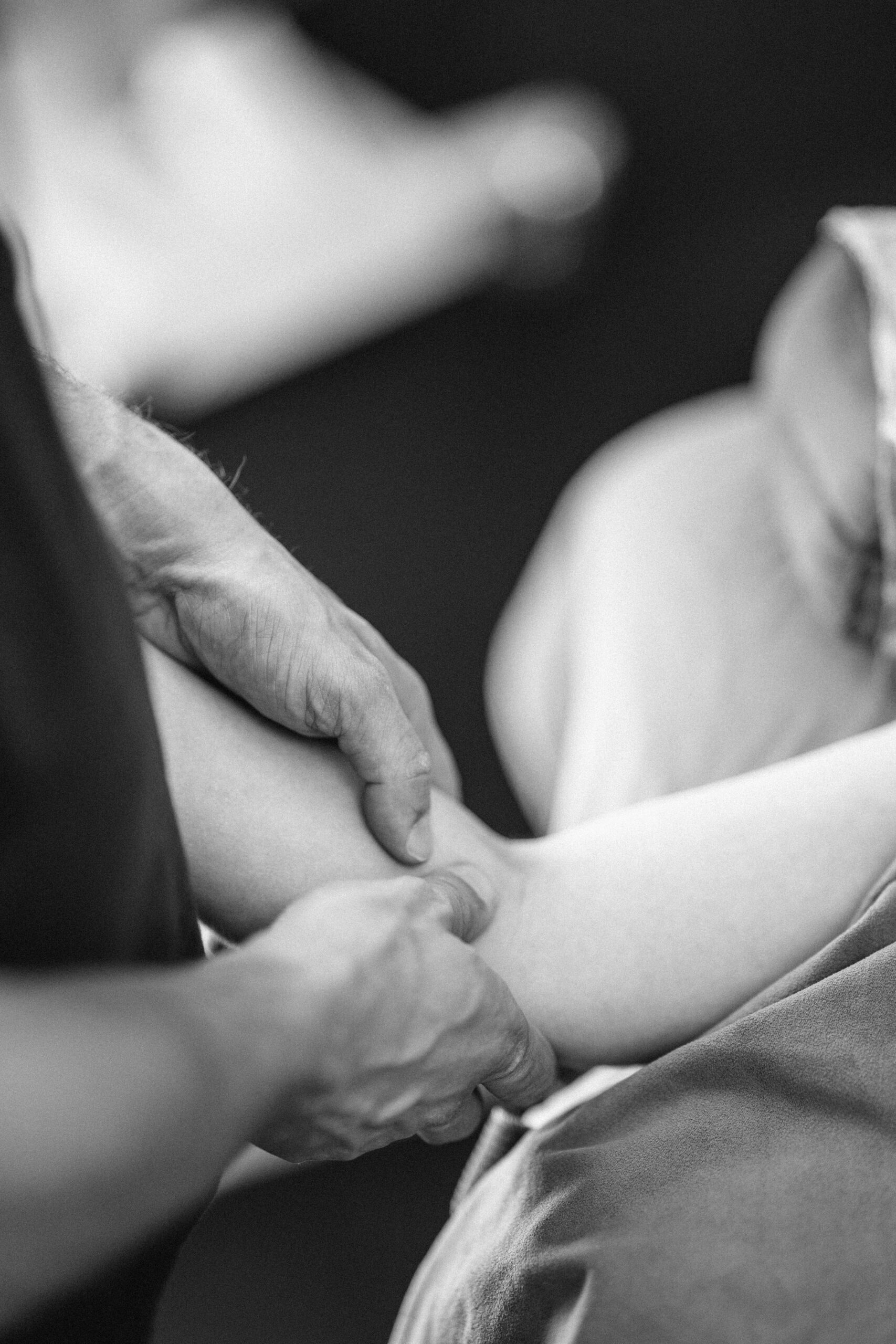
Liposuction interventions are on the rise, driven by the enormous influence of social media on how we look and by the abundance of cheap clinics worldwide. While liposuction surgery removes stubborn fat deposits, the recovery period from this type of intervention is often underestimated. As a clinical myotherapist specialised in Manual Lymphatic Drainage (MLD) Vodder style, I regularly work with clients who are navigating the post-operative process, and I often get to hear clients who haven’t been fully informed about the post-surgery care needed, and the timeframe of recovery. Indeed, many patients who have undergone Liposuction surgery are surprised to learn that MLD plays a supportive role in the recovery process, and not by “boosting” healing, but by complementing your body’s natural ability to manage swelling, fluid congestion, and fibrosis. Below, I explain what liposuction involves, why MLD is recommended before and after surgery, and what you can expect during the healing timeline. What Exactly Is Liposuction? Liposuction is a surgical procedure that aims to remove excess fat from targeted areas of the body. There are different ways in which liposuction can be delivered, but what they all have in common is the usage of a cannula to break down and suction fat from beneath the skin. Once the surgery is delivered, and the fat is removed, the body experiences trauma in the form of: Swelling Fluid accumulation Tissue inflammation Disruption to lymphatic pathways Development of fibrosis (hardened or rope-like scar tissue) Superficial blood cloth Manual Lymphatic Drainage (MLD) is a manual therapy that can make a significant difference for all those presentations. How Manual Lymphatic Drainage Supports the Healing Process MLD is a non-invasive, gentle manual technique that stimulates the movement of lymphatic fluid toward functioning lymph nodes. Compared to a regular massage (Remedial Massage, Deep Tissue, Thai Massage…), it does involve the usage of oil or creams and does not aim to reproduce any pain or inflammatory response. In fact, it is the opposite; it aims at taking away excessive inflammation, as this is one of the many roles of the lymphatic system, and the technique I used is Vodder style, which is clinically recognised for its rhythmic, directional, and methodical application. Here’s how MLD supports recovery after liposuction: Reducing Post-operative Swelling As with any surgery, even Liposuction leads to significant swelling as the body implements an inflammatory response post-trauma (the physical damage of cutting the skin open and removing body tissue). MLD helps guide the fluid that builds up due to the inflammatory response back into the lymphatic circulation, easing pressure and discomfort. Minimising the Formation of Fibrosis Fibrosis is the body’s natural response to invasive body intervention and to sudden skin dilatation; indeed, it is a common presentation in Lymphoedema too. The fibrotic tissue is a common concern after liposuction, and without proper care, tissue can become firm and lumpy, affecting the final aesthetic result.Here is how MLD supports the breakdown and prevention of fibrosis: Increasing lymph flow Softening congested areas In the fibrotic area, we apply strong pressure (still pain-free) to break fibrosis down Encouraging natural tissue remodelling That’s where more frequent treatment is most helpful. To break and manage fibrosis at its best. Preparing the Body Before Surgery The reason why MLD should be considered as a pre-operative intervention too, lies in the fact that a stimulated Lymphatic System place you in an advantageous position along the recovery process, by improving lymphatic circulation, creating better conditions for tissue recovery after surgery. When Should You Start MLD After Liposuction? Once the surgery has been delivered, the ideal time to begin MLD is as soon as you have finished your course of antibiotics, as long as: All open wounds are closed, and No infection is present. The above are essential precautions to prevent the spread of infections. Also, the early start of MLD practice would ensure the best outcome post-surgery. What To Expect from MLD Treatment Post-Liposuction While many patients find out about MLD only after they receive the surgery, and this often happens when they have their surgery overseas, in countries like Turkey, Thailand, Bali, they are still not sure till the time they meet me, what MLD treatment would be about for their post-surgery recovery. In this case, I always explain in detail what the treatment is going to be about, starting with and overview of: What is the lymphatic system How we stimulated What you should expect post-treatment, and what to do and not to do Healing time frame Other topics I had to share and reassure my patients about are: MLD is not painful There is no body fluid extraction I am not going to push liquid out of your incision Yes, you need to drink plenty of water post-treatment I found that patients who undergo liposuction, especially in Turkey, come back with tough stories about acute post-surgery care, where they get their incision reopened, and liquid milked out from there. THIS IS A DANGEROUS PRACTICE AND IS NOT MLD AND IS NOT WHAT I OFFER ANYWHERE UNDER ANY CIRCUMSTANCES. How Should You Prepare Yourself for and MLD Treatment? Here is a list of things to be aware of before you go for and MLD treatment: Food and water – You can eat a light meal a few hours before your treatment and ensure you drink only water before and after the treatment. Strictly avoid alcohol – Avoid any form of intoxication before and after treatment, as this can make you really sick and unwell Medication and Clinical History – In the initial consultation form, you must declare any medication you are taking or have taken and your clinical history, to ensure no contraindications for MLD are present. Avoid cream or lotion – Application of cream or lotion on the skin would make the skin slippery and more difficult to stretch, impairing then the stimulation of the lymphatic system Post Treatment – MLD is extremely relaxing. Ensure to have some time off after your session, in case you feel like a nap or not doing […]

Dec
Joint hypermobility is often seen as an advantage or as a healthier status. How often have you heard someone say, “Oh, I can’t do that! I am stiff as!” while looking at someone else who can easily bend over and touch their toes. In this blog, we are going to take a look at the risk related to hypermobility and the lower-limb risk of injury. What is Joint Hypermobility? Joint hypermobility refers to the ability of a joint to move beyond the normal range of motion. A joint is a structure made of ligaments that connect two or more bones, and when it is hypermobile, it is due to the connective tissue being looser or to variations in collagen. It is hard to estimate the total number of people who are hypermobile, and there are also certain health conditions that are related to this presentation, but overall, the majority of people who are hypermobile do not suffer from any direct pain because of this presentation. On the other hand, if doing specific sports activities, the risk of injury may increase. We will see why later. How Do We Test for Joint Hypermobility? – The Beighton Score During a Myotherapy or Remedial Massage initial consultation, a hypermobility test is something that we commonly look at at the start of the session. The Beighton Score allow us to determine the excessive hypermobility a patient may present with and helps us understand what range of motion we are expecting from specific movements. The test consists of 9 passive movements that test the flexibility of the: Elbows; Knees; Fingers; Thumbs; Pelvis Each side of the body is tested (for a total of 9 possible joints), and the higher the score, the more hypermobile the person is considered to be. The passive movement is delivered by the therapist, which moves the patient’s joint. Beighton Score Tests: Bending the index or middle finger backward beyond 90° (one point each side) Bending the thumb back to touch the forearm (one point on each side) Hyperextension of the elbows beyond 10° (one point each side) Hyperextension of the knees beyond 10° (one point each side) Bending forward with straight knees and placing palms flat on the floor (one point) Scores: 0 to 2 points – Hypomobile 3 to 4 points – Norms 5 to 9 points – Hypermobile What the Research Says About Injury Risk A systematic review from Pacey et al. (2010) found that: Knee injuries are significantly more common in hypermobile athletes, especially in contact sports such as football, rugby, and basketball. The risk of knee injury was up to 4.7 times higher in hypermobile individuals compared to their non-hypermobile peers. Interestingly, ankle injuries did not show the same increased risk. This systematic review concluded that yes, hypermobility may increase the risk of injury, but only for specific joints. Why Are Hypermobile Joints at Risk? Now, let’s try to understand why hypermobile joints are at risk. Joint instability: Looser ligaments provide less support and lack stability. Muscle overcompensation: Muscles around the joint may have to work harder to stabilise movement. Delayed proprioception: Hypermobile individuals may have reduced awareness of joint positioning, making them more susceptible to awkward landings or twists. These factors combine to place increased strain on the knees, particularly during high-impact and contact activities. Managing Joint Hypermobility with Strength Training Joints’ hypermobility is not something that can be changed to the extent of the ligament’s lack of stiffness, at least to any significant level (when looking at adults), but it can be managed via strengthening the muscles that cross the hypermobile joint. Benefits of Strength Exercises for Joint Hypermobility: Improved joint stability: Stronger muscles support the joints and reduce reliance on ligaments. Better proprioception and control: Resistance training helps improve coordination and joint-position awareness. Injury prevention: By creating balanced strength around vulnerable joints (like the knee), you can reduce the likelihood of strains, sprains, and dislocations. Practical Exercise Tips: Focus on controlled movements over heavy lifts – Lifting heavy helps you build hypertrophy in the muscle. Incorporate closed-chain functional exercises (like squats, lunges, and leg presses) that mimic real-life movements. Train the stabiliser muscle of the body: Calf muscles for the ankles Quads, hamstrings for the knee Abdominal muscles for the lumbar area Cuff rotator muscles for the shoulders Biceps and triceps for the elbows This is a breakdown and a simplification of what can be done. But when going for strength training, you can be sure that all those muscles would be included in any generic workout. Final Thoughts Hypermobility is not a limitation; it’s simply a characteristic of how your body moves. However, when combined with physical activity, especially in contact sports, it is associated with a higher risk of knee pain and injuries. The good news is that strength training and targeted rehabilitation can help protect hypermobile joints, improve performance, and keep athletes active for longer. If you suspect you have hypermobility, book a Fitness Class here at Melbourne Massage and Treatment, Coburg, and let’s start working on your presentation by choosing your goals and achieving them step by step. FAQs:

Nov
As a Myotherapist and Lymphoedema Therapist here in Coburg, I’ve always believed that movement is one of the most powerful tools for health. Exercise isn’t just about getting fit; it’s about feeling stronger, moving with ease, and living life without pain. Recently, I completed professional training in Kinetic Link Training (KLT), and it gave me the opportunity to see fitness classes and rehabilitation programs under a new light. I’m now offering KLT sessions in Coburg as part of my fitness class at Melbourne Massage and Treatment, in order to help clients move better, recover well, and build long-term strength. Why Exercise Is Good for Everyone The benefits of regular exercise are many, including: Improves muscle tone; Boosts energy Supports joint health; Improves posture; Reduces stress So it doesn’t matter what your goal is, whether you are recovering from an injury, working a desk job, or simply wanting to feel stronger, functional movement training is one of the best investments you can make in your health. That’s why we said that movement is medicine. And Kinetic Link Training is ideal for any fitness level, given the simplified structure of its exercises, and the fact that its setup can be easily replicated at home with some resistance bands and some light dumbbells. How Kinetic Link Training Is Different from Conventional Training More traditional gym workouts often aim to work one group of muscles at a time, with a primary focus on agonist muscles, agonist to a certain movement, such as bicep curls, leg presses, and shoulder raises. Nothing wrong with those exercises, they definitely help you build strength, yes, but not always functional strength. That’s where Kinetic Link Training is different, as KLT is built around integrated, full-body movement patterns that connect the upper and lower body through controlled, coordinated actions. Instead of training one movement at a time, you train the body as a connected system. This style of training improves: Core stability and posture Joint mobility and balance Real-world strength and coordination To simplify it, KLT helps you move better, not just lift more. Therefore, having a goal in mind when choosing to start training can help you define the type of training you may need and want to go for. Kinetic Link Training Is Also Ideal for Post-Surgery and Injury Recovery Rehab KLT is an excellent option for rehabilitation and post-surgery recovery. A few keys component that makes KLT so safe are: Low-impact exercises Controlled movement Entirely adjustable for your needs You can train easily at home What then makes KLT effective for rehabilitation is the fact that you will be asked to do natural movement patterns that can help in regaining body strength safely. In fact, KTL is ideal for anyone looking to rebuild function, improve range of motion, and return to daily activity with confidence. Perfect for Beginners and Those New to Strength Training If you’ve never done strength training before, KLT is a gentle and intelligent place to start. “Why so?” you may ask. Well, the beauty of KLT is that it allows you to perform any exercise to your capacity, and from there, you can not only increase the load or resistance, but you can also increase the degree of movement. Let’s take, for example, a posterior pull with a double leg squat: In this exercise, you are going to start in a squat position (max depth is quads parallel to the ground), facing the machine or the cable direction, while your arms are fully extended. To deliver the exercises, you will be asked to stand while pulling the cable towards yourself, with the elbows running alongside the ribcage. Now, let’s consider a person who may have difficulty squatting. They are not required to go as deep to start with, but still, they can apply a full upper body range of motion, which is basically like a lat. raw exercise. The depth of the squat would come with time and practice. This is only an example of how exercises can be adapted You don’t need to be strong, flexible, or experienced. The movements are easy to learn and can be scaled to any fitness level. Kinetic Link Training: A Balanced Full-Body Workout Now, another great advantage of KLT is the engagement of the upper and lower body in all its exercises. As explained in the example above, along with the KLT exercises, you are required to engage in: Upper body movement: Push Pull Arch Double or Single arm. Different directions, “from where” and “to where” the cable may run: Very Low Low Mid High Very High With or without crossover. Lower body movement between: Squat – Double Leg, Single Leg, Wide Stand Lunge – Anterior, Posterior, Lateral Calf Raises (as a progression of the end/start of squat movement) Which can also be subcategorised as alternated, Split, Reciprocal, and Partial Standing direction: 0° – Facing the cable 45° – To the cable 60° – To the cable 90° – Your L/R side is facing the cable direction 180° – You are giving your back to the cable direction Now, combine all of those options, and you easily end up with thousands of exercises that engage the upper and lower body with an incredible variety of regression and progression. Indeed, this is why every KLT session integrates upper and lower body movements, creating balanced, total-body strength. This ensures you don’t overwork one area while neglecting another. KLT and Lymphoedema Lymphoedema is a chronic condition characterised by severe swelling of the limb due to failure of the Lymphatic System. It can occur due to a congenital presentation (primary Lymphoedema) or post-surgery (secondary Lymphoedema), as often happens after cancer surgery. To manage a Lymphoedema presentation, exercises are essential, as the lymphatic system is stimulated by muscle contraction. Based on the severity of your lymphedema, we can use KLT to help you boost lymphatic fluid circulation and build resistance in the joints and limbs affected by lymphedema. Functional Fitness Coburg Bringing Kinetic Link Training into my practice at Melbourne Massage […]
Nov
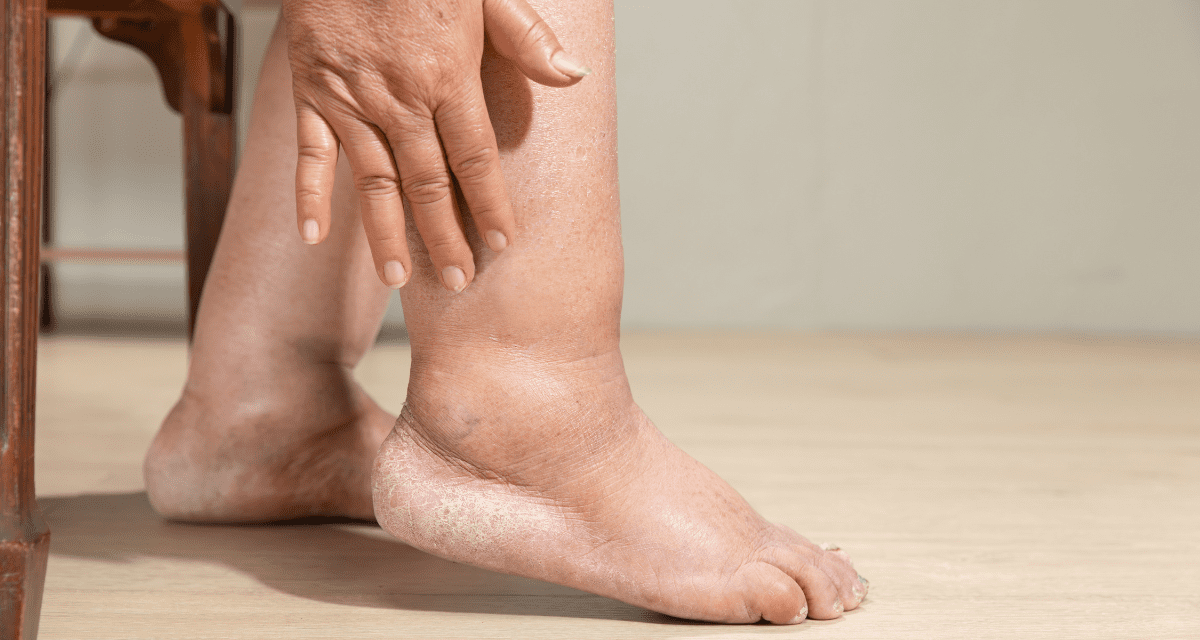
If you’ve noticed swelling in one or both of your legs, it’s natural to feel concerned. Leg swelling, or severe oedema, can have many causes, and understanding the difference between them is key to getting the proper treatment. In this blog, we are going to discuss the different reasons why legs may swell, and how to recognise the key factors of Lymphoedema, and when you’d better consult a GP to address the other issues Is the Leg Swelling in One or Both Legs? To start, we want to observe whether the swelling is monolateral or bilateral —i.e., on one leg or both. Unilateral (one leg):In this case, we may look at a lymphoedema, but we also have to consider a possible vascular-related cause such as deep vein thrombosis (DVT), venous or arterial insufficiency, or trauma. If DVT is suspected, urgent referral is essential. DVT symptoms include: Redness Heat Pain Possible post-flight or prolonged period of immobilisation If it’s venous or arterial insufficiency or injury-related, compression therapy may be started once it’s safe. A specific scan of the vascular system can assist with diagnosis. Your GPs should be able to refer you to a vein specialist to further investigate the presentation. Bilateral (both legs):This may indicate a more systemic or internal cause, such as: Heart, liver, or kidney disease Low protein levels (hypoalbuminaemia) Thyroid issues Medications or reduced mobility Lymphoedema is unlikely to be bilateral, unless severe damage happens to both limbs or the abdominal area, where the lymphatic system is completely damaged. In this case, we still want to rule out any other conditions and dive deep into your medical history. Symmetrical vs Asymmetrical Leg Swelling Symmetrical swelling often suggests internal illness or lipodema, which is a chronic fat distribution disorder that can mimic lymphoedema but is not caused by lymphatic failure. Asymmetrical swelling, where one leg is noticeably more swollen, could point toward lymphatic or venous problems. Understanding the Type of Oedema Once vascular or systemic causes are ruled out, the swelling is classified into types: Venous Oedema Usually linked to chronic venous insufficiency, and the treatment include: Compression bandaging or stockings Exercise and elevation Managing weight and mobility For any MLD treatment and/or intense exercise activity, a safety disclosure from the GP or specialist may be recommended. Lymphatic Oedema (Lymphoedema) Lymphoedema can be primary (congenital or inherited) or secondary (caused by surgery, infection, trauma, or cancer treatment). Either way, if left untreated, it can lead to skin thickening and fibrosis. Furthermore, if the skin suffers a cut or a crack, it can get infected. Therefore, the earlier the intervention, the better. Treatment: Manual lymphatic drainage (MLD) Compression garments or bandaging Skin care and gentle exercise Multidisciplinary management I wrote a specific blog about the characteristics of Lymphoedema and explored the possibility of excluding other conditions. Read it here. Mixed Oedema When a mixed oedema is the presentation, a referral from a GP is essential to ensure there are no contraindications to MLD or compression therapy for treatment. When both venous and lymphatic systems are involved. Needs a combined approach of compression, skin care, exercise, and lifestyle support. Getting the Right Diagnosis and Support If you suspect lymphoedema, it’s essential to get a clinical assessment. At Melbourne Massage and Treatment in Coburg I can help you with that. Things that we will look into are: The pattern and duration of swelling Does the swelling worsen in the heat? Where does the swelling start from? Skin condition Is the skin intact? Does the skin have any elasticity? Medical history and possible triggers Family history of Lymphoedema Any history of cancer or general surgery? Response to elevation and compression Does elevating the leg make a difference in swelling reduction? Does adding compression to it help? Early diagnosis helps prevent complications such as infections or long-term tissue changes. Final Thoughts Swelling in your leg doesn’t always mean lymphedema, but it’s something worth checking out. Things to look into, to narrow down the possibility of having lymphoedema are: Swelling in one leg or both Symmetrical or asymmetrical Attemptive Medical history check Remember: Lymphoedema is manageable with the proper care — and early action makes all the difference.
Lymphoedema is a chronic condition that affects men and women worldwide and is categorised into primary and secondary forms. The primary is a congenital type of Lymphoedema, which would present with swelling starting at the end of the limb and propagating upwards. Where the secondary is due to an external cause, which can potentially damage the lymphatic system, such as post-cancer surgery or radiation therapy, but it can also happen post-severe injury or major surgeries, and the swelling would start at the area of damage and spread away from it. So let’s look now into some self-assessment you can do at home to help you understand if you are presenting with Lymphoedema. Signs and Symptoms of Lymphoedema Lymphoedema presents as severe swelling in an individual body part, which can be a leg, an arm, the thoracic area, or even the genital area. Most common signs of Lymphoedema are: Swelling Tight skin Lack of mobility in the limb involved Dry skin Skin that cracks easily Redness Feeling of tightness and heaviness in the limb The aspect of tight skin and cracks on the skin when experiencing lymphoedema has to be taken seriously and needs immediate attention. The risk is of encountering severe infections if the skin cracks are not kept clean and sanitised. Consequences include infections, like cellulitis. Who is at Lymphoedema Risk? As mentioned in the introduction of this blog, there are several reasons why someone can suffer from Lymphoedema. Now let’s try to get some clarity about it, by analysing in more detail what primary and secondary lymphoedema are. Primary Lymphoedema A primary lymphoedema is a congenital condition, which means the subject suffering from lymphoedema was born with a damaged, missing, or malfunctioning lymphatic system. Here is a further breakdown of this presentation based on the age at which the Primary Lymphoedema manifest: Congenital lymphedema – birth to age 2 Lymphedema praecox – puberty to age 35 Lymphedema tarda – after age 35 A specific characteristic of primary lymphoedema is that the swelling starts at the extremity of the limb. Secondary Lymphoedema A secondary Lymphoedema manifests itself after an external cause has damaged the Lymphatic System. An example of an external course is a cancer surgery, where, along with the cancer removal, there are lymph nodes removed, leaving the lymphatic system interrupted. Other causes of secondary lymphoedema include radiotherapy, which may damage the lymphatic system, but even a severe injury like a car crash or other types of surgery. Indeed, if someone already experiences a weak lymphatic system, an external intervention, like a surgery, can further damage the structure, leading to lymphoedema as a consequence. In comparison to the primary lymphoedema, the swelling in a secondary lymphoedema would start at the site of damage (surgery or radiated area) and travel down the limb. Lymphoedema self-assessment As a lymphoedema therapist in Coburg, I help people who present with this symptom determine whether the swelling they are experiencing is related to lymphoedema. But there is a series of Lymphoedema self-assessments that you can also do at home to start helping you understand what’s going on. Stemmer’s Sign The Stemmer’s sign is one of those Lymphoedema self-assessments that you can do on your feet or hands, and consists of the ability to pinch off the skin above your fingers or toes (based on which limb the lymphoedema is) just where the metatarsal (hand) or tarsal (feet). If the swelling is severe enough to stretch the skin tight, you would not be able to pick the skin off that area. For more accuracy, it is suggested to do this test on both limbs to notice any difference. Pitting Oedema A pitting oedema is a mark left in the skin after pressure is applied. Similar to the sox mark, which we all may get after wearing sox for a prolonged period of time. The difference is that for a pitting oedema to be positive, it is enough to apply pressure for about 30 to 60 seconds. What you are looking for, for a positive test, is: Is any mark left behind? How fast does the skin recoil? How fast does the skin’s colour return to normal? A positive pitting oedema is a sign of protein-rich fluid accumulating beneath the skin. Online questionnaire – Lymphoedema Self-Assessment Below, I provide two online questionnaires available to anyone to self-assess their risk of developing secondary lymphedema from post-cancer treatment. Arm Lymphoedema Questionnaire Leg Lymphoedema Questionnaire These guides are designed as educational aids based on experience, with no supporting evidence in the literature, so do not take the result of this test as a diagnosis. What’s After Lymphoedema Self-Assessment? If the results of the questionnaire and the lymphoedema self-assessment above give you a hint of suffering from lymphoedema, I personally suggest to: Keep your skin clean and moist. Avoid skin cuts, so if you work in the garden or outdoors, wear protective clothing and take any precautions needed to maintain your skin integrity. Book a 15-minute free online consultation so that we can discuss what treatment plan may work best for you, and how we can manage your Lymphoedema. Keep yourself in motion. Any movement is better than no movement. Walking is great, go swimming, just don’t spend a prolonged period of time still.
Oct
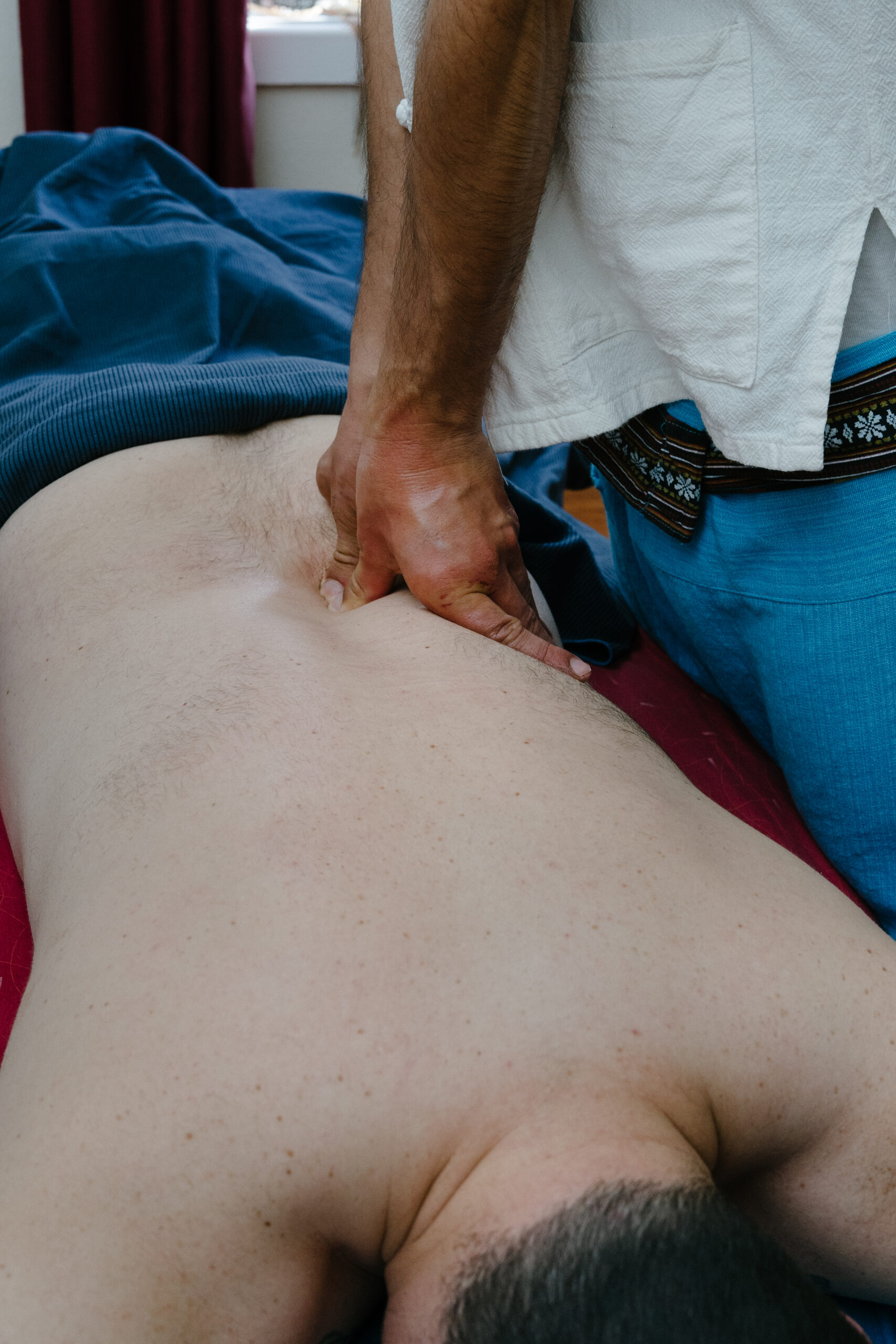
Persistent back pain and sciatica can disrupt every part of daily life, from sitting comfortably to walking or sleeping. Many people turn to temporary fixes, but lasting relief often requires addressing the underlying muscular and nerve dysfunction. At Melbourne Massage and Treatment, our qualified myotherapists combine evidence-based manual therapy and corrective techniques to relieve pain, restore function, and promote long-term spinal health. Key Takeaways Myotherapy addresses the root causes of sciatica and back pain Techniques include massage, dry needling, and corrective exercises Regular sessions promote long-term mobility and nerve health Postural correction prevents recurring pain and stiffness A personalised plan ensures results tailored to each client’s condition Understanding Sciatica and Back Pain To appreciate how myotherapy helps, it’s useful to understand what’s really going on with back pain and sciatica. Sciatica: Sciatica refers to pain that radiates along the path of the sciatic nerve, which runs from the lower back, through the buttocks, and down each leg. It’s not a condition on its own, but a symptom caused by something irritating or compressing the nerve. Common causes include: A herniated or bulging disc pressing on the sciatic nerve Tight gluteal or piriformis muscles trapping the nerve as it passes through the hip area Degenerative changes in the spine or joints The pain can range from a dull ache to a sharp, burning, or shooting sensation. It may also cause tingling, numbness, or weakness in the leg. Back Pain: General lower back pain often stems from muscle tension, poor posture, or strain from repetitive activities, such as sitting too long, lifting incorrectly, or overdoing it at the gym. This is where myotherapy can help by addressing both the muscular and neural components contributing to your pain. What Exactly Is Myotherapy? Myotherapy (from the Greek words “myo” meaning muscle and “therapy” meaning treatment) focuses on assessing, treating, and managing musculoskeletal pain and movement issues related to the soft tissues, muscles, fascia, and nerves. A qualified myotherapist uses a mix of techniques such as: Deep tissue massage and trigger point therapy Dry needling (similar to acupuncture, but targeted at specific muscle points) Myofascial release Stretching and joint mobilisation Cupping and corrective exercise advice Unlike a regular massage, myotherapy is more clinical and evidence-based. It aims to identify why pain is occurring, whether it’s from postural imbalance, nerve compression, muscle dysfunction, or repetitive strain, and to create a treatment plan tailored to your specific needs. How Myotherapy Helps Treat Sciatica and Back Pain? Myotherapy approaches pain holistically, by looking not just at the site of discomfort but at how the whole body is functioning. 1. Relieving Muscle Tension and Spasm One of the first steps in treating sciatica or back pain is to reduce muscle tightness that might be compressing nerves or restricting movement. A myotherapist will use deep tissue massage and trigger point therapy to release knots and deactivate overactive muscles. This helps: Improve blood flow and oxygen to the area Decrease inflammation and stiffness Reduce referred pain from tight gluteal or lower back muscles In cases where the piriformis muscle is pressing on the sciatic nerve, releasing that tension can bring almost immediate relief. 2. Improving Nerve Mobility If the sciatic nerve is being compressed or irritated, a myotherapist may perform neural mobilisation techniques to gently glide the nerve through its pathway. This can help restore normal nerve function and reduce the sharp, shooting pain associated with sciatica. 3. Correcting Postural Imbalances Poor posture, especially from sitting for long hours, can put excessive strain on the lower back. Myotherapists assess how your body moves, looking for muscular imbalances, misalignments, or weaknesses that might be contributing to pain. They’ll often prescribe corrective exercises, such as gentle stretches, core activation drills, and hip mobility movements, to strengthen supportive muscles and prevent future flare-ups. 4. Reducing Inflammation and Promoting Healing Techniques like dry needling or myofascial release can help increase circulation and stimulate the body’s natural healing response. This not only eases pain but also promotes tissue repair and reduces chronic inflammation in the affected area. 5. Encouraging Relaxation and Stress Reduction Let’s not underestimate the role of stress. When you’re tense, your muscles tighten, your posture suffers, and your pain often worsens. Myotherapy sessions often incorporate relaxation techniques to calm the nervous system, helping your body release tension more effectively. What to Expect During a Myotherapy Session for Sciatica and Back Pain? If you’ve never been to a myotherapist before, here’s what typically happens: Assessment and History: The therapist will ask about your pain, lifestyle, posture, and medical history. Physical Examination: They’ll perform movement and range-of-motion tests to pinpoint which muscles or nerves are involved. Treatment Plan: Based on their findings, they’ll use a combination of hands-on techniques (massage, dry needling, etc.) to target the problem areas. Aftercare Advice: You’ll likely be given simple at-home exercises, stretches, and ergonomic tips to support your recovery. Most people notice improvement after just a few sessions, though chronic conditions may take longer. The Benefits of Myotherapy for Sciatica and Back Pain While the main goal of myotherapy is to relieve pain, it also helps improve overall wellbeing. Clients often report: Pain Reduction – Relieves nerve compression and muscle tension. Improved Mobility – Enhances range of motion through soft tissue release. Postural Support – Corrects muscular imbalance and spinal alignment. Preventative Care – Strengthens the back and reduces future risk. Drug-Free Relief – Offers a natural approach without dependency on pain medication. Back pain is one of the leading causes of disability in Australia, affecting nearly 4 million people each year. Myotherapy provides a clinically proven, hands-on solution that can significantly reduce this burden. When to Seek Professional Help? If your back pain or sciatica doesn’t improve within a couple of weeks, or if it’s affecting your daily activities, it’s worth seeing a qualified myotherapist. They can work alongside your GP to provide a well-rounded treatment approach. Always seek urgent medical care if you experience: Severe pain that comes on suddenly Numbness or weakness in your legs […]

Oct
After an injury or surgery, swelling and discomfort can slow recovery and affect mobility. Managing this inflammation safely and effectively is essential for healing. At Melbourne Massage and Treatment, our Myotherapists use Manual Lymphatic Drainage (MLD), a specialised therapy designed to reduce swelling, support the body’s natural detox process, and promote faster tissue repair. Key Takeaways MLD promotes fluid drainage and reduces swelling naturally It’s beneficial for post-surgical, sports, and chronic edema recovery Gentle techniques improve circulation and reduce pain MLD supports immunity and tissue repair Professional treatment ensures safe, effective results Understanding the Lymphatic System Before diving into Manual Lymphatic Drainage (MLD) itself, it helps to understand what the lymphatic system actually does. The lymphatic system is part of your body’s immune and circulatory systems. It’s a vast network of vessels, nodes, and ducts that transport lymph, a clear fluid containing white blood cells, proteins, and waste materials, throughout the body. Its main jobs are to: Remove waste and toxins from tissues Maintain fluid balance Support immune function by fighting off infections Unlike the heart, which pumps blood, the lymphatic system relies on muscle movement, breathing, and body motion to move fluid around. When this system slows down, due to surgery, injury, or illness, lymph can accumulate in tissues, causing swelling (oedema), discomfort, and restricted mobility. That’s where MLD comes in. What Is Manual Lymphatic Drainage (MLD)? Manual Lymphatic Drainage is a gentle, rhythmic therapy that stimulates the lymphatic system, a vital part of your immune and circulatory network. This system helps remove waste, toxins, and excess fluid from tissues. When it becomes sluggish due to injury, surgery, or illness, fluid can build up, leading to swelling, pain, and delayed healing. MLD works by guiding lymphatic flow through light, precise movements that improve circulation and encourage drainage. It’s particularly effective for: Post-surgical swelling Sports or soft-tissue injuries Chronic edema or lymphedema Post-infection or inflammation recovery How MLD Helps Reduce Swelling and Oedema? Oedema (sometimes spelled edema) occurs when fluid builds up in the tissues, leading to puffiness, tightness, and sometimes pain. It can happen after an injury, following surgery, or from chronic conditions like lymphoedema or venous insufficiency. Manual Lymphatic Drainage can help by: Encouraging Lymph Flow: MLD gently pushes stagnant lymph fluid toward the lymph nodes, where it can be processed and eliminated. Reducing Fluid Build-Up: It helps drain excess water and waste products from the affected area, easing swelling and pressure. Improving Circulation: By supporting the lymphatic and venous systems, MLD boosts overall blood flow, which promotes healing. Relieving Discomfort: Many people report a lighter, less tense feeling after just one session. For those dealing with post-surgical or post-injury swelling, MLD can make a huge difference in reducing that tight, swollen sensation and in speeding up recovery. MLD Supporting Post-Injury Recovery After an injury, whether it’s a sprained ankle, a torn ligament, or bruising, the body naturally triggers inflammation. While this is a normal part of healing, too much fluid in the area can cause pain and slow down recovery. MLD supports post-injury healing by: Reducing Inflammation: Gentle stimulation of the lymphatic system helps clear out excess inflammatory fluid and waste. Minimising Scar Tissue: Encouraging healthy fluid flow can improve tissue regeneration and reduce fibrous scar formation. Improving Mobility: Less swelling means better joint movement and less stiffness. Enhancing Tissue Repair: With better circulation and nutrient delivery, the body can heal more efficiently. For athletes, MLD can also help speed up muscle recovery after intense training or competition. By flushing out lactic acid and metabolic waste, it can reduce body muscle fatigue and soreness, helping you get back to your sport sooner. Benefits of MLD After Surgery Post-surgical swelling is one of the most common reasons people seek out MLD. It’s frequently recommended by surgeons and physiotherapists after cosmetic or reconstructive procedures, joint replacements, or lymph node removal. Post-operative benefits of MLD include: Reducing fluid build-up and swelling Decreasing bruising and inflammation Promoting tissue healing and comfort Supporting scar recovery and reducing tightness Because MLD is so gentle, it can be safely performed even when the surgical area is tender or healing, as long as it’s cleared by your doctor. What to Expect in an MLD Session? During your first MLD session, your therapist will assess your condition, medical history, and any areas of swelling or discomfort. You’ll typically lie comfortably on a massage table while the therapist performs a series of light, rhythmic strokes and pumping motions across specific parts of the body. Unlike other massages, MLD doesn’t involve oil or deep pressure, it’s designed to stimulate the skin and underlying lymph vessels, not the muscles. Most clients find it deeply relaxing, often drifting off to sleep during the session. A single session may last 45–60 minutes, though chronic or post-surgical cases may require a series of treatments to achieve lasting results. After your session, your therapist might recommend: Gentle movement or stretching to encourage ongoing lymph flow Drinking plenty of water helps flush out toxins Compression garments or wraps, if needed for oedema management Is MLD Right for You? Manual Lymphatic Drainage is safe for most people, but there are a few conditions where it may not be suitable, such as acute infections, untreated heart failure, or blood clots. That’s why it’s important to see a qualified therapist who can assess your suitability and adjust the treatment accordingly. If you’re recovering from surgery, managing swelling, or dealing with chronic fluid retention, MLD can be an excellent complementary therapy alongside medical or physiotherapy care. Who Can Benefit from MLD? MLD is ideal for individuals recovering from: Orthopaedic or sports injuries Plastic or reconstructive surgery Chronic conditions like lymphedema or lipedema Swelling following infection or immobility High-intensity training or repetitive strain At Melbourne Massage and Treatment, we customise each Manual Lymphatic Drainage session based on your medical background and current symptoms. Aftercare Tips for Best Results Supporting your lymphatic system doesn’t stop after therapy. You can enhance results by: Staying Hydrated – Water helps flush toxins […]

Oct
Functional movement is all those types of movement that you may have been training at the gym, like a squat, but really, those movements are what we are designed to deliver daily. Per the squat, think about sitting. Now, if you are young and fit, you may not need a great deal of mobility to sit on a chair, but as we get older, if we don’t train to maintain this form of mobility, things can really get difficult, and the risk of injury would increase. That’s where Myotherapy can really help you to understand which joints need more work in terms of mobility, but also which muscle groups you need to train to keep your stability at doc, so that your functional movement, especially when done under load, is going to be safe and with less risk of injury. What Is Myotherapy? Myotherapy is a form of manual therapy that focuses on assessing, treating, and managing musculoskeletal pain and dysfunction. At Melbourne Massage and Treatment in Coburg, I use techniques such as deep tissue massage, joint mobilisation, myofascial release, dry needling, and corrective exercise to restore normal movement and prevent pain from returning. What I love about being a Clinical Myotherapist is that when working with my clients, I have to deliver a tailored treatment plan, as everyone is different and everyone presents with a unique body, which may need a different approach to reach the same goal. All this, starting from joint mobility and stability. Why Joint Mobility and Stability Matter Let’s start by defining what mobility and stability are: Mobility: the ability to move through a full range of motion Stability: the control that keeps your joints aligned to the body plane and supported To move well under load and deliver safe exercises, you must have good mobility and stability where needed. For example, if your hips lack mobility, your lumbar spine might compensate, creating discomfort and increasing the injury. Furthermore, a lack of mobility, it means you can not fully engage your muscle fibres, as less movement means less contraction or elongation of the muscle fibres involved in that movement, so less power and less growth. On the other hand, lack of stability is given from your lumbar area, which is not able to support a heavy load, and that’s how you can hurt your back. How Myotherapy Enhances Functional Movement Here at my clinic in Coburg, as a clinical myotherapist I focus on helping you restoring balance through a whole-body approach. Here’s how Myotherapy helps: Comprehensive Movement AssessmentLet’s start with assessing posture, joint range of motion, and functional movement patterns to identify restrictions or weaknesses. Addressing the Root Cause of PainPain is central nervous system response to something that doesn’t work at is best. It may be an injury, or it may be a sensitization of the area. As a clinical myotherapist I help you break the cycle of compensation and discomfort, allowing more efficient, pain-free movement. Improving Joint MobilityUsing targeted soft tissue therapy, myofascial release, and gentle joint mobilisation, we help reduce tightness and restore freedom of movement across affected joints and muscles. Building Joint StabilityOnce mobility is restored, we focus on improving control and strength. Personalised exercises activate stabilising muscles, enhancing balance and coordination to prevent re-injury. Long-Term Support and EducationAfter every appointment I ensure to leave a detailed PDF file with the exercises we look into, so that you are able to reproduce our work at home or at your gym. But for every question, and for your progressions, I am always here ready to help. Who Can Benefit From A Myotherapy Session? Myotherapy is suitable for people of all activity levels. At our Coburg practice, I regularly help clients dealing with: Muscle tightness or restricted joint movement Neck, shoulder, or lower back pain Postural strain from office work Sports or exercise-related injuries Limited flexibility affecting daily performance The Takeaway on Myotherapy and Functional Movement To improve your functional movement starts working on the right balance between joint mobility and stability. Myotherapy offers a targeted, evidence-based way to achieve that balance, and I am here helping you move better, feel stronger, and prevent future injuries. If you’re ready to enhance your movement and reduce pain, book a Myotherapy session at Melbourne Massage and Treatment, Coburg today. Let’s get your body moving the way it’s meant to. And if you have any question, please use the form below to reach me out: