In the previous post, we did look into plantar fasciitis and we only mention the Corrective Exercises for Plantar Fasciitis. Indeed, we did get to the conclusion that Myotherapy, Remedial Massage and Thai massage can help in reducing muscle tensions, for those muscles which take part in the foot’s unbalance, and that MLD can help in reducing the pain and reducing the inflammation within the plantar itself. What’s the role of the Corrective Exercises for Plantar Fasciitis? Exercises are a crucial step to take for a successful healing process. Corrective exercises for plantar fasciitis can be simply practised at home, without the aid of a personal trainer to follow you. In fact, corrective exercises are often simple movements, that require precision more than strength. Furthermore, is better to start slowly and gradually implement more difficult exercises and extra load. Indeed, the corrective exercises world is a step-by-step journey. If this post is talking to you, book your next massage session by clicking here. Corrective Exercises for Plantar Fasciitis: Foam rolling below the foot. Take a seat on a chair and start gently rolling the affected feet along on the foam roller. The bigger the foam roller, the gentler the exercises, due to lower pressure. If you have no foam roller, you can use a tennis ball too. The aim of these exercises is to gently self-massage the plantar of the feet and stimulates blood circulation within it. Plantar pressure with a towel. Always in a seated position, roll a towel on itself, and by holding it with both hands, put the towel under the foot. Start pulling the towel against the plantar of the feet Pull and hold for 15 to 30 secs about Drag the towel with the toes. Place a towel on the floor. The backside of the towel will be right below your toes Now gently, start grabbing the towel with your toes These exercises will reinforce the flexors muscles of the toes, in specific Flexor hallucis longus and Flexor digitorum longus, with the aim to improve the arch below the foot Single Calf Raise For this exercise, you will need a small stool or an Aerobic Step Kit Step with the front of the feet on the Areboic Step and start pushing up through the foot. For safety, you may wanna hold yourself to a wall with your hands You can start doing 1 foot at a time to increase the load. These exercises would create strength in the plantar flexor muscle of your foot. Along with the same muscles that do plantarflexion, there are the ones that do eversion and toes flexion too. In specific Perenous Longus, Perenous Brevis (eversion) and Flexor hallucis longus and Flexor digitorum longus (Toes flexion) If you suffer from plantar fasciitis because of an excess load of the body weight on the external side of the foot, these exercises would help you in recreating balance in the body load on the foot. Said so, those are some of the exercises that can be done. Few more are out there. If specific to your condition, you may want to do some exercises more than others. Most important is to have someone diagnose you with the specification of the condition and then suggest to you what exercises are the best. Plantar Fasciitis is a chronic condition, that with the right exercise and determination can be fixed. If you need help with it, don’t hesitate to book now your next session with Melbourne Massage and Treatment. And what about Orthotic Insole? The orthotic insole can be a quick-release type of approach for foot pain. On the other hand, orthotic insoles are most luckily the more common and misunderstood tool for foot pain. Yes, good to quickly reduce severe symptoms, but by itself is not going to fix the problem. Indeed, before spending hundreds of dollars on Orthodics, give a fair trial to exercises.
Tag Archives: pain
Blog
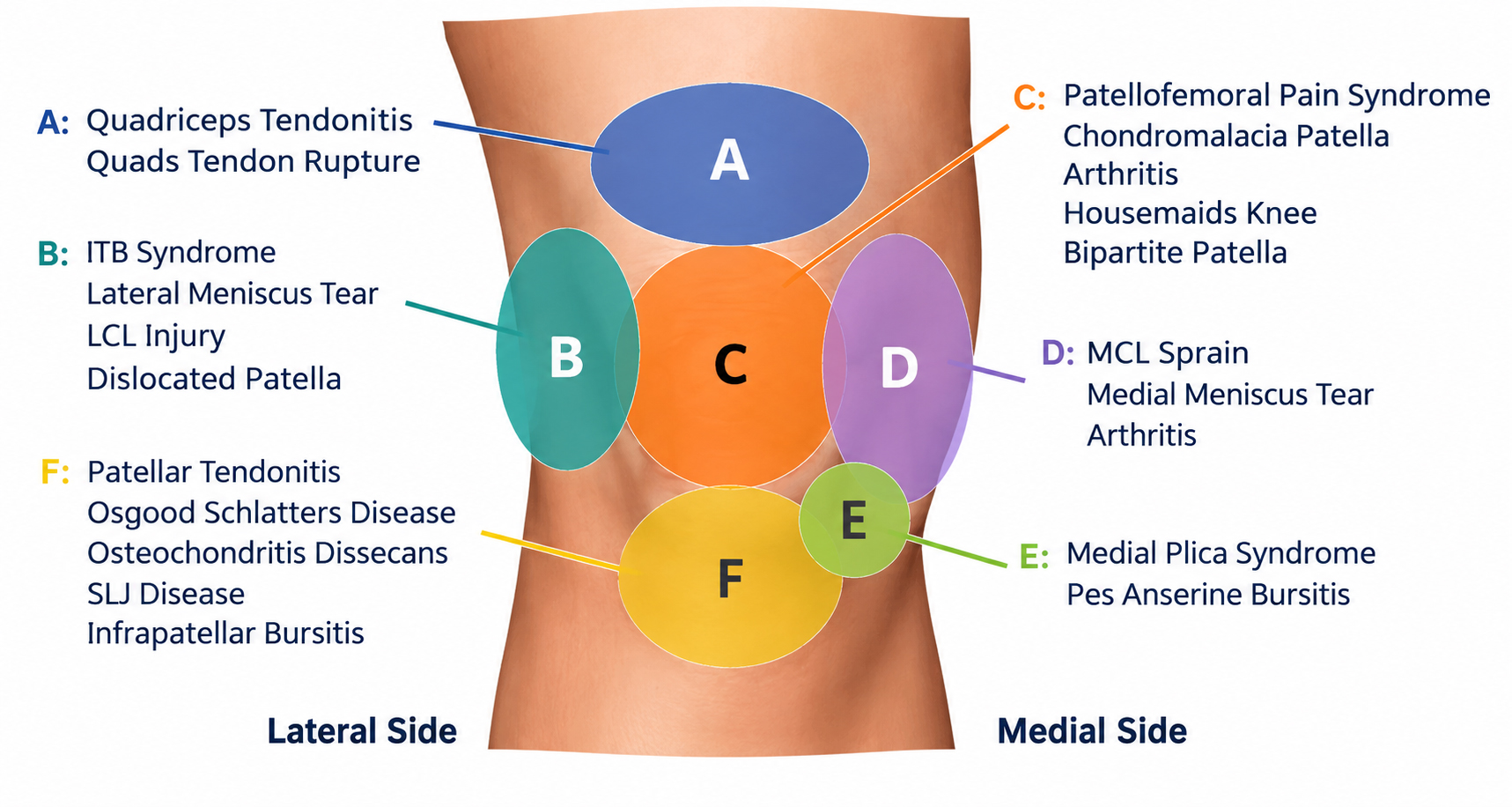
Knee Pain in Coburg
Knee pain is a common form of injury and can affect people of all ages [...]
Continue readingSep

Blog
Post-Surgery MLD Melbourne – Vodder MLD Therapist
Any form of surgery is an invasive procedure for the body to deal with, and [...]
Continue readingSep
Blog
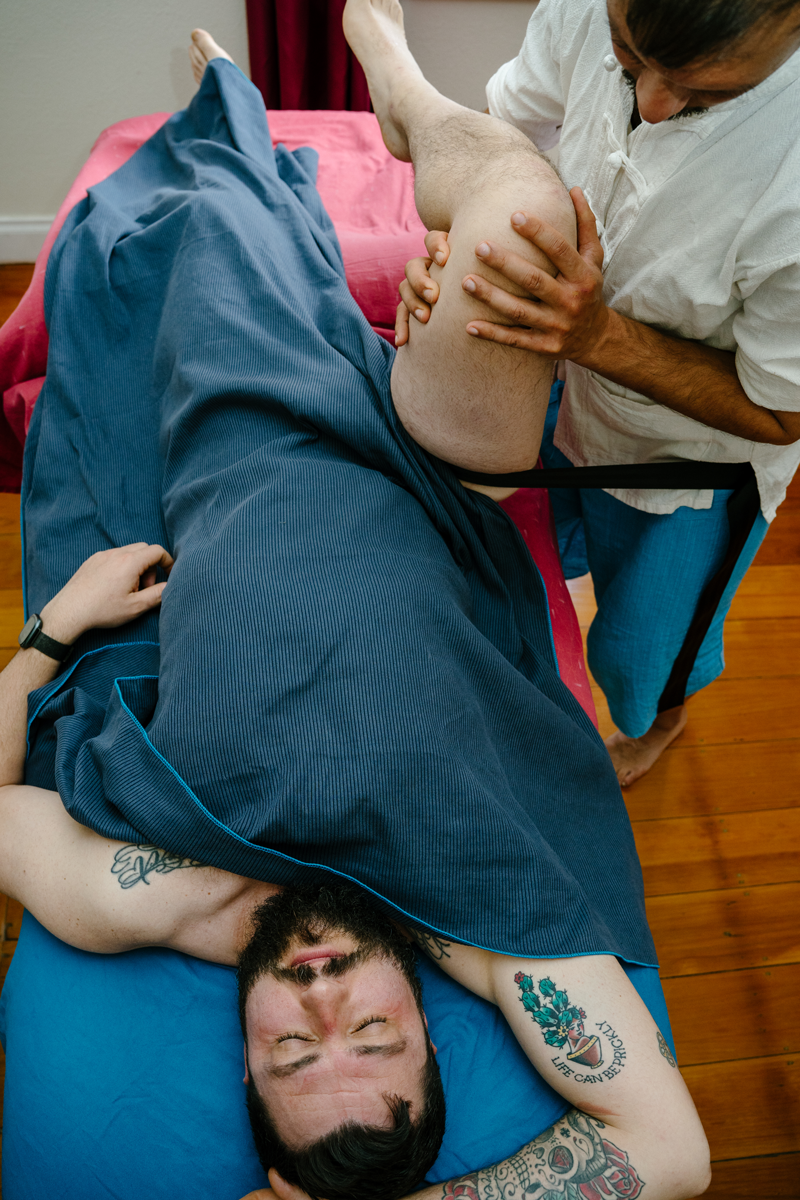
Hip Pain in Coburg: Causes, Symptoms & Treatment
In the many presentations I get to see here at Melbourne Massage and Treatment in [...]
Continue readingSep

Blog
Lymphatic Walking: Let Me Tell You Why It Is Another Trend
Lymphatic Walking is another trend that you really don’t need to overthink. But let me [...]
Continue readingAug
Blog
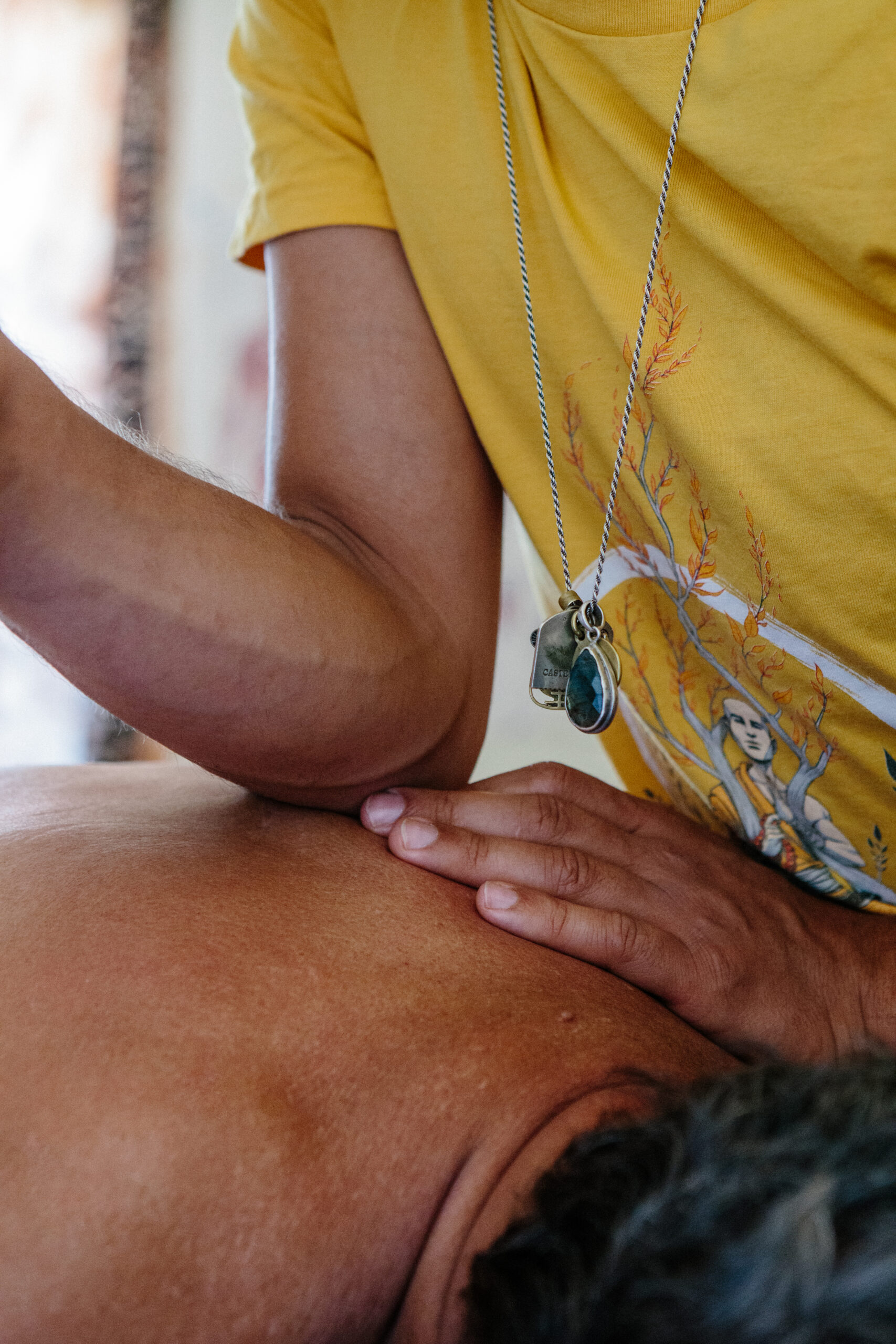
Shoulder Pain in Coburg: Myotherapy Can Help You
Shoulder pain is a common presentation I get to see and treat here at my [...]
Continue readingAug

Apr
Plantar Fasciitis is a foot condition that can cause severe pain when walking or standing. Pain may be more intense in the morning when you step out of bed. If you ever had plantar fasciitis you will well know, that is not a fun thing to deal with. How to fix plantar fasciitis? In most cases, corrective exercises are the best way to retrain the foot and heal it once and for all from this condition. In this blog post, I talk more in detail about exercises for plantar fasciitis. How does Plantar Fasciitis manifest itself? Plantar Fasciitis manifest itself when the load of the foot is predominately put on the outside of the foot or on the back of the foot. It is the case we talk about an over-inverted foot, indeed a foot that is overloaded on its lateral portion. By doing so, the big toes flexor, the muscles that connect the big toes to the heel, get inflamed. As per consequence, pain does manifest below the heel. “It feels like if I got glass under my feet” someone that offers this condition would say. Plantar fasciitis demographic. People who spend a long time standing up/walking (waiters) Runners (who run with a heel strike) Pregnant women (due to the abundance of weight) The foot is a complex body part. Indeed, the foot contains 29 muscles, 26 bones and 30 joints. Therefore if not loaded correctly, the consequence can lead to major body musculoskeletal dysfunctions and unbalance. As already mentioned during the blog about the Fascia line, unbalanced feet can reproduce tension up to the back and shoulders. Plantar fasciitis functional test. A simple test that we do as massage therapists is to passively extend the big toes. (Windlass Test) If pain is reproduced on the heel, the test is positive. Therefore, this test tells us that the big toes, which most luckily would not even extend to their full range (65°), are not used when standing and or walking. That’s why is weak and tight. How can massage help reduce plantar fasciitis pain? At Melbourne Massage and Treatment, Myotherapy, Remedial Massage or Thai Massage can help reduce the tension along with the foot’s supinator muscles, which are responsible for over-invert the foot. That’s one of the reasons why the body weight gets overloaded on the lateral side of the foot. Regarding MLD, it can be most beneficial to reduce the inflammation within the plantar of the foot and help manage the pain. But as previously mentioned, massage can help in reducing the symptoms, and improve mobility. Where for full recovery, corrective exercises are essential. Was this post helpful? If you are suffering from Plantar Fascitis and would like to find a way out of the pain, book now your next appointment with Melbourne Thai Treatment. Here on the right side, is an example of a pair of shoes, for someone who suffers from plantar fasciitis. As you may notice, the lateral portion of the show is completely worn out, where the medial portion, is nearly touched, especially at the big toes area. So back to the fact, that the big toes are what should drive the foot along the strike motion if that shoe area is untouched, it means that person is not loading any weight on there. Footwear examination can be also used to identify weight balance in the foot area.

Mar
As already mentioned earlier MLD is a fantastic manual technique that can be used to improve the healing of many conditions. Along with the conditions that MLD is useful for there is bone fracture. Said so, in order to understand how MLD can help to speed up the recovery from a bone fracture we have to analyse what’s happening within the body when such trauma happens. A bone fracture is an injury that can happen at any age, due to an accident or trauma. The main type of bone fractures are: Displaced Angulated Shortened Rotate Symptoms of bone fracture Pain Swelling Bruising Deformity Inability to use the limb. The fracture so can be a crack side to side or in the middle of the bone. Eventually, the bone can crumble too, or break in multiple areas. At the worst, the bone can also cut the skin, and come out of the body. If this post is talking to you, book your next massage session by clicking here. Depending on where the fracture is, and what type of fracture it is, surgery could be required. Independently if surgery is required or not, still MLD can help to boost the recovery. Indeed, when a fracture happens the body recognises a trauma to its system. As long as the body won’t know exactly what the trauma is, and if the trauma does involve a skin crack or not, to prevent infections and external bacteria or pathogens to enter the body, the vein, capillaries and the lymphatic system around the trauma area get restricted. As per result, the body does swell. In fact, this explains why, when oedema happens the body does swell. It is an automatic body response to prevent further damage to happen. As the body then, realise what the issue is, slowly does reactivate the lymphatic system, and does fully reopen veins and capillaries, so that the blood can start circulating again freely. But the time that the body can reduce the swelling by itself, with a lymphatic system that works at regular speed (about 7 to 8 bits per minute) it would take a while to reduce the swelling. Furthermore, when I bone is broken that body part would have to stay still for a while, weeks or months. As per result, the blood and lymph flow would be slower than usual. And here is where MLD comes to be useful. If by reading this post, you feel like MLD is what you need now to recover from your injuries, click here to book now your next session. As MLD therapists indeed, we would check that there is no acute infection in the area where we want to apply MLD. If that’s the case, then, we can start our work. By boosting the lymphatic system, up to 3 to 4 times its normal ratio, we can quickly reduce the swelling. And what about if the area affected is covered with a plaster cast? Well, let’s not forget that the lymphatic system works as a vacuum and the area of loads is below the clavicle. So, stimulating the Lymphatic system at the top can actually already improve its suction ability till down the feet. For example, if the fracture is at the foot, initially MLD can be applied at the neck, to open the Lymphatic System duct that reverses in the veins, and secondly can be applied to the abdominal level and down the legs, just before the foot. Now, that swelling reduction, come’s with many benefits. For example, in the area treated, there is a transaction of extra oxygen, protein, vitamins, blood and other essential elements useful for the bone to heal. And occasionally, depending on the type of fracture is not only the bone the one that has to heal. In fact, along with a bone fracture, the body part fractured stays steel for weeks and months. That would create a weakness in the muscle that would then require rehabilitation. As a Remedial Massage therapist, I would have to refer the client to a Physiotherapist for rehabilitation. Even so, as a Remedial Massage therapist, I can still deliver massage services that can help in restoring muscle functionality. In conclusion, MLD can help with: reducing the swelling along a bone fracture; help in speeding up the recovery of the skin damaged by the fracture and or by the operation; Speeding up the healing of muscles and soft tissue around the fracture; Ultimately, by increasing relaxation, MLD is also useful to keep the humour of the person at ease, as often happens that after a trauma such as a bone fracture, the person can feel anxious and demoralised due to poor mobility and difficulties in moving.
Mar
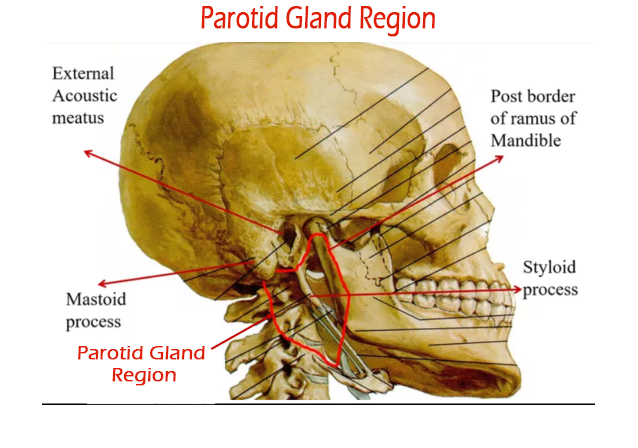
TMJ or Temporomandibular joint is bilaterally located on the side of the human head. TMJ and Movement Upper Compartment Protrusion Retrusion Lower Compartment Lower the Jaw Raise the Jaw Lateral Deviation Said so: the opening is the combination of Protrusion plus Lowering the Jaw closing the mouth is Retrusion plus Raising the Jaw. TMJ and Pain When TMJ is in pain, we can find it hard to talk, eat and sometimes even rest, as the pain can be pretty strong. Moving forward, not everyone knows that deep under TMJ we have what we call Parotid Gland. The Parotid Gland is a salivary gland, and if gets infected, it can swallow up and be quite painful. What can happen at the Parotid Gland is an accumulation of calcium in its duct, and saliva can’t be expelled. Even though viruses or bacteria can also be responsible for TMJ infection. What also most people are not aware of is that in the Parotid Gland, there are lymph nodes. TMJ and MLD. The fact that the gland can be swollen is an indication that fluid is stuck in it. MLD, thanks to the boosting of the lymphatic system, which is responsible for reducing swelling in the body, can be the perfect technique to reduce the swelling and so restore the functionality of TMJ. If this post talks to you, book your next massage session by clicking here. The Parotid Gland lymph nodes unload their Lymph Obligatory Load into the cervical nodes. So as per usual, at the start of the MLD treatment, we will work along the upper neck, medial neck and then the terminal (just between the clavicle and the upper trap). In addition, what makes a difference with MLD is that is a pain-free technique. That would allow the client suffering from TMJ pain to receive a treatment that would not aggravate the pain feeling and would end up giving a deep relaxation too. fi Other work techniques can be used, such as Myotherapy and Remedial Massage trigger point, or dry needling for Myotherapy treatment. The Remedial Massage TMJ treatment is a valuable technique but would not resolve the problem at the root cause. In conclusion, MLD is probably the best manual, not invasive treatment that can be done for TMJ. Talk to your dentist about this option, and if they are not aware of what MLD is, don’t be surprised, it is, yes an excellent technique, but it is still not well known by many practitioners, dentist included.

Mar
Range of Motion is the movement of a joint within a 3-dimensional space. For each joint, we expect a minimum and a maximum degree of movement. When to use a range of motion evaluation. Before performing a Myotherapy, Remedial Massage, or a Thai massage session, we check for a Range of Motion, also know as ROM. Checking for ROM is to establish the functionality of the joint and the muscles that surround it. For example, when a client walks in complaining of cervical pain, the first thing we look in too after the postural assessment is the ROM. A postural assessment is an evaluation of the skeletal structure. After that, we ask the client to do specific movements with their head. Like, Rotation side to side, flexion, extension, and lateral flexion. Indeed, these are the basic range of motion for the cervical area. What can this range of motion tell us? Well, depending on the essential mobility of the person, we expect a minimum and maximum range. Let’s say that the client has average mobility; we expect the range of motion of their cervical to be: Flexion (able to flex the head forward and leave a gap of 3cm between the chin and the sternum) Extension, we look in too 70° of movement Lateral Rotation we look in too 80° of rotation (the chin is nearly in line with the shoulder) Lateral Flexion we look in too 45°. If this post talks to you, book your next massage session by clicking here. Is the range of motion the same for everyone? A person with a hypermobile joint range may have a 10° about less ROM than this. Indeed, a person that has a hypermobile joint range can reach 10° furthermore. That’s why every person needs his evaluation. Moving forward, if the range of motion is limited, it could be a muscle tightness or a joint mobilization issue. The best approach for improving joint mobilisation is the Myotherapy treatment or Thai Massage. Both techniques relieve muscle tension and improve muscle tone and joint mobility. The release of tension from the muscle would improve the ROM. On the other hand, when we ask a client to do a ROM, we don’t look only for the length of movement. Quality of movement. For the quality of movement, we refer to how smooth the movement is. Is the client trying to compensate for the cervical rotation by flexing the head? Is the client compensating for the flexion by shrugging the shoulder? Indeed, the movement of a joint is the key to understanding what muscle is responsible for the pain, discomfort or limited ROM. Once we individualise the key muscle/s, we can address the issue. Different types of ROM. In conclusion, the ROM can be active, passive and resisted. The client itself does active ROM. Passive are ROM done by the therapist with no assistance in controlling the movement by the client. Reisted is ROM active done by the client, with a resistance force applied by the therapist again the client’s movement. Each of this ROM can tell us something different about the joint. Active is about muscle lengthening. Passive is about joint mobility (ligament and tendon) Resisted is about the strength of the muscle. We can’t use the Resisted if Active or Passive reproduces pain. That would not be safe. Regarding the Resisted ROM, the resistance is applied in 3 different levels. When the pain gets reproduced, we stop the test. Occasionally, an orthopaedic test can be performed too. Orthopaedic tests are specific tests to evaluate in specific the muscle involved in the limited ROM.
Mar
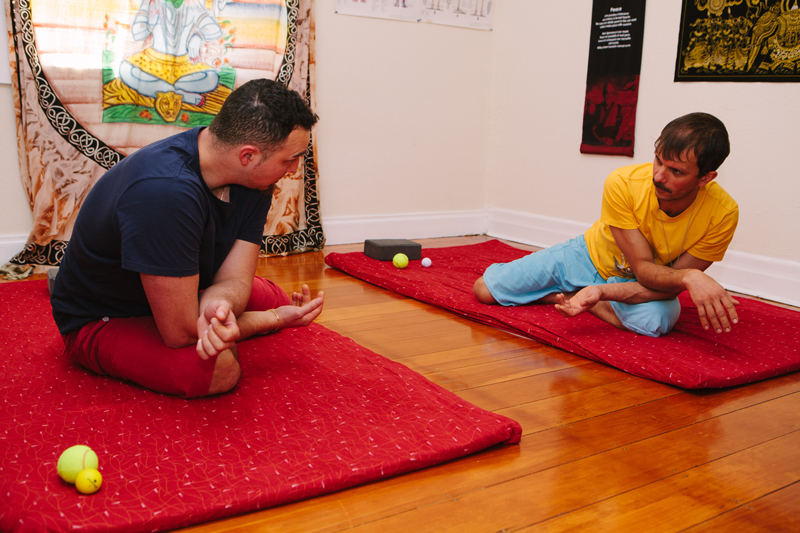
As Massage Therapist, I often see people who come in for treatment due to pain and discomfort. Indeed, I am more than happy to be that person who, by manual therapy, can alleviate others’ agony. Exercises post-treatment. At the end of the treatment, I tend to show the client a series of corrective exercises and, most of the time, a straightforward one. Those corrective exercises must be done to help maintain the change we created in the body along the massage session. Massage treatments like Myotherapy, Remedial Massage, Thai Massage or MLD can be a good starting point to change the musculoskeletal unbalance of the body. Even though the changes we created will not last long unless there is constant work done on it. So, when the client returns to routine life, those change tends to disappear quickly. That’s why we give clients exercises. How can exercises help? Exercise can help address everyday muscle weakness, joint stiffness and or painful presentation on your own time. And yes, I understand it’s hard to find the time to do exercises, but would you rather live a life in pain or find a way to feel better about yourself? It’s part of our behaviour to want the fast, quick and immediate change we want. Isn’t it?! But nothing comes easy in life. We must learn that changes take time, and along this time, we must work hard for it. Said so, I am more than happy, and I feel honoured to treat people. I feel like Massage skill is one of the skills that can change people’s life. And when I do run a Thai Yoga class and teach people the exercises, I feel even more accomplished as a massage therapist. Book your next massage session by clicking here if this post talks to you. In conclusion, postural exercises are the key if you are willing to get rid of the body ache and pain. Then, working at the gym or doing sports activities is still as important. But those activities, if not monitored by a coach or done professionally and with full awareness, can lead to injury and pain. Indeed, when doing strengthening exercises, you want to ensure you correctly use the body biomechanics. But not only that. Indeed, you want to make sure that your joint has enough range of motion to deliver that action correctly. Following this link will give you access to the Thai Yoga Class videos.

Feb
MLD and Sunburn. As already mentioned earlier, MLD stands for Manual Lymphatic Drainage and is a great technique to treat sunburn. Indeed MLD is a technique that works with a gentle touch and has a multitude of benefits, including the healing from sunburn. Firstly, we analyse what sunburn is about. So, a sunburn is the skin’s reaction to too much exposure to ultraviolet (UV) radiation from the sun. Here in Australia, the amount of UV radiation is higher than elsewhere in the world. As per result, in Australia, we have to be extra careful. If the sunburn reaches the 3rd degree of burn, medical attention is required immediately. During summer or even winter when we expose our skin to the sun. You can have a sign of sunburn within minutes from overexposure. The first symptoms are skin redness, burning sensation and pain to the touch. Long-term sunburn can lead to bad scar or even to skin cancer. If this post is talking to you, book your next massage session by clicking here. So, how can MLD help if I get sunburned? MLD, thanks to the light touch, firstly, will avoid the patients being in pain during the touch. Furthermore, by activating the suction effect of the Lymphatic System, MLD boosts the healing process. This is possible by removing the liquid from under the sunburned skin area. The lymphatic system would then clear up the excess liquid and would allow the skin to get oxygenated once again. Said so, when treating someone with sunburn, as therapists, we always have to look for possible skin infections and other absolute contraindications. If the skin over the sunburn area is cracked and infected, then we will have to wait for the infection to heal. In addition to this, if the sunburn is as bad as a 3rd-degree burn, we may don’t wanna touch the sunburn directly, but applying MLD in a close area can still help the lymphatic system to be activated remotely or in the affected area. In conclusion, remember always to put on sun cream before exposing yourself to sunlight. Put the cream on 30 mins before having a bath. Either in the sea or a swimming pool, in order for the cream not to be absorbed and not be washed away. Avoid the hottest hours. Check the UV exposure on the Victoria Government weather website (https://www.bom.gov.au/vic/forecasts/melbourne.shtml). Stay in the shade and drink plenty of water.
Jan
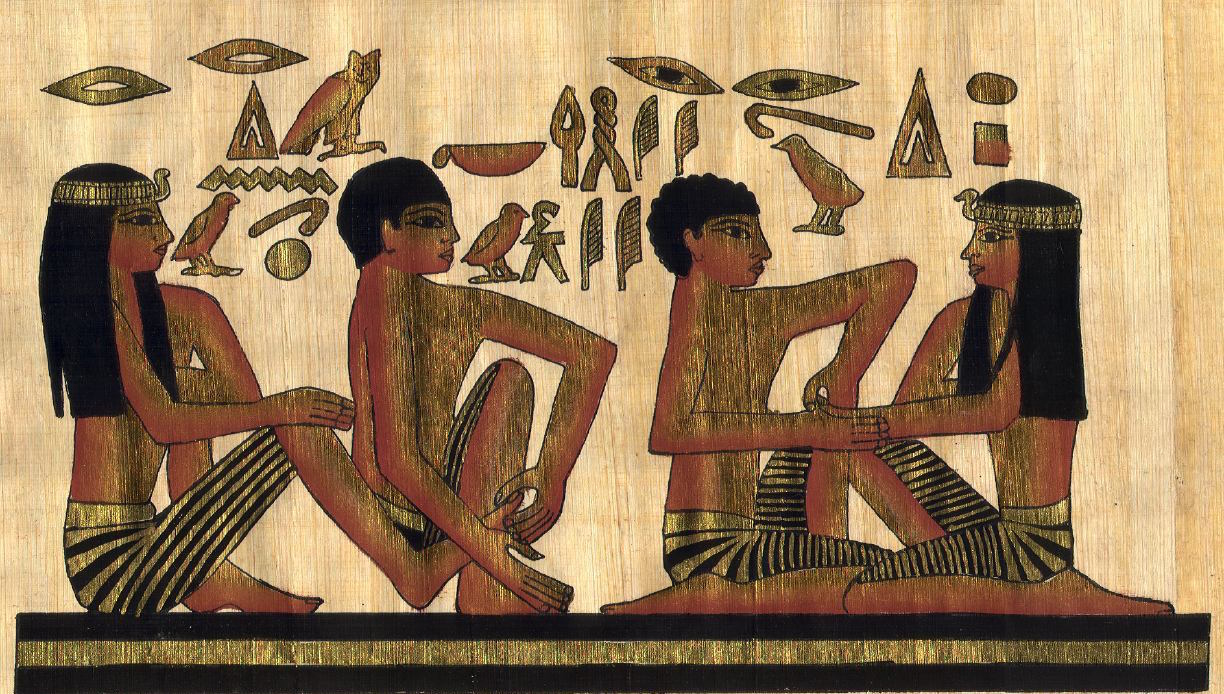
Massage History. Massage history dates back many centuries ago. The association between touch and healing is longer than what you may expect. In fact, the history of massage goes back to 5000 years ago. As per the result of the first finding, the first appearance of massage as a healing technique is founded in India. Is the Ayurveda history then that can be pushed so far. Along the millennia and centuries, this healing technique gets spread all around. Firstly the massage approach spreads to China ( 2700BCE ) and is here that the technique starts to be mixed with martial arts and spiritual yoga. Indeed, this will create the base for Chinese Medicine. From China then, the massage techniques and knowledge moved to Japan, and that’s when Shiatsu was born. Shiatsu is a technique that regulates and strengthens organs by moving energy levels through the stimulation of pressure points aiming to bring natural resistance to illness. If this post is talking to you, book your next massage session by clicking here. Along with the eastern culture, let’s not forget the Thai Massage. About this specific technique, I did dedicate a full blog post. In regards to the western culture were Egyptians the first who start practising massage then influence the Greeks and the Romans (800BCE). As per result, the Greeks put the base for western medicine. Thanks to the passion and devotion to sports (Olympics game) figures like Hippocrates start to associate facts with time in nature, music, rest, good food, and massage as a good practice for the body and essential for healing. Hippocrates can be considered the father of modern medicine. In regards to the Romans, made massage was a popular practice. The reach people could get a massage as a private service, whereas, everybody else would have a massage at the public bath. The Roman public bath is the precursor of the modern SPA. Timepass by and massage lose its popularity, especially in the western world. We have to wait till the 19th century. Is then when a Swedish doctor Per Henrik Ling, developed the base for the Sweedish massage or better known as relaxation massage. From this time onward than all the modern medicine techniques start developing. Remedial Massage (19th century) Myotherapy (1970) Osteopathy (1874) MLD (1930) In conclusion, several are the technique of massage available today. There is a massage that works better than others? Possibly yes, like some massage techniques can work more deeply than others. Said so, depending on the need of the person and the body conditions that may a specific technique is recommended more than others.

Jan
MLD and Pain. As previously mentioned, MLD is a massage technique pain-free. This is one of the reasons that makes it so special. It doesn’t matter where the technique is applied, the touch has to be so light, that the patient doesn’t have to feel any pain. And believe it or not, MLD can be applied right after surgery, when you get sunburn or right after physical trauma. Indeed, what MLD does is prevent the body to feel the pain. So, in order to explain this, I may use the mosquito bite example. When a mosquito bites us, after several minutes we start to feel itchy. In fact, the first auto-reaction is to start stretching the body. What does the scratching do? Firstly, by scratching, we stimulate the mechanoreceptors of the skin. The mechanoreceptors, send a signal to the spine (to CNS) that inhibit the pain receptors, which are constantly stimulated from the mosquito bite. Indeed, the pain receptor can be stimulated once and keep reacting, whereas the touch receptors, in order to be activated need constant stimulation. Now, in MLD that’s what we do, we constantly and gently stimulate the mechanoreceptors. If this post is talking to you, and you are in need of a massage, book your next session by clicking here. In fact, we keep inhibiting the pain receptors, reducing the pain signal frequency. Secondly, and no less important, by stimulating the lymphatic system activity, we reduce the amount of nociceptors. Per nociceptor, we refer to the actual sensory neuron that transports the pain signal to the spine and brain. Furthermore, by reducing the pain, the client can start experiencing a high state of relaxation. Indeed a high state of relaxation is another efficient way to deal with pain and eventually pour mobility, due to the injury the client is dealing with. In conclusion, this is how MLD can reduce the pain in an injured area.

Dec
Different ways of using a Cup. The cup usage is a gentle way to dissolve body tensions, and as already mentioned in the previous post cupping is a fabulous way of working on the body. Indeed, let’s not forget, that when I talk about cupping on this blog, I don’t refer to any practice that involves blood extraction or skin cuts. The usage of cupping for me, starts and stop to do work on the skin and fascia. Cups can be made of plastic, glass or bamboo. Depending on the type of cup in use differents are the methodology used to create the suctions. When glass cups are in use, in order to create a vacuum, heat is applied to the cup. In fact, the heat will burn out the oxygen in the cup, creating the vacuum effect. On the other hand, when the cup is made of plastic, fire is not in use. To create the vacuum with the plastic one is used a pump. So, when plastic ones are in use, the cup gets placed on the body of the receiver and with the pump, the air is pulled out. As per result, the therapist is to be aware of the type of skin she/he is dealing with. Paler skin is keener to bruise. Furthermore, the skin of an older client may be keener to break. So again, when a manual massage is given, not all the clients can receive the same type of treatment. If this post is talking to you, and you are in need of a massage, book your next session by clicking here. Moving forward, once the cup is applied to the skin, and the vacuum is created, the cup can be moved. This type of cupping is called dynamic cupping. Moving the cups around allows the skin to be pulled, and can create a change in a full fascia area. Furthermore, is by observing the client’s skin elasticity that the therapist can decide in which direction to apply the cupping. In fact, the aim would be to drug the cup in a direction in which the skin doesn’t move so easily. Said so, not let’s forget that, before applying the cup, on the client’s body will be applied cream or oil. This will allow reducing the frictions between the cups and the skin. In conclusion, to make the cupping even more effective, when the cup gets drugged around, the client can also move the joints which are in control of that skin section. For example, if we are doing cupping on the quods, we can ask the client to flex the knee. That would create extra skin pulling.