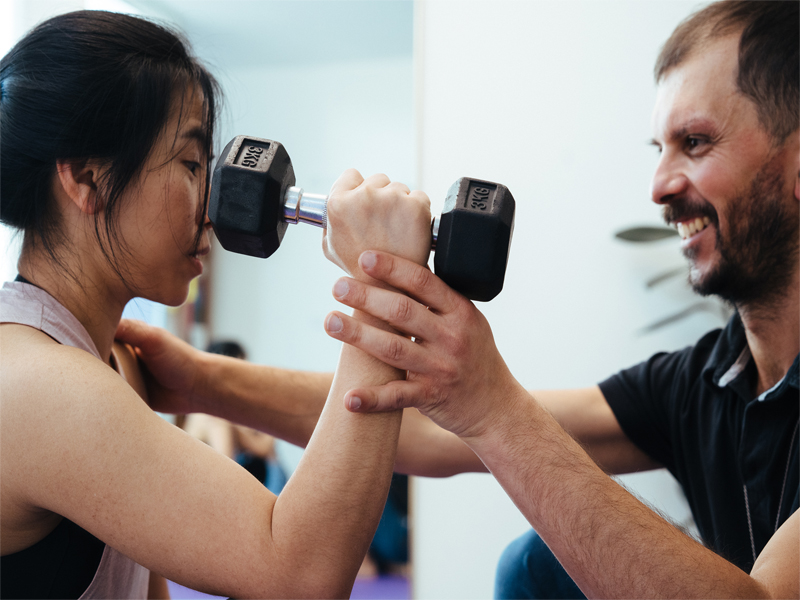
Strengthening exercises are an important way to improve our overall health by improving muscular endurance and stability around the joints. Unlike isometric exercises, which are performed with static muscle contractions, strengthening exercises involve dynamic movements that are capable of creating contractions and lengthening of muscles. This type of training is relevant not only for sportsmen but also for everyone who wants to raise their physical condition. Why Strengthening Exercises? Recent studies have focused on the role that strengthening exercises play in the maintenance and enhancement of musculoskeletal health. Strength exercises play a key role in preventing injuries, rehabilitation, and the enhancement of daily functional activities. Why this is possible is because this type of training consists of applying resistance to your body that will challenge your muscles, bones, ligaments and tendons, helping build strength, endurance, and overall physical function. Strengthening exercises stimulate muscular hypertrophy, which is defined by an increase in muscle size and strength. This is very important for preventing and even delaying the onset of sarcopenia, a major factor in declining health with natural aging. Strengthening for Injury Prevention and Recovery Imagine having a shoulder injury and undertaking rehabilitation: It would start with light movement and isometric exercises. After the initial healing phase, strengthening integration is essential. Strengthening exercises rebuild the muscle’s strength, provide joint stability, and regain total function. For example, with a shoulder injury, performing resistance exercises such as rotations with a resistance band and or weights, along different planes and directions, can help regain the strength of the rotator cuff muscles. These exercises will enhance not only the muscles around the shoulder but also the overall stability of the joint and consequently reduce the chance of future injuries. Without going through the exercises phase, you may experience a decrease in pain over the weeks after the initial injury (it depends on the severity of the injury), but that doesn’t mean that you are out of danger or re-injury. Indeed, as soon as you place extra force in the joint or on the soft tissue of the shoulder, the risk of re-injury would skyrocket, as the shoulder complex it may not be ready or strong enough to permorm such actions. Body tissues and Exercise Strengthening. What’s the deal? Throughout our lifespan, our metabolism slows down. During this process, not only will we process energy intake differently, but how our body recovers and regenerates will also change. So, all the body’s soft and hard tissues will have difficulty recovering and staying strong. That’s where the strength exercises come through. Applying a resistance to those tissues, a positive stress resistance, would allow those tissues to regenerate and grow stronger. These are valid for both soft and hard body tissues. We define positive stress as something that does not put the body in danger but is a stress that the body can handle and take advantage of, like a few kg of a dumbbell or a resistance band. Then, the stronger we get, the more weight we can handle, and that’s how we progress in the exercises. How Do Strengthening Exercises Benefit Tendons? Probably the most essential rehabilitation of connective tissues besides bones would have to be the tendons, which connect muscles to bones. When you do resistance training, tendons encounter controlled stress that stimulates the building of collagen. Collagen is vital in repairing and strengthening tendons; thus, the substance is one of the priorities in any rehabilitation program for tendons. For instance, in the rehabilitation from Achilles tendinopathy, there are such eccentric calf raises- you gradually lower the heel below the level of the step, which are particularly effective. The exercise improves resilience and strength of the tendon through progressive loading and stimulating collagen synthesis. Examples of Effective Strengthening Exercises Squats: Excellent for overall strength of the lower body. First, try squats with your own weight, then add weights as you progress. Deadlifts: So good for exercising the posterior chain, such as hamstrings, glutes, and lower back. Go with lighter weights to perfect the form before adding any resistance. Push-Ups: A great exercise for your upper body since it targets the chest, shoulders, and triceps very well. Variants such as decline or incline push-ups can be done to increase/decrease the intensity level. Progressing the Strengthening Exercises Exercise progression is necessary if improvement is to be continually achieved; otherwise, this often leads to a level where no significant further improvements are made. Start with exercises that match your current fitness level and gradually increase the intensity by adding more weight, increasing repetitions, or incorporating more complex movements. For example, one can perfect squats with one’s own body weight and then subsequently move on to the next level by adding dumbbells or even a barbell. Or, for instance, when one masters regular push-ups, they can always try modifications, such as adding weights to the push-up or doing one-arm push-ups to make their muscles work harder. Incorporating Strengthening Exercises into Your Routine It is easy to incorporate a routine where another routine already exists. Indeed, strength exercises don’t have to be associated with hours and hours in the gym. You can have a dumbbell or a kettlebell or a resistance band, sitting in your kitchen, and while you wait for your morning coffee to come up, you can do a few squats. A few minutes of well-practised exercise here and there are better than nothing. Start with little, learn how to experience the pleasure of movement and the benefit of exercising and from there you can build a stronger and longer routine of self-care. And as you learn more and more, you can start looking into balancing a comprehensive program that blends strengthening exercises with cardiovascular activities and flexibility training to promote overall health and functionality. How often should we exercise? I often get asked this question when I give exercises to my patients. We now know that the frequency of strength exercises is strictly related to our goals. So to increase your strength, you look for 3 to 5 […]
Tag Archives: coburg

Blog
Facet Joint Irritation and Muscle Weakness: What You Need To Know
In my experience as a Clinical Myotherapist at Melbourne Massage and Treatment Myotherapy and Lymphoedema [...]
Continue readingOct

Blog
Chronic Pain: What it is, and what can you do about it?
Pain is something that we all experience, and it can start after an injury, during [...]
Continue readingOct
Blog
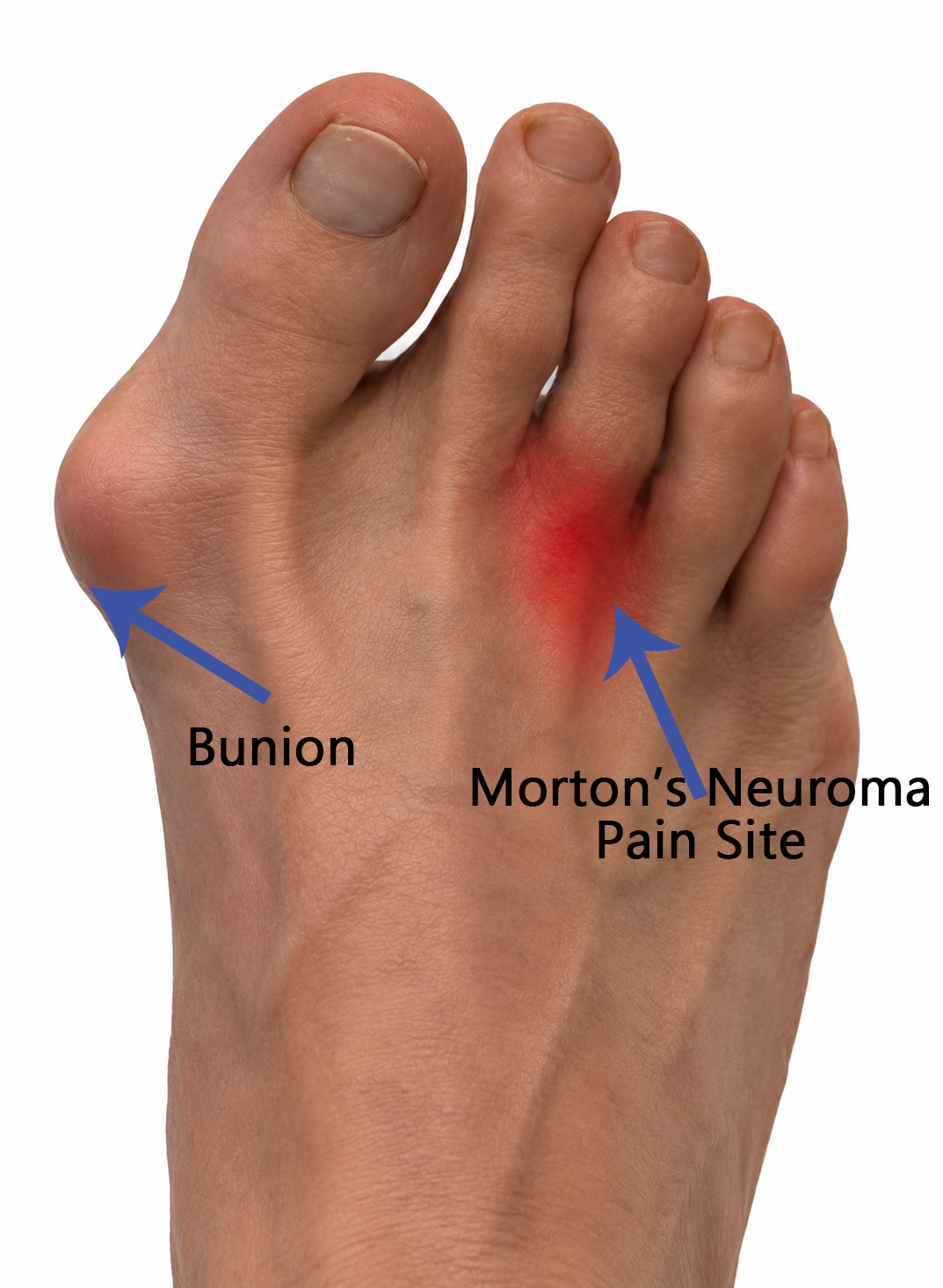
Bunion and Morton’s Neuroma: Can a Bunion Affect Neuroma Recovery?
While a bunion and a Morton’s neuroma are two different foot conditions, if they are [...]
Continue readingSep
Blog
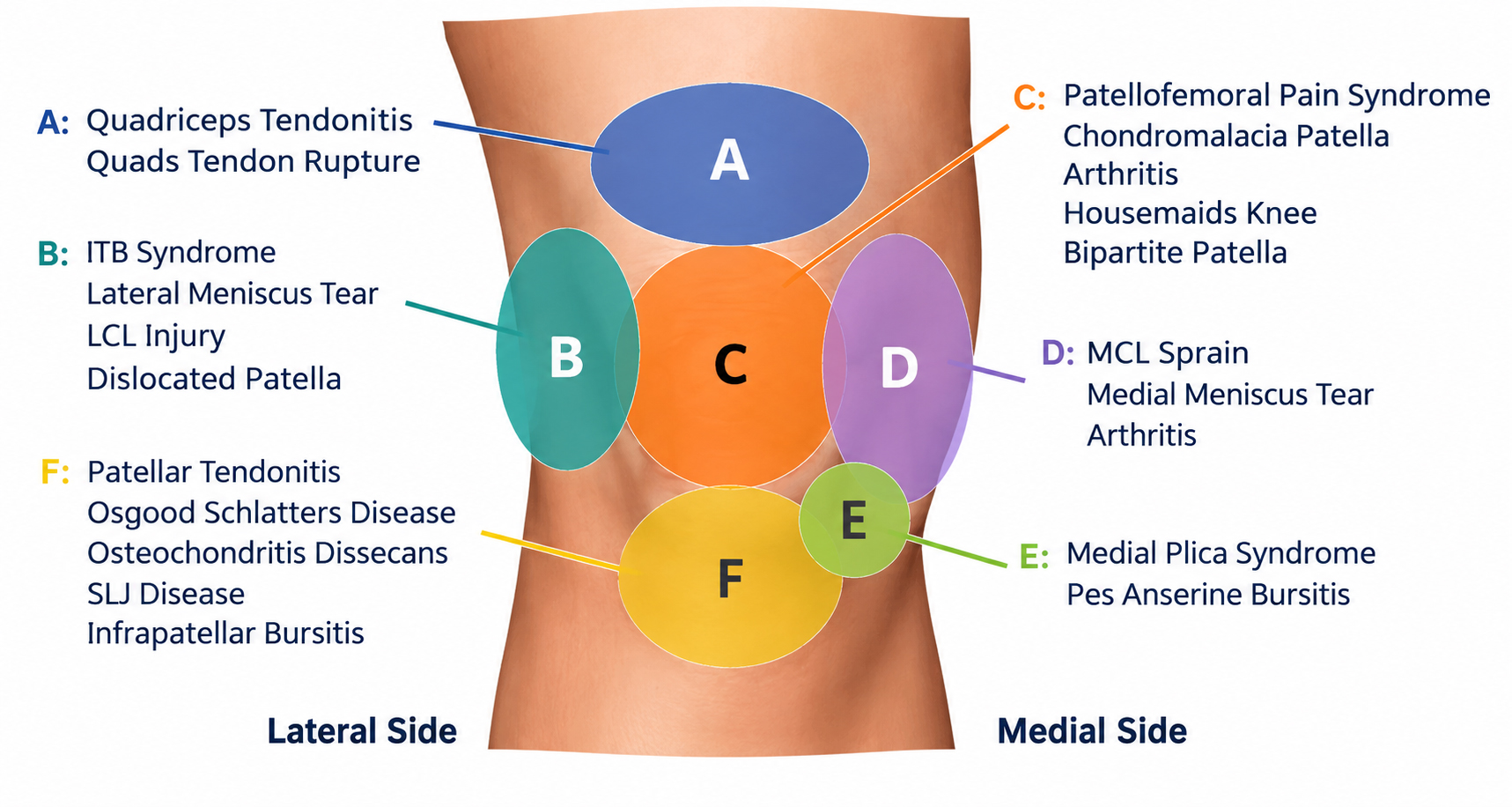
Knee Pain in Coburg
Knee pain is a common form of injury and can affect people of all ages [...]
Continue readingSep

Blog
Post-Surgery MLD Melbourne – Vodder MLD Therapist
Any form of surgery is an invasive procedure for the body to deal with, and [...]
Continue readingSep

Mar
Bone density is a key factor in bond fracture prevention. Bone is made of cells that die and regenerate. When this process is compromised, the risk of fracture arises. During the early stages of life, we can ensure that we intake and store calcium through food to build up our bones, but after a certain age (about 30), the body stops absorbing calcium, and the storage that we created is now our reserve for the rest of life. Cell Regeneration in Bone and Other Body’s Tissues The body’s cells, like muscle cells, skin cells, tendon cells, ligament cells and even bond cells, are in constant change via a process called cell regeneration. Old cells die off and they get replaced with new cells. In the case of bone, the cells that allow this process to happen are called osteoblasts. While we age, this process slows down, meaning that cells would still die, but they don’t get replaced. A typical example is a woman going through menopause. Estrogen, which is the hormone responsible for bond metabolism, allows the activity of osteoblasts. During menopause, indeed, women have a drop in Estrogen production, and osteoblasts are not as operative as they used to be. Strength Exercises and Cell Regeneration As this meta-analysis shows, strength exercises are a positive stress stimulus for the body and can help the osteoblast work harder and maintain bone cell regeneration. When the body perceives stress as physical resistance, it does its best to establish a reparation mechanism. So whenever we pick a weight against gravity, the body would implement a regeneration of the tissue that are used to complete this action. Who Is at Risk of Losing Bone Mass? There are several factors that can contribute to decreased bone mass: Age: Bone density typically peaks in early adulthood and declines with age. Gender: Women, especially postmenopausal, are at higher risk due to hormonal changes that accelerate bone loss. Family History: A family history of osteoporosis can increase risk. Body Size: Individuals with smaller body frames may have less bone mass to draw from as they age. Hormonal Levels: Thyroid imbalances and reduced sex hormones can lead to bone loss. Dietary Factors: Low calcium and vitamin D intake contribute to diminished bone density. Lifestyle Choices: A sedentary lifestyle, excessive alcohol consumption, and smoking are linked to weaker bones. I have included factors like dietary and hormonal levels in the above list. Bear in mind that taking supplements such as calcium and vitamin D (which helps retain calcium) could have severe contraindications. So, always talk to your doctor or specialist about the intake of supplements. How to determine Bone Density? To determine bone density, there is a diagnostic test called Dual-energy X-ray Absorptiometry (DEXA or DXA). This non-invasive procedure measures the mineral content in bones, usually in areas like the spine, hip, or wrist, to assess bone density and identify potential risks of osteoporosis or fractures. The results are given as a T-score, which compares your bone density to the average peak bone mass of a healthy young adult. A T-score of -1.0 or above is considered normal, while a score between -1.0 and -2.5 indicates low bone mass (osteopenia), and a score of -2.5 or lower suggests osteoporosis. Other methods, like ultrasound or quantitative computed tomography (QCT), can also assess bone density, but DEXA remains the gold standard for bone health evaluations. Mobility before strengthening So far, we have discussed how strength exercises are a good way to maintain bond density. Still, I would not recommend that anyone who is not into strength exercise and has bone density issues go and start lifting heavily. Why (?), you may ask. Well, before we start lifting heavy, we want to ensure that the body mechanics are optimal for it, so we better start looking into your mobility and then pass on to the strength part of things. Please be aware that mobility has nothing to do with elasticity or stretching. Those are different practices. How Can We Achieve Great Mobility For people who decide to take a journey to ensure an optimal level of mobility and then strengthen the body, the first step is to assess their joint mobility with active and passive range of motion. After that, we could use a combo of Myotherapy treatment and mobility exercises to ensure they can quickly pick up the best of their mobility capacity, given their subjective presentation. And here is a list of mobility exercises which we may look into at first: Hip Openers to improve range of motion in the pelvis and lower back. Ankle Drills to support proper weight distribution in weight-bearing exercises. Thoracic Spine Mobility Exercises to prevent excessive strain on the lower back. AC Joint External rotation to ensure we can build strong rotator cuff muscles, essential for shoulder health It Is Time To Strength. How Can We Do This? Once the minimum mobility is achieved, which may take 1 to 2 weeks of training, depending on each individual and their subjective history and effort, we can start looking into more strengthening exercises. So, here is a list of different exercises that can help with strengthening, written with the progressions to follow: Calf raises with double leg, single leg and weight Hamstring and Quads Curl that gets weight added as weeks go by Standing Adduction and Abduction at cable machine or with resistance bend Glut Muscles training at cable machine or with resistance bend Deadlift for back and posterior chain muscle strength Squat with weights and explosion variations Cuff rotator-specific strength is Ideal before stepping into more complex arm weight-lifting Cervical muscle strength to prevent cervical headache and sore neck All of those exercises, except the cervical one, can then be modified to achieve plyometric drills and combined movement. But this is a process that would take months, and there is no rush to get to it, as I want you to be safe throughout the entire journey. Integrating Exercise into Myotherapy Treatment At Melbourne Massage and Treatment, I incorporate […]
Feb
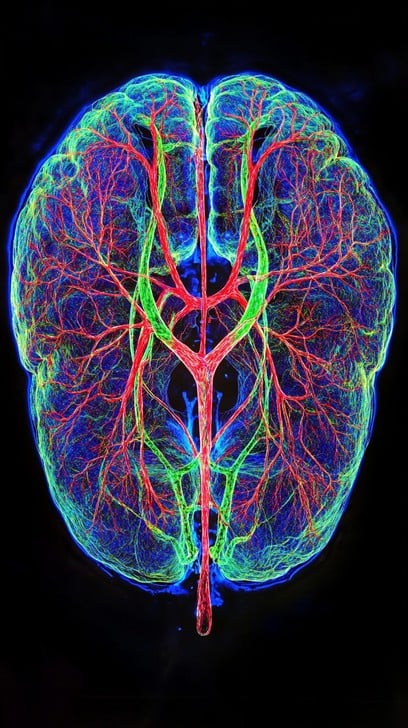
Alzheimer’s is a growing concern worldwide, affecting millions of individuals and their families. As we age, cognitive decline becomes a reality for many, but research has shown that regular exercise can play a significant role in reducing the risk of developing Alzheimer’s. Incorporating physical activity into daily routines can improve brain health, enhance memory, and support overall mental well-being. But how is this possible? And what do exercises have to do with brain health? What are the main factors that lead to Alzheimer’s disease? Even before starting to look into how exercises are beneficial for reducing the chance of developing Alzheimer’s, we have to understand what conditions can lead to Alzheimer’s in the first place. Indeed, there is a combination of factors that would increase your chance of developing this form of Dementia. Here is the list: low education level, midlife hypertension, midlife obesity, hearing loss, later-life depression, diabetes, smoking, social isolation, and, of course, low physical activity. Now, once you read this list, you can easily imagine how exercises can be beneficial for many of these presentations and how already acting directly on reducing these factors can lead to reducing your future chance of developing Alzheimer’s. How Exercise Benefits Brain Health Engaging in regular physical activity helps maintain cognitive function by improving blood flow to the brain. Indeed, the brain, as shown in the picture here, is a bundle of veins and arteries and has the most blood supply of any organ. As we now know, blood helps reduce inflammation and promotes the release of brain-derived neurotrophic factor (BDNF). BDNF is a protein that supports neuron growth and connectivity, which is crucial for memory retention and learning. On the other hand, exercise also helps reduce stress and anxiety, which are known contributors to cognitive decline. Additionally, studies like the London taxi driver study demonstrate how mental and physical engagement can grow the brain. The study found that taxi drivers who undergo rigorous memorization training developed larger hippocampi compared to bus drivers who followed set routes. This supports the idea that both physical activity and cognitive challenges contribute to brain resilience. Types of Exercises for Brain Health Different types of exercises offer unique benefits for brain function. Here are some of the best activities to help prevent Alzheimer’s: Aerobic Exercise: Activities like walking, running, cycling, and swimming increase heart rate and improve circulation, ensuring that the brain receives adequate oxygen and nutrients. Strength Training: Lifting weights or using resistance bands helps build muscle mass, which has been linked to better cognitive function and reduced risk of Alzheimer. Balance and Flexibility Exercises: Yoga, Tai Chi, and stretching improve coordination and reduce the risk of falls, which can contribute to brain injuries and cognitive impairment. Mental Engagement through Exercise: Activities such as dancing, martial arts, or playing sports require learning new movements and strategies, stimulating brain activity and improving neural connections. Metabolic and Lifestyle Factors Moving forward on the prevention side of things, there is to say that exercise alone is not the only factor influencing Alzheimer’s risks. Chronic conditions like pre-diabetes, diabetes, high LDL cholesterol, and chronic inflammation are significant contributors to cognitive decline. Studies show that individuals with uncontrolled pre-diabetes and high cholesterol in midlife face a greater risk of developing Alzheimer’s later on. A holistic approach to brain health should also address these metabolic pathways through a combination of exercise, a balanced diet, and proper medical management. How to Incorporate Exercise into Daily Life Nowadays I often hear patients saying that they have no time for exercise. But is that true? Or is it more about knowing how to optimise the time and apply some changes to our lifestyle? Then, here are some practical ways to integrate exercise into your routine: Take a brisk 30-minute walk daily. This can be easily accomplished by leaving the tram one stop earlier than your work’s stop and walking one stop back and forth, or parking the car a bit further away than the work location and walking your way down and back (15 mins each way). Join a local exercise class or sports group. If you give yourself a time and day that you have to attend a regular appointment, you are more luckily to make it a routine. Use stairs instead of elevators. If you work in a building with an elevator, opt for the stairs as many time as you can. Engage in gardening or household chores that require movement. Indeed gardening is not only a great way to spent time outdoor but it also a good way to move your body. Practice mobility drills before and after bedtime. Start and end yoyr day with a 10 minutes mobility self time, where you focus on get the spine moving and get your joint some selflove. How Melbourne Massage and Treatment can help with exercises for Alzheimer’s prevention? At Melbourne Massage and Treatment, I do my best to teach my patients exercises and guide them through a better lifestyle. Alzheimer’s disease is something that I experienced myself with my family throughout my mother’s journey. As I lived this in the first place, I want to make sure that no others have to go through the same journey. So not only do I regularly practice exercises myself, but I ensure to pass these skills and knowledge to others. If you are keen to learn more about how exercises can help your wellness journey, book now your next appointment for Exercises Prescription. Or if you have any questions, reach out via the contact page. FAQ about Exercises and Alzheimer’s prevention. Q: What are the main risk factors for developing Alzheimer’s disease? A: Several factors increase the likelihood of developing Alzheimer’s, including low education level, midlife hypertension, obesity, hearing loss, depression, diabetes, smoking, social isolation, and low physical activity. Addressing these risk factors through lifestyle changes can help reduce the chances of cognitive decline. Q: How does exercise benefit brain health? A: Regular physical activity improves blood flow to the brain, reduces inflammation, […]

Feb
Whiplash is a common neck injury caused by a sudden and forceful back-and-forth motion of the head. We often see this in patients who go through a car accident, contact sports injuries (AFL, rugby or even Soccer), or falls. While whiplash is usually not life-threatening, we now know that it can cause persistent pain and discomfort, affecting daily activities. Therefore, it is important to understand its symptoms, causes, and the best exercises for recovery, which can help individuals manage and overcome this condition effectively. Common Causes of Whiplash Whiplash is a term used to describe a fast rocking motion of the cervical area and is most frequently caused by: Car accidents: Rear-end collisions are the leading cause, as the sudden force propels the head forward and backward. Sports injuries: Contact sports like football, boxing, or hockey but even AFL, Rugby or even Soccer increase the risk of whiplash injuries. Falls: Slipping and falling can cause the head to jerk suddenly, leading to whiplash. Physical assaults: Blows to the head or sudden jolts, such as those experienced in shaken baby syndrome, can result in whiplash. What are the consequences of Whiplash for the cervical ligaments? The consequences of whiplash for the cervical ligaments can be significant, leading to long-term instability and chronic pain. When the ligaments are overstretched or torn, they lose their ability to support the cervical spine, resulting in properly: Reduced Stability: Weakened ligaments can no longer provide adequate support to the cervical vertebrae, leading to excessive movement and an increased risk of further injury. That’s why stretching is not recommended either. Chronic Pain and Stiffness: Persistent discomfort may arise as the muscles attempt to compensate for the lack of ligament support. Increased Risk of Degeneration: Ligament damage can accelerate wear and tear on the cervical joints, potentially leading to conditions such as osteoarthritis. Neurological Symptoms: Instability in the cervical spine may irritate or compress nerves, leading to headaches, dizziness, or numbness in the arms. Symptoms of Whiplash Whiplash symptoms can range from mild discomfort to severe pain, and they often appear within hours or days of the injury. Common symptoms include: Neck pain and stiffness: One of the most prevalent symptoms, often worsening with movement. Headaches: Typically originating from the base of the skull and radiating toward the forehead. Shoulder and upper back pain: The impact can cause muscle strain in surrounding areas. Reduced range of motion: Difficulty moving the neck due to stiffness and discomfort. Dizziness and fatigue: A common reaction as the body copes with the injury. Tingling or numbness in the arms: Nerve involvement may lead to sensations of pins and needles. Cognitive issues: Some people experience memory problems, difficulty concentrating, and irritability. Those symptoms may not present all at once, and they can belong to other presentations, while whiplash did or didn’t happen anytime before. That’s why when we go through a clinical history taking, as Myotherapist, we take our time to dig into your past and your body habits, as this can give us important information about your current presentation and what we can do to improve it. Why Can Whiplash Become a Lifelong Issue? In some cases, whiplash can become a chronic condition due to the instability of cervical ligaments. Cervical vertebrae can be divided into two parts, Mobile and Stable joints. C1 to C2 are the mobile ones, whereas C3 to C7 are the stable ones. Now, if along a whiplash incident, the ligaments of either the mobile or, most luckily, the stable side get strained, the muscles surrounding that segment of the joint would have to work harder to maintain stability. This would lead to to ongoing discomfort, reduced mobility due to pain and muscle spasms, and increased vulnerability to future injuries. If left untreated or managed improperly, this is how the condition can become chronic and lead to other injuries along the way. Importance of Thoracic Mobility Thoracic mobility plays a crucial role in preventing the chain effect of mobility and stability issues between the thoracic spine, lower cervical, and upper cervical regions. If the thoracic spine is stiff or restricted, the lower and upper cervical spine must compensate, leading to increased strain and pain. Improving thoracic mobility through targeted exercises can help reduce this compensatory stress, allowing for better neck function and reducing the risk of chronic discomfort. In a case of a previous history of whiplash, maintaining good thoracic mobility would allow the cervical area to focus on its duties, so stability for the lower portion and mobility for the upper. Reducing the risk of overcompensation and muscle fatigue. Effective Exercises for Whiplash Recovery A structured exercise program is essential for whiplash recovery. This program should begin with isometric exercises to restore basic cervical movement, progress to concentric exercises to rebuild strength, and eventually include thoracic mobility drills to enhance overall spinal function. Phase 1: Isometric Exercises for Early Recovery. For the first 2 weeks post-injury, 5 to 7 days a week. Isometric exercises help activate muscles without excessive movement, providing a stable foundation for recovery. This step is essential to start driving more blood to the area irritated by the whiplash and also allow the central nervous system to feel confident in perceiving the cervical structure moving without pain. Isometric Neck Holds: Place your hand on your forehead and gently press against it without moving your head. Push only 25% of your strength, as it has to be a pain-free exercise. Hold for 5-10 seconds and repeat 5 times. These exercises can be done in any cervical movement, such as extension, lateral flexion, or rotation, by using your hand as a resistance and pushing always at 25% of your strength. The strenght of push does not ever progress, what you will progress within isometric exercises are the time fram of push, repetitions and sets. Phase 2: Concentric Strengthening Exercises. From week 3 post-injury onwards,3 to 5 times a week. Once the pain subsides, which we would expect to happen in 2 weeks about it, gradual […]

Feb
Greater Trochanteric Pain Syndrome (GTPS) is a common condition that causes persistent lateral hip pain, often making everyday activities like walking, climbing stairs, or even lying on your side difficult. GTPS primarily affects middle-aged individuals, particularly women, and is commonly linked to issues such as gluteal tendinopathy and weakness in the hip stabilizing muscles. At Melbourne Massage and Treatment, our focus is on evidence-based approaches to managing GTPS, and the latest research strongly supports the role of exercise as the first line of treatment for this condition. GTPS Symptoms Greater Trochanteric Pain Syndrome can present with a series of symptoms that are local to the side of the hip. Here are the most common: Lateral hip pain: Persistent pain on the outer side of the hip, which may extend down the thigh. Pain when lying on the affected side: Discomfort that worsens when lying directly on the hip. Tenderness to touch: Sensitivity around the greater trochanter, which may be painful to press. Pain with movement: Aggravation of pain during walking, climbing stairs, or standing for prolonged periods. Weakness in hip muscles: Reduced strength in the gluteal muscles, leading to instability in movement. Difficulty sitting for long periods: Sitting on hard surfaces can exacerbate discomfort. Mechanism of Injury for GTPS GTPS is primarily associated with tendinopathy of the gluteus medius and/or minimus muscles, with or without accompanying bursitis. As per many tendon injuries, this condition often arises from repetitive stress or overuse, leading to microtrauma and degeneration of these tendons. On the other hand, abnormal hip biomechanics can exacerbate the issue, as compressive forces cause impingement of the gluteal tendons and bursa onto the greater trochanter by the iliotibial band during hip adduction. Contributing factors to GTPS include acute trauma, such as a fall onto the lateral hip, prolonged pressure from lying on one side, and overuse from activities like running or stair climbing. Additionally, conditions like iliotibial band disorders and gluteal muscle weakness can increase the risk of developing GTPS. Understanding these mechanisms is crucial for effective management and prevention of GTPS. Evaluation of GTPS Diagnosing GTPS typically involves a combination of clinical examination and medical history assessment. After taking your clinical history, including sports and work activity, I will perform a series of tests to validate the suspicions of GTPS. Those tests include single-leg stance and resisted hip abduction, which we would expect to show weakness in single-leg standing and pain during the abduction movement. Lastly, we would also palpate the area, which is a test that is kept for last because we want to avoid flair the presentation, which may be painful with any other test after that. In some cases, imaging techniques like ultrasound or MRI may be used to rule out other conditions and confirm gluteal tendinopathy or soft tissue abnormalities. I personally do not recommend image testing as the first way to go because the impact of seeing physical damage can also have a negative impact on self-perception, making a recovery harder. At Melbourne Massage and Treatment, our focus is on evidence-based approaches to managing GTPS, and the latest research strongly supports the role of exercise as the first line of treatment for this condition. The difference between GTPS and Femoroacetabular Impingement (FAI) The difference between GTPS and FAI stands in the hip area involved in the injury. The GTPS is relative to the side of the hip and involves the gluteus medius and minimus tendon and the bursa that separate that tendon from the greater trochanter of the femur. On the other hand, FAI is a presentation that still involves the hip, but it does take place on the anterior portion of the hip, as is characterised by and overgrowth of tissue on the femur head or the hip socket, and it does manifest with hip flexion and external rotation. That’s why it is important to receive an evaluation of the presentation from a professional, in order not to mix the two presentation, or also, in order to evaluate if both presentation are present at the same time, which can also happen. The Role of Exercise in GTPS Treatment A recent systematic review and meta-analysis analyzing multiple randomized controlled trials found that structured exercise provides significant benefits for individuals with GTPS. The findings revealed that: Long-term pain reduction: Exercise can lead to slight but meaningful reductions in hip pain over time. Improved physical function: Patients who engage in targeted exercise programs experience better mobility and overall hip function. Increased likelihood of meaningful recovery: Compared to corticosteroid injections, exercise significantly increases the chances of noticeable improvement in symptoms. One of the most notable takeaways from this research is that exercise has a long-lasting effect, whereas treatments such as corticosteroid injections may provide only short-term relief. Additionally, no serious adverse effects were reported with exercise-based interventions, making it a safe and sustainable approach to managing GTPS. Why Choose Exercise Over Corticosteroid Injections? Corticosteroid injections have often been used for GTPS pain relief, but the research indicates that exercise leads to better long-term outcomes. While injections may offer temporary symptom relief, they do not address the underlying causes of GTPS, such as gluteal muscle weakness or tendon dysfunction. Exercise, on the other hand, strengthens the hip muscles, improves joint stability, and reduces the likelihood of recurring pain. In a previous blog post, I spoke about the key role of Gluteus Medius as a pelvis stabiliser. Effective Exercises for GTPS At Melbourne Massage and Treatment in Coburg clinic, I design individualised exercise programs to help patients with GTPS regain strength and function. Some of the most effective exercises for GTPS include: Isometric exercises involve holding static positions to engage the hip muscles without excessive movement, reducing pain and improving muscle endurance, driving blood to the tendons and joints, helping with recovery. Strength training: Progressive strengthening of the gluteus medius and minimus muscles to enhance hip stability. Functional movement training: Exercises that mimic daily activities to help improve movement patterns and prevent pain triggers. Along those exercises we […]
Feb
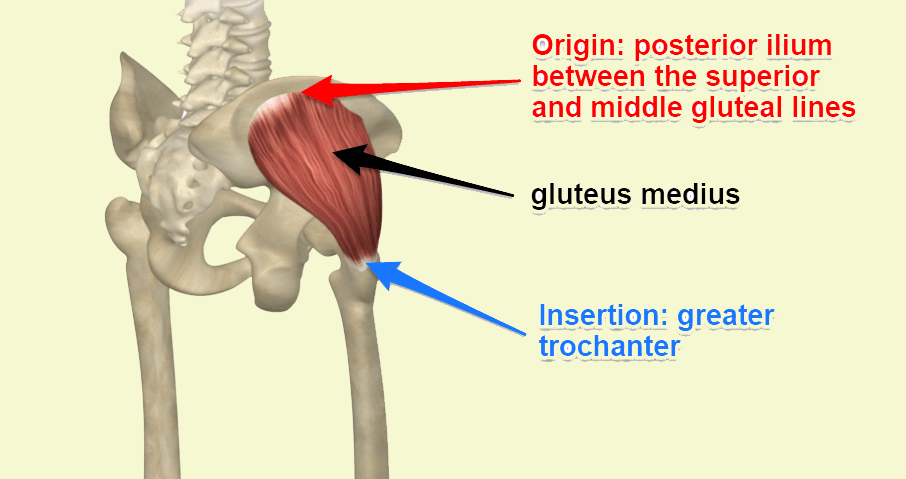
When it comes to maintaining a healthy, functional body, it’s easy to overlook the pivotal role of certain muscles in everyday movement and long-term stability. One such muscle is the gluteus medius. At Melbourne Massage and Treatment, located in Coburg, I see many patients who either love running or love to hit the gym but are not aware of the importance of this muscle for their activity. What is the Gluteus Medius? The gluteus medius (GM) is one of the three primary muscles of the gluteal group, located in the upper part of the buttock. Here is a breakdown of its anatomy: Origin: the gluteal surface of the ilium Insertion: lateral surface of the greater trochanter Innervation: dorsal branches of the L4, L5, and S1 Actions: Abduction and medial rotation of the lower limb. It stabilises the pelvis. Thanks to its positioning, the GM plays a vital role in controlling pelvic movement, specifically in the stabilization of the pelvis during various motions like walking, running, or standing on one leg. More Information About Gluteus Medius actions The GM serves several essential functions that directly affect the stability of the hip and lower body: Pelvic Stabilization: One of its primary roles is preventing the pelvis from tilting excessively to one side when you move, especially when you’re walking or running. If the gluteus medius isn’t working properly, the opposite side of your pelvis may dip downward, leading to an imbalance and compensatory movements that strain other parts of the body. Hip Abduction: The gluteus medius helps to move the leg out to the side, away from the body. This movement, known as hip abduction, is crucial for activities that require lateral movement, such as stepping sideways or maintaining balance while performing physical tasks. Internal and External Rotation: The gluteus medius also assists with the rotation of the hip joint. Depending on which fibers are activated, it helps with both internal and external rotation of the thigh. This is essential for maintaining control and precision in movements. Postural Support: The gluteus medius muscle helps keep the pelvis level when you’re standing on one leg. Without proper activation of this muscle, one hip might drop, affecting posture and causing misalignments in the spine and lower back. The Role of the Gluteus Medius in Hip Stability Why is the GM so important for hip stability? Simply put, this muscle acts as the stabilizer of the pelvis. Without a properly functioning gluteus medius, other muscles and joints are forced to compensate for the lack of stability, leading to overuse and strain. For example, improper GM function can result in excessive stress on the knees, lower back, and even the ankles, which can lead to pain, discomfort, and injury. Clinical implications are vast, especially for athletes and individuals who regularly engage in physical activities. Hip instability can result in difficulty performing simple tasks like walking or climbing stairs, and over time, it may contribute to chronic conditions such as hip osteoarthritis. A common painful presentation that we see in athletes but also the everyday patients is Greater Throcanta Pain Syndrome (GTPS), which is characterised by the side hip pain. This presentation results from a GM tendon irritation. Signs of Weak or Dysfunctional Gluteus Medius Here are some common signs that your gluteus medius may need attention: Pain in the hip or lower back: Since this muscle is integral to proper alignment, dysfunction often manifests as discomfort in the hips or lower back. Difficulty balancing on one leg: Struggling with stability when standing on one leg may indicate weak gluteus medius muscles. Shifting or limping while walking: A noticeable shift or limp while walking can point to weakness in the gluteus medius, causing the body to compensate and disrupt your gait. How can Gluteus Medius impact your run? The gluteus medius is crucial for runners as it stabilizes the pelvis, controls hip movement, and ensures proper alignment during running. This muscle prevents excessive pelvic tilting, reduces side-to-side sway, and helps maintain efficient running form, thereby lowering the risk of injuries such as knee pain, IT band syndrome, and lower back discomfort. A weak or dysfunctional gluteus medius can lead to compensatory movements, affecting performance and causing imbalances. How Melbourne Massage and Treatment Can Help At Melbourne Massage and Treatment, as a clinical myotherapist, I focus on treatment designed to address muscle pain and dysfunction through a variety of techniques. One of the key areas of focus is to create a treatment plan that works for your presentation based on your clinical history. Here is a breakdown: 1. Assessment and Diagnosis: I would conducts a thorough assessment to identify if the gluteus medius is underperforming, weak, or compensating due to other musculoskeletal issues. This involves a combination of posture analysis, movement patterns, and targeted strength tests. 2. Myotherapy Treatment Techniques: I will use various techniques, including trigger point therapy, Dry Needling, myofascial release, and deep tissue massage, to release tension in the gluteus medius and surrounding muscles. This helps to restore proper function, reduce pain, and improve mobility. 3. Rehabilitation and Strengthening: After addressing any issues, we will work to develop rehabilitation strategies, including targeted strengthening exercises for the gluteus medius and other muscles that surround the pelvic, lower back and leg area. These exercises aim to restore proper muscle activation and prevent future imbalances. 4. Injury Prevention: In order to prevent further injury, we will set a target of strength that you want to achieve with your sports activity, and we will do our best to hit that target. Be mindful that based on your presentation, the target could extend from a few weeks to several months. The Takeaway The gluteus medius muscle is far more important for hip stability than many people realize. Its role in maintaining pelvic alignment and controlling movement is essential for pain-free mobility, proper posture, and long-term musculoskeletal health. Whether you’re dealing with hip pain, experiencing difficulty with balance, or want to prevent future issues, understanding and caring for your […]

Jan
A deadlift (conventional deadlift) is a popular exercise that aims to strengthen your posterior chain muscle, including the erector spinae muscle, glutes, and hamstring. It is considered a really top list of important exercises to do, and it can be fun and rewarding, but when the weight you move starts increasing, it can lead to severe injuries if you are not using the right technique. Let’s then look into what we need to do to get a good deadlift by starting to analyse from bottom to top how the body should be placed. Centre of mass and biomechanics in deadlift To start with, let’s talk about the biomechanics and the centre of mass for a deadlift. When doing exercises, biomechanics plays a crucial role in safety and optimal exercise execution, and there is no exception for the deadlift. Furthermore, along with all exercises, the lifting and the descending part, the weight has to be in line with the centre of mass. These two components are strictly interconnected to the other one, which means if I don’t use the right biomechanics, I am not going to have the weight aligned with the centre of mass, or if the weight is not aligned with the centre of mass, I am not using my biomechanics at its full potential. So, what’s the centre of mass in the deadlift? The centre of mass in a deadlift is that imaginary line that runs right from the mid-portion of your feet up right in front of your shins, and as you lift the weight up, it passes right in front of your pelvis. That’s where the bar is going to end once you complete the lifting motion. What happens if I don’t keep the bar along the centre of mass? At any stage, during the lifting or the descending motion, if you move the bar further away from the centre of the mass line, there is a great danger of injury. This is because, as the weight travels away from the centre of mass, there is an increase in momentum, which means that your muscles and ligaments that are working hard to move the weight are suddenly placed under a greater load. What are then the proper biomechanics to observe along a deadlift? Ankle and Knee To execute a good deadlift, we want to ensure we have good ankle dorsiflexion, which is not as important as when we squat, but still, we better ensure it is working right. This would allow a straight forward movement of the knee, which would not need to find its way medially or laterally along the initial bending for when we go to grab the bar. Moving up the chain, as we said, the knee have to point straight ahead, following the toes direction. Hip and lower back Next is the hip. This is an important joint, and here is where we need to make sure that we tilt the pelvis forward (bring the teil bone upwards) and as we hinge the hip, we have to have enough movement in there that the greater trochanter (bone landmark that represents the side of the femur’s head) is posterior to the malleolus (the bone landmark that make the side and medial portion of the ankle). Now, if we managed to have tailbone project far back and up, and hip hinged with a slightly bent knee, our back up to cervical area would be alrady quiet flat. Thoracic and head If we keep going upwards, we get to the upper thoracic area, right between the scapula. Here, we want to keep the scapula protracted and have the rhomboids and serratus anterior muscles active and strong so that the arms can hang down straight towards the bar and sit right next to the knee. Regarding the head, use your eyesight to look down at the floor at 45° in front of you and feel the ears pulling away from the shoulder. That would keep your neck nice and long and place the head in the right position. Arms and hands Arms hang down from the shoulder in a straight line, from the AC Joint down to the wrist. The arm has to feel heavy and prolonged, and the hands must sit right next to the shin. Indeed, your arms must stay as wide as your shoulders. That would ensure that your arms are at 90° with the bar, and from a vertical pool point of view, they can take the maximum load ever. Lastly, regarding the hands, there are different grip types that can be used for the deadlift. What is most important is that the wrist is straight following the armline. For exercise purposes, you can have a regular grip where your thumb is gripping around the bar. For heavier weights, you may want to do a mixed grip, where one hand (the dominant one) has the palm facing forward, and the other hand has the palm facing you. In conclusion, the biomechanics of the deadlift, if used correctly, will allow you to always weight in a safe spot, in line with the centre of mass. Your back has to be flat at all times, and along the exercise execution, you want to grasp air in, engage the core to flat out the lower back and then you can lift off. Benefits of Deadlifting Now, let’s look into the benefits of deadlifting. Full-body workout: Deadlifts engage multiple muscle groups—glutes, hamstrings, quads, lower back, core, traps, and forearms—providing a full-body workout in a single movement. Improved strength: Deadlifts are among the best exercises for building overall strength, especially in the posterior chain (back, glutes, and hamstrings). Better posture: Deadlifts can improve posture and reduce the risk of slouching by strengthening your back and core muscles. Core stability: The movement requires significant core activation, helping to enhance core strength and stability. Increased athletic performance: Deadlifts translate well to other athletic movements, as they improve explosiveness, agility, and endurance. Fat loss: The intensity and demand on […]

Jan
If you or someone you know is struggling with the lingering symptoms of Long Covid, you are not alone. After the initial acute phase of COVID-19, many people continue to experience debilitating symptoms such as fatigue, breathlessness, and brain fog that can last for weeks or even months. These prolonged effects, commonly referred to as Long Covid, have created a pressing need for effective treatment strategies to manage and alleviate the symptoms. One promising approach gaining attention is Manual Lymphatic Drainage (MLD) Massage, a gentle and non-invasive therapy that can support the recovery process for Long Covid patients. At Melbourne Massage and Treatment, Giovanni, a highly trained therapist from the Vodder Academy, is helping clients recover from the lingering effects of COVID-19 using this technique. But how exactly does MLD work, and can it help you overcome the frustrating symptoms of Long Covid? What is Manual Lymphatic Drainage Massage (MLD)? MLD is a specialised massage technique that uses gentle, rhythmic movements to stimulate the lymphatic system—the body’s waste removal and immune system. The lymphatic system is responsible for draining toxins, bacteria, and waste from the body’s tissues. It plays an essential role in inflammation control, immunity, and tissue recovery. MLD can help to enhance the flow of lymph, reduce chronic inflammation, alleviate congestion, and promote overall healing. Trained at the renowned Vodder Academy, Giovanni uses the Dr Vodder method of MLD, a highly effective and evidence-based technique. This form of lymphatic drainage focuses on increasing lymph flow and addressing issues such as fluid retention, swelling, and inflammation, which are common in patients suffering from post-viral syndromes, including Long Covid. Long Covid Symptoms: A Multifaceted Condition Long Covid is a condition where individuals experience lingering symptoms after the acute infection phase has passed. Some of the most common symptoms include: Fatigue: Extreme tiredness that doesn’t improve with rest Breathlessness: Difficulty breathing or catching your breath even after mild exertion Cognitive Dysfunction: Often referred to as “brain fog”, which includes issues with concentration, memory, and clarity of thought Muscle and Joint Pain: Persistent aches and pains that can make everyday tasks difficult Sleep Disturbances: Trouble falling or staying asleep due to physical discomfort or anxiety While medical management of Long Covid usually focuses on symptom control, the current lack of effective pharmaceutical treatments leaves many patients seeking alternative therapies. That’s where Manual Lymphatic Drainage can make a significant difference. How MLD Helps with Long Covid Symptoms A recent study, Manual Lymph Drainage for Post-COVID-19 Related Cough, Breathlessness, and Fatigue, explored the use of MLD as a treatment for individuals suffering from persistent Long COVID symptoms. This study found that MLD helped reduce symptoms like fatigue, breathlessness, and chronic cough, with improvements starting as early as the third treatment. Patients reported increased energy levels, better sleep, and enhanced functional capacity after just a few sessions. Giovanni’s expertise with MLD can be crucial in addressing the inflammation, poor lymphatic drainage, and respiratory issues often associated with Long Covid. Key Benefits of MLD for Long Covid Symptoms Recovery: Reduces Inflammation One of the key factors contributing to Long Covid symptoms is chronic inflammation. MLD helps to reduce systemic inflammation by promoting the drainage of inflammatory waste and toxins, which can alleviate discomfort and promote healing. Improves Breathing Function Many Long Covid sufferers experience breathlessness, a symptom that can greatly affect quality of life. MLD targets the lymphatic pathways in the chest and lungs, which can help reduce inflammation in the respiratory system, clear mucus, and improve lung function. The technique also includes special “bronchitis” maneuvers that help open up the lungs and reduce coughing. Boosts Energy Levels Fatigue is one of the most disabling Long COVID symptoms. By supporting lymphatic flow and reducing congestion, MLD can improve circulation and oxygen delivery to the body’s tissues, helping to restore energy levels and combat the persistent tiredness that plagues many Long Covid sufferers. Supports Immune System Recovery Long Covid symptoms often result from an immune response gone awry. MLD can help recalibrate immune function, promote lymphatic circulation, and enhance the body’s natural ability to heal itself. Enhances Mental Clarity Brain fog and cognitive dysfunction are common complaints among people with Long Covid. By reducing inflammation and promoting better circulation, MLD may help improve mental clarity and cognitive function, allowing patients to regain focus and reduce feelings of confusion or mental fatigue. Improves Sleep Quality Many Long Covid sufferers report difficulties with sleep. By reducing pain and inflammation, MLD helps induce a relaxation response in the body, which can promote deeper, more restful sleep. Giovanni’s Approach: Tailored MLD Treatment for Long Covid Symptoms Giovanni, a skilled therapist with extensive training in the Vodder Academy’s MLD method, offers personalised treatments for those struggling with Long Covid. Each session is tailored to the individual’s specific symptoms, addressing areas such as: Chest and Lungs: To reduce inflammation and congestion Neck and Shoulders: To alleviate stiffness and promote relaxation Facial Area: For sinus congestion or post-viral inflammation Whole Body: To improve general circulation, reduce swelling, and stimulate the lymphatic system. When working with this type of presentation, it is also valid to consider a shorter initial session to ensure that MLD does not spike up your symptoms. If you are not sure what works best for you, just ask Giovanni. Giovanni’s gentle, compassionate approach helps create a safe space for clients to heal. Many clients report feeling noticeably better after just a few sessions, with improvements in breathing, energy, and mental clarity. Read here about the Melbourne Massage and Treatment testimonials. Real-World Results: Case Studies In a study of two Long Covid patients undergoing MLD treatment, both reported substantial improvements in their symptoms. After just a few sessions, they experienced reductions in breathlessness, fatigue, and overall discomfort. By the time of their follow-up treatment, both patients reported feeling the best they had since before contracting COVID-19, with increased energy, improved sleep, and less reliance on medication. Why Choose MLD for Long Covid Recovery? Non-invasive and Drug-free: MLD offers a natural, non-pharmaceutical […]
Dec
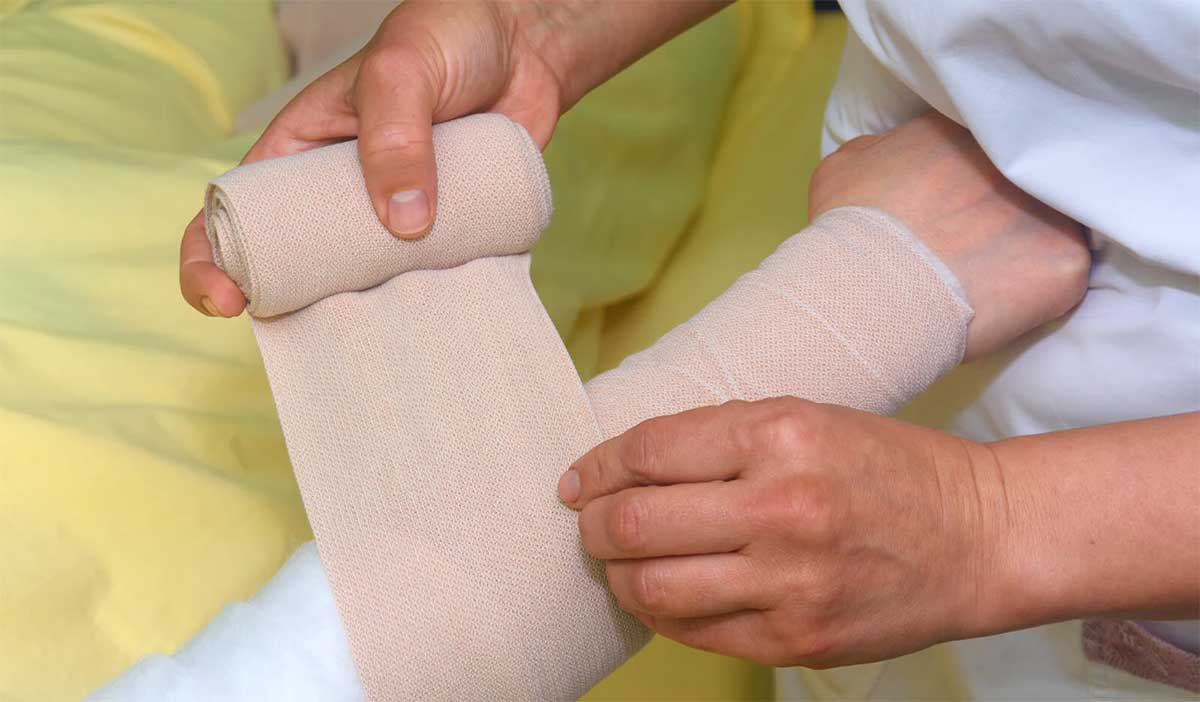
Hello, and welcome! I’m Giovanni, and today I want to share some insight into the available treatment options for lymphoedema. If you or someone you know is dealing with this condition, I understand how overwhelming it can feel to navigate the many different approaches to treatment. As someone specialising in lymphoedema management through Manual Lymphatic Drainage (MLD) and Complex Decongestive Therapy (CDT), I aim to provide a holistic approach to managing and reducing the symptoms of lymphoedema. I’ve studied with the Vodder Academy and am a Clinical Myotherapist, so my work is built on solid, evidence-based practices. But I also believe that looking at all available treatment options for lymphoedema —medical, surgical, and holistic—is key to finding a management strategy that works for you. What is Lymphoedema? Before we dive into treatment options, let me quickly touch on what lymphoedema is. Lymphoedema is a condition that causes fluid retention and swelling, usually in the arms or legs, as a result of damage or blockage to the lymphatic system. This can occur after surgery, radiation treatment, or due to inherited conditions. While lymphoedema may be chronic, the good news is that with the proper treatment, symptoms can often be managed or reduced significantly. Medical Treatment Options for Lymphoedema Medical treatments for lymphoedema typically focus on managing the fluid buildup and improving lymphatic drainage. Here’s a quick overview of what you might expect in a clinical setting: Compression Therapy Compression garments are often a cornerstone of lymphoedema management. They help reduce swelling by applying controlled pressure, which encourages the flow of lymph fluid. These garments come in different forms, including: Stocking Sleeves Bandages They can be custom-fitted to provide maximum comfort and effectiveness. Compression stockings are recommended to be purchased from brands that offer made-to-measure fittings, like JUZO, HADDENAM or others. I support my client throughout the garment-fitting process through the SWEP program that subsidises the garment. Once the garments are approved, I send the measurements to the above company, and you will receive your garments at home. The benefit of this approach is that you will have a compression that is ideal for your limb, with no greater risk of fluid congestion and other side effects, and most, if not all, is anyway supported by SWEP. Pharmaceuticals and Diuretics In some cases, medications may be prescribed to address symptoms like inflammation or to reduce fluid retention. However, it’s important to note that diuretics are generally not a primary treatment for lymphoedema, as they don’t directly address the underlying lymphatic issue. Other medications that are prescribed for Lymphoedema are creams to maintain skin moisturised in order to reduce the chance of cracking and skin damage. Manual Lymphatic Drainage (MLD) I specialise in MLD, a gentle, hands-on technique that stimulates the anastomosis of the lymphatic system and encourages the movement of excess fluid from swollen areas. MLD can be incredibly effective in reducing swelling and relieving discomfort. It works by stretching and letting the skin recoil under some really gentle pressure. This way, the lymphatic system is stimulated to work harder, and takes up the fluid to healthier parts of the body where it can be processed more efficiently. Combine Decongestive Therapy (CDT) It is part of the treatment I offer for Lymphoedema patients here at Melbourne Massage and Treatment. It consists of bandages used to compress the affected area. The compression is applied after MLD has been delivered, and it is applied to maintain fluid movement throughout the anastomosis, which is the alternative connection of the lymphatic system through which the liquid moves after the MLD stimulation. The bandages are applied and are recommended to stay on for about 24 hours. After this time, once you remove them, you will wash them, roll them and come back for another treatment. A back-to-back treatment would ensure that the swelling of the lymphoedema can be managed and reduced as quickly as possible. Laser therapy Laser therapy is a non-invasive treatment that can be used in a clinical setting to treat specific lymphoedema presentations. Indeed, Laser therapy is used when the patient already presents with fibrosis, the hardening of the skin. Low-frequency lasers are the ones used most often, and we know there are also portable pen lasers that are efficient enough for this therapy. Pneumatic compression therapy: This therapy consists of using a sleeve pump machine that gets placed over the affected area and inflates sequentially to apply pressure. The rhythmic compression helps stimulate lymphatic flow, reduces swelling, and improves circulation by encouraging the movement of excess fluid toward lymphatic drainage sites. All those therapies are recommended in combination. To start with, for the best results and quick reduction, MLD and CDT would be more effective. Surgical Treatment Options for Lymphoedema While surgery is generally considered a last resort for lymphoedema, there are certain cases where it may be necessary or beneficial: Liposuction for Lymphoedema This technique is sometimes used to remove excess fat tissue that has accumulated as a result of chronic lymphoedema. It’s not a cure, but it can help reduce the volume of swelling and improve the appearance of the affected area. Lymphovenous Anastomosis (LVA)/Bypass It involves connecting the lymphatic vessels and nearby veins, allowing excess lymph fluid to drain into the bloodstream instead of accumulating in tissues. Vascularized lymph node transfer (VLNT) a surgical technique used to treat lymphoedema by transplanting healthy lymph nodes along with their blood supply to the affected area. The transplanted lymph nodes, typically harvested from the patient’s groin or other regions, are reconnected to the recipient’s blood vessels. Lymph Node Transplantation In some specialised cases, surgeons may transplant healthy lymph nodes from one part of the body to another to help restore lymphatic drainage. This option is more complex and is usually reserved for severe, treatment-resistant lymphoedema. Surgery, of course, comes with risks and recovery time, so it is typically considered only after all other treatments have been explored. Lymphoedema Holistic Treatments: Taking a Whole-Body Approach While medical and surgical treatment options for lymphoedema can […]
Lymphoedema is a condition often associated with cancer survivors, particularly those who have undergone surgery or radiation therapy, but it can also occur due to other chronic conditions or injuries. Characterized by the swelling of limbs due to the accumulation of lymphatic fluid, lymphoedema can significantly impact a person’s mobility, emotional well-being, and overall quality of life. Early diagnosis of lymphedema and management are key to preventing long-term complications, and at Melbourne Massage and Treatment in Coburg, Giovanni, a skilled Myotherapist and Lymphoedema therapist, specializes in identifying and managing this condition using a combination of manual techniques and physical assessments. In this blog, we’ll explore how lymphoedema is diagnosed, the challenges of identifying it early, and Giovanni’s approaches to detecting and managing the condition. What is Lymphoedema? Lymphoedema occurs when there is a disruption in the lymphatic system, leading to the accumulation of lymph fluid, a protein-rich fluid that sits beneath the skin and between the body’s tissue, which often causes swelling in the limbs or other areas of the body. This condition can develop due to a variety of factors, such as lymph node removal during surgery, radiation treatments, injury, or genetic predisposition. Early detection of lymphoedema is crucial to prevent the condition from worsening and causing complications like tissue fibrosis, infections, or reduced mobility. Challenges in the Diagnosis of Lymphoedema Lymphoedema can be difficult to diagnose, especially in its early stages. In its initial phase, symptoms such as heaviness, tightness, or mild swelling may seem subtle and easy to overlook. Patients might attribute these sensations to muscle strain or arthritis, delaying the diagnosis. Furthermore, swelling can fluctuate, making it even harder to identify at the outset. By the time noticeable swelling occurs, the condition may have already advanced, complicating treatment and requiring more intensive management. This is why early detection is so important, as it allows for less invasive treatments and better long-term outcomes. Giovanni’s Approach to Diagnosis of Lymphoedema As a Myotherapist and Lymphoedema therapist at Melbourne Massage and Treatment Lymphoedema Clinic, Giovanni uses manual techniques and physical assessments to diagnose lymphoedema. Although he does not use imaging technology or machines to detect the condition, Giovanni’s training and experience enable him to identify the signs and symptoms through careful observation, palpation, and physical examination. That said, if it is needed, Giovanni can write a referral doctor for your GP to indicate why he believes it is important for you to undertake a specific scan or some medical test. 1. History taking The earlier approach to Lymphoedema diagnosis is an extended look at the medical history, where any past surgery, injury, accident or medications need to be outlined and taken into consideration. 2. Clinical Assessment Following the history taken to diagnose lymphoedema is the clinical assessment. Giovanni conducts a thorough physical examination of the affected limb or area, paying close attention to key signs of lymphoedema, such as: Persistent swelling that doesn’t subside with rest Feeling of heaviness or tightness in the limb Changes in skin texture, such as hardening or thickening Reduced range of motion in the affected area Along with your booking confirmation, you would also receive a form to fill in online, which would start paving the road to your diagnosis. 3. Tape Measurement Method One of the simplest, yet effective, ways Giovanni diagnoses lymphoedema is by using tape measurements. This involves measuring the circumference of the affected limb at various points (e.g., wrist, forearm, upper arm) and comparing these measurements to the unaffected side. Over time, consistent and progressive changes in limb circumference can indicate the development of lymphoedema. While this method is cost-effective and easy to perform, it may not detect early, subtle changes in limb volume. However, when paired with other assessments, it offers valuable information about the progression of the condition. 4. The Pitting Test Giovanni often performs the pitting test, a hands-on method to assess fluid accumulation in the affected area. This simple test involves pressing down on the swollen area with his fingers. If an indentation (or “pit”) remains for several seconds after the pressure is released, it indicates the presence of excess fluid in the tissue, which is a hallmark of lymphoedema. The pitting test helps Giovanni evaluate the severity of fluid retention, but it is more subjective than advanced diagnostic tools. 5. Stemmer’s Sign – Tissue assessment Giovanni also uses palpation (manual examination through touch) to assess the affected area’s tissue texture and consistency. In the early stages of lymphoedema, the tissue may feel soft and puffy, but as the condition progresses, it can become firmer, and in some cases, the skin may develop a thicker, fibrous texture. These changes are essential indicators of lymphoedema and are crucial for determining the stage of the condition. In addition to this, the Stemmer’s Sign is a test that consists of picking what we would expect to be wrinkled skin, like the one just before the toe/tarsal joint. A positive test would result in the impossibility of pinching any skin due to the swelling in the area. 6. Lymphoscintigraphy A lymphoscintigraphy is a scan that is part of nuclear medicine tests, and it is specifically used to detect any interruption within the lymphatic system. The test is done in the specific clinic, and no recovery is needed for it. The procedure consists of injecting a radioactive liquid either in the feet or hands and with a specific camera, detecting the movement of the liquid within the body. We would expect the liquid to move within a certain timing and pathway along the lymphatic system. If that doesn’t happen, this test can give a good understanding if anything is not functioning with the lymphatic system. Why is Early Detection Crucial? The earlier lymphoedema is detected, the easier it is to manage. Early-stage lymphoedema is often easier to treat with less invasive interventions, such as manual lymphatic drainage (MLD), compression therapy (CDT), specific exercises, and skin care. These treatments can help reduce swelling, prevent the condition from worsening, and improve the […]