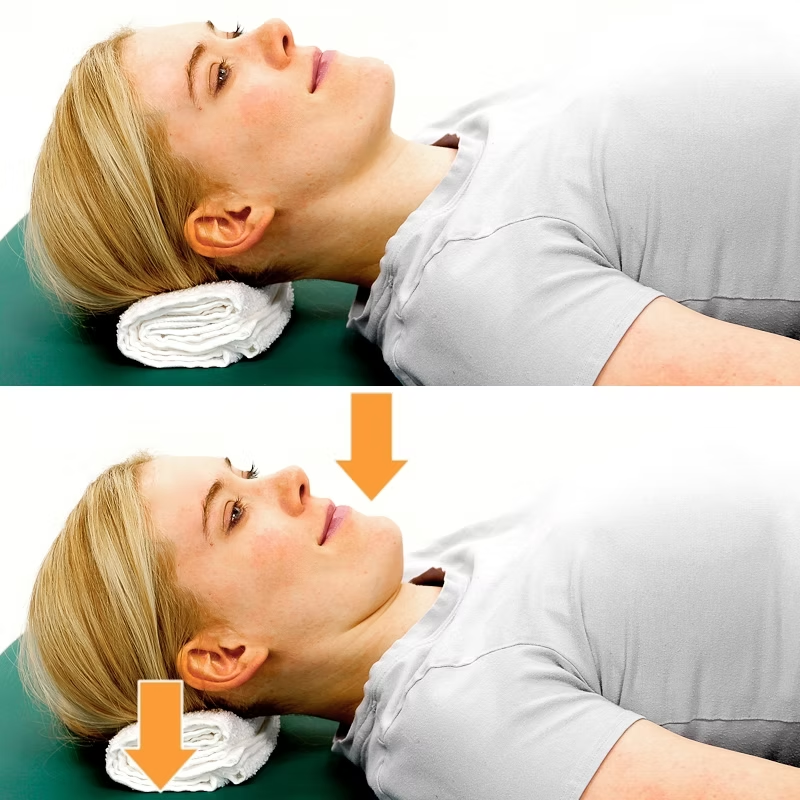
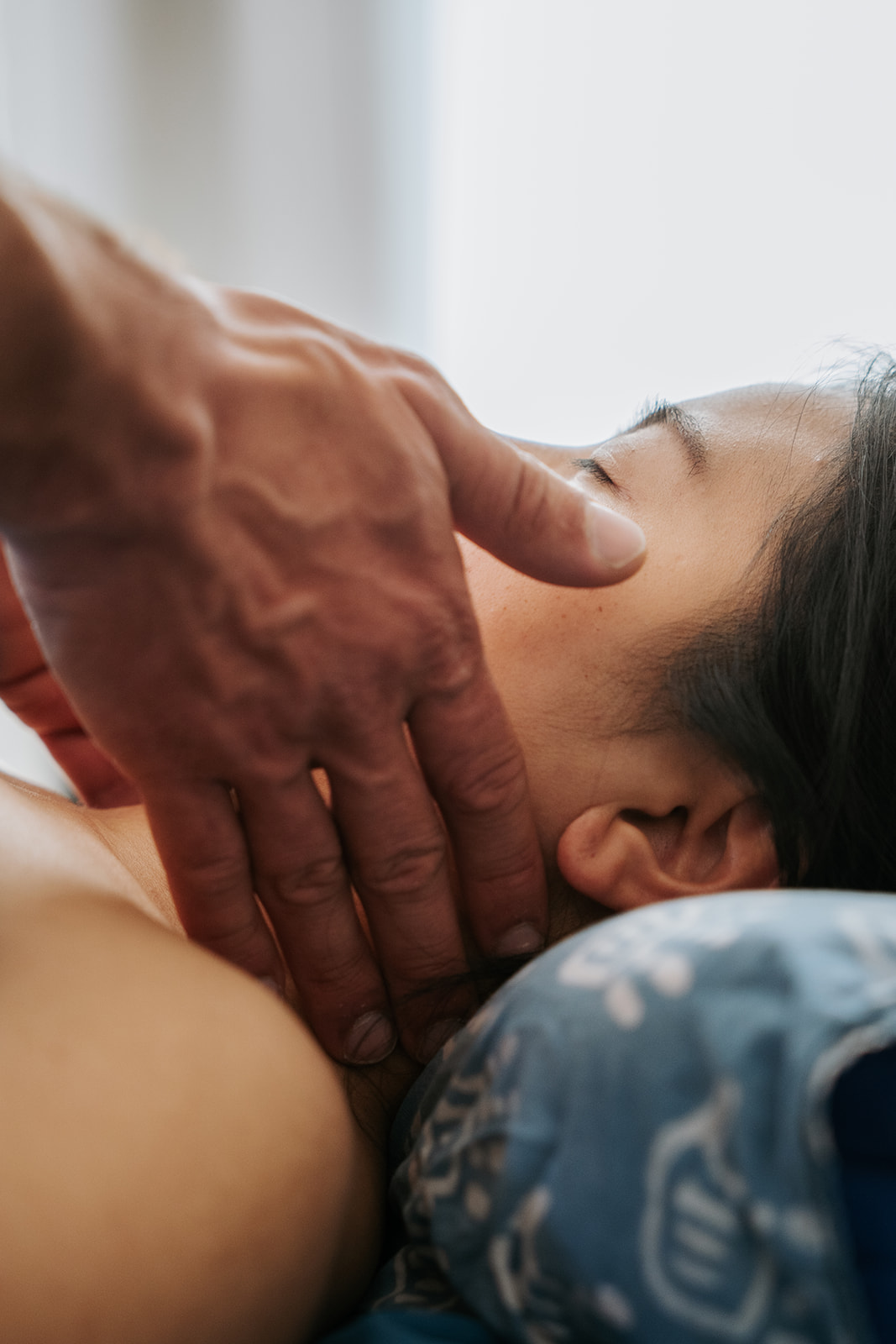
Neck pain is such a common presentation, and often I have to hear from my clients that it is due to them storing stress in their neck or shoulder. I can’t think of how many times I heard this, and how many times I than have to ask questions like: “When was the last time you did some neck-strengthening exercises or movement for your neck?” “If you work in an office, how many screens do you have in front of you, and which one do you look at more often?” “Have you ever had a whiplash? And if yes, have you done anything about it?” As you would imagine, the answers are anticipated by a moment of silence, thinking and then in order of question: “I never do neck strengthening exercises, at best I do some stretching”. “2 or 3 screens and I look at the one on one side most of the time”. “Yes, but it was xx years ago, and I haven’t done anything about it, as I was too young to care about it”. Now, I believe that those answers are already going to give you an idea of where that pain may come from. In fact, the neck isn’t just tight, it’s often weak and poorly controlled. To fix that, we need to understand how the neck actually works and how we can strengthen it. Why Neck Strengthening Matters (Mobility vs Stability) Each cervical spine is unique, and we can all present with different needs and capacities for movement. Indeed, a hypermobile person may find their neck to be really mobile and easy to twist and turn. Hypermobility, as discussed many times, is an advantage for flexibility, but it comes with the cons of joint weakness and a higher risk of joint injuries. So, when looking at the cervical area, we may notice that it sits at the top of the joint chain, meaning everything from your shoulders to your lower back influences it. Specifically, the cervical is made of 2 joint sessions: The upper neck (C1-C2) is built for mobility (turning, nodding) The lower neck (C2-C3) is built for stability (supporting your head) When that balance is off, you’ll often notice: Neck stiffness Headaches “Poor posture” (forward head position) Ongoing discomfort Fortunately, those statements are backed up by recent research that shows how strengthening deep neck muscles improves pain, posture, and neuromuscular control, especially when mobility and stability training are combined. Chin Tucks (Deep Neck Flexor Strengthening) Chin Tucks are simple and effective neck strengthening exercises that I often prescribe for neck pain. Let’s then look at a series of progressions for this type of exercise: Chin-Tuck in all four: Position yourself in all four, with hands under the shoulder, and knees under the hips You will be looking at the floor where you have placed an object, right between your hands. Now retract the chin, while you keep looking at the object between your hands. Release the chin and repeat. This version of chin tuck is ideal for: Early rehab. People with pain or poor control. Learning correct movement without compensation. Chin-Tuck in sitting or standing position: Sit or stand upright (standing is the ultimate progression). Gently pull your chin straight back (like making a double chin). Keep your eyes level. Anyhow, you are going to do these exercises, ensure to do them slowly, and take your time doing them. 4 to 5 second tempo. Why Chin Tuck Works for Your Neck Strengthening This exercise activates your deep cervical flexors, which are the stabilising muscles that support your neck. Those muscles can be defined as stabilisers as they go from the thoracic vertebrae to the upper cervical vertebrae, for the longus capitis, which originates in the lower portion of the cervical (C3-C6) and inserts at the basilar portion of the occipital bone. When these muscles are weak: Your head shifts forward Larger muscles overcompensate (SCM) Pain builds over time Isometric Neck Exercises (Build Stability in All Directions) Isometric exercises are an optimal exercise that places major focus on tendons and ligaments, and are ideal for acute symptoms and warm-up pre-training. How to do it: Place your hand on your forehead and gently push into it (no movement) Repeat on: Back of your head Left side Right side Hold each for 5–10 seconds Perform 5 reps per direction This form of exercise can be applied in any direction of movement, such as flexion, extension, lateral flexion, rotation and mixed movement, like flexion on the diagonal side. Why it works: Isometric exercises are applied to pain-free range of motions, so while you move and contract the tissues, you are not experiencing pain, your brain gets triggered to be safe while the body moves, and your musculoskeletal tissues get looked after as they get activated and contract. This would help in improving joint stability and control. Shoulder Shrugs – Let’s Make Those Muscles Work Shoulder shrugs are a simple but effective way to build neck stability through the upper trapezius, which plays a key role in supporting the cervical spine as part of the broader joint chain. How to do it: Take in your hands a pair of weights, or an elastic band, which would you make pass under your feet. Gently lift your shoulders up toward your ears, pause briefly, then lower them with control. Why it works: Shoulder shrugs exercise does work by placing shared-load capacity between the neck and shoulders, reducing the strain on the cervical spine. On the other hand, when working on the cervical joints, it is ideal to intervene also on joints that are muscle-connected to the cervical itself, by adding global muscular support, which is essential for everyday loads. How These Exercises Fit Into the Joint Chain Your neck doesn’t work alone. As mentioned in many other blogs, all the body’s joints are part of a bigger system, the joint chain of mobility and stability. Therefore, if you present with: Tight shoulders A stiff thoracic spine Lack of movement […]
Tag Archives: coburg

Blog
Facet Joint Irritation and Muscle Weakness: What You Need To Know
In my experience as a Clinical Myotherapist at Melbourne Massage and Treatment Myotherapy and Lymphoedema [...]
Continue readingOct

Blog
Chronic Pain: What it is, and what can you do about it?
Pain is something that we all experience, and it can start after an injury, during [...]
Continue readingOct
Blog
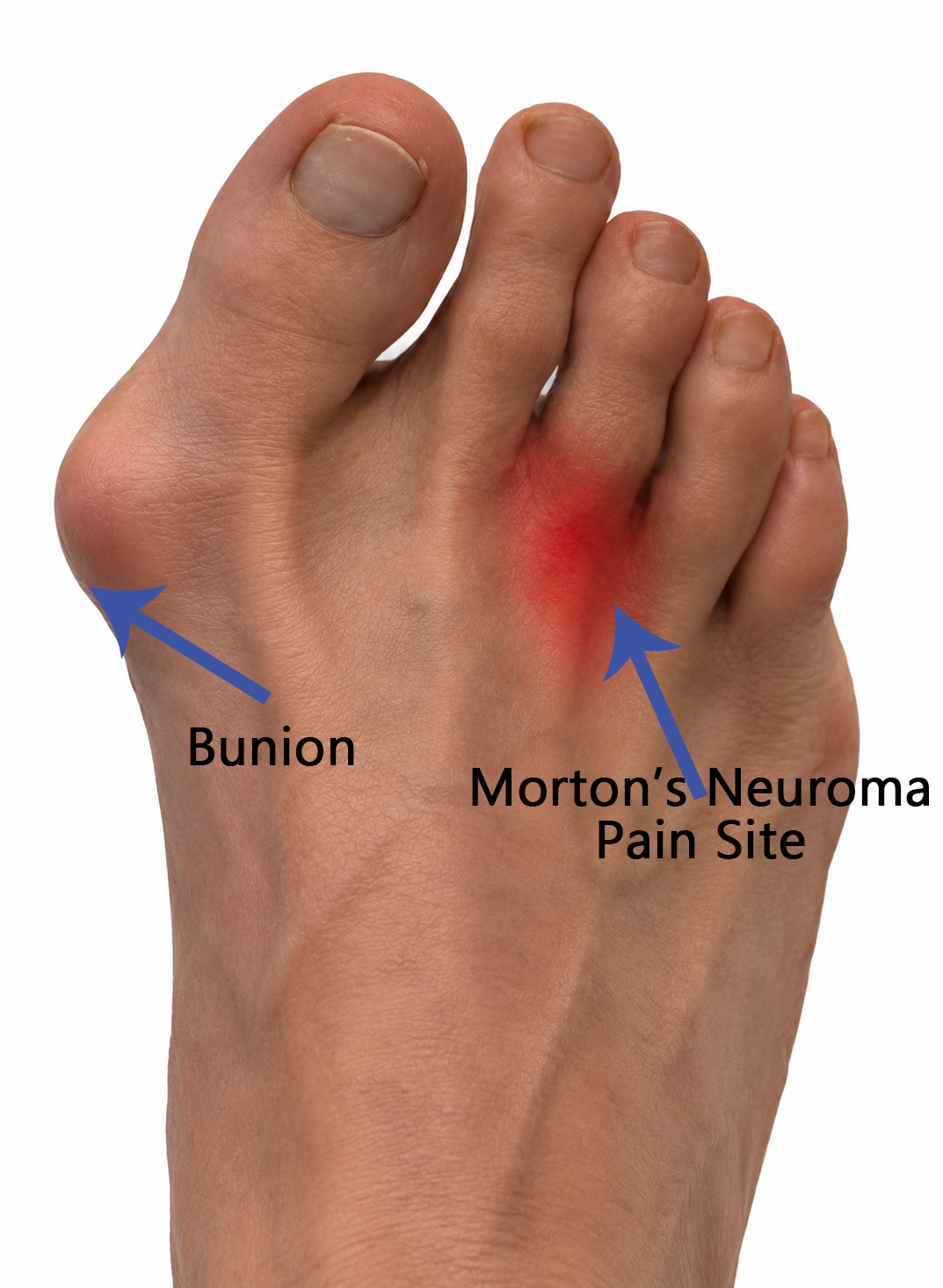
Bunion and Morton’s Neuroma: Can a Bunion Affect Neuroma Recovery?
While a bunion and a Morton’s neuroma are two different foot conditions, if they are [...]
Continue readingSep
Blog
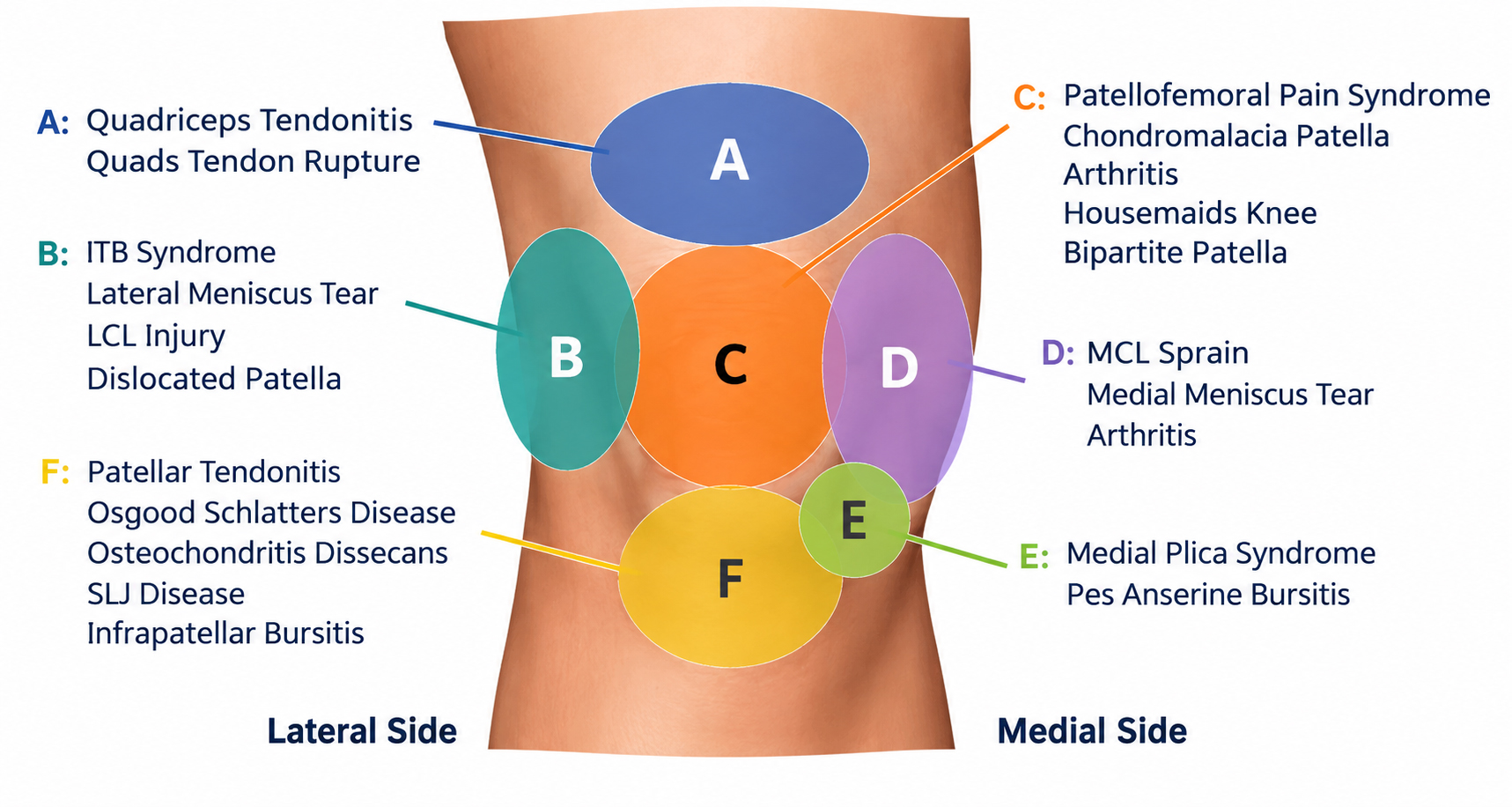
Knee Pain in Coburg
Knee pain is a common form of injury and can affect people of all ages [...]
Continue readingSep

Blog
Post-Surgery MLD Melbourne – Vodder MLD Therapist
Any form of surgery is an invasive procedure for the body to deal with, and [...]
Continue readingSep
Mar
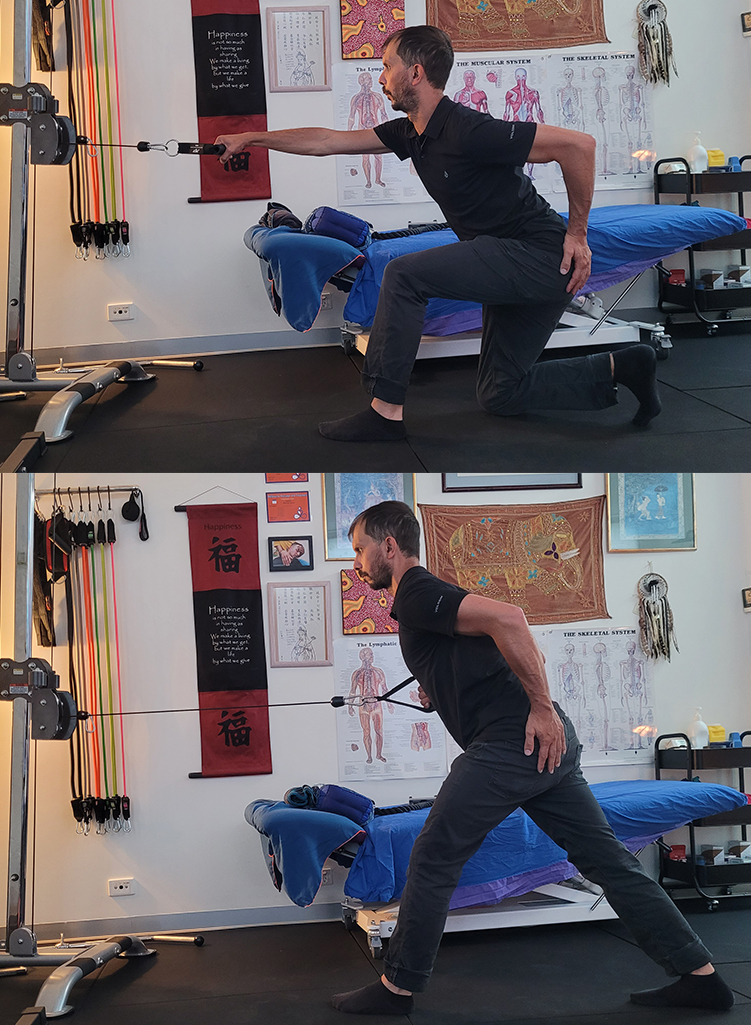
While I guide my client during a 1:1 fitness class at Melbourne Massage and Treatment, a Myotherapy clinic in Coburg, on how to learn using bands or a single-column pulley machine to practice KLT (Kinetic Link Training), I often get asked how someone should or shouldn’t do a lunge. “Should my knee go ahead of my toes?” “Should my knee stay on top of my ankle?” “What about my back? Should I hinge or stay straight?” The answer to those questions lies in a simple fact: what part of the body are you trying to train? Are you aiming to build more glut (posterior chain) or quads (anterior chain)? No, because there is no perfect lunge, as either right or wrong. As per the squat, there is the lunge that works for you, for your presentation and for your goal. The Two Main Lunge Strategies (And Why They Matter) So, when we talk about lunges, most people are really debating between two variations: Knee Travels Forward (Past the Ankle Line) When going for this variation, we have to conceptualise that the knee is going into a deep flexion, right? Now, if the knee has to come out of flexion, the quads are the muscle that needs to be engaged. (Quads are the knee extensors). The deeper the knee flexion, the more quads fibres are engaged to do the reverse to get the extension done. In fact, what this type of lunge does is: Increases knee flexion Increases quadriceps demand Places more load through the patellar tendon Furthermore, research shows that when the knee moves forward, quadriceps force and knee joint stress increase significantly. In a super summary: This is a quad-dominant lunge. Vertical Shin (Knee Stays Over the Ankle) On the other hand, when delivering a lunge movement and the knee stays on top of the ankle, within a vertical shin line, there is a max of 90° knee flexion; therefore, the amount of fibre engaged for the quads is less, and what is than the primary mover for the ascending action, is the gluteus maximum, the biggest glut, which is going to help with the hip extension. So, in this variation, what we are going to achieve is: Shifting the load away from the knee Increases contribution from the hip extensors Encourages more posterior chain involvement Therefore, this will be a glute-focused lunge. What Biomechanics Actually Tell Us About The Lunge Exercise While we look at this movement, we may get triggered into thinking that the lunge exercise is knee-dominant because the knee does a lot of movement, right? Well, if we break it down a bit more, as Riemann et al. (2012) did, we find that yes, the knee moves a lot, but what really takes the load during the lunge movement is the hip. So this is how we can break it down: The knee moves more (kinematics). But the hip produces more force (kinetics). Why this is a thing, then(?) you may ask. Well is tru that the knee move a lot, it can flex up to 90° and still this can be a hip dominant exercises, but, we have to think that the knee, while it is moving that far, is not placing much load on the lower fibers of the quads, and the joint that has to push against gravity, in the ascending phase, are indeed the hip. That’s where all the load actually is. The weight of the upper body. The Lunge Game-Changer: Add a Hip Hinge And here is where we can add a twist to the lunge, by going into hip hinging. What happens if we do so? The glutes are placed under greater stretch at their origin. This increases mechanical tension. You get better glute recruitment and carryover in strength. In fact, this is not just theory, but it’s basic muscle physiology: Muscles produce more force when stretched under load. Therefore, by hinging at the hip, you are not only going to feel more burning sensation in the glutes, but you are going to train them even more effectively. Why Toe Mobility Is the Missing Piece Now let’s talk about something almost no one considers: Your toes. As often happens, the toes and feet are not taken into consideration when looking at functional movement. Even though every leg movement starts from there. In a proper lunge, especially for the rear leg, your toes need enough mobility (extension) to: Accept vertical load Stabilise the movement Prevent your body from shifting forward Indeed, if you lack toe mobility: The movement gets projected forward Load shifts into the front knee and quads You lose posterior chain contribution To support those statements, a study by Harato et al. (2019) examined how foot and toe positioning directly affects knee mechanics and load distribution. So to clarify, the mobility-stability joint chain must always be taken into consideration when we look at functional movement. In this case, your toes aren’t just along for the ride; they’re controlling where the force goes. So… Which Lunge Is Best? I hope that by now, you have an idea of what answer is coming up: Neither. There is no best lunge, as there is no best squat. The forward knee lunge is not “bad”; it’s a tool for quads. The vertical shin lunge is not “safer”; it’s a tool for glutes. The mistakes are thinking that: One can replace the other one. Having an injury in the knee, and thinking that lunges are not your thing anymore. That’s why, at my clinic, Melbourne Massage and Treatment, here in Coburg, I always emphasise to my clients to understand that: “Don’t chase perfect technique — chase the right stimulus.” And to get to a better technique, better than what your body can deliver for now, is a step-by-step journey. And when there is an injury, we have to be confident in the tissue’s healing timeline, and exercises with load are the best tools to help with that. How I Use This With My Clients Inside […]
Mar
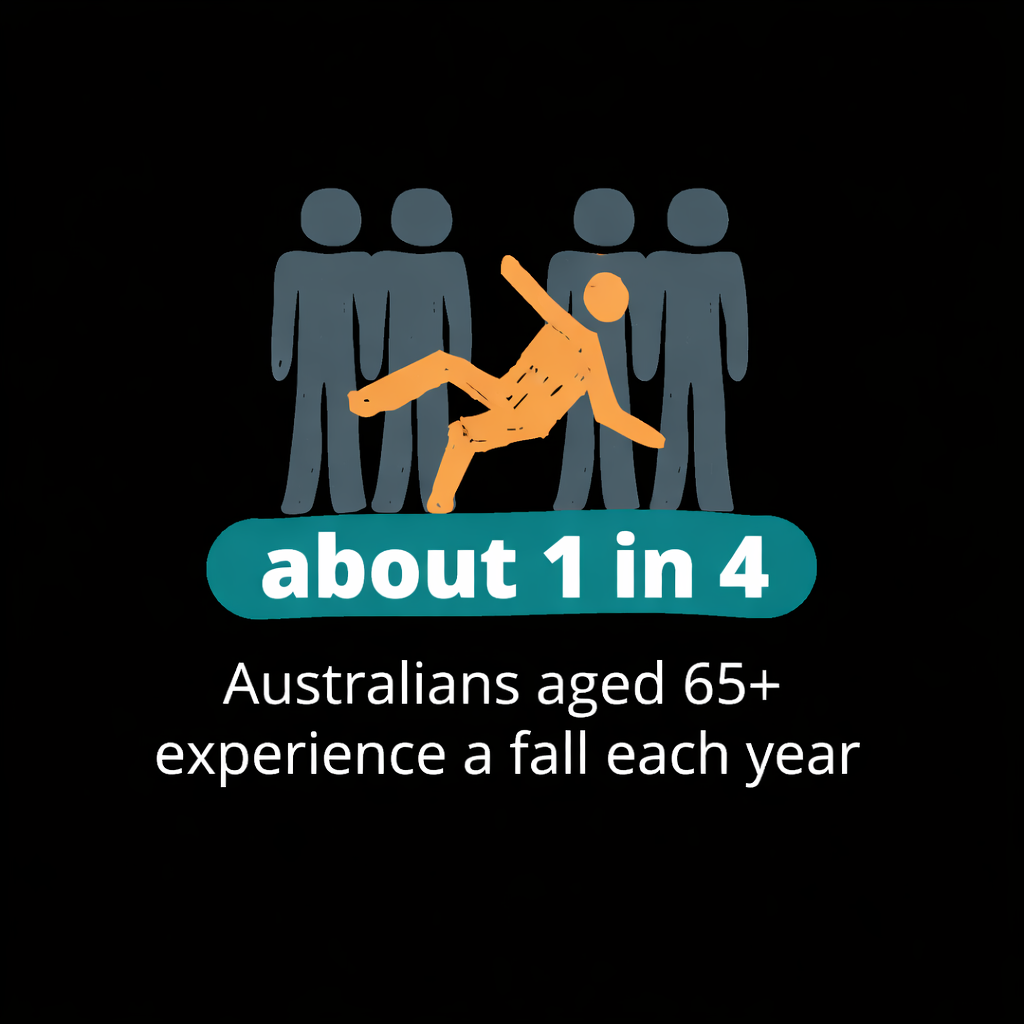
One thing that can really create terror while we age is falling. No matter the gender or the background, anyone who is getting older would never tell you that they want to get weaker or that they would not improve their skills in fall prevention. Indeed, as we age, maintaining balance becomes one of the most important aspects of long-term health. Therefore, let’s look at which muscle is extremely important for balance: the gluteus medius. As a Clinical Myotherapist here at Melbourne Massage and Treatment in Coburg, I always encourage my patients to undertake exercises, and specific heavy lifting exercises, to promote their strength and stability, and make them independent of aids and support in their everyday life. A good start is always to make them realise where their equilibrium is, and make them aware of how the gluteus medius, particularly for women approaching or after menopause, can help prevent falls. The Hidden Role of the Gluteus Medius in Balance The gluteus medius, as the name suggests, is a glute muscle, and it is responsible for stabilising the pelvis when we stand on one leg, like when we walk, run, or even when we go up and down the stairs. Every step we take requires this muscle to activate. When functioning properly, the gluteus medius: Maintains pelvic stability Controls lateral balance Helps prevent excessive hip drop during walking Assists in reactive balance when we trip or lose stability Research from Chi S. A. et al. (2016) did show that older adults with degeneration or atrophy of the gluteus medius are more likely to fall and fracture a hip. These findings, together with other studies, highlight the crucial role of this muscle in equilibrium and fall prevention. The Real Danger of Falls as We Age Falls are one of the leading causes of injury in older adults. But what is most concerning is what happened after the fall. On top of all, another major complication is osteoporosis, especially in women. In another blog, we spoke about why women are more likely to suffer from this condition. So yes, as bone density declines, the risk of fragility fractures increases dramatically. This creates a dangerous cycle: Muscle weakness → instability Instability → increased fall risk Falls → fractures due to osteoporosis For many older adults, hip fractures can lead to reduced mobility, loss of independence, and long-term health complications. Different types of muscle fibres and their importance in fall prevention Type I – Slow-twitch fibers The slow-twitch fibres, as the name suggests, are fibres that may help maintain steady contraction but are not responsible for rapid corrections when balance is lost. Characteristics: Contract slowly Produce a lower force Highly resistant to fatigue Rich in mitochondria and oxygen-using enzymes Role: Posture control Balance stabilization Long-duration activities like walking And here is an example of muscles where we find these fibres: Postural muscles in the back: Erector spinae (longissimus, iliocostalis, spinalis), multifidus, and upper trapezius. Leg postural muscles include: Hip flexors and calf muscles Type IIa – Fast oxidative fibres Another name for this fibers are intermediate fast-twitch fibres. Their role is to cover the gap between the type 1 fibres, which are more slow-twitch type of muscle fibres, and the type IIx, which are the fastest fibres. Characteristics: Faster contraction than Type I Moderate force Moderate fatigue resistance Role: Activities requiring both endurance and power, like climbing stairs or brisk walking. Their presence is distributed throughout many body muscles, including the psoas and gastrocnemius. Type IIx – Fast glycolytic fibres In terms of fall prevention, those muscle fibre types are the most important. Characteristics Very fast contraction High force output Fatigue quickly Role Explosive movements Rapid balance recovery Reflexive muscle reactions What Happens With Aging (Sarcopenia) While we age, we develop what we call sarcopenia, which is basically a loss of muscle mass. Sarcopinia key changes include: Loss of fast-twitch fibers Type II fibres decline faster than Type I. Effects: Reduced power Slower reaction speed Higher fall risk Along with the muscle fibres declining, we also have a reduction in motor neuron function, where the nerves controlling fast fibres deteriorate, reducing recruitment. Other types of degeneration include increased stiffness, as connective tissue reduces elasticity and recoil. Role of Estrogen in Muscle Function As discussed in the menopause blogs about the role of hormones in women’s health, Estrogen plays a surprisingly important role in muscle health, too. This is possible because muscle cells have estrogen receptors, meaning the hormone directly affects muscle tissue. When estrogen levels fall (during Menopause), several changes occur, starting from: Accelerated loss of fast-twitch fibres. Reduced muscle protein synthesis, which means slower muscle repair and growth signalling. Increased inflammation, which again slows down the muscle recovery. Changes in connective tissue, as Estrogen helps maintain collagen turnover, and here we look more at tendons and Ligaments. Reduced neuromuscular efficiency, including nerve conduction and motor unit activation. Why Strength Training and Fitness Classes Matter for Longevity So, the good news is that muscle function can be improved at any age, and plenty of research consistently shows that resistance training significantly improves muscle mass, strength, and functional capacity. In summary, strength training can help with: Increase muscle mass Improve neuromuscular coordination Enhance balance reactions Reduce fall risk Support bone density That’s why at my clinic in Coburg, I encourage my clients to take up fitness classes, to get their body moving under load, because this is the best way to help the body stay active, regenerate and keep up with fall prevention.
Mar
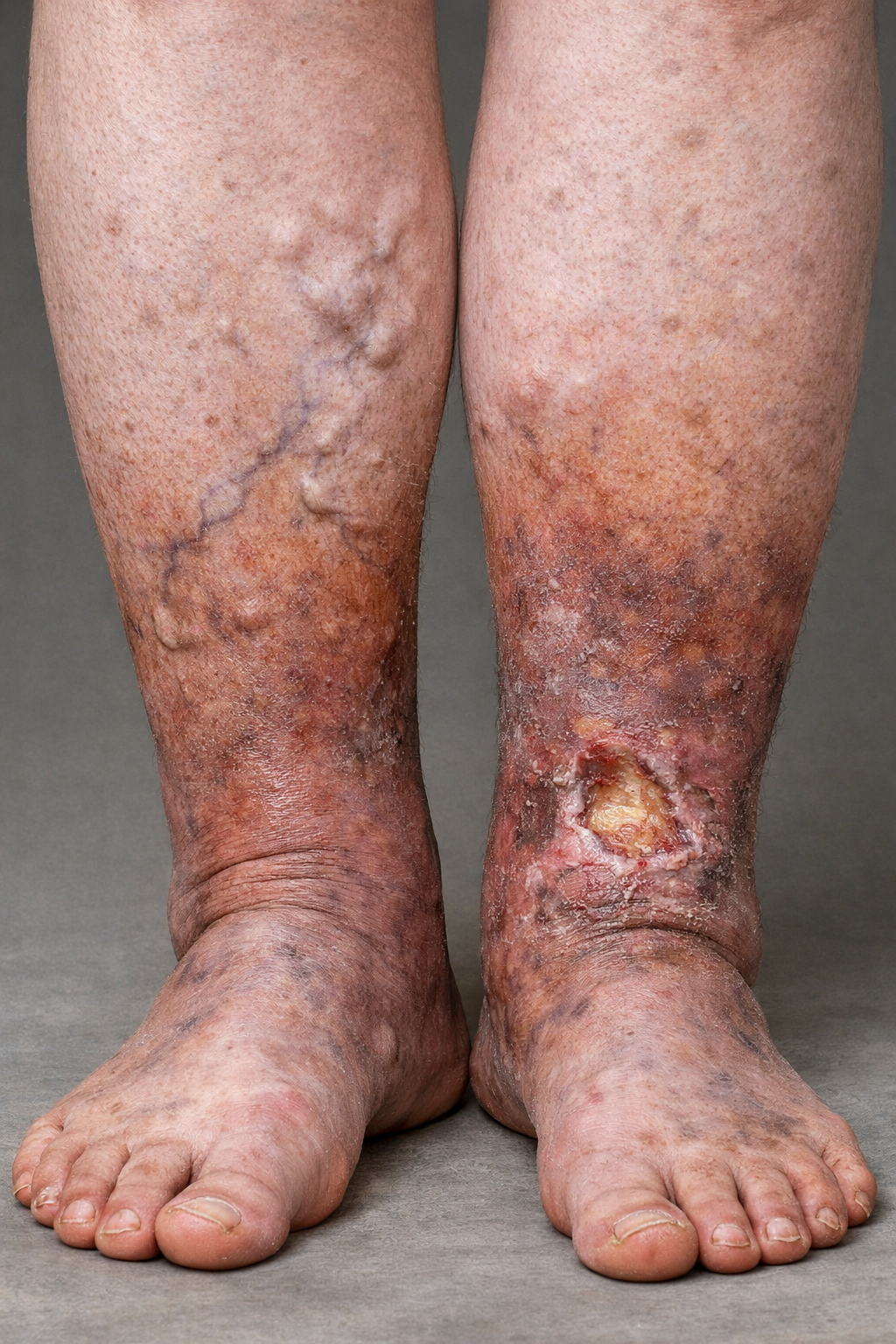
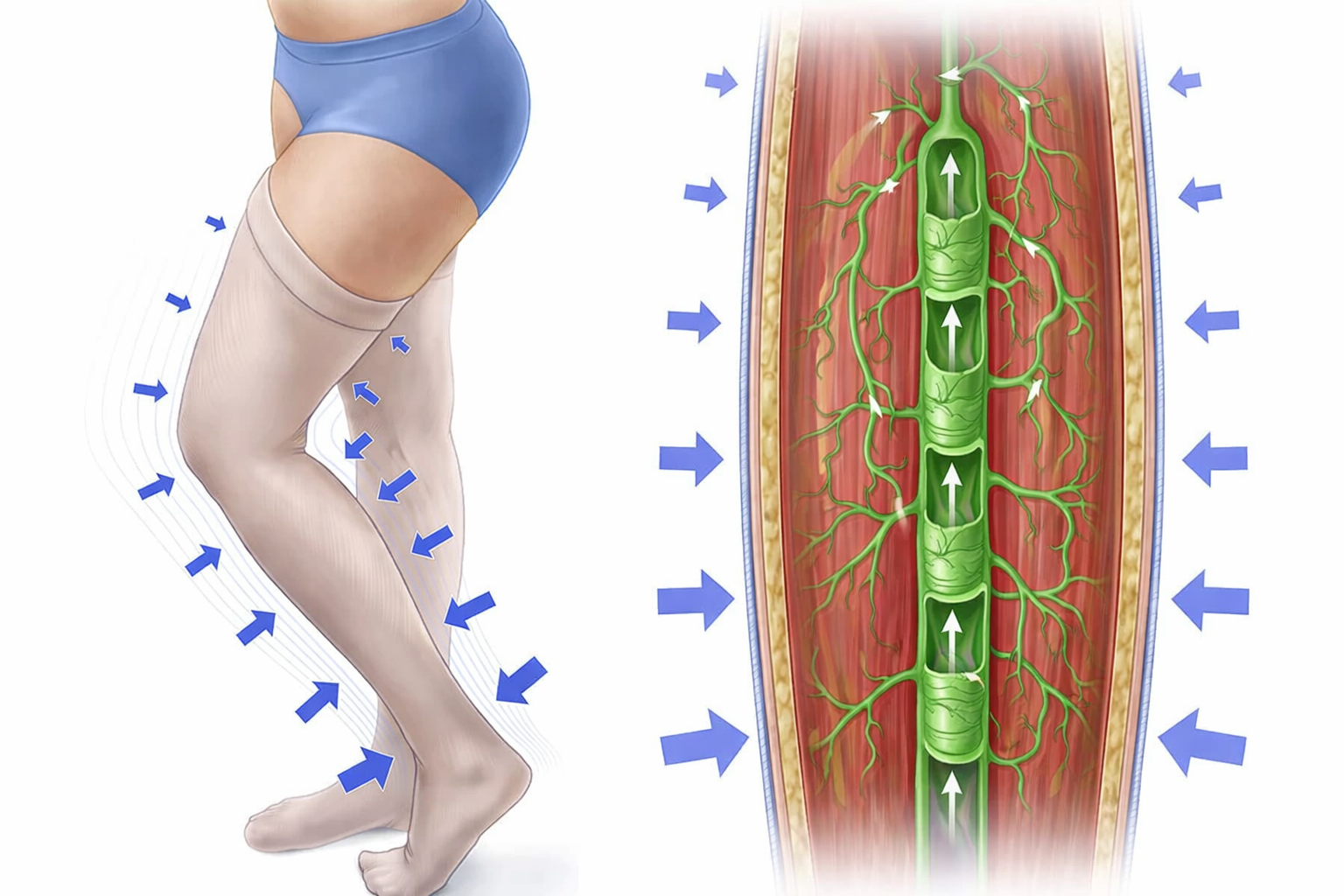
In Australia, Chronic Venous Insufficiency (CVI) affect more women than men, with a ratio of 25%–40% in women and 10%–20% in men (Al Shammeri et al., 2014). As a consequence of this condition, swollen legs are a common concern. CVI occurs when the veins in the legs struggle to return blood efficiently back to the heart, often leading to leg swelling, heaviness, aching, and visible varicose veins. At Melbourne Massage and Treatment in Coburg, since I specialised in Lymphoedema therapy, I regularly support clients experiencing leg swelling related to venous conditions too. Understanding how to manage the condition can significantly improve comfort, mobility and long-term leg health. What Is Chronic Venous Insufficiency? Chronic venous insufficiency is a condition defined as chronic when lasting for more than 3 months. CVI develops when the valves inside the leg veins become weakened or damaged and stop acting as they should, which is why blood finds difficulty in flowing back to the heart. This results in swelling in the lower legs. Common symptoms include: Persistent swelling in the lower legs or ankles Aching, heaviness or fatigue in the legs Skin changes such as dryness or discolouration Varicose veins Tightness or discomfort after prolonged sitting or standing Without appropriate management, CVI can progress and increase the risk of skin complications or infection. The Different Levels of Chronic Venous Insufficiency Find below a table that describes how Clinical, Etiological, Anatomical, and Pathophysiological (CEAP) classify chronic venous insufficiency. Stage Description C0 No visible/palpable signs of venous disease C1 Telangiectasias or reticular veins C2 Varicose veins C3 Oedema C4 Skin changes secondary to chronic venous disease (haemosiderin, lipodermatosclerosis, atrophie blanche) C5 Healed ulcer C6 Recurrent active venous ulcer The more advanced the stage, the more likely the hospitalisation of the patient for infections. This is not only a cost to the public health system, but to the Australia popolation too. Compression Therapy: A Key Part of Managing Swollen Legs The most effective way to manage swelling related to Chronic Vein Insufficiency is compression therapy. Compression garments are helpful as they apply controlled pressure to the legs, which supports the veins and encourages blood and fluid to move back toward the heart. Unfortunately, there is no quick fix for swollen limbs, and for many people with chronic swelling, compression becomes an essential part of daily management. But, you have to be aware that compression should always be prescribed and fitted appropriately. Indeed, the compression has to have the right gradient pressure, so stronger pressure at the bottom and weaker at the top; otherwise, we risk getting the liquid stuck in the leg and not moving. On the other hand, with certain arterial conditions, compression may not be suitable; therefore, it is important that you talk to your GP about getting a referral to a vein specialist to know what’s the best approach for your swollen legs. When Varicose Veins Are Present If varicose veins are present, low-level compression is often recommended initially. This provides gentle support to the venous system while remaining comfortable for everyday use. The goal is to: Support vein function Reduce fluid build-up Improve comfort during daily activities Help prevent worsening swelling In fact, each individual may require a different compression level depending on their condition and tolerance, but also the integrity of the skin. Compressions indeed are tight to put on, and for those with weak and fragile skin, it can be difficult to maintain skin integrity while wearing compression. Why Flat-Knit Compression Garments Are Often Recommended For clients with persistent swelling or changes in limb shape, flat-knit compression garments are frequently recommended. Flat-knit garments offer several advantages: They provide stronger containment for swelling They can be custom-fitted for better comfort and effectiveness – class 3 and 4 They help prevent fluid from accumulating in specific areas They are often more suitable for long-term management Because every leg shape and swelling pattern is different, proper measurement and fitting are essential. At Melbourne Massage and Treatment, Lymphoedema clinic in Coburg, I provide assessments and measurements for your swollen legs, so that I can provide garments that fit you for your specific presentation. Accessing Compression Garments Through the SWEP Program (Victoria) If you live in Victoria, you may be eligible to access compression garments through the SWEP program (State Wide Equipment Program). SWEP helps eligible residents obtain essential medical equipment, including compression garments used in the management of venous conditions and lymphatic swelling. As a SWEP-registered therapist, I can guide clients through the process, including: Clinical assessment Measurement for appropriate compression garments Assistance with the SWEP application process Ongoing monitoring and adjustments The SWEP is free to access and does provide funding for 4 garments a year, specifically: $150 per garment if off the shelf $300 per garment if made on measurements For Chronic Vein Insufficiency, most often the off-the-shelf garments are the ones to go for. But still, you have to know what class would best work for you, and what size would best work for you. Movement: An Often Overlooked Therapy Movement, as per my favourite medicine, is another important component in managing swollen legs. In fact, blood flow, but even lymph flow, happens better when muscles contract and work. For the legs, the calf muscles act as a natural pump, helping push blood and fluid upward when we walk or move. When we remain seated or standing for long periods, this pump becomes less effective. Simple strategies include: Regular walking Gentle ankle movements during long periods of sitting Light leg exercises Avoiding prolonged immobility when possible Even small amounts of regular movement can make a noticeable difference in managing swelling. Protecting the Skin: A Crucial Step in Preventing Infection People with chronic leg swelling are more vulnerable to skin breakdown and infection, and this is due to a series of reasons, such as: Increased venous pressure damages small blood vessels Reduced oxygen and nutrient delivery to the skin Chronic swelling stretches and weakens the skin Inflammation causes skin changes Keeping the skin healthy is […]
Mar
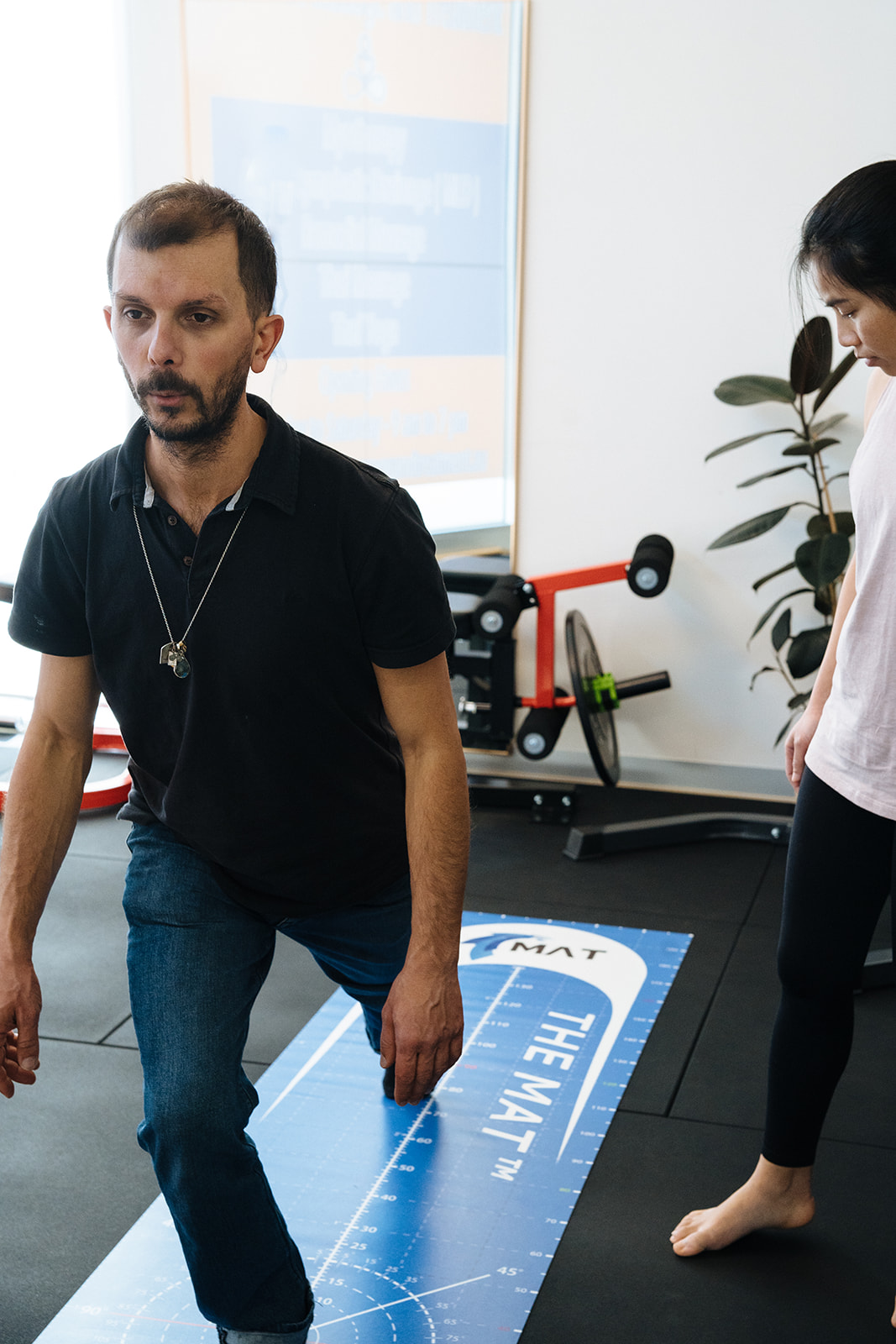
At Melbourne Massage and Treatment in Coburg, as a clinical Myotherapist, I am enthusiastic to offer 1:1 fitness class that aim to improve your wellbeing and body strength. And one thing that I will never stop surprising my clients with is that it is never too late to start working on their strengths, no matter their age, gender, and capacity. Whether you’re recovering from injury, managing persistent pain, navigating age-related changes, or simply want more energy and confidence, personalised fitness is transformative. Why Starting Now A 1:1 Fitness Class Matters? Strength Training Improves Physical Health at Any Age Have you ever heard an older person wishing to be weaker? No, don’t you? That’s why strength and resistance training aren’t just for elite athletes or bodybuilders; they’re essential for everyone. As we age, our body’s natural capacity to regenerate, including regenerating muscle mass and strength, bone density, and other body tissues, naturally declines, which can affect balance, mobility, fall risk, and independence. Resistance training reverses this decline and improves functional outcomes. A systematic review by Kashi K. S. et al. (2023) found that resistance training significantly improved muscle strength, physical function, and reduced symptoms of depression in older adults. Exercise Matters for Mental Health Too Exercises are not only the best way to maintain physical health but also have an immense impact on our mental health. And that is a 1:1 fitness class or a group class, regular exercises can really change how you feel within your head. Infact, we have plenty of evidence from Recent Research that looks into this: A review by Ayaz A. et al. (2026) highlights how aerobic, resistance, and mind-body exercise modalities have psychological benefits, from improved mood to reduced stress and anxiety. Study by Ma Y. and Mumtaz S. (2025) finds that structured exercise programs improve mental well-being by activating neurobiological and psychosocial pathways. Meta-analysis by Rossi E. (2024) showed that strength training has moderate and significant antidepressant effects in adults with depressive symptoms. So yes, your workouts aren’t just changing your body, but they’re changing your brain. Why 1:1 Fitness Classes Are Especially Effective While training is beneficial for everyone, for physical and mental health, personalised training, like a 1:1 fitness class, makes a huge difference, and here’s why: Training Tailored to You Everyone has different goals when starting a fitness journey, or while they are training, and everyone has different needs and capacities, on which the goal is shaped. Therefore, a 1:1 fitness class session allows for customised programming that matches your goals, health history, injury status, and movement patterns, which generic videos or crowded group classes rarely provide. Expert Guidance Prevents Injury At Melbourne Massage and Treatment, I am proud of the studies I done (a Bachelor in health science clinical myotherapy, and following courses like the KLT training) and the effort I put in place to improve my fitness and communication skills, which led me to offer a tailored program for any of my clients. For people with pain, past injuries, or chronic conditions, this is crucial. Motivation and Accountability I often come across clients who don’t feel confident enough in themselves, who don’t like the gym and think that strength training for them is not a thing. And that’s when I can’t stop thinking about how powerful it is to change their mind by showing them how a few minutes of well-done movement, either with or without load, can change everything. That’s when I get them in for Fitness Class here in Coburg, and I help them achieve their goals. Personalised Follow-up On top of a tailored 1:1 fitness class in person, what makes the difference in terms of service here at Melbourne Massage and Treatment, when I show some exercises, I will send you a PDF file with the picture and the description of the exercises, to ensure you will be bale to replicate those exercises anywhere you are ay your own time and comfort. Fitness Class Comes With An Added Bonus — Better Bone and Cardiovascular Health The action of lifting weights and lifting heavy is seen from your body as a positive stress, which creates a concatenation of benefits. Along those we find: Bone regeneration – increase of bone density Maintaining metabolic health Improving markers related to heart disease and diabetes Improve or maintain optimal equilibrium – poor equilibrium is the major cause of falls. And more… All the benefits a fitness class can deliver are crucial as we age. No one, as they age, wishes that their health gets more and more compromised, isn’t it? Start Where You Are — It’s Not About Perfection Whether you’ve never stepped foot in a gym before, you’re returning after an injury, or you’re trying to break a cycle of inactivity, the best time to start was yesterday. The next best time is now. It is never too late to start working on your strength, and this is the most important message I find myself passing on to my clients. The body can always adapt to load. And no matter if you have just started or you are a pro, you will always have to face some challenges. Therefore, start working on your mobility, improve the way your body can move, let’s than load it a little at the time, and build your own journey into wellbeing day by day, fitness class after fitness class. Final Thoughts You don’t need to be “fit enough” to start a 1:1 fitness class, and it’s absolutely never too late. Here’s the truth I’ve seen in across many clients: People in their 40s, 50s, 60s, and beyond see meaningful gains, both physically and mentally. Individualised guidance accelerates progress safely. Strength and structured exercise improve both quality of life and mental well-being. If you’ve been thinking about starting a fitness journey, come and talk to us at Melbourne Massage and Treatment, Coburg. For those who decide to commit to a change, a positive change, for their well-being, there are 5 or 10 class packages […]
Feb
If you’re searching for lymphatic therapy in Coburg, it’s common to see terms like Manual Lymphatic Drainage (MLD) and Lymphatic Massage used interchangeably. As a clinical myotherapist with specialised training in lymphoedema management (MLD since Nov 2021; lymphoedema therapy since Oct 2024, trained with the Vodder Academy), I am here to clarify exactly what these treatments are and why one is clinically recommended over the other — especially for conditions like lymphoedema or post-surgical swelling. In fact, the importance of understanding the difference between MLD and Lymphatic Massage is vital when you want results that matter, and not just temporary relaxation. What Is Manual Lymphatic Drainage (Vodder Method)? Manual Lymphatic Drainage (MLD) is a specialised technique developed by Emil and Estrid Vodder in the early 20th century, and it is characterised by gentle, rhythmic hand movements to stimulate the lymphatic system. The reason behind the gentle and light movement is to ensure that during the treatment, we can stretch the skin and let it recoil naturally; therefore, we stimulate the lymphatic system at its full potential. Therefore, MLD is not a “massage” in the spa sense, it’s intentionally structured to follow physiological lymphatic pathways to support lymph flow. Key points about MLD: Trained practitioners follow evidence-based protocols. Movements are light, rhythmic, and intentional, not vigorous. The “Vodder method” is internationally recognised and taught with strict standards. It is often integrated into Complete Decongestive Therapy for lymphoedema. One recent article explains the theoretical physiology and clinical context of MLD in lymphoedema management. Manual lymphatic drainage: the evidence behind the efficacy (PubMed) What Is Lymphatic Massage? “Lymphatic Massage”, on the other hand, is more of a broad term used in wellness settings, like a SPA or massage parlour. The wordling is really similar to Manual Lymphatic Drainage, and is often followed by promises of “encourage fluid movement” or “before and after photos” but: Technique quality varies widely by practitioner. Some methods use deeper pressure and general strokes. It’s largely relaxation-focused, not always aligned with lymphatic anatomy. It isn’t generally part of evidence-based protocols for clinical conditions. In short, MLD is a clinically structured intervention; lymphatic massage is not. Indeed, who promotes Lymphatic massage as a service, often don’t know the pathway of the lymphatic system, and can’t tell you the difference between a Lymphoedema or a Lipoedema, and it may try to sell the fact that Lymphatic massage would detox your body (I will write a blog soon about this detox topic, as it is one of the biggest scam in the health and beauty industry). Side-by-Side: MLD vs Lymphatic Massage In the table below is a summary and a comparison between MLD and Lymphatic Massage features. Feature Manual Lymphatic Drainage (Vodder) MLD Lymphatic Massage Based on lymphatic anatomy ✔ ✖ Evidence-aligned technique ✔ ✖ Suitable for lymphoedema management ✔ ✖ Commonly used post-surgery ✔ ✖/varies Practised by trained therapists ✔ ✖ (wide variation) Relaxation / general wellness ✔ ✔ Clinical Evidence: What Research Shows About MLD and Lymphatic Massage As with any form of therapy, even in the case of MLD, the clinical research on MLD isn’t perfect, but the PubMed literature supports its role when used correctly within clinical programs. Lymphoedema Management A randomised controlled trial (RCT) reported that women with breast cancer–related lymphoedema experienced significant limb volume reduction and improved symptoms with MLD as part of therapy. A comprehensive systematic review found mixed outcomes but noted MLD’s accepted role in conservative lymphoedema treatment and generally positive effects on swelling and quality of life when integrated with other therapies. Inflammation & Post-Surgery Support MLD is also used, and clinical studies provide evidence in the setting of postoperative swelling and pain with orthopedic and cosmetic surgery. Indeed, post-surgery, the body responds with inflammation and swelling, which passes the acute phase, and the clearance of infections is better when moved to ensure the best recovery. Why MLD Is Clinically Preferred for Lymphoedema When lymphatic transport is impaired, as in lymphoedema or after surgery, the goal is not just temporary fluid “movement,” but supporting lymphatic drainage physiology. Here’s what clinical practice guidelines emphasise: Targeted Stimulation MLD uses gentle but precise hand movements that align with superficial lymphatic pathways and node groups. These are designed to: reduce interstitial fluid accumulation, activate lymphangiomotoricity, and facilitate fluid transport without trauma. This principle comes directly from the Vodder methodology as taught by the Vodder Academy. Part of a Larger Management Strategy Especially in lymphoedema, MLD is one component of a broader therapeutic approach that includes: ✔ compression therapy✔ movement and exercise✔ skin care and infection prevention This integrated strategy has been shown to improve outcomes more than any single therapy on its own. Post-Surgical Considerations As discussed in more depth in another blog, when heading for cosmetic and orthopaedic surgery, the recovery process is caractherised by an acute phase of swelling. That’s just teh body dping its thing. But, as we move away from the acute phase, it is essential to ensure that the oedema is reduced. That’s where MLD and compression therapy are essential. In fact, unlike a typical deep massage: MLD supports lymphatic flow without stressing fragile tissues. Studies show gentler lymphatic stimulation improves swelling and trismus after surgery. That’s why many rehabilitation specialists recommend structured MLD over general “lymphatic massage” in this context. So, What Should You Choose? As per everything, I reckon that your choice has to be aligned with your goal. Therefore: If you need clinical-grade lymphatic support for lymphoedema, post-surgical swelling, or ongoing fluid dysfunction, choose Manual Lymphatic Drainage (Vodder method) delivered by a trained clinician. If you want general relaxation and mild fluid support, a lymphatic massage in a wellness setting might feel nice — but it’s not a clinical substitute for MLD in these conditions. Conclusion From A Clinical Practitioner At Melbourne Massage and Treatment, Coburg, I integrate MLD with evidence-based clinical reasoning, and not just as a “feel-good massage.” My approach is rooted in training with the Vodder Academy and ongoing lymphoedema therapy practice. If you’re concerned about lymphatic […]

Feb
Shoulder pain is one of those presentations that can stop you from enjoying your day. Rolling in bed becomes difficult; carrying shopping or even sitting there and doing nothing can be frustrating. At Melbourne Massage and Treatment, I got to see many clients who complained of shoulder pain for a variety of reasons. Although one thing that is common with those different types of pain is the imbalance in the mobility stability joint chain, especially in people who do physical labour, repetitive overhead work, or intense gym training. Therefore, while many people expect me to focus only on the sore spot in the shoulder, my myotherapy approach is always broader and more thorough. Yes, I treat the shoulder as the primary concern, but effective, long-term relief comes from understanding why your shoulder is overloaded in the first place. That means looking beyond the glenohumeral joint and assessing thoracic mobility, scapular control, and thoraco-scapular stability, which are key components that are often overlooked but critical for shoulder health and to help you fix the shoulder pain. Why Shoulder Pain Often Persists The Shoulder is a joint characterised by a great amount of mobility and not much stability, which puts it at high risk of injury and so pain. When your shoulder hurts, it’s rarely because the shoulder itself is “weak” or “damaged” in isolation. Indeed, to arrive to the pain response, either you had a severe trauma, like a fall on the shoulder or more commonly, the shoulder is compensating for: Poor thoracic spine mobility Weak or poorly coordinated scapular stabilisers Faulty movement patterns under load Repetitive strain from work or training And let’s be clear, we are all different, so two individuals who do the exact same job or sport may end up having different pain and presentation due to basic anatomical differences in the shoulder. That said, here are some common presentations that can lead to shoulder pain: If the thoracic spine doesn’t move well, the shoulder is forced to work harder. If the scapula doesn’t stabilise properly, the ac joint gets overloaded Genetically, the space between bonds (Humerus and Acromioclavicle joint) is narrower than the norm My Clinical Assessment Process For Shoulder Pain When you come to my Myotherapy Clinic in Coburg for shoulder pain, I don’t just ask where it hurts, but I would assess: Thoracic spine mobility (especially rotation and extension) Cervical movement in active and passive motion Scapular positioning and control Shoulder range of motion under load Training or work-related movement demands Previous injuries or recurring pain patterns This is particularly important if you: Work in trades or manual labour Train heavily in the gym or sport Perform repetitive overhead movements Have had recurring or long-term shoulder pain A tailored assessment, such as the above one, allows me to not only pinpoint why the shoulder is in pain and what further investigation may be needed to confirm the findings but also address these factors, allowing us to understand the underlying drivers of your pain. The Role of Thoracic Mobility in Shoulder Pain The thoracic spine (mid-back) plays a massive role in how your shoulder functions. This is because the thoracic section of the spine is the mobile portion that anticipates the stable scapula-thoracic joint in the mobility, stability chain. Limited thoracic mobility can lead to: Reduced the overhead range Increased strain on the rotator cuff Poor scapular mechanics Neck and shoulder tension As part of the myotherapy treatment protocol for shoulder pain, I often combine manual therapy, joint mobilisation, and movement-based rehab to restore thoracic movement.When the thoracic spine moves better, the shoulder doesn’t have to overwork, pain reduces, and then we can increase the strength by increasing the load. A classic example of the thoracic shoulder relation is a cricket player. The thoracic rotation along the throwing action is essential to optimise the force imprinted during the throwing action. In fact, imagine the thrower in a cricket game, using only the shoulder, and not rotating that thoracic joint chain. The shoulder load would be excessive, and in a short time, it would cause overload injury and so shoulder pain. Scapular Stability: The Missing Link Your scapula (shoulder blade) is the foundation for shoulder movement. Indeed, the scapula-thoracic joint is the stable joint between the thoracic and the glenohumeral mobile joints. But not only that, indeed, the scapula is the origin point of the rotator cuff muscles, a group of muscles that control the positioning of your humeral head in the glenoid fossa. If it lacks stability or control: The shoulder joint becomes vulnerable Tendons are placed under excessive stress Pain persists despite “strengthening” exercises As a Clinical Myotherapist, I focus on improving thoraco-scapular stability, ensuring the shoulder blade moves smoothly and supports the arm during load, lifting, and rotation. This is especially crucial for people involved in: Weightlifting Cross-training Construction or trade work Sports requiring throwing or overhead movement To strengthen the stability of the scapula, we then have to work on the rhomboid muscles and the trapezius (upper, mid, and lower), but even the levator scapulae. So yes, it is not a quick fix to restore shoulder functionality and remove shoulder pain, but there is a step-by-step journey that can be taken, and it is your choice to start walking along this path. I am here only to help you understand what the right path is for your presentation and ensure we take the right route. Hypermobility and Shoulder Pain One often overlooked factor in shoulder pain is hypermobility. Hypermobility means your joints move more than the norms which isn’t always a bad thing, but it significantly increases injury risk when stability is lacking, particularly in the shoulder. For hypermobile individuals: Ligaments provide less passive support Muscles must work harder to stabilise joints Poor scapular stability leads to shoulder overload When hypermobility exists alongside poor thoraco-scapular stability, shoulder pain becomes far more likely. In these cases, treatment isn’t about increasing flexibility; instead would be the opposite: Improving neuromuscular control Enhancing scapular stability […]
Feb
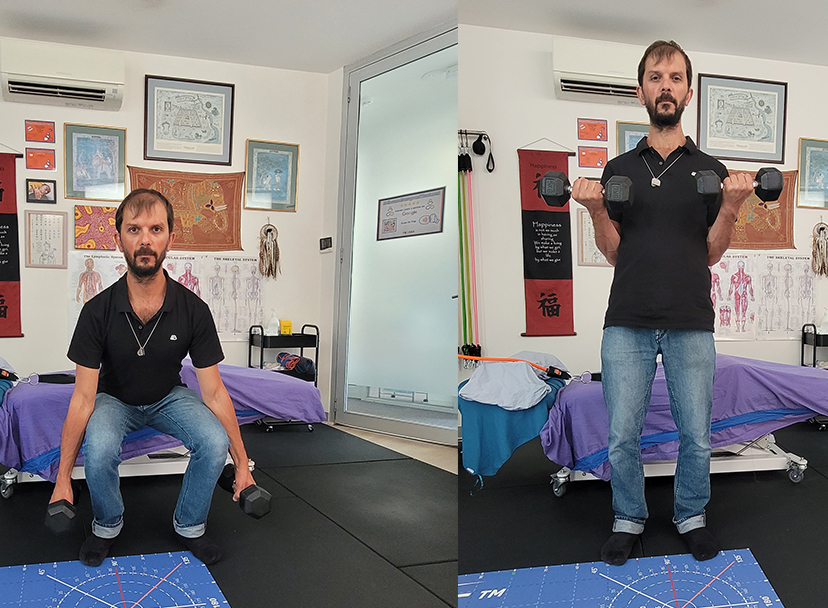
Here in Coburg, at my Myotherapy Clinic and 1:1 fitness class studio, I get to work with a wide range of clients, and what I notice is that there is a lack of knowledge and awareness on how to deliver a Glutes Strengthening. And why I believe that a squat is important is simply because squatting is an action that we do so often throughout the day that we all should be good at it, and it is the best functional movement that allows you to reinforce the full body structure. Therefore, when I come across those presentations, I ensure to educate my patients about the basic mechanics of a squat, including mobility, stability, and glutes strengthing. Are You Looking Into Glutes Strengthening? Let’s Check Your Joint Mobility and Stability First In order to deliver effective training for your glutes, including delivering an efficient squat, you will look at: Adequate ankle mobility A well-coordinated hip hinge Stability in fee tarsals and knee joints Those are regular things I would look at during a myotherapy treatment and 1:1 fitness class in Coburg, to improve glute activation, movement efficiency, and injury resilience. Ankle Mobility Exercise to Improve Squat Depth and Lower Limb Mechanics As discussed in greater depth in the mobility and stability blog, before we start looking at strength and start working on functional movement, like the squat, we want to ensure that the mobile joints are mobile enough to deliver the right mechanics. In fact, limited ankle mobility often results in compensatory strategies such as: Excessive forward trunk lean during squats Early heel lift Increased stress on the knees or lumbar spine Clinical Importance of Ankle Mobility Adequate ankle dorsiflexion allows improved tibial progression during squatting movements, enabling more effective hip and glute loading. Exercise: Knee-to-Wall Ankle Dorsiflexion Drill Position the foot flat on the ground, facing a wall Aim for a 10 cm distance between the big toes and the wall Maintain heel contact with the floor Drive the knee forward toward the wall under control Perform slow, controlled repetitions Your aim is to teach the wall with the kneem, with a big toe-wall distance of min. 10 to 12 cm Clinical application:This exercise is commonly prescribed in myotherapy sessions to improve squat mechanics, reduce compensatory loading, and support long-term joint health. Hip Hinge Drill for Posterior Chain Activation and Spinal Control The hip hinge is a fundamental movement pattern required for safe and effective loading of the gluteal muscles, but not only that, indeed, poor hip hinge mechanics often present as excessive lumbar flexion or extension during deadlift-based movements. Why Hip Hinge Mechanics Matter Efficient hip hinging can help with: Increases glute and hamstring activation Reduces lumbar spine strain Improves RDL and deadlift performance Exercise: Wall-Assisted Hip Hinge Drill Stand approximately 20–30 cm from a wall Push the hips posteriorly to make contact with the wall Maintain a neutral spine and rib position Return to standing using glute contraction (squeeze those glutes) Clinical focus:This drill is a key component of both rehabilitation and performance-based programming at Melbourne Massage and Treatment. It is also a fundamental movement pattern taught in my glute-focused fitness classes, ensuring clients build strength safely and efficiently. Stability Starts From Your Feet Foot stability is a crucial part of delivering a good squat, especially during a low-bar squat, when feet are flat on the ground. Imagine your feet unable to give a stable direction to whatever is above, like the ankle, knee and hip. This would lead to knee shaking during squatting, and once the squat load increases, the risk of injury rises. So for foot stability, we look at: Even weight distribution of your load along the plantar of the feet, not only on your toes or on the heel. All toes, grabbing the floor, throughout the squat performance Lower-bar squat, feet flat on the floor (be barefoot or use gambaletto type of shoes) and feet wider than hip, stand in slight external rotation High-bar squat, feet open wide as hip stand (so a narrow stand) and heel well elevated. In both my clinical work and my strength-based fitness classes, foot stability is always assessed first. On the other hand, more about the high and low bar squat is available from this blog. Squats for Functional Glutes Strengthening In my glute-strengthening fitness class sessions, the squat is one of the primary movements we refine. Keep in mind that when we talk about squat for glut strength, we always refer to the lower-bar squat. Therefore, when performed with appropriate technique, this exercise is the most effective exercise for developing functional glutes strenghtening and improving lower-limb coordination. Below, you will find the most common Clinical Faults in Squatting Limited ankle mobility restricting depth Poor hip control resulting in lumbar compensation Reduced gluteus contribution due to motor control deficits So this is what you need to focus on to for a Optimal Glute Engagement while squatting: Maintain even foot pressure throughout the movement Maintain spinal alignment and controlled descent Drive upward through the heels and mid-foot Clinical note:Squat depth should be dictated by movement quality rather than arbitrary range targets. Romanian Deadlifts (RDLs) Another Glutes strengthening Exercise The Romanian deadlift, in comparison to the conventional deadlift, is a partial movement, where the load never touch the ground throughout the exercise (once it gets picked off the ground). This type of lift is ideal for exercising the posterior chain, particularly in the gluteal and hamstring musculature. Benefits of RDLs in Myotherapy and Strength Training Enhances glute and hamstring load tolerance Improves hip-dominant movement capacity Reduces injury risk through controlled eccentric loading RDL Execution Guidelines Maintain close bar or weight proximity to the body Initiate movement via hip hinge, not knee flexion Maintain spinal neutrality throughout the range Terminate the movement when pelvic control is lost Clinical relevance:RDLs are regularly integrated into rehabilitation and strength programs for clients with lower back pain or who are returning to lifting after injury. But are also ideal to build resilience in […]
Jan
Compression therapy is essential for lymphoedema management, and therefore, is worth it write a blog where we are going to talk about what compression is ideal for what lymphoedema presentations, including the mmHg levels. I’m Giovanni, and I run Melbourne Massage and Treatment, a Myotherapy and Lymphoedema clinic in Coburg. I trained with the Vodder Academy in lymphoedema management, and I provide Complete Decongestive Therapy (CDT), which forms the foundation of effective lymphoedema treatment. What Does mmHg Mean in Lymphoedema Compression? As when measuring blood pressure, even when working with Lymphoedema, we use the measuring unit mmHg (millimetres of mercury) when talking about compression. Based on the type of presentation, as lymphoedema therapists, we would recommend different types of compression garments, including flat knit or circular knit. So, here is a short list of the purposes of compression garments: Support the lymphatic system Encourage lymphatic flow Prevent fluid from re-accumulating Maintain the results achieved through CDT Therefore, choosing the correct mmHg compression level is about balancing effectiveness, safety, and comfort, and not only apply some form of pressure on the affected limb. Compression Classes and Lymphoedema Management To simplify how compression garments work, companies like Sigvaris or Juzo grouped the compression into classes or levels, each corresponding to a specific mmHg range. Common Compression Levels Used in Lymphoedema Compression Lower compression levels – 15–20 mmHgOften considered in: Mild lymphoedema Early-stage swelling Fragile or sensitive skin Situations where tolerance is limited Moderate compression levels – 20–30 mmHgCommonly used for: Established lymphoedema Post-intensive CDT Long-term volume maintenance Daily functional support Higher compression levels – 30–40 mmHgUsually required for: Moderate to severe lymphoedema Fibrotic or hardened tissue Significant limb shape changes Swelling that rebounds quickly My personal suggestion is that the correct Compression Level should always be determined following a thorough clinical assessment, in order to avoid fluid retention and waste of money. Why Higher Compression Is Not Always Better Compression level in lymphoedema treatment, as mentioned above, has to be a balance of effectiveness and comfort, and different presentation, with or without fibrosis, mobile or immobile limb, comes with different compression needs. Indeed, applying the wrong type of compression can: Reduce comfort and compliance Increase skin irritation or skin breakdown Compromised lymph circulation Make garments difficult to don and doff In fact, effective Lymphoedema Compression works with the body, not against it, and that’s why for lymphedema presentation compression garments are recommended to be worn after taking specific measurements, that ensure a gradient pressure is applied on the limb, so that the lymph fluid is pushed in the right direction and not towards the extremity of the limb. Compression Levels and Complete Decongestive Therapy (CDT) At Melbourne Massage and Treatment, as part of lymphedema management, I offer MLD as a manual therapy to stimulate the lymphatic system, and CDT (Complete Decongestive Therapy), to reduce the swelling and limb size. More specifically, CDT, can help with: Reduce swelling after the delivery of Manual Lymphatic Drainage (MLD) Improve tissue quality Shape the limb appropriately Prepare the limb for long-term Lymphoedema Compression Help in the breakdown of fibrosis Once the limb has stabilised, compression garments help maintain volume reduction and prevent progression of lymphedema. Professional Assessment Is Essential Certain pharmacies or retail shops (including online one) may sell compression garments, but those are probably not specific enough for a Lymphoedema presentation. Indeed, the appropriate Compression Level depends on: Lymphoedema stage Limb shape and size Tissue texture and fibrosis Skin condition Functional needs and daily activity For compression garments, post MLD and CDT therapies, I refer patients to Sigvaris in West Melbourne, which specialises in medical compression for lymphoedema and ensures accurate fitting and garment selection. Lymphoedema Compression in Coburg Living with lymphoedema can be challenging, and you may find yourself in need of ongoing care and help in navigating information regarding the right compression strategy. At Melbourne Massage and Treatment in Coburg, I provide: Evidence-based CDT Personalised lymphoedema management Clear guidance on Lymphoedema Compressions Collaborative care with trusted compression garment providers So if you’re seeking professional lymphoedema treatment in Melbourne, or want clarity around compression levels and mmHg, I’m here to help. Accessing Compression Garments Through the SWEP Program For some people living with lymphoedema, the cost of Lymphoedema Compression garments can be a barrier to effective long-term management. In Victoria, eligible patients may access support through the State-Wide Equipment Program (SWEP), which provides funding for medically necessary aids, including compression garments for lymphoedema. As a Clinical Myotherapist, I can help you go through the SWEP program in collaboration with your GP. The role of the GP is to write a diagnosis and a referral to the SWEP program, and that’s where I can assist them. After that, you can refer to an approved compression provider, such as Sigvaris in West Melbourne, who can advise on garment selection and fitting. The Swep program for Lymphoedema patients can help with: Reduces the cost of Lymphoedema Compression garments for eligible patients Supports long-term lymphoedema management after Complete Decongestive Therapy (CDT) Ensures clinically appropriate compression through professional assessment FAQ – Lymphoedema Compression Levels

Jan
Once you have been diagnosed with lymphoedema (also known as lymphedema), you will soon learn that compression therapy plays a vital role in long-term management of this chronic condition, and one of the most common questions I hear in my clinic is: “What’s the difference between circular knit and flat knit lymphoedema compression garments?” In this blog, I will explain the difference between these two types of lymphoedema compression knit, so that it may help you understand better how your lymphoedema can be managed in the long term. Why Is Lymphoedema Compression Essential? As discussed in many more blogs, lymphoedema is a chronic condition caused by an impaired lymphatic system, which leads to the accumulation of lymph fluid and persistent swelling in one or more body parts. If not correctly managed, lymphoedema can progress and cause: Increased limb size – elephant leg Tissue fibrosis (hardening) Skin changes – including numbness Higher risk of infections – cellulitis is a common one Compression therapy is a cornerstone of CDT (Complete Decongestive Therapy), alongside: Manual Lymphatic Drainage (MLD) – ideal to boost your lymphatic system drainage capacity Skin care is essential to avoid skin cracks and infections Exercise and movement – especially if wearing circular knit compression Long-term compression – So in short, lymphedema compression supports lymphatic flow, helps maintain limb volume reduction, and prevents the worsening of lymphoedema. What Is Circular Knit Lymphoedema Compression? Circular knit compression refers to the method by which garments or bandages are made. In this case, the knit is made using a continuous circular weaving method, creating a seamless and highly elastic fabric. Benefits of circular knit compression: Lightweight and smooth texture Greater elasticity and stretch Often available off-the-shelf More discreet under clothing Circular knits are ideal for those lymphoedema patients who can and should move with the limb affected by lymphoedema. Indeed, the circular knits are designed to allow the lymphedema patient to move; therefore, while the limb is compressed, the lymphatic system is simultaneously boosted by compression and movement. When circular knitting may be suitable: Mild lymphoedema Early-stage lymphedema Limbs with minimal shape distortion Well-controlled swelling However, due to their elasticity, circular knit garments often lack the containment needed for more advanced lymphoedema, especially when fibrosis or limb shape changes are present. What Is Flat Knit Lymphoedema Compression? So, even in the case of Flat-knit compression, the name refers to the way the fabric is produced, like flat fabric and stitched together with a seam. This allows for higher stiffness and customised shaping. Benefits of flat knit compression: Firmer, more supportive structure Superior containment of swelling Custom-made to individual limb measurements Better control of irregular limb shapes Flat knit is usually recommended for: Moderate to severe lymphoedema Long-standing or progressive lymphedema Skin folds or lobes Fibrotic tissue Swelling that rebounds quickly A lymphoedema patient is unable to move much Therefore, based on the severity and lymphoedema stage, we would suggest using flat knit compression for more severe presentations or for someone who is unable to move the limb(s) affected. Compression Garments and Complete Decongestive Therapy (CDT) At Melbourne Massage and Treatment, in Coburg, I offer Complete Decongestive Therapy (CDT) as part of lymphoedema management, which is internationally recognised as the most effective approach to lymphoedema treatment. Here is a list of things that I would offer during a lymphoedema management appointment: Comprehensive lymphedema assessment Manual Lymphatic Drainage Swelling reduction during the intensive phase of CDT Preparing limbs for compression garments Education on long-term self-management To simplify the process of lymphoedema management, at Melbourne Massage and Treatment, I do offer a free 15-minute online consultation, where I can answer your questions and go through an initial assessment about your clinical history. Compression After CDT After we manage to reduce the swelling in the limb(s) affected by lymphoedema, via MLD and CDT, which can take 3 to 5 appointments, or more, depending on your presentation, we can then look into getting garment wear that can fit your limb(s), so that the swelling can be managed for a longer time. While I do not supply compression garments directly, I refer patients to Sigvaris in West Melbourne, specialists in medical compression for lymphoedema, ensuring accurate fitting and high-quality garments. Circular Knit vs Flat Knit: Which Is Right for You? The correct compression garment depends on several factors, including: Stage and severity of lymphoedema Limb shape and tissue texture Presence of fibrosis Skin health Lifestyle and daily activity This is why coming for an appointment and getting your lymphoedema assessed and treated, where needed, is essential before selecting compression. Lymphoedema Treatment in Coburg Living with lymphoedema can be challenging, but with the proper care, education, and treatment plan, it can be effectively managed. At Melbourne Massage and Treatment in Coburg, I focus on: Evidence-based CDT Individualised lymphedema management Clear guidance around compression therapy Collaborative care with trusted garment providers Therefore, if you are in need of professional lymphoedema treatment in Melbourne or need clarity around compression options, I’m here to support you. About myself: a Myotherapist specialised in Lymphoedema Management My name is Giovanni, and I run Melbourne Massage and Treatment, a Myotherapy and Lymphoedema clinic in Coburg. I trained with the Vodder Academy in lymphoedema management, and I provide Complete Decongestive Therapy (CDT), the gold standard for lymphedema treatment. My approach is tailored to each individual patient, to achieve objective results, and to help you enjoy more your life while dealing with Lymphoedema management.