
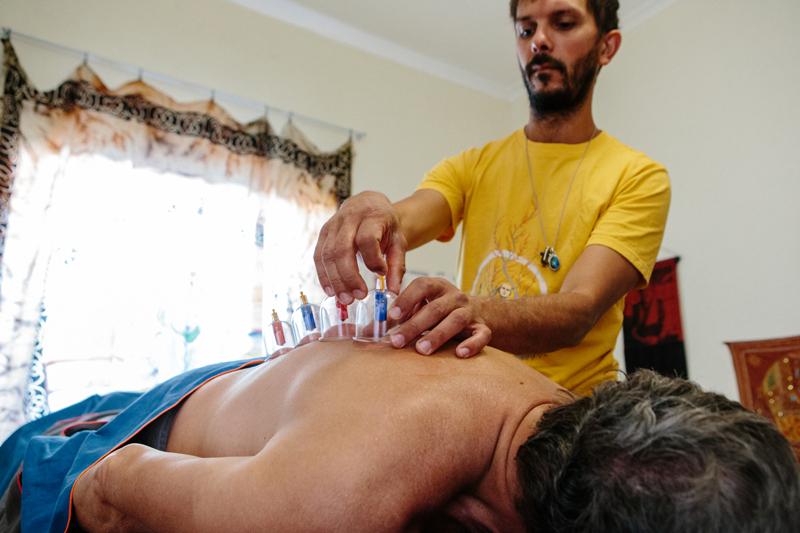
At Melbourne Massage and Treatment, we specialise in providing tailored remedial massage therapies designed to alleviate chronic pain. These therapies are meticulously designed to target the root causes of pain, fostering relief and recovery through specialised techniques. Our expert therapists are committed to assisting individuals in reclaiming their comfort and mobility, paving the way for a healthier, more active lifestyle. Key Takeaways: Tailored Approach: Each treatment is customised to address specific pain areas, enhancing effectiveness. Professional Expertise: Our therapists are highly trained in a variety of techniques to offer optimal relief. Holistic Benefits: Beyond pain relief, enjoy improved mobility and reduced stress. The Power of Remedial Massage Remedial massage is not just about relaxation; it’s a potent therapeutic tool for chronic pain management. By manipulating the soft tissues of the body, remedial massage helps in breaking down knots and improving blood circulation. This process not only alleviates pain but also enhances the healing process of the muscles and tissues. For individuals with conditions like arthritis, fibromyalgia, and back pain, a regular remedial massage can be a cornerstone of effective management. How Remedial Massage Works Pain Relief: Through techniques such as kneading and pressure, remedial massage relieves muscular tension and pain. Improves Circulation: Enhanced blood flow aids in faster recovery of sore, overworked muscles. Increases Mobility: Regular sessions help in restoring flexibility and range of motion. Addressing Chronic Pain Conditions with Remedial Massage Remedial massage not only provides immediate relief but also long-term benefits to those suffering from chronic pain conditions. By focusing on specific areas of tension and imbalance within the muscular system, remedial therapy can significantly alleviate the symptoms associated with chronic musculoskeletal conditions. For individuals dealing with repetitive strain injuries or postural problems, remedial massage provides essential relief that is both healing and preventive. By increasing tissue elasticity and fluidity, the therapy ensures less tension in the muscles, which is often the root cause of ongoing pain and stiffness. Individualised Treatment Plans Our approach at Melbourne Massage and Treatment is deeply rooted in understanding the unique conditions and needs of each client. During the initial consultation, our therapists perform a thorough assessment to determine the most effective treatment strategy. This personalised plan is aimed at not only addressing the pain but also at promoting recovery and preventing future issues. Each session is adapted to progress with the client’s recovery, ensuring the most beneficial outcome. Techniques and Therapies Remedial massage incorporates a variety of techniques, each chosen for its ability to target different issues: Deep Tissue Massage: Focuses on deeper layers of muscles and connective tissue, helpful in releasing chronic muscle tension. Myofascial Release: Targets the fascia, the connective tissue around muscles, alleviating tension and restoring mobility. Trigger Point Therapy: Aims at specific areas of tight muscles that cause pain in other parts of the body, often described as ‘knots’. Benefits Beyond Pain Relief The benefits of remedial massage extend beyond the direct treatment of pain. Regular sessions contribute to: Enhanced Recovery: Speeding up the recovery process from injuries and surgeries. Improved Posture: Regular massage helps in correcting posture and muscle imbalances. Stress Reduction: The relaxation aspect of massage helps reduce stress levels, which is often a contributor to chronic pain. Real Client Success Stories At Melbourne Massage and Treatment, we’ve seen remarkable transformations in our clients’ health. For instance, a client with chronic back pain, who had tried various treatments without significant improvement, found relief after a series of targeted remedial massage sessions. This individual story is just one of many that exemplify the healing potential of dedicated remedial massage treatment. Integrating Remedial Massage into Your Health Regimen Incorporating remedial massage into your regular health care routine can profoundly affect your overall well-being. It’s recommended for anyone suffering from chronic pain to consider setting up a routine with our skilled therapists. This not only helps in managing pain but also enhances general health and prevents the recurrence of injuries. Expert Care at Melbourne Massage and Treatment Our team of therapists at Melbourne Massage and Treatment is not only skilled in a variety of massage techniques but also in assessing the needs of our clients. They continually update their skills and knowledge to include the latest in remedial massage research and techniques. This commitment ensures that our clients receive the highest standard of care currently available in the field of massage therapy. Understanding Chronic Pain Management Chronic pain is a complex condition that affects every aspect of an individual’s life. At Melbourne Massage and Treatment, we believe in a multidisciplinary approach to pain management. Remedial massage is a cornerstone of this approach, but it is most effective when combined with other treatments and lifestyle adjustments. Our therapists often work in conjunction with physiotherapists, chiropractors, and doctors to provide a comprehensive treatment plan that addresses all aspects of the client’s health. Lifestyle and Remedial Massage Incorporating lifestyle changes alongside regular remedial massage sessions can dramatically improve outcomes for individuals with chronic pain. Simple adjustments like improving ergonomic setups at work, maintaining a balanced diet, and regular physical activity can complement the effects of massage therapy. Our therapists provide guidance on these aspects, offering a holistic approach to managing chronic pain. Education as a Tool for Empowerment Knowledge is power when it comes to managing chronic pain. Our therapists ensure that clients are educated about their conditions and the mechanics of pain, which empowers them to make informed decisions about their health. This education includes understanding how various massage techniques work to alleviate pain and how they can actively participate in their recovery process. The Role of Regular Assessment Regular assessments are crucial to the success of any treatment plan. By consistently evaluating a client’s progress, therapists can adjust treatments as needed, ensuring that each session is as effective as possible. These assessments look at pain levels, functionality, and overall mobility, adjusting the course of treatment to match the changing needs of the client. Conclusion At Melbourne Massage and Treatment, we understand the debilitating nature of chronic pain. Our remedial […]
Tag Archives: Dry needling

Blog
Facet Joint Irritation and Muscle Weakness: What You Need To Know
In my experience as a Clinical Myotherapist at Melbourne Massage and Treatment Myotherapy and Lymphoedema [...]
Continue readingOct

Blog
Chronic Pain: What it is, and what can you do about it?
Pain is something that we all experience, and it can start after an injury, during [...]
Continue readingOct
Blog
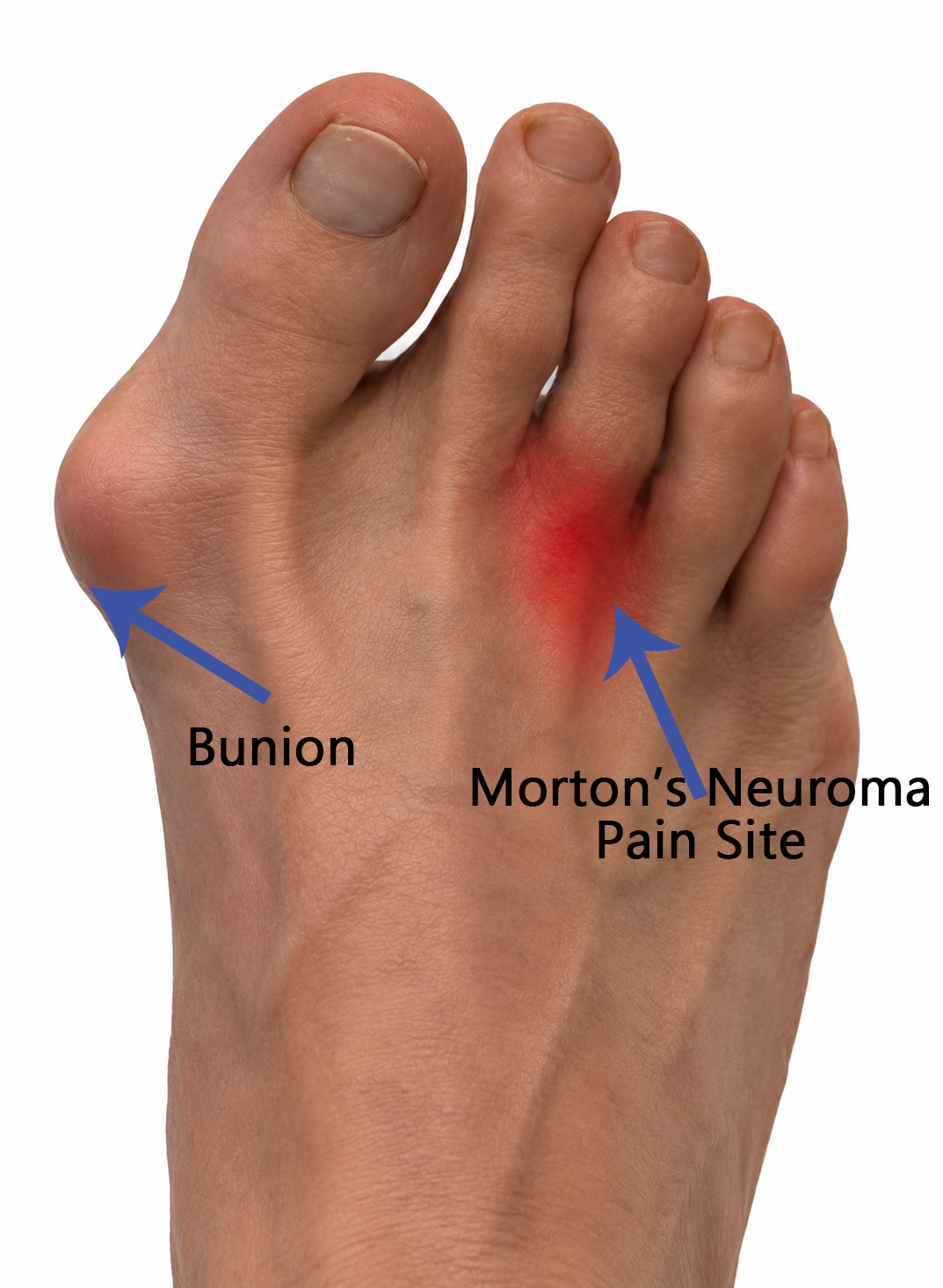
Bunion and Morton’s Neuroma: Can a Bunion Affect Neuroma Recovery?
While a bunion and a Morton’s neuroma are two different foot conditions, if they are [...]
Continue readingSep
Blog
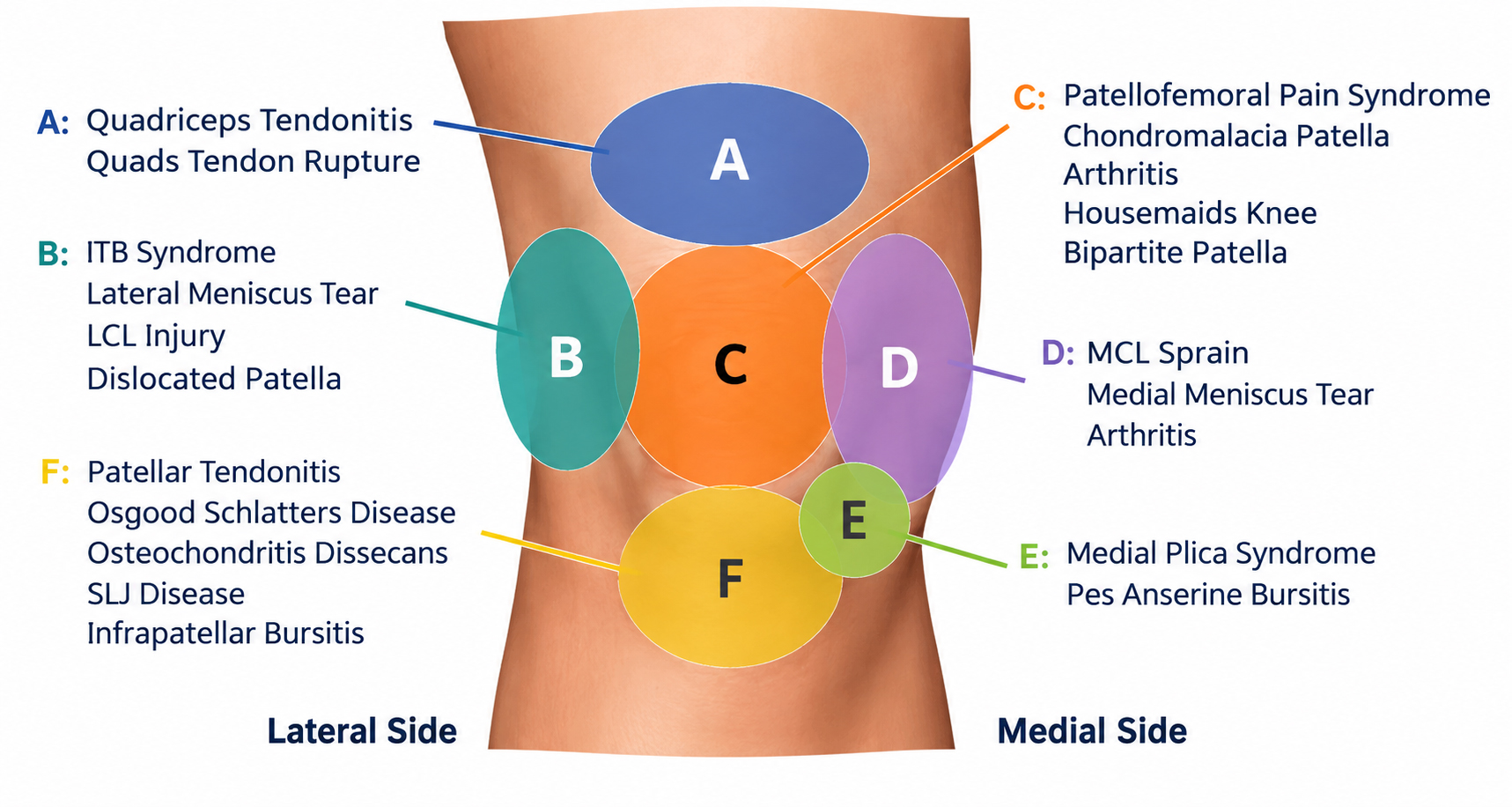
Knee Pain in Coburg
Knee pain is a common form of injury and can affect people of all ages [...]
Continue readingSep

Blog
Post-Surgery MLD Melbourne – Vodder MLD Therapist
Any form of surgery is an invasive procedure for the body to deal with, and [...]
Continue readingSep
Aug
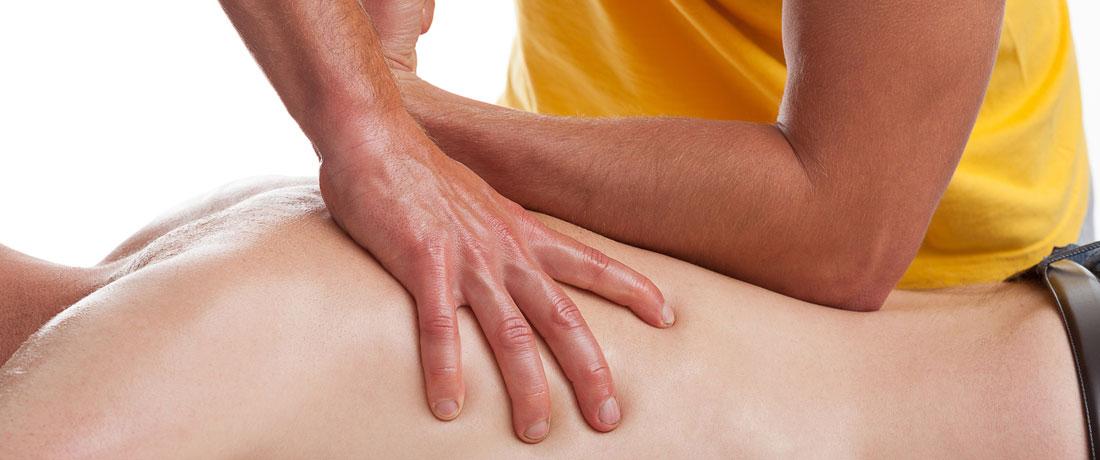
Remedial massage offers a therapeutic approach to easing pain and hastening recovery from injuries, blending traditional techniques with tailored treatments to suit individual needs. At Melbourne Massage and Treatment, we specialise in this intricate therapy, aiming to not only alleviate pain but also to restore function and enhance overall well-being. Key Takeaways: Remedial massage provides targeted pain relief, enhancing comfort during recovery. This therapy promotes increased circulation, aiding the body’s natural healing process. Regular treatments can improve flexibility and mobility in affected areas. The therapy also supports mental well-being, helping reduce stress associated with injuries. How Remedial Massage Can Help in Recovering from Injuries Direct Impact on Injury Sites: Remedial massage techniques are adept at targeting the specific tissues affected by an injury. By applying controlled pressure to the injured area, these techniques help break down scar tissue and adhesions that can restrict movement and cause pain. As a result, the direct manipulation of these tissues stimulates healing and the restoration of healthy function. Enhancing Lymphatic Drainage: One of the lesser-known but critical benefits of remedial massage is its ability to stimulate the lymphatic system, which is pivotal in reducing swelling and inflammation often associated with injuries. Improved lymphatic drainage not only alleviates pain but also enhances immune system function, which is crucial in fighting off potential infections that can complicate the recovery process. Stimulation of Endorphin Release: The process of remedial massage helps in stimulating the body’s production of endorphins, the natural ‘feel good’ hormones. These hormones act as natural painkillers, reducing the perception of pain and promoting a sense of well-being. This psychological boost is essential, as it can significantly impact one’s motivation and enthusiasm for continuing with the rehabilitation process. Restoring Muscular Balance and Posture: Injuries often disrupt the normal muscular balance within the body, leading to compensatory movements and postures that can themselves lead to further discomfort or injury. Remedial massage helps to identify and correct these imbalances. By easing the tension in overused muscles and stimulating underactive ones, the body can return to a more natural posture and reduce the risk of recurring injuries. Preventative Measures for Future Injuries: Beyond just aiding in recovery, remedial massage serves a preventative function. Regular sessions can identify and mitigate risk factors associated with injuries, such as tightness in certain muscles or limited joint mobility. This proactive approach not only helps to prevent future injuries but also enhances overall physical performance and endurance. Integrating Remedial Massage into Recovery Plans Integrating remedial massage into an injury recovery plan should be done with consideration to the individual’s specific needs and medical history. Collaboration with healthcare professionals can ensure that massage techniques are effectively aligned with other treatment modalities, such as physical therapy or medication, for optimal recovery. Customised Treatment Approaches: Every injury is unique, and thus, every remedial massage session should be tailored to the specific needs of the individual. Experienced therapists at Melbourne Massage and Treatment assess each client’s condition and create a personalised treatment plan. Long-Term Health Benefits The benefits of remedial massage extend far beyond immediate injury recovery. Regular sessions contribute to maintaining a healthy musculoskeletal system, reducing the risk of injury by keeping muscles loose and flexible and improving joint mobility and stability. Furthermore, the relaxation benefits of massage can help manage stress, which is a common factor in many chronic health conditions. Holistic Approach to Well-being: Melbourne Massage and Treatment promotes a holistic approach to health, where remedial massage is integrated with other wellness practices. This might include guidance on nutrition, exercise, and mental health strategies to support a well-rounded recovery and maintain long-term health and well-being. Empowering Clients: Educating clients about their body and the healing process is a critical component of the service provided. By understanding the mechanics of their recovery and the role remedial massage plays, clients are better equipped to take proactive steps towards their health, further enhancing the effectiveness of their treatment. Enhancing Mental and Emotional Well-being An often overlooked aspect of remedial massage is its capacity to improve mental and emotional health. The stress of dealing with an injury can be overwhelming, leading to anxiety and depression. Remedial massage helps mitigate these issues by promoting relaxation and reducing stress levels. The soothing effect of hands-on therapy provides a therapeutic escape from the constant concern over injury and recovery, which in turn can accelerate the physical healing process. Optimal Circulatory Health Improved blood circulation is another significant benefit of remedial massage. By enhancing blood flow, more nutrients and oxygen are delivered to damaged tissues, which is crucial for repairing injuries. Additionally, better circulation helps to remove waste products and toxins from the body, which can accumulate around injury sites and slow down the healing process. This aspect of remedial massage is essential for those recovering from muscular injuries and strains, as it ensures that tissues receive the necessary components for swift recovery. Flexibility and Strength Remedial massage plays a crucial role in enhancing flexibility and strength, particularly post-injury. Techniques like stretching and kneading increase the elasticity of muscle fibers, preventing stiffness and increasing range of motion. This is particularly beneficial for individuals who are recovering from joint or muscle injuries, as it aids in gradually restoring strength without adding undue stress on the recovering tissues. Synergy with Other Therapies For comprehensive recovery, remedial massage often works best when combined with other therapeutic approaches. For instance, integrating massage with physiotherapy or chiropractic care can provide a more holistic recovery plan. Each therapy complements the other, with massage easing muscle tension and improving flexibility, while other treatments focus on alignment and functional improvement. Educating Clients on Self-Care At Melbourne Massage and Treatment, we believe in empowering our clients with knowledge about self-care techniques that complement their in-clinic massage sessions. Simple strategies, such as regular stretching, proper hydration, and stress management techniques, are shared to enhance recovery and prevent future injuries. This education is crucial, as it helps clients maintain the benefits of massage between sessions and builds a foundation for lasting health. […]
Aug
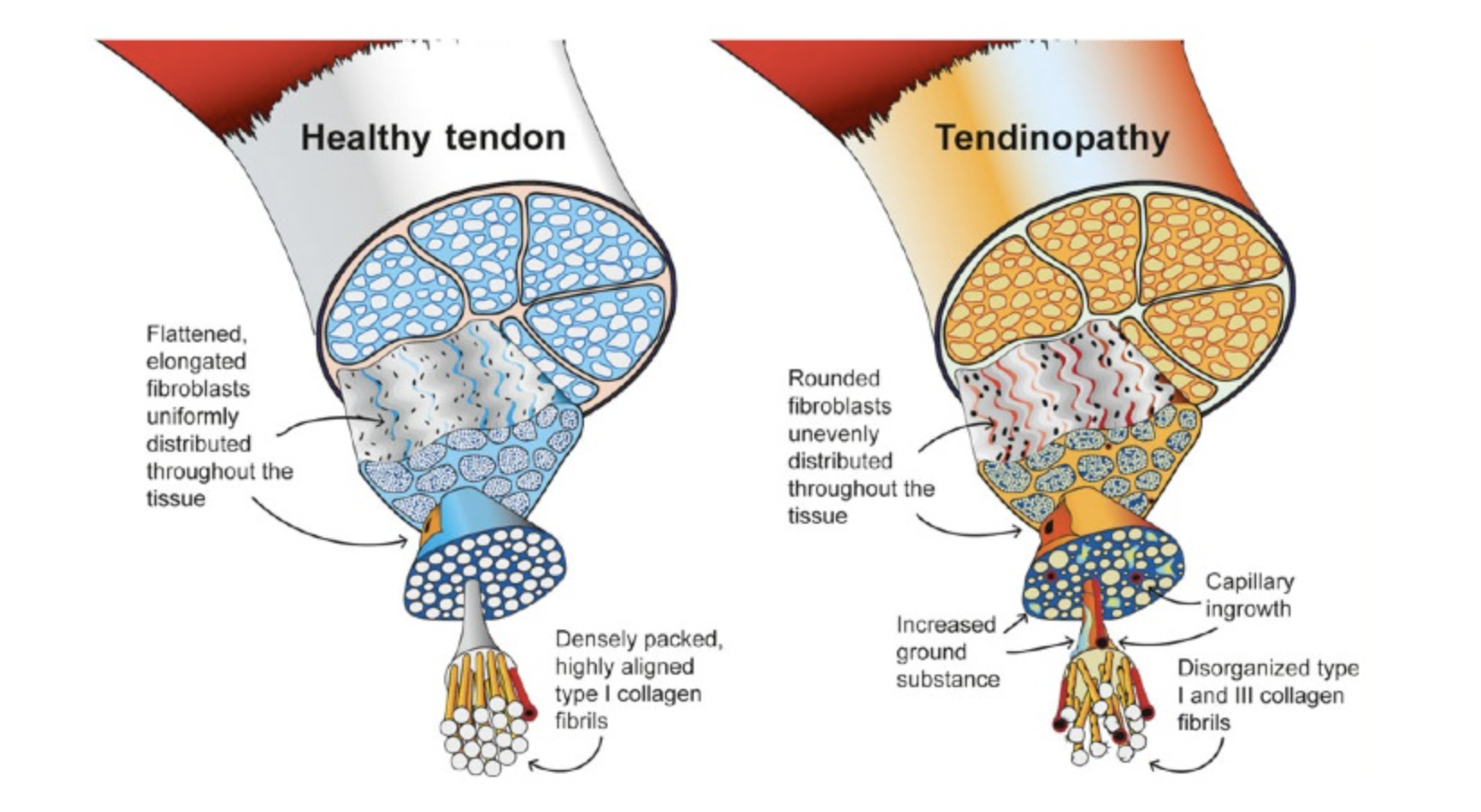
Tendinopathy refers to the tendon’s painful or irritating condition, usually brought about by repetitive stress or overuse. Symptoms include pain, tenderness, and swelling in the affected area. It often results from activities that put excessive strain on the tendon or sudden increases in activity levels. What is a tendon? A tendon is a tough, flexible band of fibrous connective tissue that ties a muscle to a bone. The force generated by the muscle would be relayed through tendons onto the bones, thereby allowing movement of the body. Tendons are made of closely packed bundles of collagen fibers, which enable them to be strong enough to bear such stresses of activities. As tendons are not as stretchy as muscle fibres, they deal with load differently. Indeed, if put under an intense load, repetitively stretched, or used for repetitive movement, tendons get irritated. What are the stages of tendon degeneration? Regardless of age or biological gender, we will all experience some form of tendon degeneration throughout life. The more tendons are used, the earlier the degenerative process will be. In this context, we must reevaluate the negativity of the world’s “degeneration.” So, instead of giving a negative value to this world, let’s consider tendon degeneration only as a process of change in the tendon structure. This process is made of 3 stages: Reactive Tendinopathy: The first stage is characterized by a non-inflammatory reaction with a thickened tendon from increased protein production. The tendon can return to normal if the stress is reduced. Tendon Disrepair: If untreated, this is typically the second phase after reactive tendinopathy and is identified by further separation of collagen, disorganization of matrix, increased vascularity, and neural ingrowth. It normally needs to be diagnosed through imaging. Degenerative Tendinopathy: This is the final stage, characterized by permanent changes including cell death and marked matrix disorganization; it results in thickened and nodular tendons. Poor prognosis is associated with this condition. What to do when experiencing tendon pain? As you start experiencing pain, it is always suggested to reach out to a professional health therapist to evaluate what the problem is. In regards to tendon pain, the first step, independently from which stage of degeneration the tendon is in to, is suggested rest from the movement that flair up the area. On top of that the usage of heat pack is reccomended for a couple of times a day for 10 to 15 minutes. Tendon have a low blood supply compared to muscles, and the heat applied from outside can help in driving more blood to the area. Moving forward, if the pain is still present after three days, then the usage of an anti-inflammatory is recommended. The suggestion is to wait 3 days because, in the first three days of pain, the body puts in place what we call the “initial inflammatory response”, a phase in which the body increases blood volume to the area together with other biochemical reactions that kickstart the healing process. If, after three days, the inflammation has not ceased, that’s when the anti-inflammatories are needed. How do we treat tendinopathy at Melbourne Massage and Treatment? As a Clinical Myotherapist, I would suggest starting in the early stage with hands-on treatment and exercises-rehabilitation, such as a Myotherapy session. Past the first 3 days of inflammatory response, is good to start looking into why the presentation is not progressing for the better. Treatment modalities: Deep tissue massage is a modality that can stimulate relaxation and drive more blood to the area affected. Myofascial Dry Needling (MDN) can target the muscle attached to the tendon/s. It can help boost a new inflammatory response, desensitise the painful area, and increase muscle activation by interacting with the central nervous system. Exercises are then the takeaway for home. In the early stage, we would use isometric exercises to desensitize the area, partially load the muscle and keep the tendon active with constant load. This type of exercise can be used during the 1st or the 2nd week, based on the degenerative process we are dealing with. In terms of the time of load, based on the subjective finding, a time would be outlined. Roughly, we know that we are looking at an isometric load that would last about 30 to 45 secs with a break between one load and the next one, of the equivalent time. How long could it take to recover fully? Scientific studies have shown that the recovery process for tendinopathy varies from 3 weeks to 6 months. This is a big range of time, of course, and it is all about the gravity of the presentation, the tendon location, and the amount of rest that can be achieved along the recovery process. That said, as per all the exercises, the program is suggested for a minimum of three days a week and a maximum of five days a week. That would give enough time for the structure to be loaded and have time to recover, too. In conclusion, if you are suspicious of suffering from a tendinopathy, do not hesitate to reach out to Giovanni and Book Now for your next Myotherapy treatment. FAQ Q: What is tendinopathy? A: Tendinopathy is an injury to the tendons and results from repetitive stress or overuse. The result of the tendinopathy is pain, tenderness, and swelling into the affected area. Common activities causing this generally include over-straining or suddenly increasing the level of activity. Q: What is the degeneration process of the tendons? A: The tendon degeneration progresses in three stages: 1) Reactive Tendinopathy. 2) Tendon Disrepair. 3) Degenerative Tendinopathy. Q: What should I do if I have tendon pain? A: If suffering from tendon pain, basic things that you may try include: Rest the tendon from any activities that worsen the pain. Apply a heat pack for 10-15 minutes several times during the day as this helps to increase blood flow. Anti-inflammatory medication can be considered after three days, as this is typically when the initial inflammatory response has […]

Sep
Tennis elbow, also known as Lateral Epicondylitis, is a condition that occurs on the lateral side of the forearm, at the elbow joint. A common cause is repetitive motions of the wrist and arm. Tennis Elbow refers to how common this condition can be in tennis players. That said, Lateral Epicondylitis is a condition that can affect anyone. As per Golfer’s Elbow, the pain starts from the elbow area, in this case from the lateral side, and can irradiate down the arm to the wrist. Rest and counter medication can help relieve symptoms. In some cases, surgery is required. Tennis Elbow Symptoms The pain generated by the tennis elbow may radiate down the forearm along the lateral side (thumb side). In addition to the pain, you may experience weakness too. Here is a list of actions that may be difficult to do Shake hands or grip an object Turn a door handle Hold a cup of water Book your next appointment now to restore the mobility of your Tennis Elbow Causes of Tennis Elbow As Lateral Epicondylitis is caused by overuse and strain of the muscles, it is caused by repeated contraction of the forearm extensor muscles. These repetitive stretches and movements can lead to tiny tears in the tendon tissue, creating inflammation and pain within the elbow area. Playing tennis with poor technique often replicates this condition, especially using repeated backhand strokes. Many other common motions can cause tennis elbow. Here is an extended list: Using plumbing tools, which require a strong grip Painting Using screwdrivers Food preparation, especially when the knife is not sharp Working in the office using a mouse for long hours Treatment Options At Melbourne Massage and Treatment, Giovanni offers a variety of options for treating Lateral Epicondylitis. MLD may be the most recommended per inflammation of tendons and muscles. Thanks to the light touch and repetitive movement, MLD stimulates the Lymphatic System directly, which takes care of the inflamed area. Combining Myotherapy, Remedial Massage or Thai Massage technique with MLD can help release even more tension along the arm and elbow. Tennis Elbow Exercises In addition to the massage technique offered at Melbourne Massage and Treatment, exercises play as per usual a crucial role in recovery. Specifically, we can look into eccentric exercises, which are slow, lengthening muscle contractions. Here is a link to eccentric exercises for the Tennis Elbow. As you may notice in this video, the extension motion of the wrist is supported by the other hand. By doing so, the extensor muscle of the forearm that needs training does not work hard. So the actual strengthening happens in the wrist’s flexion when the extensor muscles are stretching under the extra pressure of the weight.

Sep
Myotherapy is a massage technique to treat or prevent soft tissue pain and restricted joint movement. “Myotherapy” stands for “Myo” Muscle “Therapy” therapy. In Australia, and specifically in Melbourne, it is a practice that took over the massage market in the last few decades and is not becoming more and more popular. There is Dry Needling and Joint Mobilization along the different techniques used in a Myotherapy treatment. Is Myotherapy Safe? Yes, Myotherapy is a safe treatment. Said so, you want to ensure that the therapist treating you has their qualification up to date. Here is a link to my qualification. What about Dry Needling in a Myotherapy Treatment? Dry needling is one of the many ways a Myotherapist can treat a client, but it is unnecessary. Before using needles, the therapist always has to double-check with the clients the following: No metal allergy No bleeding disorders No needle fear or phobia The client feels comfortable with such treatment The therapist does explain how dry needling works Is Myotherapy available at Melbourne Massage and Treatment? Yes, it is. I am a fully qualified Myotherapist who completed an Advance Diploma in Myotherapy at RMIT University. On top of all, I am now enrolled in the last year of my Bachelor’s Degree in the Myotherapy Clinic at Torrens University. What’s the difference between Myotherapy Treatment and Remedial Massage? Myotherapy is similar to a Remedial Massage session. The difference is that a Myotherapist has more knowledge about the human anatomy, joints, and functionality. So before the session, the therapist would guide the patient through a specific range of motion to evaluate the body’s presentation. Done so, the therapist has an idea of what can be done to improve the body’s presentation. Furthermore, a Myotherapist is trained to use mobilization, which is a repetitive joint movement to improve the joint’s range of motion. My favourite “mobs” are along the spine. They consist of a gentle push over the transverse process of the spine. Applying this constant firm push, the transverse process gain mobility, allowing all the muscle inserts originating from that joint to be more mobile. Is a mobilization the same as what a chiro does? No is not. The Chiro makes an adjustment, which is a fast joint pull or push, to adjust its position or functionality. Along with an adjustment, the patient has no control over the fast movement. Indeed, during mobilisation, the patient can take control of the push and stop the treatment if he/she does feel uncomfortable. Book Now your Myotherapy treatment with Giovanni. Giovanni is available in Coburg at 325A Moreland Road, Monday to Saturday 9 am to 7pm.
Aug
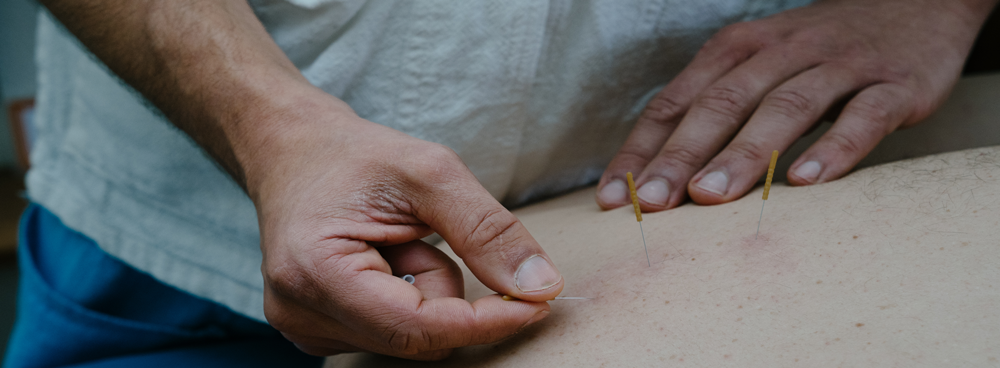
Myofascial Dry Needling (MDN) treats sore muscles and trigger points. How does Dry Needling work? As discussed in another blog post, muscles are made of many individual fibres. As the fibre contract and stretches, this does give the muscle the ability to have strength and elasticity. Along with repetitive movements and lack of posture, the muscle fibres can accumulate tension that we generally call knots. Those “knots” are also known as trigger points. This is one of the many theories behind the formation of trigger points. Said so, a trigger point is a terminology used to describe a painful spot. And still, nowadays, there is no exact explanation for how trigger point forms and what exactly they are. But what we know for sure is that not everyone develops trigger points in the same spot. Now, to release the tension out of the trigger points, we can either apply external pressure, with the thumb or the elbow, in case of a Remedial Massage or even the knee or the heel of the foot with a Thai Massage, or we can break the fibres from within by using a needle. What a needle is like? The needles used in this practice have a diameter from 0.15 to 0.25mm, so really thin needles. Whereas the length can vary from 15mm to 90mm. Depending on the target muscle, the length of the needle is different. So, as we penetrate the muscle with the needle, we brake the fibre, and we recall an inflammatory response from the patient’s immune system. Which drives more blood and nutrients to the target area. As discussed further in this study published on PubMed, Dry Needling is effective for chronic non-specific neck pain 1. Is dry needling safe? Yes, it is, as long as the practitioner offering the service is qualified for it, and well knows the anatomy of the muscles. Said so, when you receive dry needling, there are a few things that you may want to consider. Firstly you better not have any metal allergy. Also, Dry Needling is not recommended if you have just done any strong physical activity or training, as the muscles would be in an acute inflammatory stage. In addition to this, other contraindications are: If the patient is on a blood thinner Diabetes type 1 The area is affected by Lymphedema The patient is unable to give the consent The patient would not be able to stay still as the needle is in the body Book now, your next Myotherapy session at Melbourne Massage and Treatment, Coburg North Clinic. How long the needle stays in the body? Depending on the area needing treatment, the needle may stay in the body for 3 to 10 minutes. And always based on the target muscle that needs to be treated would also depend on the type of treatment. Indeed, the needle could be placed in the muscle and left there to sit and create the physiological response needed, or it could even be partially extracted, moved around and placed back. This type of technique is called “peppering”. Peppering along a dry needling session allows the therapist to target other fibres around the muscle fibre area. 1. Cerezo-Téllez E, Torres-Lacomba M, Fuentes-Gallardo I, Perez-Muñoz M, Mayoral-Del-Moral O, Lluch-Girbés E, Prieto-Valiente L, Falla D. Effectiveness of dry needling for chronic nonspecific neck pain: a randomized, single-blinded, clinical trial. Pain. 2016 Sep;157(9):1905-1917. DOI: 10.1097/j.pain.0000000000000591. PMID: 27537209.
Mar
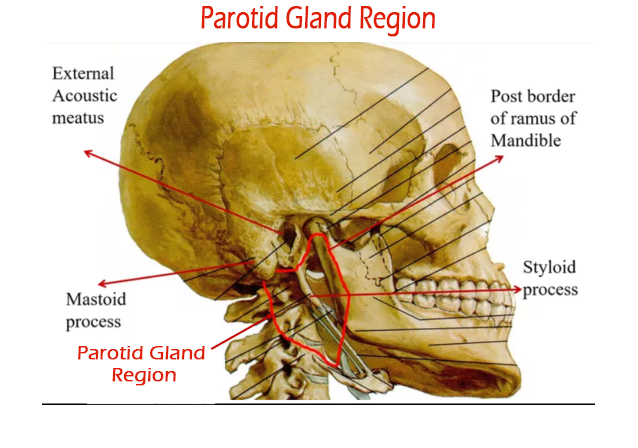
TMJ or Temporomandibular joint is bilaterally located on the side of the human head. TMJ and Movement Upper Compartment Protrusion Retrusion Lower Compartment Lower the Jaw Raise the Jaw Lateral Deviation Said so: the opening is the combination of Protrusion plus Lowering the Jaw closing the mouth is Retrusion plus Raising the Jaw. TMJ and Pain When TMJ is in pain, we can find it hard to talk, eat and sometimes even rest, as the pain can be pretty strong. Moving forward, not everyone knows that deep under TMJ we have what we call Parotid Gland. The Parotid Gland is a salivary gland, and if gets infected, it can swallow up and be quite painful. What can happen at the Parotid Gland is an accumulation of calcium in its duct, and saliva can’t be expelled. Even though viruses or bacteria can also be responsible for TMJ infection. What also most people are not aware of is that in the Parotid Gland, there are lymph nodes. TMJ and MLD. The fact that the gland can be swollen is an indication that fluid is stuck in it. MLD, thanks to the boosting of the lymphatic system, which is responsible for reducing swelling in the body, can be the perfect technique to reduce the swelling and so restore the functionality of TMJ. If this post talks to you, book your next massage session by clicking here. The Parotid Gland lymph nodes unload their Lymph Obligatory Load into the cervical nodes. So as per usual, at the start of the MLD treatment, we will work along the upper neck, medial neck and then the terminal (just between the clavicle and the upper trap). In addition, what makes a difference with MLD is that is a pain-free technique. That would allow the client suffering from TMJ pain to receive a treatment that would not aggravate the pain feeling and would end up giving a deep relaxation too. fi Other work techniques can be used, such as Myotherapy and Remedial Massage trigger point, or dry needling for Myotherapy treatment. The Remedial Massage TMJ treatment is a valuable technique but would not resolve the problem at the root cause. In conclusion, MLD is probably the best manual, not invasive treatment that can be done for TMJ. Talk to your dentist about this option, and if they are not aware of what MLD is, don’t be surprised, it is, yes an excellent technique, but it is still not well known by many practitioners, dentist included.
- 1
- 2