
Headaches and migraines are common conditions that affect millions of people around the world. From mild tension headaches to debilitating migraines, these conditions can significantly impact daily life, causing discomfort, irritability, and even severe disruption to work and personal activities. While there are various treatments available, one that has gained increasing popularity for managing headaches is remedial massage. This therapeutic technique focuses on specific areas of the body to alleviate pain and address the underlying causes of headache symptoms. At Melbourne Massage and Treatment, we understand that headaches can disrupt your day and decrease your quality of life. That’s why we offer targeted remedial massage techniques designed to alleviate headache symptoms and restore your well-being. Headaches, whether occasional or chronic, can be a major impediment to daily activities. Key Takeaways: Targeted Relief: Remedial massage directly addresses the muscle tension that often contributes to headaches. Stress Reduction: Regular sessions help reduce overall stress levels, which can trigger headaches. Improved Circulation: Enhancing blood flow can alleviate the tightness and pain associated with headaches. What is Remedial Massage? Remedial massage technique is a hands-on therapeutic technique that targets specific muscle groups and soft tissues in the body to treat musculoskeletal issues. The goal is to alleviate pain, improve mobility, and promote overall health and well-being. Unlike general relaxation massages, remedial massage uses a variety of techniques, such as deep tissue manipulation, trigger point therapy, and myofascial release, to address underlying conditions that contribute to pain and discomfort. When it comes to headaches and migraines, remedial massage can be particularly effective. This is because many headaches are caused or exacerbated by muscle tension, poor mobility, and stress. By targeting the muscles of the neck, shoulders, and upper back, remedial massage can provide significant relief from these common headache triggers. How Remedial Massage Helps Alleviate Tension Headaches Tension headaches are the most common type of headache, often triggered by stress, anxiety, or poor mobility. They are characterised by a dull, aching pain that can feel like a tight band around the head. This type of headache is often associated with muscle tightness and stiffness in the neck, shoulders, and scalp. Remedial massage works by targeting the muscles and soft tissues that contribute to this tension. By applying techniques like deep tissue massage or myofascial release, a trained therapist can help relax the muscles in the neck and shoulders, which often become tight and knotted due to stress or lack of movement. In addition, remedial massage can help improve blood circulation to the affected areas, promoting the delivery of oxygen and nutrients to the tissues and removing waste products that may contribute to muscle fatigue and pain. This enhanced circulation can further reduce the discomfort associated with tension headaches and help prevent their recurrence. Remedial massage service targets these issues effectively. A trained therapist can help relax the muscles in the neck and shoulders, areas that often become tight and knotted from stress or poor ergonomic practices. Migraines and Remedial Massage Migraines are a more complex type of headache, often associated with severe pain, nausea, light sensitivity, and other debilitating symptoms. While the exact cause of migraines is still not fully understood, they are thought to be related to changes in brain chemistry, nerve pathways, and blood flow. Although migraines have multiple triggers, many individuals with migraines also experience increased muscle pain, particularly in the neck, upper back, and jaw areas. This muscle tension can exacerbate migraine symptoms or even trigger an episode. Remedial massage can be a valuable complementary treatment for those who suffer from migraines by addressing the muscle tension that often contributes to the severity of the headache. By focusing on the muscles around the neck and shoulders, remedial massage can relieve tightness and reduce the overall level of stress in the body, which are common triggers for migraine attacks. A massage therapist may also use techniques like trigger point therapy, which targets specific muscle knots that can refer pain to other areas of the head, neck, and face. By releasing these trigger points, the therapist can reduce the intensity of migraine pain or even prevent an episode from occurring. How Remedial Massage Supports Overall Stress Relief One of the most significant contributors to both tension headaches and migraines is stress. Chronic stress causes the body to remain in a heightened state of tension, which can lead to muscle tightness and trigger the onset of headaches. Remedial massage is a highly effective stress management tool because it promotes relaxation and reduces the body’s stress response. Massage techniques like long, slow strokes, kneading, and compression can activate the parasympathetic nervous system, which helps to lower heart rate, reduce blood pressure, and promote relaxation. By alleviating stress in the body and mind, remedial massage helps to decrease the likelihood of headache episodes caused by stress. The Benefits of Remedial Massage for Headache Sufferers Pain Reduction: The targeted pressure and manipulation of muscles during remedial massage help to release tension and promote pain relief. This is particularly beneficial for people who experience headaches due to muscle tightness in the neck, shoulders, and upper back. Improved Circulation: Remedial massage enhances blood flow to the affected areas, promoting healing and reducing pain. Better circulation helps oxygenate the tissues and flush out toxins, reducing the frequency and intensity of headaches. Reduced Muscle Tension: By focusing on tight muscles and trigger points, remedial massage helps to release muscle knots, which are often the source of tension headaches. This can reduce overall pain and discomfort. Stress Relief: As a highly effective stress-reduction technique, remedial massage can lower overall levels of anxiety and tension in the body, reducing one of the key triggers for headaches and migraines. Conclusion For individuals who suffer from frequent headaches or migraines, remedial massage offers an effective, natural alternative or complementary treatment. By targeting the muscles and soft tissues that contribute to tension and stress, this therapeutic technique can alleviate pain, reduce the frequency of headaches, and improve overall well-being. Whether you’re dealing with tension headaches […]
Tag Archives: Fitzroy North
Blog
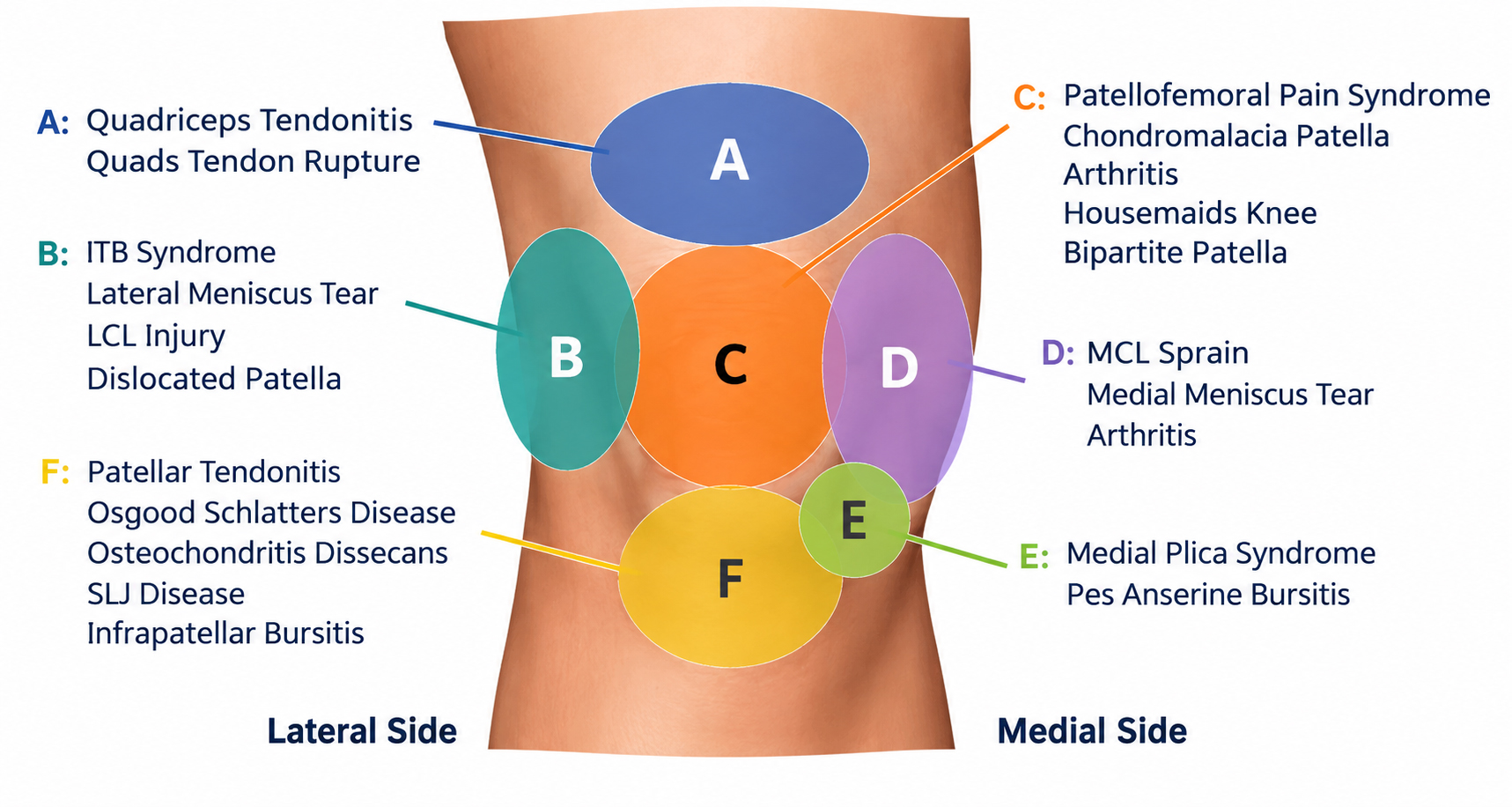
Knee Pain in Coburg
Knee pain is a common form of injury and can affect people of all ages [...]
Continue readingSep

Blog
Post-Surgery MLD Melbourne – Vodder MLD Therapist
Any form of surgery is an invasive procedure for the body to deal with, and [...]
Continue readingSep
Blog
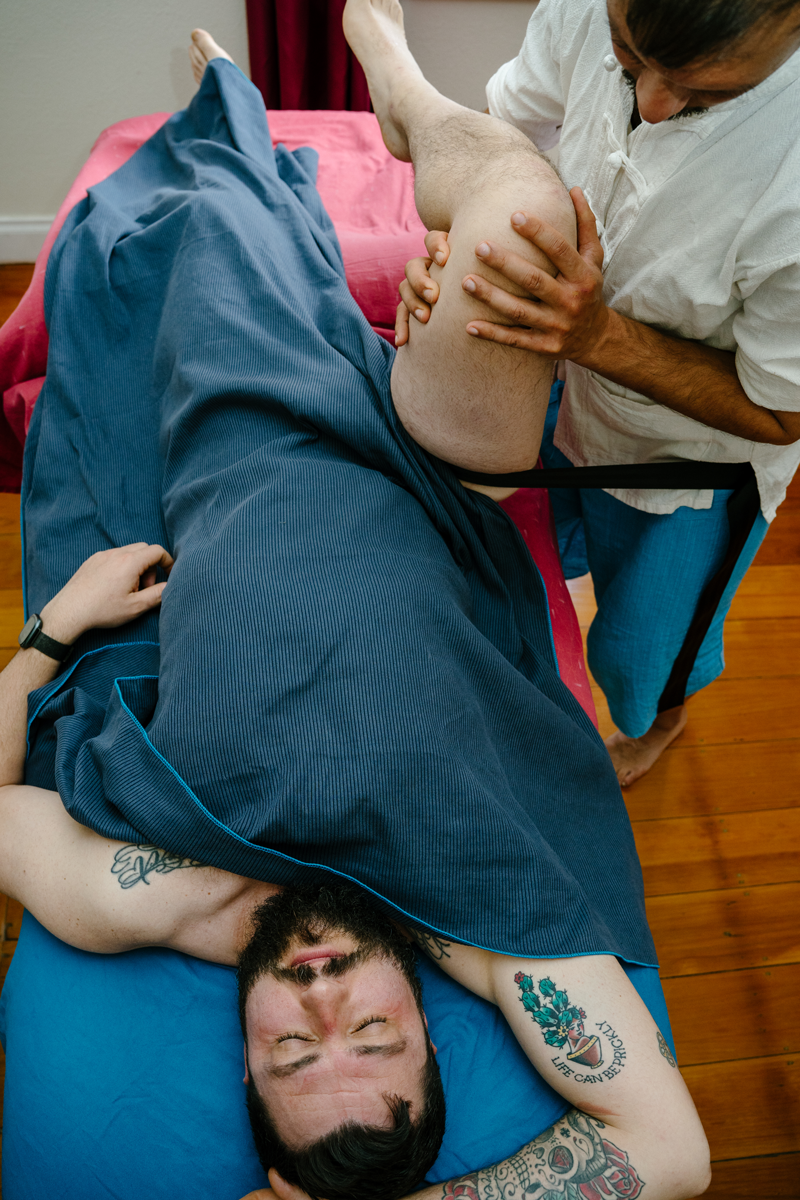
Hip Pain in Coburg: Causes, Symptoms & Treatment
In the many presentations I get to see here at Melbourne Massage and Treatment in [...]
Continue readingSep

Blog
Lymphatic Walking: Let Me Tell You Why It Is Another Trend
Lymphatic Walking is another trend that you really don’t need to overthink. But let me [...]
Continue readingAug
Blog
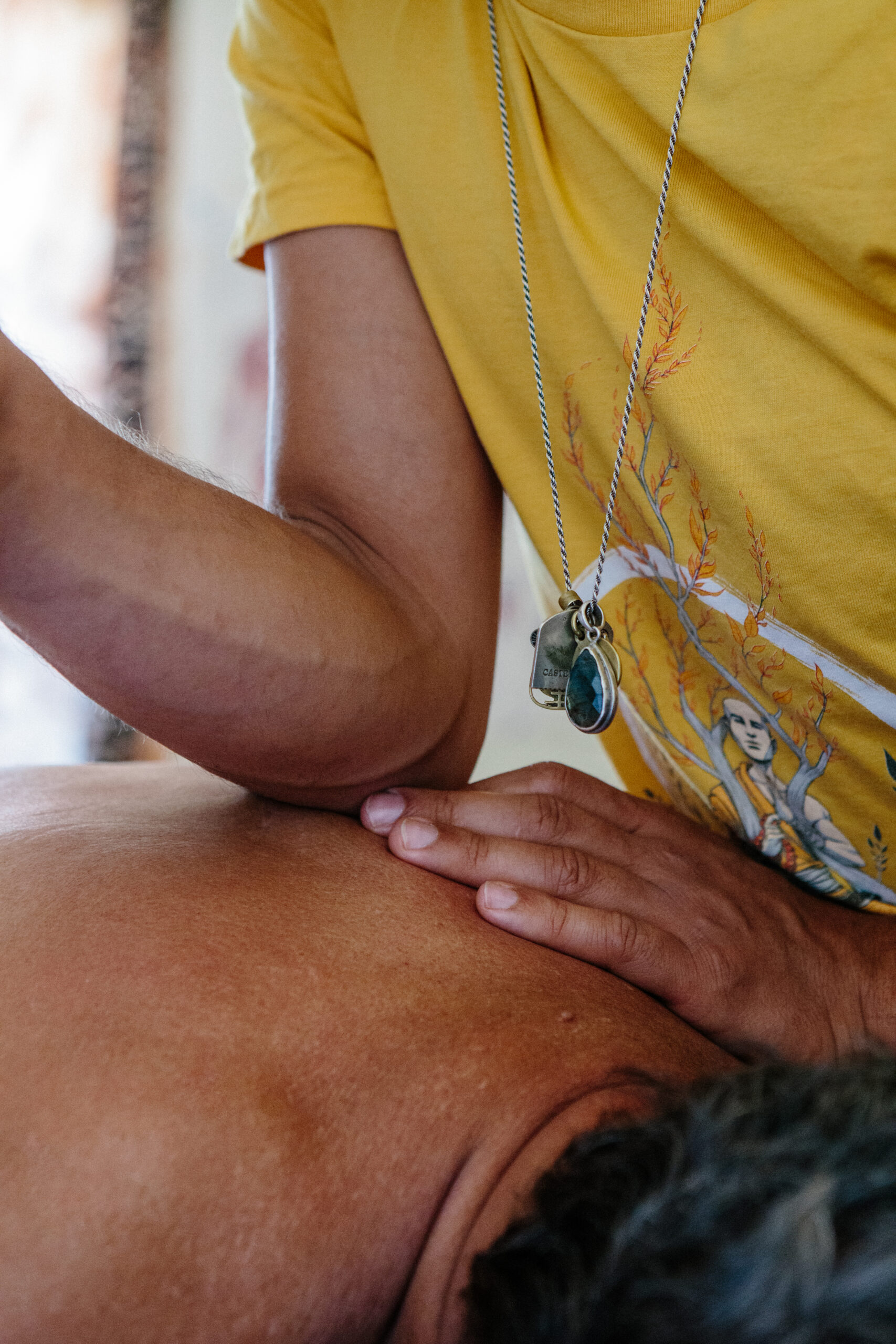
Shoulder Pain in Coburg: Myotherapy Can Help You
Shoulder pain is a common presentation I get to see and treat here at my [...]
Continue readingAug

Nov
Cellulite is a common concern, particularly for those who have undergone procedures like liposuction, and it can be a source of frustration for many. Fortunately, there are effective, non-invasive methods to reduce its appearance and improve skin texture. One such treatment is lymphatic drainage massage, a technique offered at the Melbourne Massage and Treatment, a Lymphoedema Clinic in Coburg. If you’re struggling with cellulite and want to explore natural, therapeutic options to improve your skin’s appearance, this treatment might be just what you need. Understanding Cellulite Cellulite refers to the dimpled, lumpy appearance of the skin, typically found on the thighs, buttocks, and abdomen. It occurs when fat cells beneath the skin push against the connective tissue, creating an uneven, puckered look. Although cellulite is not harmful and is entirely natural, it can be a cosmetic concern for many people, especially after liposuction or other body contouring procedures. Cellulite can often become more pronounced post-surgery, making it important to address the underlying issues, such as poor lymphatic drainage and the buildup of toxins. How Lymphatic Drainage Massage Helps with Cellulite Lymphatic drainage massage is a gentle, specialized form of massage that targets the lymphatic system—the body’s natural detoxification system. By using light, rhythmic strokes, the treatment helps stimulate the lymphatic flow, encouraging the removal of excess fluid, waste, and toxins from the body. This can result in a noticeable reduction in the appearance of cellulite, as it addresses one of the primary causes of the condition—fluid retention and poor circulation. At the Melbourne Massage and Treatment Lymphoedema Clinic in Coburg, Giovanni use Manual lymphatic drainage (MLD) massage techniques to improve the efficiency of your lymphatic system. By boosting circulation and helping to break down the fatty deposits that contribute to cellulite, the treatment can significantly improve skin tone, texture, and elasticity. Why Choose Lymphatic Drainage Massage for Cellulite? Non-Invasive Solution Unlike surgical treatments or invasive procedures, lymphatic drainage massage is a natural, non-invasive way to tackle cellulite. It doesn’t require any downtime, and it offers a holistic approach to skin care and overall wellness. Whether you’re looking to treat cellulite post-liposuction or simply want to reduce its appearance, this gentle therapy is a safe, effective option. Stimulates Circulation One of the key benefits of lymphatic drainage massage is its ability to stimulate blood and lymphatic circulation. Improved circulation helps deliver oxygen and nutrients to the skin and tissues, while also aiding in the removal of waste products that can lead to skin dimpling and uneven texture. By promoting better blood flow, lymphatic drainage massage helps to reduce the appearance of cellulite over time. Reduces Fluid Retention Lymphatic drainage massage is particularly beneficial for those suffering from fluid retention. The lymphatic system is responsible for draining excess fluid from tissues, and when it becomes sluggish or compromised, fluid can build up, contributing to swelling and a more pronounced appearance of cellulite. By encouraging lymph flow, lymphatic drainage massage helps to eliminate excess fluid, improving the skin’s texture and reducing the bumpy look of cellulite. Improves Skin Tone and Elasticity Regular lymphatic drainage massage can help improve the tone and elasticity of the skin, making it smoother and more supple. As the massage technique stimulates collagen production and enhances circulation, the skin becomes firmer, reducing the visibility of cellulite. The Benefits of Choosing Melbourne Massage and Treatment Lymphoedema Clinic At the Melbourne Massage and Treatment in Coburg, Giovanni is dedicated to providing personalized care that targets your specific needs. Giovanni undertook a series of course for lymphatic drainage, with the Vodder Academy, and he can ensure that each session is tailored to your body’s unique requirements. Whether you’re dealing with cellulite post-liposuction or simply looking for an effective way to enhance your skin’s appearance, Melbourne Massage and Treatment will provide you with a welcoming and professional environment where your comfort and results are our top priorities. What to Expect During Your Lymphatic Drainage Massage Session When you arrive for your lymphatic drainage massage at our Coburg clinic, Giovanni would go through with your initialial consultation form, in order to verify your medical history, and analyse your presentation and your goals. About the Lymphatic Draiange Massage, it is a light touch therapy that aim to stimulate your lymphatic system. If any greater pressure would need to be applied, you will be advised first, and that may be needed to break down fat buildup. Typically, each session lasts between 40 to 60 minutes, and it is recommended to undergo 2–3 treatments per week for optimal results. Many clients notice improvements in their skin’s texture and tone after just a few sessions, with more noticeable results after consistent treatments. Is Lymphatic Drainage Massage Right for You? If you are dealing with the appearance of cellulite or fluid retention, lymphatic drainage massage could be the ideal treatment for you. It’s suitable for individuals of all ages and can be tailored to suit your needs, whether you’re recovering from liposuction or simply looking for a way to improve skin texture and tone. If you’re ready to experience the benefits of this effective, non-invasive treatment, contact Melbourne Massage and Treatment Lymphoedema Clinic today. Final Thoughts If you’re looking for an effective way to reduce cellulite and improve the appearance of your skin, lymphatic drainage massage offers a natural and therapeutic solution. At the Melbourne Massage and Treatment, Lymphoedema Clinic in Coburg, we specialize in lymphatic drainage techniques that can help reduce fluid retention, stimulate circulation, and promote smoother, firmer skin. Say goodbye to dimpled skin and hello to a more confident, refreshed you. For more information or to book an appointment, please get in touch with Giovanni today. Let him help you achieve the smooth, radiant skin you deserve! FAQ: Lymphatic Drainage Massage for Cellulite Treatment Q: What exactly is lymphatic drainage massage? A: Lymphatic drainage massage is a gentle, therapeutic massage technique that stimulates the lymphatic system to encourage the removal of toxins, excess fluid, and waste products from the body. It helps improve circulation, reduce […]
Nov
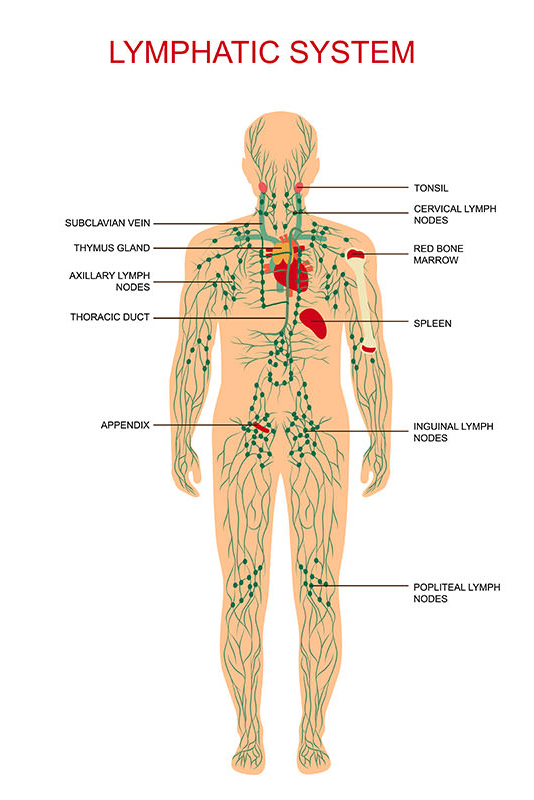
Swelling reduction in a lymphoedema presentation is the key component of successful treatment. Fluid accumulation under the skin can lead to severe swelling, skin cracks, and consequent infections. At Melbourne Massage and Treatment, Giovanni focuses on lymphoedema management using techniques like Manual Lymphatic Drainage (MLD) and Combined Decongestive Therapy (CDT). The Lymphatic System: How It Works The lymphatic system plays a crucial role in maintaining our body’s fluid balance and supporting the immune system. It begins with tiny vessels called lymphatic capillaries, which are interspersed throughout the body, especially in tissues. These capillaries collect excess interstitial fluid, which surrounds cells. This fluid is made of proteins, fats, bacteria, viruses, dust, or anything that the body doesn’t recognise. The lymph then travels through progressively larger vessels called lymphatic collectors, connected by lymph nodes. Is this where the immune system cleans the fluid? Once the cleaning is done, eventually the fluid would merge into larger ducts like the thoracic duct and the right lymphatic duct. These ducts drain lymph back into the bloodstream, ensuring that excess fluid is removed and helping maintain overall fluid balance. Muscle Movement and Its Role in Lymphatic Flow Muscle movement plays a vital role in facilitating lymphatic flow. Unlike the circulatory system, the lymphatic system doesn’t have a central pump like the heart. Instead, it relies on the contraction of surrounding muscles to push lymph through the vessels. When we move, especially during activities like walking or exercising, the rhythmic contractions of our muscles compress the lymphatic vessels, propelling lymph upward toward the ducts. This is why physical activity is essential not only for circulation but also for swelling reduction and for maintaining a healthy lymphatic system. Understanding Lymphoedema: Causes and Types Lymphoedema occurs when a disruption in the lymphatic system leads to an abnormal accumulation of lymph fluid, usually in the arms or legs. There are two types of lymphoedema: primary and secondary. Primary lymphoedema is a genetic condition that results from malformations in the lymphatic system, often present at birth or developing during puberty. In contrast, secondary lymphoedema results from damage or obstruction of the lymphatic system due to factors such as surgery, radiation therapy, infection, or trauma. Understanding the differences between these types is crucial for effective management and treatment. Combined Decongestive Therapy (CDT): A Path to Swelling Reduction One effective treatment for lymphoedema is Combined Decongestive Therapy (CDT). This comprehensive approach combines manual lymphatic drainage (MLD) compression therapy, exercise, and skincare to promote lymphatic flow and support swelling reduction. The manual lymphatic drainage technique helps stimulate the lymphatic vessels and facilitates the movement of lymph fluid, while compression garments assist in maintaining the reduction achieved during therapy. By addressing both the symptoms and the underlying causes of lymphoedema, CDT provides individuals with a practical strategy for managing their condition. Combined Decongestive Therapy (CDT) and Bandaging Techniques Combined Decongestive Therapy (CDT) incorporates techniques, including specialised bandaging, to effectively manage lymphoedema. Two primary types of bandages are short-stretch and long-stretch bandages. Short-stretch Bandages These bandages have low elasticity and provide firm compression without causing excessive pressure during movement, making them ideal for managing lymphatic fluid in a stable manner. They support the natural muscle pump action, allowing the patient to move their limbs freely and promoting lymphatic drainage as the muscles contract. Long-stretch Bandages In contrast, long-stretch bandages offer elastic compression, which can create resting pressure that may be less effective during activity. This type of bandage works best when the patient is less likely to move their limb. In CDT, short-stretch bandages are generally preferred because they maintain consistent pressure on the affected limb, helping to reduce swelling more effectively while allowing for functional mobility. This strategic choice creates an optimal environment for lymphatic flow and manages the symptoms of lymphoedema. Melbourne Massage and Treatment: Promoting Health and Lymphoedema Swelling Reduction At Melbourne Massage and Treatment in Coburg, Giovanni specialises in therapies that reduce swelling and enhance overall wellness. By understanding the lymphatic system and the importance of movement, you can take proactive steps to manage lymphoedema and promote better health. If you want to know more about how Giovanni can help you with your lymphoedema management plan, book a 15-minute free consultation today. FAQ: Lymphoedema and Swelling Reduction Q: What is lymphoedema? A: Lymphoedema is characterised by the abnormal accumulation of lymph fluid, usually in the arms or legs, leading to severe swelling. It occurs when the lymphatic system is disrupted or obstructed. Q: What causes lymphoedema? A: There are two types of lymphoedema. Primary lymphoedema is genetic and results from malformations in the lymphatic system. Secondary lymphoedema is caused by damage or obstruction due to surgery, radiation therapy, infection, or trauma. Q: How does the lymphatic system work? A: The lymphatic system maintains fluid balance and supports the immune system. It begins with lymphatic capillaries that collect excess interstitial fluid, which transforms into lymph and travels through larger vessels, eventually draining back into the bloodstream. Q: How can muscle movement help with lymphatic flow? A: Muscle movement aids lymphatic flow by contracting and compressing the lymphatic vessels, propelling lymph toward the ducts. This is essential for circulation and swelling reduction, as the contractions facilitate the movement of lymph fluid. Q: What is Combined Decongestive Therapy (CDT)? A: CDT is a comprehensive treatment for lymphoedema that includes manual lymphatic drainage, compression therapy, exercise, and skincare. It promotes lymphatic flow and supports swelling reduction, addressing both symptoms and underlying causes. Q: Why are short-stretch bandages preferred in CDT? A: Short-stretch bandages are preferred because they maintain consistent pressure on the affected limb, promoting effective swelling reduction while allowing for mobility. This helps create an optimal environment for lymphatic flow. Q: How can I learn more about managing lymphoedema? A: For more information on lymphoedema management, you can book a 15-minute free consultation with Giovanni at Melbourne Massage and Treatment, Lymphoedema Clinic, in Coburg. Giovanni specialises in therapies designed to reduce swelling and enhance overall wellness.

Aug
Exercise is the cure for pain, and it is an underestimated medicine that could sort out many of our bodies’ aches. Strengthening exercise, such as exercising under load or resistance, can be done at home or the gym, and it should be part of our weekly routine. It is never too late to start exercising; everyone can benefit from it. At Melbourne Massage and Treatment, we always encourage our patients to make a treasure of the exercises we show, and if you have any questions about it, do not hesitate to ask. Exercises as Medicine. Exercise can be considered a potent medicine, offering many benefits beyond physical fitness. Regular physical activity has been scientifically proven to reduce the risk of chronic diseases such as heart disease, type 2 diabetes, and certain cancers. It also helps manage weight, improve mood, and enhance mental well-being by reducing symptoms of anxiety and depression. Additionally, exercise strengthens muscles and bones, improves sleep quality, and boosts overall energy levels. Its ability to promote longevity and quality of life underscores its role as an indispensable component of preventive healthcare, highlighting the transformative power of exercise as medicine (Ruegsegger & Booth, 2018). How Exercises can help: Mechanotherapy. Mechanotherapy is the therapeutic application of mechanical forces to tissues and cells to promote healing and enhance physiological function. This approach harnesses the body’s innate response to physical stimuli, such as exercise, massage, and physical therapy, to stimulate tissue repair, reduce inflammation, and improve overall tissue resilience. By strategically applying mechanical forces, mechanotherapy aims to optimize biomechanical properties, restore normal tissue function, and alleviate symptoms associated with musculoskeletal injuries or chronic conditions. This therapeutic modality underscores the importance of tailored physical interventions in healthcare, offering a holistic approach to rehabilitation and wellness that complements traditional medical treatments. How many days a week? Ideally, you would like to exercise 3 to 5 times a week for 45 minutes to 1 hour daily, with 1 to 2 days of rest. The reason behind this is covered by the scientific research and data that we have in hand nowadays, which reveal the importance of loading the body with resistance and weights to grow and regenerate the body components, like muscle, tendons, ligaments, etc… and also the fact that, once the body has been put under load, it also needs time to rest and repair itself, which is crucial for maintaining optimal physical and mental health (Lee et al., 2017). Indeed, if we look at the effect of exercises on muscles, the muscles present with micro tears and micro damage post-exercise, which, the day after the training, reproduce pain, better known as DOMS ( Delayed Onset Muscle Soreness ). Time is needed to allow those microtears to recover. How long should DOMS last? As per all the inflammatory responses, DOMS can last between 24 to 72 hours. During this time frame, the body supplies extra blood to the muscles in order to implement a recovery process. During this time frame, to reduce discomfort and aches, you can use a heat pack (remember, no longer than 15 minutes), massage the area with oil, and do gentle movement. Avoid taking anti-inflammatories, as those would slow down the inflammatory response put in place by your body to heal. If pain persists longer than 72 hours, you can book a consultation or refer to a GP for advice on meds or scans. Can exercises be DOMS-free? Yes, exercises don’t have to reproduce pain every time. When you don’t feel that your muscles have been working that hard, it means that you haven’t pushed them to their limits, and therefore, they are not developing new fibres. Is this a bad thing? No, not necessarily. It is all about what you are aiming for. Indeed, if you are aiming to recover from an injury or you are training for a competition, then yes, you would aim to feel the DOMS the day after, especially if you are at the start of your training journey. On the other hand, if you are happy with the level of strength achieved, you can keep the current presentation by doing general training, without pushing your body close to its limit, by exercising twice a week only and by not increasing the load of resistance/weights as weeks pass by. Exercises and muscle bulk. Doing regular exercise is not going to make you bulky unless you are keen to be hyper-disciplined about the type of exercise, timing, and nutrition. But let’s see in more detail what happens to the muscle cells during exercise. Firstly, we have to understand that hypertrophy. Hypertrophy refers to the increase in the size of muscle cells due to the rise in their component proteins. There are two primary types of hypertrophy: myofibrillar hypertrophy and sarcoplasmic hypertrophy. Myofibrillar Hypertrophy: This type of hypertrophy involves increased size and number of myofibrils within muscle fibres. Myofibrils are the contractile units responsible for muscle contraction. Training focusing on heavy resistance and lower repetitions (e.g., weightlifting) typically induces myofibrillar hypertrophy, increasing muscle strength and density. Sarcoplasmic Hypertrophy: Sarcoplasm is muscle cells’ fluid and energy storage area. Sarcoplasmic hypertrophy involves an increase in the volume of sarcoplasm within the muscle fibres. This type of hypertrophy is often associated with higher repetition ranges and moderate resistance (e.g., bodybuilding workouts). It results in larger, more visually noticeable muscles but with less emphasis on maximal strength gains compared to myofibrillar hypertrophy. Mechanism of Muscle Growth: During exercise, particularly resistance training, muscle fibers experience microscopic tears. In response to these tears, the body initiates a repair process that involves synthesising new proteins to rebuild and strengthen the muscle fibers. Over time, with consistent exercise and adequate nutrition, this repair process leads to an increase in muscle size and strength. Importance of Nutrition: Proper nutrition is crucial for supporting muscle growth. Adequate protein intake is essential as proteins are the building blocks of muscle tissue. Carbohydrates provide energy for workouts, while fats contribute to overall health and hormone regulation. Additionally, sufficient […]
On the occasion of my 4th time in Chiang Mai, since 2018, I am dedicating this post to Thai Massage in Pichest Boonthumme Style. When and where did it all start? In March 2018, I started studying and practising Thai Massage. I came here to Chiang Mai to see Pichest Boonthumme after a friend’s recommendation. I was looking into finding someone who could teach and share a massage technique, not only based on sequence and repetitive movement. As often happens, as long as you ask, what you are looking for will show up. And now, after 3 long years of the Covid pandemic and limitations on travelling, I am back in Chiang Mai. This is my first trip out of Australia since 2019, so it was an excellent way to celebrate the freedom of travelling once again. Being back at Pichest Thai Massage School is always challenging. Even though I spent the last three years training for Remedial Massage, Myotherapy and MLD, when I came here, there was always something new to learn. Along with that new practice, there is always the Thai/Buddhist philosophy aspect of how to see things. I did really like the way Pichest, with his limited English, can explain the complex way life can present and shape, and how simple it is to learn how to deal with it. Just observe the breath. Well, no surprise, as this is the principle of Vipassana Meditation itself. That said, what most often happens is that people who come here to study with Pichest ask to learn how to breathe, even before they can receive a massage. Many people come here because they have heard of how good Pichest is at giving massages. And they all come with the expectation to get fixed. And it is just hilarious to see how Pichest, every time, turn these people away from treatment and asks them to learn how to breathe. We are used to thinking of Thai Massage as a painful approach, a strong technique, and it is. But not because we are physically suffering means we are getting better. If we can’t deal with the pain, if we stop breathing as we perceive that pain, we keep creating tension in the body and will not let the healing process happen. Breathing during a massage comes with a series of benefits: helps the blood to be pushed around Oxygenation of the muscle tissues Improve relaxation It helps in dealing with the pain reproduced by the touch of a tense area Stimulates the Vagus Nerve, which controls the parasympathetic nervous system On the other hand, before we start doing deep work on the body, the patient does better take 5 minutes to practice breathing, and the first area to work would be around the posterior portion of the shoulder and the hip or Tibia area, to stimulates the blood flow within the body. In conclusion, Thai Massage as we know it in the West is a bit of a distortion of the real thing. Thai Massage, as with any deep tissue massage, can replicate pain, but the pain must be good, not sharp. The pain must help to release tensions and not increase them. And to be a Thai Massage therapist, you’d better know your anatomy well. Are you curious to find out what a traditional Thai Massage is like? Bookings are open for Traditional Thai Massage at the Melbourne Massage and Treatment Coburg studio.
Sep
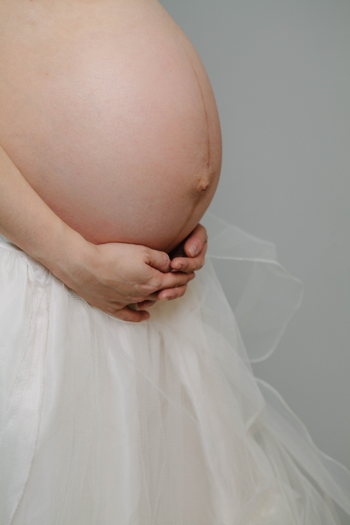
Preeclampsia is a condition that can affect pregnant women. Preeclampsia is a severe condition of pregnancy, most of the time characterised by: high blood pressure protein in the urine severe swelling Most women who suffer from preeclampsia are unaware of this condition, which is why continuous monitoring during pregnancy is so important. There is no cure for this condition, and the only step it can be taken to prevent the death of the mother the baby is to deliver the baby by opting for a C-section birth. What happens during preeclampsia? What does happen during preeclampsia is that the blood pressure increase to a dangerous level. The consequences can be catastrophic for both the mother and the baby. Indeed, the mother’s organs, such as the liver, kidney, heart and brain, are in great danger. The increase of protein in the urine also cand puts the kidney and liver in danger. How can MLD help with a preeclampsia presentation? In this case, MLD would not be applied to reduce preeclampsia. Still, it can be used when the baby is delivered, and there is a need to reduce the swelling postpartum that eventually would build up in the legs and abdominal area after the C-Section. On the other hand, MLD would also help scar healing by moving fluid away from the scar tissue and reducing the swelling around the scar itself. Said so, as you may already read in other blog posts about MLD, liver and kidney failure are absolute contraindications, and condition as high blood pressure too can be a partial contraindications. Indeed, before starting any treatment, the “good to go” from the doctor would be needed in this case. How would MLD be applied after the C-section? In regards to the type of approach needed in this case, the MLD session would start by: Working on the neck and terminus area Applied MLD on the abdominal area to clear off the Cisterna Chyli And finally, MLD along both leg A simple sequence would be used because a wound is still there when doing MLD on the legs. I would not recommend that the client lies in a side position, which could hurt the wound. So when should I come in for my first session? If the doctors reckon that your liver and kidney are functioning at 100% and your blood pressure has decreased since giving birth, you can start receiving MLD immediately. I already had a client, who had preeclampsia, and thanks to the suggestion of the nurses they book in their session just 10 days after the birth. After just one session, they realised how the swelling was reducing. Said so, it can take longer to reduce the swelling down to the desired level. What else can be done in combination with MLD? In combination with MLD, I am walking and staying active help. Also, lots of water is always highly recommended, especially after an MLD session. In conclusion, if you need an MLD treatment due to Preeclampsia or other body swellings, and you have no Liver or kidney conditions or DVT, MLD is the treatment that does for you. Then click here to book your next session. Or click here if you have any enquiries about MLD or Melbourne Massage and Treatment services.

May
When experiencing pain around the head, we talk about Headaches. Headache is a common condition, and for most cases, is not considered a serious illness. Migraine and headache. 4.9 million Australians experience migraine. Migraine is a specific type of headache, so consider that the number stated above is still a small figure. Headache and muscle. If you ever experience a headache, you may notice that the pain sensation does start from your cervical area. Or, by confronting yourself with who is around you, your headache pain pattern, is consistent, but it is different from the one of someone else. On the other hand, you may associate headaches to the result of a heavy drinking night, or of lack of water (which is why you get headaches after a heavy drinking night, by the way), but often headaches are there because of cervical muscle tightness. Wait, what? Yes, you did read right. How can we define then if the headaches come from muscle tension? So in order for this to happen, the muscle responsible for referring its pain up to the head must be tight or stretched out, and loaded with trigger points. As massage therapists, especially in the first consultation session, we would ask about headaches and if there are any, “where about do you feel the headache”? Indeed, the answer to this question is most luckily the giveaway to know which muscle is may responsible for your headaches. To confirm the suspicions, we would then assess your posture, looking for any muscular-skeletal unbalance, and then we would assess the Range of Motion (ROM). If the ROM show up to be limited on the muscle that we believe is responsible for the pain in the head, then most luckily we are halfway through the solution. I do say halfway through, a single massage session either Myotherapy, Remedial Massage, Thai Massage, or MLD is maybe not enough to release all the tension that is in needs to be alleviated to eradicate the headache. Said so, no journey starts, without doing the first step, isn’t it? When a headache is a Red Flag? For red flags, we refer to symptoms that may be present due to serious illness or condition. Some example includes clients who had a clinical history of stroke and or brain cancer, a recent car accident or recent head trauma, or blurred vision. If that’s the case, the next step is referring the client to a GP immediately for further investigation. What about the cervical muscle tension headaches type of presentation? As already mentioned in another blog post, the Occipital muscle can have headache type of pain in the lower section of the posterior side of the skull. If we then look into the area of the skull that seat above the ear, could be more tension from the Upper trap or Levator Scapulae. By keep moving more medially and above the head, Splenius cervis can refer to the medial superior side of the head and Splenius capitis to the middle top side of the head. Sternocleidomastoid, indeed, can refer to the frontal lobe of the skull. Now, all these muscles are sitting on the neck and throat and from above the shoulder. So, ensuring that those areas are free or not overloaded with tension can help in staying headache-free. Now, in this blog post, we are keeping the headache presentation type of pain to its simple aspects. On the other hand, the topic can be further discussed in person with Giovanni during your next massage appointment. Book now your next massage session, if you are trying to get to sort out your headache presentation. Other approaches to a headache-free life, out of massage therapy. There is a series of things that complimentary massage can help with to relieve headache pain. Exercises Keep yourself hydrated Good posture when seating and standing Good variety of food as diet intake Wearing glasses if needed. Meditation for stress management In conclusion, headache is a really common problem for all Australians, for both women and men. Don’t wait for your symptoms to get worse; you may not need to take medicine all the time if you have a headache, as the medicine will just numb the symptom but will not sort out the problem. If you are keen to learn more about where your headache may be coming from, book your next Massage Session today.
Dec
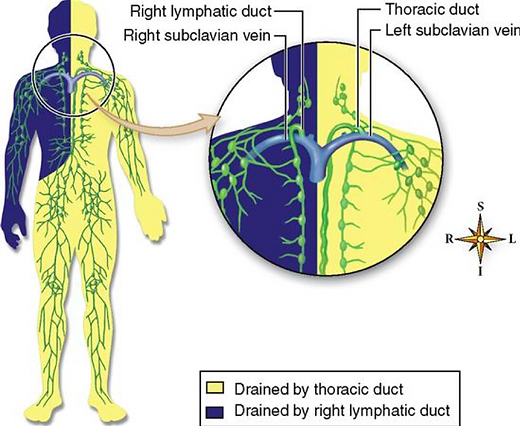
A Watershed is an imaginary line that divides the body and the Lymphatic System into quadrants. Each quadrant has its lymphatic liquid collection canal, and the lower quadrants, as per the two legs, sends the liquid to the cisterna kili, a gland that sits deep behind the belly button that is connected to the upper left duct within the upper left quadrant. Some genetic variation, seeing the thoracic duct connecting to the right lymphatic duct. What does the watershed division look like? The main watersheds are four. A vertical one divides the body into two equal vertical halves. A horizontal one divides the body into the upper and lower body at the inguinal level. Other horizontal watersheds are parallel to each other and are located at: The clavicle line runs through the belly button on top of the iliac crest. In doing so, we have six quadrants: upper, medial, and lower. Other watersheds run vertically within the body. Those are located on the arms and on the upper leg. The importance of watersheds. As we dig more and more within the functionality of the Lymphatic System and MLD as a Lymphatic Drainage technique, we can see that in these specific quadrants, there are bundles of Lymph nodes that get loaded from the lymph vessels connected to them. The watershed division allows the liquid to be directed to a specific body area where lymph nodes are found. Indeed, the lymph nodes are the ones that clean up the lymph fluid, also called obligatory lymph load. When we treat a patient, we have to make sure where we direct the liquid because we want to ensure that the lymph fluid gets sent to the lymph nodes, where it will be processed and then transferred to the lymph/vein duct at the base of the cervical area. This is extremely important when we treat Lymphoedema, where we may bypass the watersheds, where the lymphatic system has been damaged or is missing, to transport the lymphatic fluid from a stagnant area to an active one. How to bypass a watershed To bypass a watershed and transfer the lymphatic fluid from one side of the body to the other side, we have to stimulate the anastomoses, which are the alternative pathways of the lymphatic system. Unless those pathways are stimulated, we can not transfer the fluid side to side along the horizontal or vertical lines. An example would be a person who went through a mastectomy and has a unilateral Lymphoedema. In that case, we need to stimulate the upper anastomosis to transfer the fluid side to side. In the drawing beside, you can notice the upper anterior and posterior anatomoses drawn in thick green lines. The upper watershed and the duct. After the obligatory lymph load reaches the upper watershed (the one running along the clavicle), it gets passed to the venous system. This happens after the obligatory lymph load travels with the trunk collector and passes through the duct. The duct is the last portion of the lymph trunk that connects to the venous system. In conclusion, we want to specify that the lower quadrants (R leg and L leg) and the upper L quadrant drain in the L thoracic duct within the L subclavian vein. Where the R upper quadrant drains into the R duct connected to the R subclavian vein. Below here, is a list of blog posts that talk about conditions where MLD can be beneficial: Bone fracture Sunburn Preeclampsia TMJ Chronic Pain Fibromyalgia Melbourne Massage and Treatment and Lymphatic Drainage Massage At Melbourne Massage and Treatment, Lymphoedema Clinic, I am specialised in Applied MLD and Lymphoedema management. I did train with the Vodder academy for my Lymphatic Drainage practice, and I have a clinical approach to this type of work. If you are in need of manual lymphatic drainage treatment, do not hesitate to book your next appointment now. A 15-minute Online free consultation is also available for those who suffer from Lymphoedema or Lipedema.

Oct
Functional test and the empty can test. What is a functional test? What is an empty can test and how does it work? Firstly, functional tests are used to test the strength or load capacity of a single muscle. Secondly, the importance of a functional test is due to avoid misinterpretation of the muscle status and joint health conditions. Furthermore, functional tests can be positive or negative. So, for positive, we refer to a test that gave us the result we were suspicious of. For example, if I do an empty can test, and the client during the test complains of pain in the shoulder acromion, the test is positive. But if for instance, the client complains of pain in another area of the shoulder or arm, the test is negative. Even so, as a therapist, we are aware that other area of the arm or shoulder needs to be looked after. What is an “empty can test”? An “empty can test” is a functional test used to validate the state of health of the supraspinatus tendon, at the high of the acromioclavicular joint. In addition, to better understand how this specific test works, let’s look in too the anatomy of the Supraspinatus m. Origin: Supraspinatus fossa of scapula Insertion: Greater tubercle of the humerus Action: Abduct the shoulder and stabilise the humeral head in the glenoid cavity. As per result, the action of the supraspinatus is to laterally elevate the arm and hold in place the humeral head (the Humerus is the bond of the upper arm). Furthermore, the supraspinatus is one of the rotator cuff muscles. The rotator cuff muscles are: Supraspinatus, Teres minor, Infraspinatus and subscapularis. But let’s get back to the empty can test. The empty can test can be done from seated or standing. In addition, the test is conducted in 2 different stages. Initially, we will ask the client to bring the arm in flexion at about 45° and in abduction at 45°. The arm now is sitting aside from the client’s body, on a diagonal line. Now will ask the client to rotate the arm on itself, as if they are emptying a can. As per the result, if at this stage of the functional tests, the client feels pain in the shoulder at the acromioclavicular joint, the test is positive. If that’s not the case, then we can proceed with the resistant part. If this post is talking to you, and you are in need of a massage, book your next session by clicking here. The resistant part consists of placing our hand on the client’s forearm and asking the client to meet the resistance, at 3 different stages. For each stage, the resistance increases and lasts from 3 to 5 seconds. If during any of the 3 stages the client feels pain, at the high of the acromioclavicular joint, the test is positive. But why the client can feel pain during this type of functional test? To answer this question, we have to look in too the acromioclavicular joint anatomy, but I will talk about this topic in the next blog post.

Sep
The Psoas Muscle. The Psoas muscle is a muscle that seats in the Lumbar region of the body. It is palpable through the abdominal region when the client is in the supine position. Psoas Muscle is often related to and taken into consideration with iliacus muscle, as those 2 muscles share the insertion tendon and point. For this reason, they get called Iliopsoas Muscle. Origin, Insertion, and Action of the Psoas Muscle: Origin: Body and Transverse process of the Lumbar Vertebrae (L1-L5) Insertion: Lesser Trochanter of the Femur Action: with the Origin fixed: flex the hip externally rotate the hip with the Insertion fixed: flex the trunk towards the tight tilt the pelvis anteriorly flex the vertebral column laterally. Innervation is supplied from the anterior rami of spinal nerve L1-L3 Blood Supply from the lumbar branch of the iliolumbar artery The Psoas muscle has a reference pattern that involved the abdominal area but even the front of the tight. It is often tight for people who spend a lot of time seating on a chair, like office workers and or who drive for long hours. This happens because the muscle is in constant contraction when we spend time seating. On the other hand, the Psoas Muscle is often also related to emotional distress. This can happen because when we live with negative emotions we tend to contract the abdominal area and tight the muscle-up, especially for reaching out a fetal position, which recalls maternity safety. By analyzing the action of this muscle, it is easy to notice how is involved in assuming a fetal position, as it is a hip flexor. In fact, it contracts the 2 limbs, the upper and lower to gain one with each other. Treating the Psoas Muscle directly is not always recommended as direct work unless the person has been going through a series of treatments already. This is because where the muscle is lying it is a sensitive spot to access and as it holds a lot of tension, can be a bit sensitive to the touch. In need of a massage? Book now your next appointment, at Melbourne Massage and Treatment clinic. To treat the Psoas Muscle the client is lying in a supine position. Firstly we identify the muscle. For doing so after the client did lie in the supine position, the therapist will place her/his hands off the rectus abdominis, on its lat. border, and will create resistance on the client’s tight as it goes for active flexion. With the hand seating next to the rectus abdominal area, the therapist can feel the muscle activating. Once the Psoas has been isolated, the therapist can place both hands or one on the muscle, asking the client to breath-in deeply as is flexing the knee (foot running along the table) and as the client’s breath out (it is important here following the breathing wave) the therapist can apply a force straight down. Furthermore, to ensure that we can release tension from the Psoas Muscle, we have to work on the muscle surrounding it, like the other muscle that holds the same Origin/Insertion patterns, like: Erectus Spinae group, Quadratus Lumborum, Quods Hamstring In fact, the psoas muscle can be involved in presentations such as lower cross syndrome (LCS). Are you struggling with pain and or body ache? Book now your next massage appointment, at Coburg clinic. Often as therapists, we would work on the surrounding muscle before doing direct work on the Psoas. This is because direct work in such a sensitive area can be too intense to start with and could make the client feel vulnerable or uncomfortable. A good exercise to keep the Psoas muscle in shape is a daily walk, even though for a nice and balanced walk we want to make sure to have a correct Extension Leg Firing Pattern.