Tag Archives: mobility

Body Biomechanics

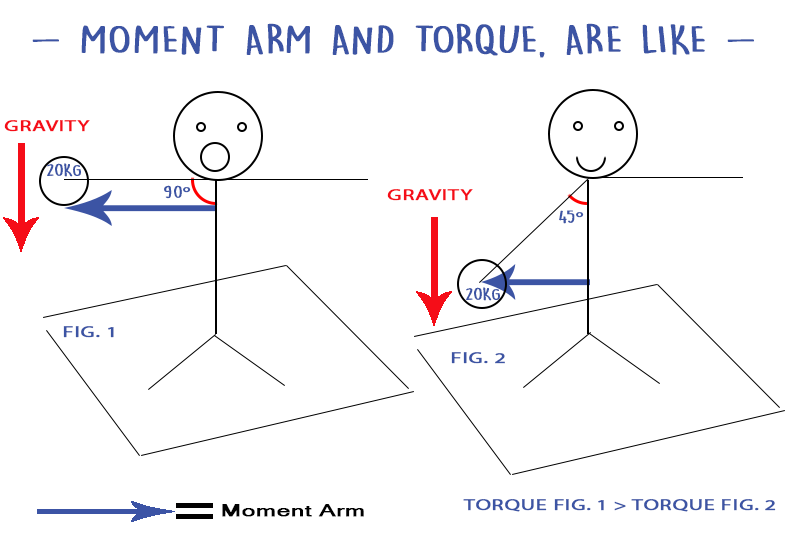
representation of Moment Arm and torque

Biomechanics is a branch of biophysics, and it studies the structure, function biomechanics is a branch of biophysics, and it studies the structure, function and motion of the mechanical aspects of biological systems using mechanical methods.d motion of the mechanical parts of biological systems using mechanical methods. Why is Body Biomechanics important? The way we move is a crucial component of injury prevention. Ensuring we are moving using our advantage, forces like gravity and body weight can help us reduce the chance of injury and improve the load capacity. To do so, we must train with a specific protocol that ensures excellent mobility to achieve muscular strength. What is a force?  We can define a force as an influence that can change the motion of an object. Gravity is an acceleration that becomes a force when applied to a body. This concept was well explained by Netwon, with the announcement of Newton’s second law that can be summarised with F=m*a. F is the force, m is the mass, and a is acceleration. In the case of acceleration of gravity, it does measure 8.91 m/sec2. Said so, this means that we are constantly accelerated towards the ground. That’s why we don’t float in the air. And to better use this acceleration to our advantage, we have to move weight using the right angles. To better understand body biomechanics, we must introduce the idea of Moment Arm, Vector and Torque. What are Moment Arm Vector and Torque? And why are they essential for understanding human body biomechanics? The moment arm is the distance between the force and the joint that hold that force back. Think of yourself holding a water bottle up with your arm extended out. The joint holding up is your shoulder, the force is the combination of the bottle per the gravity a. (F=m*a). A Vector is the direction in which a force is applied. In this case, the direction is 90° downwards. Lastly, the Torque is the rapport between the Force and the Moment Arm. So, the shorter the moment arm, the easier it would be to lift an object. Understanding this concept would make your body biomechanics application much more accessible. Body biomechanics at the gym. When training at the gym, body biomechanics are fundamental. I often get clients in post-gym injury who don’t know much about mobility training, its importance, and body biomechanics. For example, keeping the weight so the bar is as close as possible to the leg is essential when doing a deadlift. This is because the weight has to be close to the Centre Of Gravity of the body, or the moment arm would be increased, so the torque required to lift the weight would increase too. In this case, the centre of gravity corresponds to the area where the actual torque is required, the lumbar area. Indeed, it is easy to hurt yourself on the lumbar when you bring that bar too far from your body. Body Biomechanic and Thai Massage Traditional Thai Massage, as offered at Melbourne Massage and treatment, tends to use the body biomechanics at its best. Even Thai Yoga exercises are based on the biomechanics principle, using lever and gravity as an advantage to create pressure on your body and reduce tension and heal aches. This, indeed, is what makes Traditional Thai Massage so unique. It is a technique of work where you don’t need great force, it is enough to use your body weight. And because it is delivered on a ground mat, it is easier to apply the biomechanics principles.          
Sitting on the floor, and easy way to improve mobility

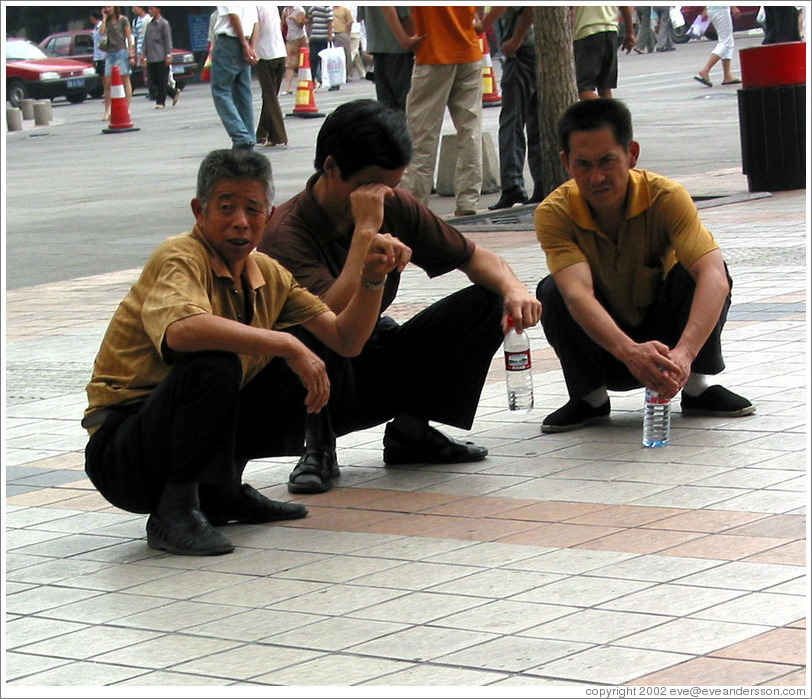
Seating on the floor, squatting

As previously spoken in another blog post, sitting on the floor and working at the pc would be a better anatomical position than sitting on a chair. Why does sitting on the floor work better than sitting on a chair? Sitting on a chair is uncomfortable, especially in the long term. As a massage therapist, most of my clients are people who have cervical pain or suffer from headaches. Sitting at a desk for hours does more damage than you may realise. So, let’s start with the lower body portion. Staying seated on a chair does direct pressure on the thigh, and by doing so, muscles like the hamstring and gluteus muscles get compressed. By compressing this group of muscles, they get weak and stop functioning as they should. In addition, direct pressure is also applied to the sciatica nerve, the main nerve of the lower body portion. The piriformis often compresses the Sciatica nerve. This muscle runs beneath the Gluteus Max and connects the medial portion of the sacrum to the greater trochanter of the femur. So, the deactivation of those muscles would then manifest itself when we try to walk or, in any case, extend the leg. As the “firing pattern” blog post shows, the hamstring and gluteus max muscles are crucial in leg extension and help prevent lower back pain. This is what happens to the muscle part of the lower body portion. But this is not the only issue the body faces with so many hours sitting on a chair. There is more. So sitting on a chair does limit the body’s movement. The decline of the body’s movement creates a cascade of side effects, including mobility reduction in joints like the Hip, Ankle, Feet, and Thoracic. As all those joints don’t move, there is also a diminish in the proprioception body/brain. Another issue is the compensation of the stability joint over the mobility joint. Indeed, when a mobility joint gets stiff, the stability joint above and below would try to compensate. What’s a common finding pain-wise with sitting on a chair for long hours? The prevalent finding is a sore neck. The sore neck happens as the thoracic stuff up. Indeed the lower cervical portion of the vertebrae, which are stability joints, try to compensate for the thoracic stiffness and, in the long term, would cause neck pain, shoulder pain and headaches. Sitting on the floor can improve mobility. Sitting on the floor can help improve your mobility by allowing you to move your body in many different ways without the need to stand up. That movements are what your body needs as mobility exercises. That movement is your body’s way of improving its posture. Indeed, movement is a crucial component in pain prevention. And this doesn’t happen on a chair. How to switch habits? As for all the habit changes, this has to be gradual and not radical. So, start sitting on the floor for 1 hour a day. Give yourself the time to adapt to the change. Slowly you can incorporate more hours, but not in a row. Maybe one hour in the morning and one in the afternoon. Also, incorporate some standing time to sitting on the chair and floor. Implement change, too, within your training. You are doing something new, and your body needs to adapt. As shown in this clip, start, start implementing a habit of sitting on the floor by doing step-by-step movements: Step 1: Move one leg forward, and bend down the other knee. Step 2: Bring both knees down Step 3: Swing the lower leg to the side (either Lx or Rx) Step 4: Let your body weight go, and sit down Step 5: Now let your lower leg come forward and sit cross-leg. Step 6: Do from step 5 to step 1 in reverse By clicking here, and here you will find the links to a Thai Yoga exercise that can help a lot with improving hip mobility.          

Frozen Shoulder

Normal and Frozen Shoulder

Frozen shoulder is also known as per the name “adhesive capsulitis”. A frozen shoulder as per the name is a shoulder that would barely move. Both signs and symptoms typically begin slowly and then get worse. Recovery time is subjective. Causes and Symptoms of frozen shoulder. Causes A common cause of a Frozen Shoulder is having to keep a shoulder still for an extended period, like after an accident. Even if it is not clear yet why there are also psychosomatic reasons why a shoulder can get frozen. Another reason why a shoulder could get to freeze is traumatic events, such as a high level of stress or a physical accident. On the physical level, what happen is that connective tissues that surround the shoulder joint, like a capsule, thickens and tightens around the shoulder joint, and by doing so, it does restrict the joint’s movement. Symptoms Frozen Shoulder symptoms developed in 3 different stages. The stage’s timing is subjective. Freezing stage Shoulder range of motion starts decreasing, and pain shows up/increases. Frozen stage The Shoulder would freeze up. The movement is minimal, even though it is less painful. Thawing stage In this stage, the range of motions are slowly coming back Pain can be worst at night. This may happen because of the sleeping position or because the sensory feeling is more acute at night than in the daytime when the body perceives more sensations. Suffering from Frozen Shoulder and need some help. Book now an MLD treatment at Melbourne Massage and Treatment. Risk factors for Frozen Shoulder Age and gender Women are more luckily to suffer from this condition. Also, age plays a crucial role in this type of pathology. People 40 and over are luckier indeed to develop F.S. Systemic diseases Here is a list of specific conditions that can increase the possibility of suffering from F.S.: Diabetes Overactive thyroid (hyperthyroidism) Underactive thyroid (hypothyroidism) Cardiovascular disease Parkinson’s disease Prevention There are not many preventive factors when it gets to F.S. This is because the main cause of F.S. is holding the shoulder back from doing movements, due to a previous injury, most of the time. What can help, and this is how Melbourne Massage and Treatment services come in handy is to do MLD sessions on the area surrounding the injury. How MLD can help by stimulating the lymphatic system work and boosting the recovery process. Also, MLD would help in reducing inflammation. Other massage technique such as Myotherapy or Remedial Massage and or Thai Massage, is not as effective for this type of condition. Another successful method that can help once Frozen Shoulder is already developed is by using Hydrodilatation. This methodology consists in injecting sterile water into the joint capsule to stretch the open space and bring the shoulder back to its ROM.

Sitting on the floor

Seating Sqout

Sitting on the floor is the new mobility movement. Sitting at the desk and sitting on the floor. Working in the office is a challenging task for the body, and in the last few years, something made this task even worst. Covid-19 forced millions of people worldwide to work from home. Consequently, many people reduce their daily movement activity and start increasing their stress response to work and everyday life. But what does covid-19 have to do with seating on the floor, you may ask yourself? Well, for convenience, and other rules, such as hygiene too, we nowadays spend most of our time sitting on chairs. At least within Western cultural settings. Asian Squat But as we all know, floor seating is an ancient practice in the East side of the world. In our collective mind, we all can refer to Asian people squatting anywhere they can, and with not much problem. In the West, squatting is associated with going to the gym, training, and being sporty. It is funny, isn’t it?! So, that’s where covid-19 is linked to seating on the floor. I am working from home and sitting on the floor. Due to the covid pandemic, many people have started working from home. But the home ergonomics for office work differ from those in the office. In addition to this, we have to add that as big and comfortable as a chair can be, it is always a chair. Indeed, the chair is a silent killer. Sitting on a chair limits our ability to move around as discomfort arises. Think now about sitting on the floor and standing back up. For the average adult, doing this task is not a comfortable thing. Why so? Well, because we are not used to it. All this year, sitting on a chair did reduce our body adaptability to the ground sitting. Sitting on a chair for long hours would: stiff up the hips, which are in constant flexion increase pressure on the Lumbar back arch the thoracic area, with an increase in kyphosis reduce the necessity for mobility In fact, within 20 minutes of no movement, a muscle would adapt to the shape it is sitting into. On the other hand, as the muscle starts losing its neuroplasticity, the joints controlled by those muscles would start stiffening up too. This is such a domino effect that it would break the equilibrium along the stability/mobility joints chain. How to prevent this? Well, sitting on the floor is a good start. Sitting on the floor comes with the benefits of more mobility options. As we may feel uncomfortable with the sitting position, changing position would be a spontaneous and comfortable act once on the floor. But as we are so used to sitting on chairs, starting sitting on the floor for 8 hours a day can be challenging. So, rather than sitting on a chair all day, initially switching between floor sitting, chair and standing up is good. This process would allow the body to slowly break the bad habit of rounding onto the desk from the stiff chair seating. Also, the body is not designed to either sit on a chair or stand up for so long for so many days. So the habit of changing position would improve mobility, and with it, many other things would come down to and ease. In conclusion, to improve the Upper Cross Syndrome (UCS) presentation of someone who spends long hours sitting at a desk, the steps to take are: reduce the symptoms of pain and discomfort in the Cx area start losing up the thoracic area Improving hip mobility allows the person to spend more time on the floor. The work that needs to be done within the thoracic area is to lose the vertebrae by doing some mobs and reducing tension on the lat dorsi muscle. In this next post, we will look into the following: How to sit on the floor and how to stand back up Exercises that can help to improve the floor seating time. Would you like to improve your mobility? Book Now a Thai yoga class with Giovanni or a Massage session to learn more about what can help you.

Mobility Joint, Stability Joint, Strengthening

mobility, stability, strenghening diagram

As a clinical myotherapist who sees clients regularly seeking help for injuries and chronic pain, which are often related to sports or gym injuries, if there is one thing that I never stop telling my clients, it is: Before you start lifting weights, look into your mobility capacity. In this blog, I will run through the concept of Mobility Joint, Stability Joint and Strengthening. This is the order in which anyone who is interested in their well-being and sport performance should approach their physical activity. Therefore, Mobility is the degree to which a joint can move before being restricted by surrounding tissues. Not all the joints taught are considered mobility joints. Indeed, some are considered stable joints. The Mobility and Motility Joints Theory As it is clear now, the body is made of two types of joints when we look at their functionality and not conformity. Starting from the big toe joint and moving up the body to the upper cervical joints, we can count one by one a mobility joint alternating with a stability joint. So this would be like this: Big toes – Mobile Metatarsal – Stable Ankle – Mobile Knee – Stable Hip – Mobile Lumbar -Stable Thoracic – Mobile Lower Cervical (C3-C7) – Stable Upper Cervical (C1-C2) – Mobile Shoulder (AC joint) – Mobile Elbow – Stable Wrist – Mobile Hand Tarsal – Stable Fingers – Mobile Basic Differences Between Mobile and Stable Joints Mobile joints move in more planes than stable ones Stable joints are designed to prioritise support Mobile joints are more prone to dislocation, given their more exposed structure, and this is more likely when muscles surrounding those joints are weak The body’s optimal movement is a balance between mobile and stable joint individual capacities. What to Train First? If we are planning to start a fitness journey, for whatever reason, the first thing I always suggest to my clients is to check and evaluate their mobility. This can be done with a few simple tests, and improved (to a maximum extent, which is different for each individual) with mobility exercises. Indeed, someone may present with a restricted capacity at their mobile joints, as their natural consistency of ligaments is really stiff. This is what we call someone hypomobile. On the other hand, the opposite presentation would be hypermobility. Two individuals who present with those basic capacities of movement would need to start with a different approach to training, and possibly, even along the way, two different ways to warm up, before they start to lift heavy. Beighton Score – Let’s Look Into Your Mobility Capacity When I want to assess a client’s capacity for mobility, or overall hypomobility, I use the Beighton Score, where each joint that we test can refer to 1 point if it responds with hypermobility (maximum 9 points): Passive dorsiflexion of the middle or index finger >90° 1 point each side (2 points total) Passive thumb apposition to the forearm Thumb can touch the forearm 1 point each side (2 points total) Elbow hyperextension >10° 1 point each side (2 points total) Knee hyperextension >10° 1 point each side (2 points total) Forward flexion of the trunk with knees straight Palms flat on the floor (1 point) Interpretation: 0–3 points: Generally considered within normal mobility range 4–5 points: Increased joint laxity (depends on age, sex, and population) ≥6 points: Generalised joint hypermobility (commonly used threshold in adults) What to be aware of: One thing to be aware of when using this test is that the Beighton Score measures laxity, not necessarily functional mobility. Someone can score high but still have poor movement control or stability in other specific joints (for example, lack of thoracic rotation). Therefore, as a clinical myotherapist, I do combine this test with: Active ROM assessment Strength testing Joint control/stability tests Functional movement screening (squat, lunge, overhead movement) How To Improve Your Mobility? In order to improve mobility, we need to focus on mobility exercises. Often these types of exercises are simple and possible to do in any environment. A basic example would be opening the book for thoracic rotation or a cat and cow for spine flexion and extension. Other mobility exercises include the ankle passive dorsiflexion on an inclined plane. The aim of these exercises is not to cause inflammation and tissue growth, but to stimulate your joints to get to a greater range of motion. That said, in an adult, it is not always possible to reach optimal mobility because of some bone prominences or previous injury. So we do our best to get to where we can, and we work with that. Mobility exercises can be practised daily, and for those who are hypomobile, it would probably become a mandatory warm-up routine, pre-heavy lifting. If Mobility Is Not The Issue, The Next Step Is Stability Training If mobility is not a limitation, then we can start looking into training your stability joints.  Training the stability joint is not a direct training of the joint per se, but it is the strengthening of the muscle that cuts across that joint. So let’s use the knee as an example. The knee joint is considered a stable joint; indeed, it is capable of mainly 2 direction movement: flexion and extension (from a flexed pose). There is some rotation, but it’s really limited. Now, in order to train its stability, we want to put effort on the quads muscles, on the hamstrings, and on the calf muscles. In this last case, specifically the gastrocnemius. Indeed, all those muscles or muscle groups originate and insert on the opposite side of the knee position when looking at its longitudinal line. Indeed, they all originate proximal to the knee and insert distally to the knee. This ensures the knee is wrapped within those muscle fibres, and its ligaments, ACL, PCL, MCL, LCL, are supported in their job, especially if lax or even missing. An effective and easy way to train those muscles is: Quad curl for quadriceps […]

Joint Mobilisation

Feet Metatarsal Mobilisation

Joint mobilisations are manual therapy techniques that improve joint mobility and flexibility and reduce joint pain. Joint mobilisation can be applied to many body joints. Some contraindications have to be taken into consideration for mobilisation: Joint swelling Osteo Arthritis Bone Fracture Bulge disk (if the mobs are intended on a vertebra) Mobilisation VS Adjustment. Mobilisations are different from Chiropractic adjustment. The difference is that Chiropractic adjustments are fast movements applied with more significant pressure. Mobilisations are constant slow, repetitive movements applied to the joint. Along with a Myotherapy treatment, Giovanni would evaluate if mobilisation is the proper treatment for your condition. For example, mobilisation along the spine is recommended when someone presents with a stiff back in the sacrum, lumbar, thoracic or lower cervical area. Giovanni would always double-check with you about what the mobs felt like. Types of Mobilisation. As we already know, the body is made of different types of joints. Given the different types of joints, like socket joints, plane joints and more, others are the type of mobilisation. For example: For a joint like the hip, we can apply mobility like a distraction, anterior-to-posterior pressure or posterior-to-anterior pull, internal rotation or superior-to-inferior pull. Some of these techniques can be applied to other joints, and each way of using a mobilisation aims to improve a specific range of motion. So, all up, the type of mobilisation that we have are: Superior to Inferior; Inferior to superior; Distraction; Posterior to Anterior; Anterior to Posterior; Posterior glide; Anterior glide; Lateral glide; Medial glide. Mobilisation Belt. A mobilisation belt can be used to deliver the mobilisation based on the joint we aim to work on. A belt is a tool wrapped around the designated joint we want to work on and is used to apply stretches that would not be as easy to achieve by hand. An example is a hip distraction. For distraction, we refer to it as a force that pulls a joint apart. In the case of a hip, the head of the femur is pulled away from the hip’s socket from the medial to the lateral direction. As you would imagine, using bare hands for applying this technique not only could result in an uncomfortable approach to the intimacy of the patient, but it would requireFr too much effort for the therapist, resulting in poor mobilisation delivery and risk of injury. Therefore, the best tool is a belt wrapped around the patient’s hip and the therapist’s waist. Why use the mobilisation technique? The mobilisation technique aims not to reproduce pain, cracking sound, or sharp sensation. Indeed, the aim is to reproduce a firm pressure/pull on the joint area. Regarding the thoracic area, if any of those vertebrae reproduce pain or sharp sensation, applying the mobs along the vertebrae/ribs joint would be better. Doing so would still possible to affect spine mobility indirectly. Giovanni’s training for this type of modality started during the Advance Diploma in Myotherapy at RMIT and continued at the Bachelor of Health Science at Torrens University. Mobilisations technique can be applied to Big Toe, Ankle, Shoulder, Feet, Hip, Wrist, Elbow, Vertebrae, SIJ joint, Facet Joint, Clavicle and other body areas. An example of joint mobilisation for the feet. Mobilisations at the ankle area are used for improving ankle mobility. Indeed, improving ankle mobility is to better support during the walk, standing and or running. Always talking about the feet area, the mobilisation applied to the Big Toes is used along the Metatasolphalangeal Joint. Do you feel your joints stiff? Your booking for a Myotherapy treatment with Giovanni is just a click away. This mobilisation is applied by creating a distraction movement within the joint, pulling the toes away and then using it for passive flexion and extension. As mentioned in another blog post about wearing bear foot shoes, the Big toes are meant to extend from 65° to 70°. Conclusion The Big Toes are the feet joint that should push the most in the feet strike as we walk. In conclusion, mobilisations are a great way to increase mobility within a joint allowing better movement and improving the range of motion.

Barefoot shoes. It is just a trend?

Vivo barefoot wear

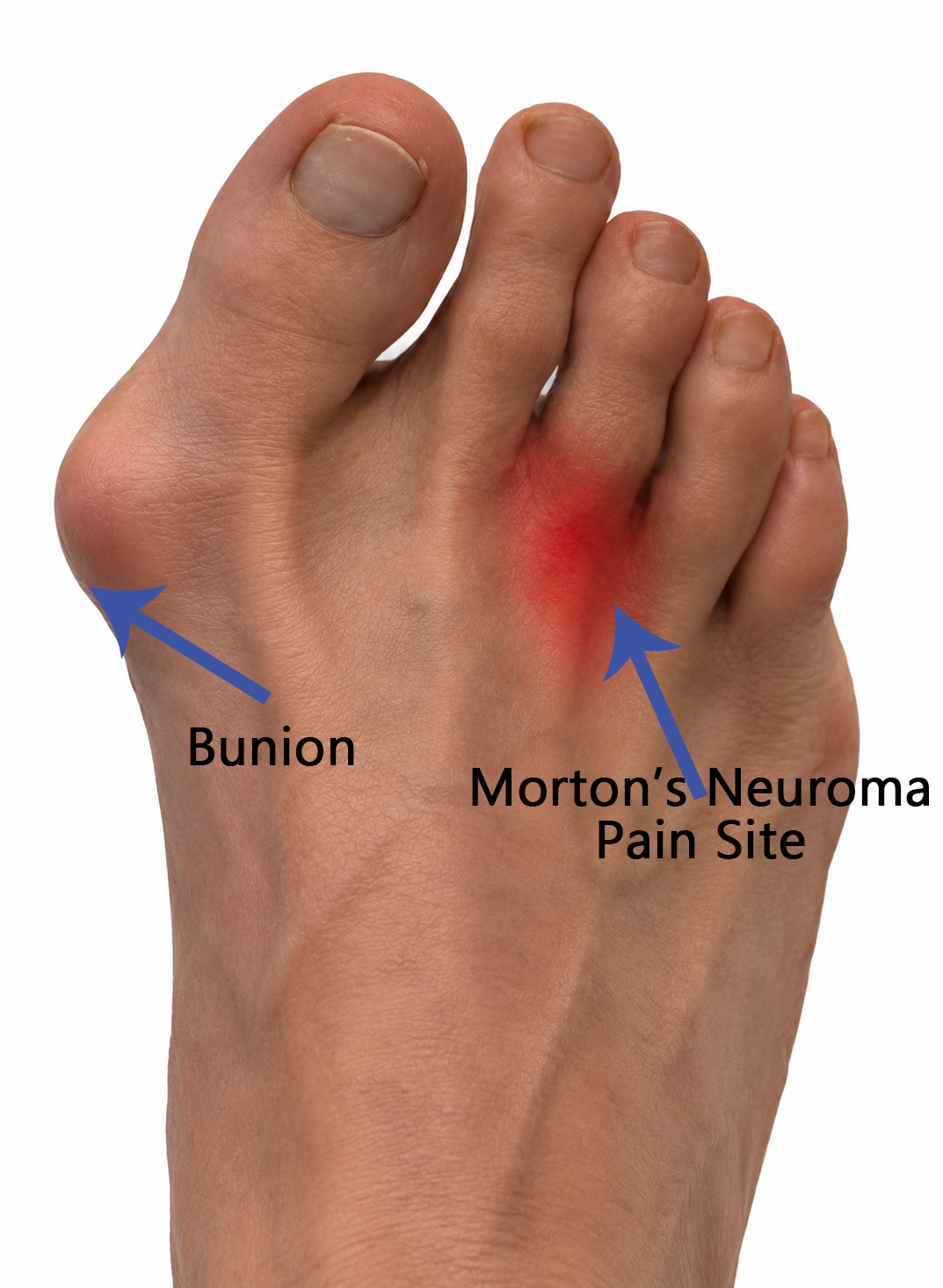
Barefoot shoes are now becoming more and more popular. One of the main reasons why this is happening, I believe is the spreading idea that having the feet, seated in a tight box all day, is not so beneficial. So, what can be beneficial about going around barefoot? Or having barefoot shoes? Well, the foot is made up of 20 muscles, and 30 ligaments. That’s a lot for such a small body portion. Now, in order to have those muscles working and the ligaments playing their function, to hold the joint together and allow the joint stability to be efficient, both those 2 groups of body connective fibres have to be stimulated. So, that’s where the tight box fails. Having rigid shoes on all day, with or without a high heel, is not supportive, it is actually numbing the muscles. Said so, it is true that shoes can protect the feet from damage. In certain environments, shoes, especially rigid protective shoes are mandatory, like in the construction industry or in a factory. But even through that, we don’t spend all day at work, isn’t it? Are you saying that barefoot wearing is for everyone? No, I am not saying that. There are specific conditions, that may not allow you to wear barefoot shoes. But, if you are in doubt about what’s the right thing to do, I would get in touch with a podiatrist, and he specific if you are in Melbourne I would contact Andy. I did that myself. My journey actually started in 2018 when I was in Thailand studying with Pichest. He always points out students about their feet and wrinkled toes. He would refer to shoes and Sox as cages for feet. In Thailand, there is no need for shoes, as is really hot, he would be barefoot or use flip-flops all day. ( I then realise that not even flip flop is a solution, anyway). Said so, once I left Chiang Mai back then I did decide to start using sandals all year round. Even though I have to say that occasionally in winter, I did wear closed shoes. The years did pass by and I did notice my pinky toes were not changing shape after all these years compared to the other 4 toes. The pinky toes were still seating quite close to the 4th toes and would not go out straight. Simultaneously, my Instagram account did start to come up more frequently with posts of barefoot shoes and barefoot sandals. From there then, I did realise that wearing sandals with a narrow front was not going to make much of a difference. Also, the sandals I was wearing, were quite rigid anyway. So that would basically not make much difference for my foot, I found out later. How did I get to wear barefoot shoes? That’s when I went to see Andy, in Feb ’22. Andy is a really carrying and smiling man. I like his approach to the question I was asking and took a quiet pragmatic approach to my feet/body presentation. After several assessments on the spot, I was told that wearing barefoot was not going to be a problem. And actually, another thing that I was told was that my left foot, which is flat compared to the right was not a problem either. And that was the main reason I went to see Andy actually. To find out how I could fix that flat foot. And with my surprise, I was told that flat foot is there because the body compensates for structural scoliosis. So If I was going to change my left foot shape, probably I would create an issue then in my back or hip. In conclusion, since Feb 22 I start wearing barefoot shoes. I did opt for Vivo barefoot. So far, can’t complain. I can see my feet changing shape, and even when I go for hikes and long walks I have no foot pain or discomfort. I don’t see myself going back to wearing conventional shoes any soon. And since then I start recommending to my client too about barefoot wearing. I always suggest them having a chat with Andy or a podiatrist who can see the potential of barefoot wearing, and for those who took up the change, so far, haven’t heard any complaints but only good stories. Another way to dig more about barefoot wear is also visiting SoleMechainc, a shoe shop down in Hampton, where you can find a broad range of barefoot wear and fantastic client service. In conclusion, if you are foot is in pain, massage therapy would still help. But as often happen, massage therapy by itself is not enough, so exercise, and change habits.  

Neck Pain

Neck Pain from a wry neck

Neck pain is something that we all experience at some point in life, and it is not fun. Neck pain can manifest for very different reasons; it can be chronic, it can come and go, and it can debilitate our day. In this blog, we are going to look at the different aspects of neck pain. Cervical Anatomy – What’s In Your Neck? Firstly, we should understand neck anatomy. The neck is formed by the cervical vertebrae, which run from C0 to C7. Upper Cervical The first 3, so C0, C1, and C2, are a bit unique, given their position and to the muscle that they connect, they can be considered the upper portion of the cervical. Along those 3 vertebrae, we find the Occipital Muscle Group, which we discussed in this blog post. Lower Cervical From C3 to C7, indeed, we have the lower portion of the neck. Along those vertebrae, we find different muscle groups. Some of those connect cervical vertebrae to the thoracic ones, like Splenius Cervicis. Others connect the vertebrae to the scapula or to the skull, like Levator Scapulae and Splenius Capitis. Lastly, we have the upper portion of the Erector Spinae group, which connects the rib cage to the Cervical and Skull area. Like, Longissimus Capitis, Longissimus Cervis, Illiocostalis Cervis and Semispinalis Capitis. Not only muscles On top of all the muscles we mentioned above, the neck is also a busy junction of veins, arteries, nerves and ligaments. So now you may start to understand that neck pain is not only an issue that is muscle-related, but it could be from a combination of reasons. What Can You Do About It? Being in pain is not a fun thing. I can be debilitating and change your mood for the day. If you are experiencing neck pain or any type of pain, always consider this: Pain can be a result of inflammation. An inflammation that lasts 24 to 72 hours is just a body response that is under control. If pain lasts more than 72 hours, it is time to seek help. How Can I Help With Neck Pain? If your neck pain is not settling and you need help, choosing the right type of therapist can really change how your neck feels. At Melbourne Massage and Treatment, in Coburg, when I get someone who presents with neck pain, the first thing I will do is go through their medical history, and I will look at a possible mechanism of action that leads to the neck pain being there in the first place. Once we have an idea, or more awareness of why neck pain manifests, we can consider what the best treatment plan is to go for. Is Massage Enough to Fix Your Neck Pain? Massage, or any form of hands-on treatment, including cupping, dry-needling, and even MLD, is a wonderful technique that can help in settling your symptoms and relieve the initial discomfort. But to really change the presentation and ensure that the neck pain is not a recurring presentation, we need to look into it a bit further, and most luckily, intervene with some form of mobility and strength exercises. Below is a brief breakdown of things that we may want to investigate and how we will address them. Mobility-Stability Joint Chain As mentioned above, the cervical area is composed of two groups of cervical C0-C2 and C3-C7, which are correspondingly mobile and stable joints Below your cervical, we then have the Thoracic portion of your spine, which is a mobile joint (T1-T12). Lack of mobility in this section would then put a lot of stress on your cervical stable portion (C3-C7), which would try to act as mobile, leading to facet joint irritation. History of Whiplash Whiplash is a form of trauma that can affect your cervical joint for years, unless proper rehabilitation is done. To restore your neck pain from a whiplash presentation, we will have to assess the chronicity of the presentation, which may start with some hands-on treatment, like mobilisation and deep tissue massage, and move on to strengthening exercises for the neck and mobility for the thoracic. Neck Pain And Headache Muscular tension headaches are a real thing, and they can affect your daily life, impairing your functionality and ability to deliver a task. Muscular tension headaches are not migraine, and hands-on treatment and exercises have the potential to get you out of pain and restore your well-being. Muscular tension headaches are a result of tension accumulating in your cervical and upper shoulder muscles, which refer pain to a specific spot on your head. FAQs      


This will close in 0 seconds


This will close in 0 seconds


This will close in 0 seconds