Lipoedema is a condition that causes excess fat to accumulate under the skin, either in the lower or upper part of the body. Said so, it is a condition that affects mainly women. It manifests itself just after hormonal changes, such as puberty, post-pregnancy or in older age, after even major surgery. The condition does not affect the hands or feet. Regarding the symptoms and presentation, Lipoedema can be mistaken for lymphoedema. Even though those are different conditions, Lipoedema can lead to lymphedema. What is the cause of Lipoedema? Well, it is not known what can cause Lipoedema. As mentioned above, it manifests itself often when there is hormonal change, so hormones can play a role in it. What is known is that it runs in families, so it has a genetic component and, most of the time, affects women. Obesity is not a cause either, even though most of the people who suffer from Lipoedema suffer from obesity too. Lipoedema Symptoms are like: A fat build-up in the thighs, buttocks, calves, and occasionally in the upper arms. Feet or hands, unless the patient has chronic venous insufficiency or lymphoedema, do not swell. Pain. Walking ability can decrease as the condition worsen. Condition of Anxiety and or Depression can develop as the person feel an imbalance in their body appearance. Fat accumulation under the skin can block the Lymphatic System, causing Secondary or lipo-Lymphoedema if the Lipoedema is not looked after. What can be done if you suffer from Lipoedema? There are several approaches to the problem, depending on the severity of the case. The earlier the Lipoedema gets diagnosed, the better. For diagnosing Lipeedema, you may want to talk to your GP or visit a therapist from the Vodder Academy who has a LEVEL III certification. Here is a link to find a practitioner to help you with that. Regarding massage, there is not much that Remedial Massage, Myotherapy or Thai Massage can do. Specifying diet can help too, and you may want to talk to your GP about it. Also, surgery such as liposuction would help, even though those are better at the early stage. Specifically, manual therapy like MLD (Manual Lymphatic Drainage) can help. But MLD itself is not enough in most cases, especially if the Lipoedema did create a Lipo-Lymphodemia. Read more about MLD by following this Link. Indeed, in addition to MLD compressed bandaging and compressed garments wear are essentials. Those two practices can allow the work initiated by MLD therapy to be maintained and amplified.
Tag Archives: coburg

Blog
Facet Joint Irritation and Muscle Weakness: What You Need To Know
In my experience as a Clinical Myotherapist at Melbourne Massage and Treatment Myotherapy and Lymphoedema [...]
Continue readingOct

Blog
Chronic Pain: What it is, and what can you do about it?
Pain is something that we all experience, and it can start after an injury, during [...]
Continue readingOct
Blog
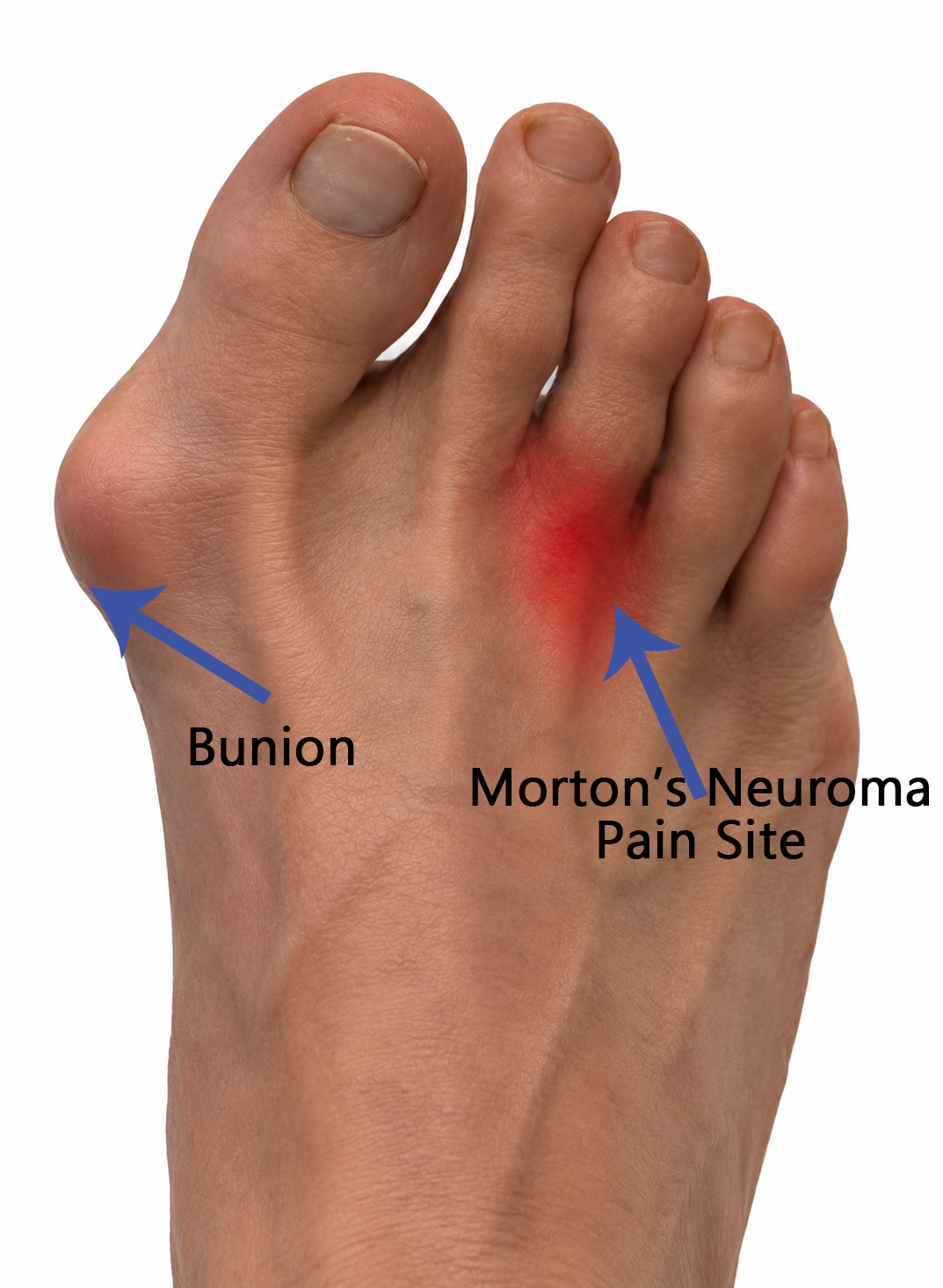
Bunion and Morton’s Neuroma: Can a Bunion Affect Neuroma Recovery?
While a bunion and a Morton’s neuroma are two different foot conditions, if they are [...]
Continue readingSep
Blog
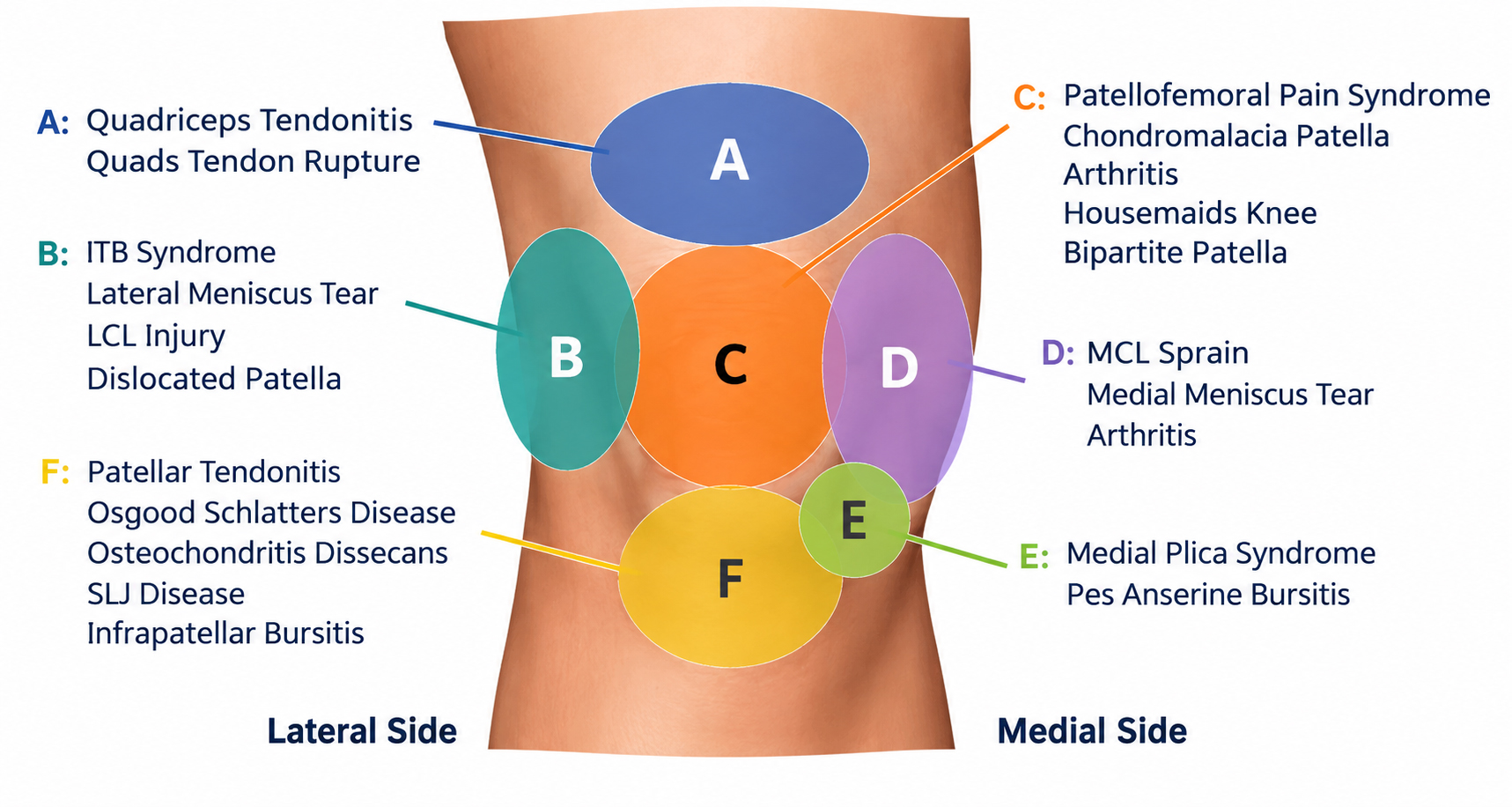
Knee Pain in Coburg
Knee pain is a common form of injury and can affect people of all ages [...]
Continue readingSep

Blog
Post-Surgery MLD Melbourne – Vodder MLD Therapist
Any form of surgery is an invasive procedure for the body to deal with, and [...]
Continue readingSep
Jul
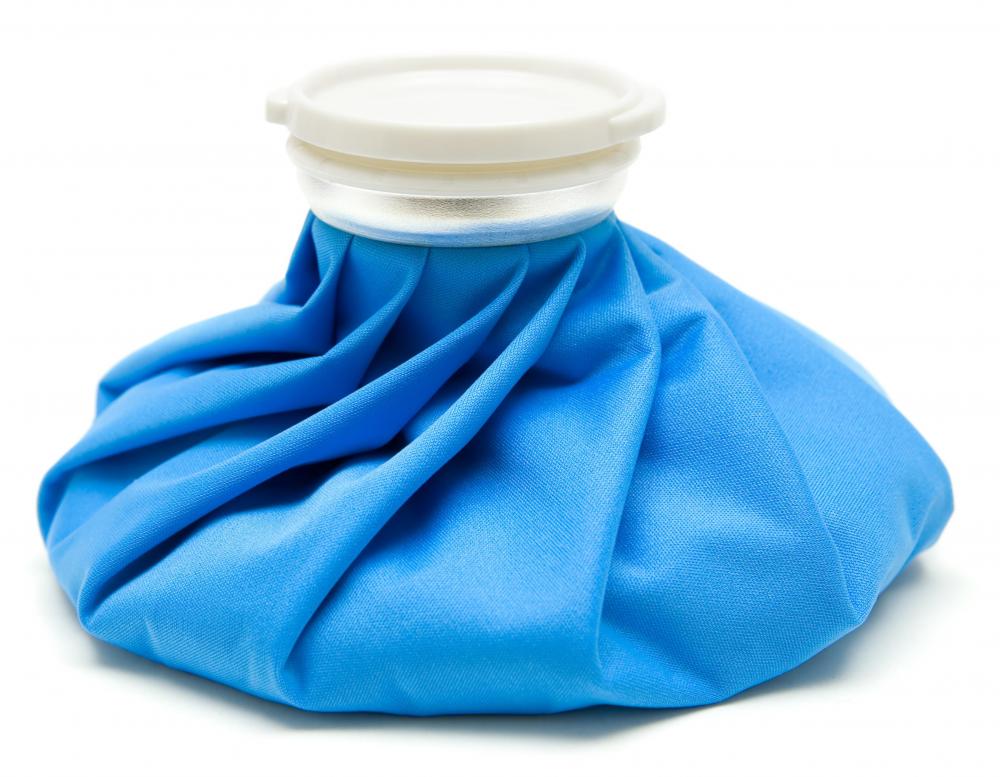
Along my experience as Myotherapist here at Melbourne Massage and Treatment in Coburg, I often get asked if after an injury ice pack is a good idea. In another blog, we did talk about the heat pack and when and how to use heat on the body post-injury. In this other blog, we are going to look into the use of Ice and ice packs for injury and body recovery. What is an ice pack? An Ice pack, as the name says, is a cold (icy) bag. As better explained in this study, an ice pack is something that can be applied to an acute injury to prevent swelling and reduce pain, but it can’t be used for too long. As with a heat pack, an ice pack can burn the skin, and that’s one reason why its usage has to be short (10 to 15mins at a time). In contrast to a heat pack, extended exposure to icy temperatures reduces blood flow around the injured tissue and can also damage nerves. Ice Pack usage recommendation: There are a few things to look into before thinking that applying ice to your injury site would help: You have a new injury or aggravation of an existing condition, and the pain is above 7 out of 10. Where you want to prevent swelling to keep you mobile later. How deep is the injury? Is ice actually going to work? There are different types of Ice packs: Home-made one: ice from the freezer wrapped in a towel. Gel pack Ice Bag (as per the photo) Instant one – most of the time found in the first aid kit. Snap it, and a chemical reaction occurs in the bag and freezes the bag. Those last ones are efficient, as you can store them anywhere safely and use them as you need them. The cold lasts for about 20 minutes. Don’t use them if they are broken. On the other hand, if you’re running out of ideas for what to use as a Cold pack, you can even use a bag of frozen food. It would still do the work. We have the ice bath and the cold show related to this topic. I did experience cold showers myself, most of the time not of my choice, but because of a limited supply of hot water, and I have to say that even on this topic, there are a series of debates on how that works and if it’s beneficial. So far, a cold shower, compared to a hot shower, is better for dry skin. This is because the heat of the water combined with soap can wash away the good oils of the skin. Then the benefit of an Ice bath can be more of a placebo effect. What we know so far, on the other hand, is that ice baths for men and women should be regulated to different icy temperatures, as women have a different perception of cold temperature biologically, and don’t need cold temperature as much as a man can experience. This is due to the layer of fat we have under the skin. Ice pack after a Massage? As mentioned above, ice packs are suggested after an acute injury. So, after a Remedial Massage or a Myotherapy session, I would definitely avoid the use of an ice pack on any sore site, as this would slow down, at least in the most superficial area, the inflammatory response we stimulate to initiate a healing process of the targeted tissue. FAQ Ice Pack
Jul
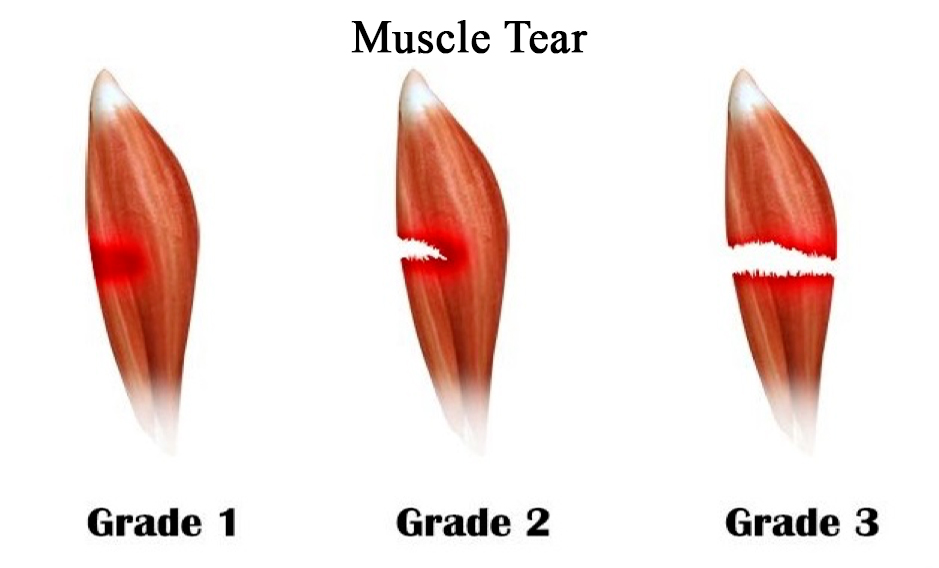
A muscle tear is an acute injury caused by a laceration of the muscle cells/fibres and or tendon to which the muscle is attached to. How can happen a muscle tear? A muscle tear happens when a muscle is weak and don’t activate at the right time. Weak muscles are common in repetitive movement or when a muscle overcompensates due to a fragile pattern. For example, tearing a hamstring is expected when the Gluteal Firing pattern is incorrect. This type of injury is common in sports activities. Still, it can also happen within a home environment by lifting a box incorrectly or during garden activities. The three grades of muscle tear. Grade 1 muscle tear is the mildest one. As per this case, only a few muscle cells have been torn. Symptoms are like: mild pain, moderate swelling, none or light bruising. In grade 2, a moderate amount of muscle cells have been damaged. Symptoms are like: Bruising is now more evident as per the swelling You must luckily hear a sound as the tear happens More severe pain, especially when trying to use that muscle. Grade 3 is the worst-case scenario. In grade 3 muscle tear, the muscle has fully torn. Still, a pop or a sound would happen as the tear happens. On the opposite side of where the muscle did lacerate, you will notice a bulge as the muscle coiled up after tearing. Weakness in using the limb where the muscle got torn. In case of a Grade 3 muscle tear, surgery is needed to reattach the muscle. How to treat a muscle tear? The immediate appliance of heat or cold packs is highly debated. A cold pack would numb the area and help with the pain symptoms. As mentioned in the “Ice Pack” blog post, that is actually recommended. On the other hand, a heat pack would help stimulate blood circulation in the affected area, reduce swelling, and boost recovery. It’s important to note that applying a heat pack too soon after an injury can actually make things worse. It’s best to wait until the acute phase has passed, which typically takes around 48 hours. At that point, heat therapy can be a helpful way to alleviate pain and promote healing. Regarding massage treatments, MLD can be the only technique used as soon as the tear happens. Indeed MLD would be highly recommended for boosting the recovery, especially in case of a tear in 3rd grade, where operation is needed. In case of a 3rd-grade muscle tear, the first thing to do is see a doctor. Other massage techniques, such as Myotherapy, Remedial Massage and Thai Massage, are still valuable for muscle tears. On the other hand, either Myotherapy, Remedial or Thai Massage can only be practised after 48 hours of rest are passed after the incidents. Indeed that 48 h is considered the acute phase of the muscle tear. How to prevent a muscle tear? More the body moves, the less the chance of injury. Making sure to do simple exercises involving basic body movement can help in muscle tear prevention. but not only. Keeping the joint moving is another essential aspect of injury prevention. How can massage help? Along with a massage treatment, the area of focus will be the torn muscle and surrounding area. Initially, the technique used with a massage treatment, especially for the injured area, would be MFTT and passive movement/mobilisation. That would help muscle recovery and facilitate joint mobility, reducing the muscle’s load. Going ahead with the treatments, techniques such as MET, a resisted muscle force technique, can be used. This would allow the muscle to gain elasticity. Book your next session by clicking here if you are suspicious of a muscle tear and need treatment.

Jun
Lymph nodes (or lymph glands) are small lumps of tissue containing white blood cells that fight infection. They are part of the body’s immune system and filter lymph fluid, composed of water and waste products from body tissues. Introduction to Lymph Nodes Lymph nodes are located in different body areas. On average, we have approx 600 LN. In the neck area only, we find 160 LN itself. LN can vary in size and go from 2 to 30 mm. Lymph Nodes are connected by vessels, better known as afferent and efferent vessels. The afferent vessels carry the lymph to the lymph node, and the efferent vessels take the lymph away from the lymph nodes. So, the lymph nodes are also connected directly to the blood system, veins, and arteria. What is a lymph node made of? Despite the structures that enter and leave the lymph node, these cleaning stations are made of: Connective tissue capsule Supporting strands of connective tissue inside Below the marginal sinus, there are clusters of lymphocytes lymphoid follicles Artery, vein and nerve As for the filtering station, the lymph node is essential to ensure that no bacteria, viruses or dirt can access the blood system. Where we find no lymph nodes in the brain. Indeed, the lymph fluid around this area gets drained by the Optic and Olfactory nerve. Following then the position of the lymph nodes, we can define the watershed. MLD and Lymph Nodes. Lymph Nodes can occasionally be swollen, which happens when the body fights an infection. In my practitioner experience, I often have to refer to the lymph node concept to introduce the client to MLD treatment. Not many clients know about this technique; they are more familiar with Myotherapy or Thai Massage and Remedial Massage. Said so, the client who tried MLD are all well impressed with its benefit. During an MLD session, what happens is that with a gentle stretch and recoil of the skin, I help your lymphatic system to work faster. Consequently, that’s how swollen area gets reduced. In pushing your lymphatic system to work harder, the lymph node would receive more liquid to process. On the other hand, knowing where the lymph nodes are, is essential to ensure we push the lymph liquid in the right direction. If you haven’t booked your appointment yet and wish to set a goal for MLD, please follow this link.

Jun
Calf muscles make up the lower posterior portion of the leg. Calf Muscles are: 2 are the calf muscles, the Gastrocnemius and Soleus. Below is a table with Gastrocnemius and Soleus’s Origin, Insertion and Action. Gastrocnemius Origin The posterior surface of the lateral and medial condyle of the femurs Insertion Calcaneus via calcaneus tendon Action Flex the knee Plantar flex the ankle Soleus Origin Soleal line; the proximal posterior surface of the tibia and posterior aspect of the head of the fibula Insertion Action Plantar flex the ankle So, due to their origins and insertions, we can clearly understand how the Gastrocnemius is involved in knee flexion and how the Soleus is not. The Gastrocnemius does across the knee, as it originates from the femur itself. On the other hand, the Soleus doesn’t cross the knee, so it doesn’t play any role at the knee level. This aspect is so important to differentiate what of these 2 muscles are involved in the restrictive movement at the ankle, and or in calf pain. Calf Muscles testing Firstly the patient is lying down in a supine position (face up) doing active dorsiflexion. Secondly, we will ask the patient to lie in a prone position (face down), and we knee bend (passively), they would go in ankle dorsiflexion again. What happens there is when the knee is flexed passively, the Gastrocnemius is deactivated, and so the ankle dorsiflexion is happening by pulling the soleus only. Now, 2 are the case scenarios that could happen: Still a limited range of motion at ankle dorsiflexion with or without pain A better quality of ROM with a greater angle in dorsiflexion. In the first case, the tension muscles could still be both. In the second case, the Gastrocnemius is clearly the muscle limiting the ROM. For ankle ROM in dorsiflexion, we are looking for a minimum of 20° to up to 30°. It is not all about Muscle Pain. But can calf pain be related to something else and not just to muscle pain? The answer is YES. Calf muscle pain can be a RED FLEG for Deep Veins Thrombosis (DVT), especially after a flight. DVT Symptoms: Sharp pain; Heat at the touch; Soreness at the touch; Redness on the skin. In this case, you want to contact your GP immediately. Massages are absolute contraindications. In conclusion, for a full calf or muscle recovery, we want to look in too some exercises. Remedial Massage, Myotherapy, and Thai Massage are great ways to reduce pain and manage symptoms, but exercises are essential actually to heal a muscle. Indeed, when we talked about plantar fasciitis, those exercises are something that we can look at for calf strengthening.
In the previous post, we did look into plantar fasciitis and we only mention the Corrective Exercises for Plantar Fasciitis. Indeed, we did get to the conclusion that Myotherapy, Remedial Massage and Thai massage can help in reducing muscle tensions, for those muscles which take part in the foot’s unbalance, and that MLD can help in reducing the pain and reducing the inflammation within the plantar itself. What’s the role of the Corrective Exercises for Plantar Fasciitis? Exercises are a crucial step to take for a successful healing process. Corrective exercises for plantar fasciitis can be simply practised at home, without the aid of a personal trainer to follow you. In fact, corrective exercises are often simple movements, that require precision more than strength. Furthermore, is better to start slowly and gradually implement more difficult exercises and extra load. Indeed, the corrective exercises world is a step-by-step journey. If this post is talking to you, book your next massage session by clicking here. Corrective Exercises for Plantar Fasciitis: Foam rolling below the foot. Take a seat on a chair and start gently rolling the affected feet along on the foam roller. The bigger the foam roller, the gentler the exercises, due to lower pressure. If you have no foam roller, you can use a tennis ball too. The aim of these exercises is to gently self-massage the plantar of the feet and stimulates blood circulation within it. Plantar pressure with a towel. Always in a seated position, roll a towel on itself, and by holding it with both hands, put the towel under the foot. Start pulling the towel against the plantar of the feet Pull and hold for 15 to 30 secs about Drag the towel with the toes. Place a towel on the floor. The backside of the towel will be right below your toes Now gently, start grabbing the towel with your toes These exercises will reinforce the flexors muscles of the toes, in specific Flexor hallucis longus and Flexor digitorum longus, with the aim to improve the arch below the foot Single Calf Raise For this exercise, you will need a small stool or an Aerobic Step Kit Step with the front of the feet on the Areboic Step and start pushing up through the foot. For safety, you may wanna hold yourself to a wall with your hands You can start doing 1 foot at a time to increase the load. These exercises would create strength in the plantar flexor muscle of your foot. Along with the same muscles that do plantarflexion, there are the ones that do eversion and toes flexion too. In specific Perenous Longus, Perenous Brevis (eversion) and Flexor hallucis longus and Flexor digitorum longus (Toes flexion) If you suffer from plantar fasciitis because of an excess load of the body weight on the external side of the foot, these exercises would help you in recreating balance in the body load on the foot. Said so, those are some of the exercises that can be done. Few more are out there. If specific to your condition, you may want to do some exercises more than others. Most important is to have someone diagnose you with the specification of the condition and then suggest to you what exercises are the best. Plantar Fasciitis is a chronic condition, that with the right exercise and determination can be fixed. If you need help with it, don’t hesitate to book now your next session with Melbourne Massage and Treatment. And what about Orthotic Insole? The orthotic insole can be a quick-release type of approach for foot pain. On the other hand, orthotic insoles are most luckily the more common and misunderstood tool for foot pain. Yes, good to quickly reduce severe symptoms, but by itself is not going to fix the problem. Indeed, before spending hundreds of dollars on Orthodics, give a fair trial to exercises.

Apr
Plantar Fasciitis is a foot condition that can cause severe pain when walking or standing. Pain may be more intense in the morning when you step out of bed. If you ever had plantar fasciitis you will well know, that is not a fun thing to deal with. How to fix plantar fasciitis? In most cases, corrective exercises are the best way to retrain the foot and heal it once and for all from this condition. In this blog post, I talk more in detail about exercises for plantar fasciitis. How does Plantar Fasciitis manifest itself? Plantar Fasciitis manifest itself when the load of the foot is predominately put on the outside of the foot or on the back of the foot. It is the case we talk about an over-inverted foot, indeed a foot that is overloaded on its lateral portion. By doing so, the big toes flexor, the muscles that connect the big toes to the heel, get inflamed. As per consequence, pain does manifest below the heel. “It feels like if I got glass under my feet” someone that offers this condition would say. Plantar fasciitis demographic. People who spend a long time standing up/walking (waiters) Runners (who run with a heel strike) Pregnant women (due to the abundance of weight) The foot is a complex body part. Indeed, the foot contains 29 muscles, 26 bones and 30 joints. Therefore if not loaded correctly, the consequence can lead to major body musculoskeletal dysfunctions and unbalance. As already mentioned during the blog about the Fascia line, unbalanced feet can reproduce tension up to the back and shoulders. Plantar fasciitis functional test. A simple test that we do as massage therapists is to passively extend the big toes. (Windlass Test) If pain is reproduced on the heel, the test is positive. Therefore, this test tells us that the big toes, which most luckily would not even extend to their full range (65°), are not used when standing and or walking. That’s why is weak and tight. How can massage help reduce plantar fasciitis pain? At Melbourne Massage and Treatment, Myotherapy, Remedial Massage or Thai Massage can help reduce the tension along with the foot’s supinator muscles, which are responsible for over-invert the foot. That’s one of the reasons why the body weight gets overloaded on the lateral side of the foot. Regarding MLD, it can be most beneficial to reduce the inflammation within the plantar of the foot and help manage the pain. But as previously mentioned, massage can help in reducing the symptoms, and improve mobility. Where for full recovery, corrective exercises are essential. Was this post helpful? If you are suffering from Plantar Fascitis and would like to find a way out of the pain, book now your next appointment with Melbourne Thai Treatment. Here on the right side, is an example of a pair of shoes, for someone who suffers from plantar fasciitis. As you may notice, the lateral portion of the show is completely worn out, where the medial portion, is nearly touched, especially at the big toes area. So back to the fact, that the big toes are what should drive the foot along the strike motion if that shoe area is untouched, it means that person is not loading any weight on there. Footwear examination can be also used to identify weight balance in the foot area.

Apr
A Scap-Off Load is a special test or functional test that we use to evaluate the implication of Lev Scapular and Up. Trap in Cercival Rotation. As previously mentioned, in cervical rotation, we got a fair bit of muscle working towards this action. As many clients come in with cervical pain, it’s time to explain in more detail what’s going on there. Cervical Rotation. How does it happen? So, when we rotate our head, either right or left, the muscle on the same side of the rotation movement is contracting. If a muscle along those is weak, we may reproduce pain in rotation along the same side. To thin down which muscle is responsible for the limited ROM, we have to safely deactivate some of them to see if the left behind one can deliver the expected movement. Here is an example of how scap offload works. If a client comes in with 30° Cervical rotation on the R and pain on top of the scapula, that could be an indication that its levator scapulae is the muscle to target. To confirm this hypothesis, I would ask the client to shrug their shoulders and flex their elbow (the client is sitting on a stool). After that, I will make my way behind the client, and I will support their shoulder weight with my forearm and hands. As the client relieves the shoulder tension, that lev scapulae and up. Traps. are now deactivated. The next thing would be to ask the client to perform the cervical rotation. Ideally, I would like to see the client have a full range of motion (80° to 90°). If this post talks to you, book your next massage session by clicking here. That would tell me that the only muscles that are limiting the cervical rotation are the lev scap. and up trap. On the other hand, what could happen, is that the cervical rotation is, yes improved, but still limited, compared to the ROM expected. In this case, the muscles involved in the stiff range of motions are not only lev scap. and or upper trap. In fact, what is causing the limitation is the cervical occipital muscles. And yes, spending long hours at the computer or looking at the phone doesn’t help. After this test, to narrow down even more which other muscles are involved in the stiffness of the cervical area, I do run another series of tests. Those tests would look into joint areas like C0-C1, which would refer to Obliquus Capitis Superior muscle, and the C1-C2 test, which would look at tension for Obliquus Capitis Inferior. Furthermore, for the other facet joints that make up the lower cervical region (C3 to C8), I would analyze each facet joint individually. These series of tests are indeed part of my Myotherapy training. Last would be then the usage of the joint mobilisation technique. In this case, we would look into what joint has lost mobility or which one has an excess of it. Strengthening the cervical. In order to improve the presentation, massage on its own is not enough. As per any condition so far, the strengthening of the muscle, in this case, the cervical and upper thoracic one, would allow to prevent further pain and discomfort. The work that the cervical muscle has to do daily is considerably high, giving the natural weight of the skull. So exercising a chin tag in a supine position can help. Ideally, we would do these exercises in the supine position (lying down face up) so that we have gravity to fight back as we train our deep flexors. To further improve the strengthening, once the chin tag is not enough, we can start using a soft rubber band to create resistance. Said so, be mindful that the cervical area is a delicate area to work on too, and those exercises are best practice under the supervision of an expert trainer or massage therapist.

Apr
First Massage Appointment. At Melbourne Thai Treatment, a first massage appointment session does last a bit longer than a regular appointment. Indeed, if you go on the booking page, you may notice that the first appointment lasted 75mins. Why so?! Well, within the first appointment, as a therapist my aim is to track down your Clinical History. For doing so there is initially a form to fill in and in a second stage few subjective questions that I am going to ask. Questions are like: “What do you do for work?” “What sports activity do you do or did?” “On what side do you sleep?” “Are you Right or Left Handed?” Ext… These and other questions, relevant always to the presentation that you come in with, are for me therapist essential to understand how you end up having the pain or discomfort that I have to remove or reduce. Obviously, those questions asked during the first massage appointment can take a bit of time to be answered Occasionally an answer gives space to a new question. Said so, the more specific are the answer more I can narrow down the clinical situation. If this post is talking to you, book your next massage session by clicking here. As per result, will be easier to find a path to alleviate pain and discomfort. On the other hand, as the session last longer than a regular visit, as a therapist I charge a bit more. For a Remedial Massage and a Thai Massage a first appointment session would last 75mins. About MLD a first Massage session would last 60 minutes. Indeed, with this post, I would like to share and explain to any clients that the first appointment is not more expensive because I am greedy. Is through, the time we spend doing the massage itself is per usual the same time that we would spend during a general consultation. But, that initial time that we spend working out your Clinical History, will save time after actually treating the condition. In conclusion, I would not see the first appointment as an extra expense, but as an investment in your health. Before we find out what’s the cause of your pain, and discomfort before I can create a proper treatment for it.

Mar
As already mentioned earlier MLD is a fantastic manual technique that can be used to improve the healing of many conditions. Along with the conditions that MLD is useful for there is bone fracture. Said so, in order to understand how MLD can help to speed up the recovery from a bone fracture we have to analyse what’s happening within the body when such trauma happens. A bone fracture is an injury that can happen at any age, due to an accident or trauma. The main type of bone fractures are: Displaced Angulated Shortened Rotate Symptoms of bone fracture Pain Swelling Bruising Deformity Inability to use the limb. The fracture so can be a crack side to side or in the middle of the bone. Eventually, the bone can crumble too, or break in multiple areas. At the worst, the bone can also cut the skin, and come out of the body. If this post is talking to you, book your next massage session by clicking here. Depending on where the fracture is, and what type of fracture it is, surgery could be required. Independently if surgery is required or not, still MLD can help to boost the recovery. Indeed, when a fracture happens the body recognises a trauma to its system. As long as the body won’t know exactly what the trauma is, and if the trauma does involve a skin crack or not, to prevent infections and external bacteria or pathogens to enter the body, the vein, capillaries and the lymphatic system around the trauma area get restricted. As per result, the body does swell. In fact, this explains why, when oedema happens the body does swell. It is an automatic body response to prevent further damage to happen. As the body then, realise what the issue is, slowly does reactivate the lymphatic system, and does fully reopen veins and capillaries, so that the blood can start circulating again freely. But the time that the body can reduce the swelling by itself, with a lymphatic system that works at regular speed (about 7 to 8 bits per minute) it would take a while to reduce the swelling. Furthermore, when I bone is broken that body part would have to stay still for a while, weeks or months. As per result, the blood and lymph flow would be slower than usual. And here is where MLD comes to be useful. If by reading this post, you feel like MLD is what you need now to recover from your injuries, click here to book now your next session. As MLD therapists indeed, we would check that there is no acute infection in the area where we want to apply MLD. If that’s the case, then, we can start our work. By boosting the lymphatic system, up to 3 to 4 times its normal ratio, we can quickly reduce the swelling. And what about if the area affected is covered with a plaster cast? Well, let’s not forget that the lymphatic system works as a vacuum and the area of loads is below the clavicle. So, stimulating the Lymphatic system at the top can actually already improve its suction ability till down the feet. For example, if the fracture is at the foot, initially MLD can be applied at the neck, to open the Lymphatic System duct that reverses in the veins, and secondly can be applied to the abdominal level and down the legs, just before the foot. Now, that swelling reduction, come’s with many benefits. For example, in the area treated, there is a transaction of extra oxygen, protein, vitamins, blood and other essential elements useful for the bone to heal. And occasionally, depending on the type of fracture is not only the bone the one that has to heal. In fact, along with a bone fracture, the body part fractured stays steel for weeks and months. That would create a weakness in the muscle that would then require rehabilitation. As a Remedial Massage therapist, I would have to refer the client to a Physiotherapist for rehabilitation. Even so, as a Remedial Massage therapist, I can still deliver massage services that can help in restoring muscle functionality. In conclusion, MLD can help with: reducing the swelling along a bone fracture; help in speeding up the recovery of the skin damaged by the fracture and or by the operation; Speeding up the healing of muscles and soft tissue around the fracture; Ultimately, by increasing relaxation, MLD is also useful to keep the humour of the person at ease, as often happens that after a trauma such as a bone fracture, the person can feel anxious and demoralised due to poor mobility and difficulties in moving.