Lymphatic Walking is another trend that you really don’t need to overthink. But let me introduce myself first. My name is Giovanni, and I am a clinical myotherapist specialised in Manual Lymphatic Drainage (MLD). I work with client who has an intact Lymphatic system but even with client who have Lymphatic System pathology, like Lymphoedema. In this blog, I am going to share the basic knowledge and explanation of why Lymphatic walking is a nonsense term, but you should still walk. Walking is good for you. It gets your muscles moving, supports cardiovascular health, improves fitness and can be an easy way to stay active. But recently, you may have heard of lymphatic walking. Your lymphatic system is already working, no matter what. So no, you don’t normally need a special walking technique to “switch it on.” The lymphatic system is a complex transport network that continuously moves fluid, proteins, fats and immune cells through the body. Lymphatic vessels have their own pumping mechanisms, while movement of surrounding tissues, breathing, and other mechanical forces can also influence lymph transport. Does walking increase lymph flow? Yes. And with this, we already gave enough credit to this trend. Any form of movement can help the lymphatic system work more and can help your body feel less bloated and tight. This is because any form of muscle contraction is going to directly stimulate your lymphatic system capillaries to collect more liquid and therefore move more fluid. Now, walking is a perfectly reasonable activity for supporting normal circulation and lymph transport, because the primary movers in the body for walking are your legs. Legs contain the biggest muscle group of the body, and are a body area where the fluid has to travel the most, in a proximal direction, to reach the clavicle, where the lymphatic fluid is then dumped into the bloodstream (at the subclavian veins). But again, there is nothing particularly magical about “lymphatic walking.” Again, your lymphatic system responds to many forms of movement. Walking, cycling, swimming, resistance training, climbing stairs and ordinary daily activities all involve muscular contractions and changes in pressure that can contribute to lymph movement. In other words: You don’t need to learn a special walking pattern to make your lymphatic system work. But what I really want to make sure we all understand is that there is nothing inherently wrong with doing them. Just don’t confuse a different walking technique with a medically necessary way of “activating” your lymphatic system. Do you need to boost your lymphatic system? Ok, this is another big topic that I often find myself talking to my clients about here at Melbourne Massage and Treatment in Coburg. If, overall, you are a healthy person, no, you don’t need to boost your lymphatic system. And the reason is quite simple. Your lymphatic system, like many body systems, works fine just by you doing the right thing. If you keep yourself in motion- yes, in this case, even just walking- your lymphatic system works even stronger than usual. This is why phrases such as: “Your lymph is stagnant” “You need to activate your lymph” “Your lymphatic system is blocked from sitting” “Do this walk to detox your lymph” “You need to flush your lymph” should be treated with some scepticism, as are a bunch of nonsense words. That said, there are, of course, genuine lymphatic disorders. People with conditions such as lymphoedema can experience impaired lymphatic transport and may require appropriate assessment and management. Exercise and movement can form part of lymphoedema management, but that is very different from saying that everybody needs to perform a special walking routine to prevent their lymphatic system from becoming “stagnant.” What if you have lymphoedema? This is where we need to sit and talk. Medically talk, no social media trend chat. If someone has lymphatic dysfunction, simply telling them to “walk more to boost their lymph” is not an adequate treatment plan. In fact, exercise can be beneficial for people with lymphoedema. But when someone presents with Lymphoedema, we need to take into consideration the bigger picture, which is their medical and clinical history. Therefore, management of lymphoedema may involve several components, depending on the individual, including exercise, compression, skin care, education, self-management and appropriate manual techniques. That is very different from following a social-media video promising to “flush out toxins.” Lymphatic massage is not the same as Manual Lymphatic Drainage Something that I already touched on is the topic of lymphatic massage and what’s the difference between Lymphatic Massage and MLD. A massage advertised as “lymphatic” is not automatically Manual Lymphatic Drainage (MLD). MLD is a specific manual technique with particular principles and techniques. It should not simply be used as a marketing label for any gentle massage that claims to “drain toxins.” Understanding this distinction is particularly important if you are looking for treatment for an actual lymphatic condition. But also, if you are looking to find a therapist who can tell you more about your lymphatic system needs, if any, and not just grab your money promising a healthy trend. So, what is MLD? Manual Lymphatic Drainage is a specialised, gentle manual technique that increases lymphatic fluid transport. Vodder Academy is the world academy that has a patent for MLD as a technique and treatment modality. That’s the academy I studied with for my Applied MLD, Lymphoedema Management and Cosmetic Surgery recovery specialisation. That said, there are other schools that offer training for other lymphatic treatment, but personally, with extended research, I found that the Vodder Academy was the best school to study with. Not only because they hold the gold standard for Lymphoedema treatment, but also because the training doesn’t stop at the course; there is a real network of teachers and students who spend time sharing resources and experiences from all over the world. Can healthy people have MLD? Yes, of course they can. If you are overall healthy and not suffering from any lymphatic condition, you can still receive […]
Tag Archives: exercises
Blog
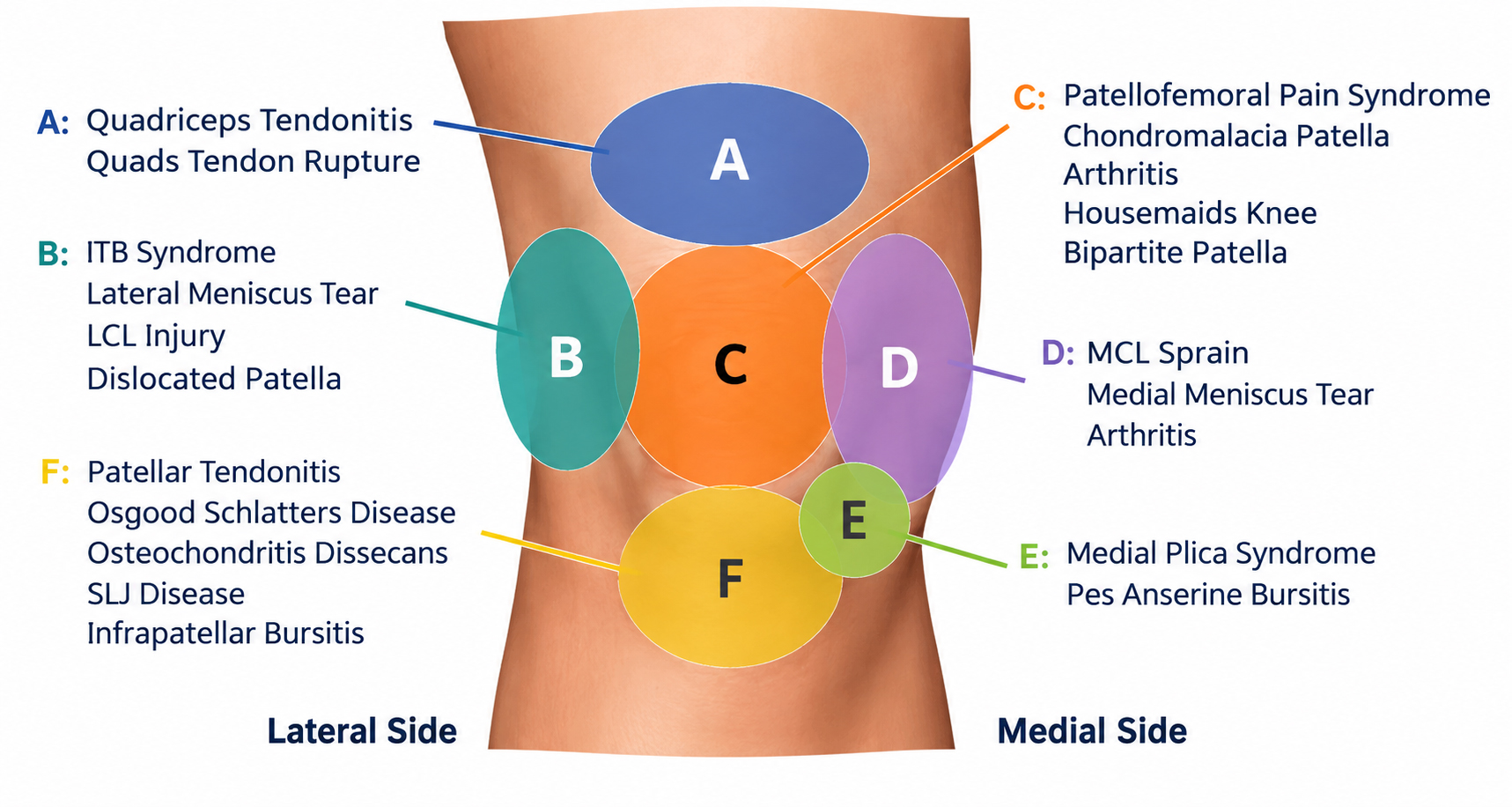
Knee Pain in Coburg
Knee pain is a common form of injury and can affect people of all ages [...]
Continue readingSep

Blog
Post-Surgery MLD Melbourne – Vodder MLD Therapist
Any form of surgery is an invasive procedure for the body to deal with, and [...]
Continue readingSep
Blog
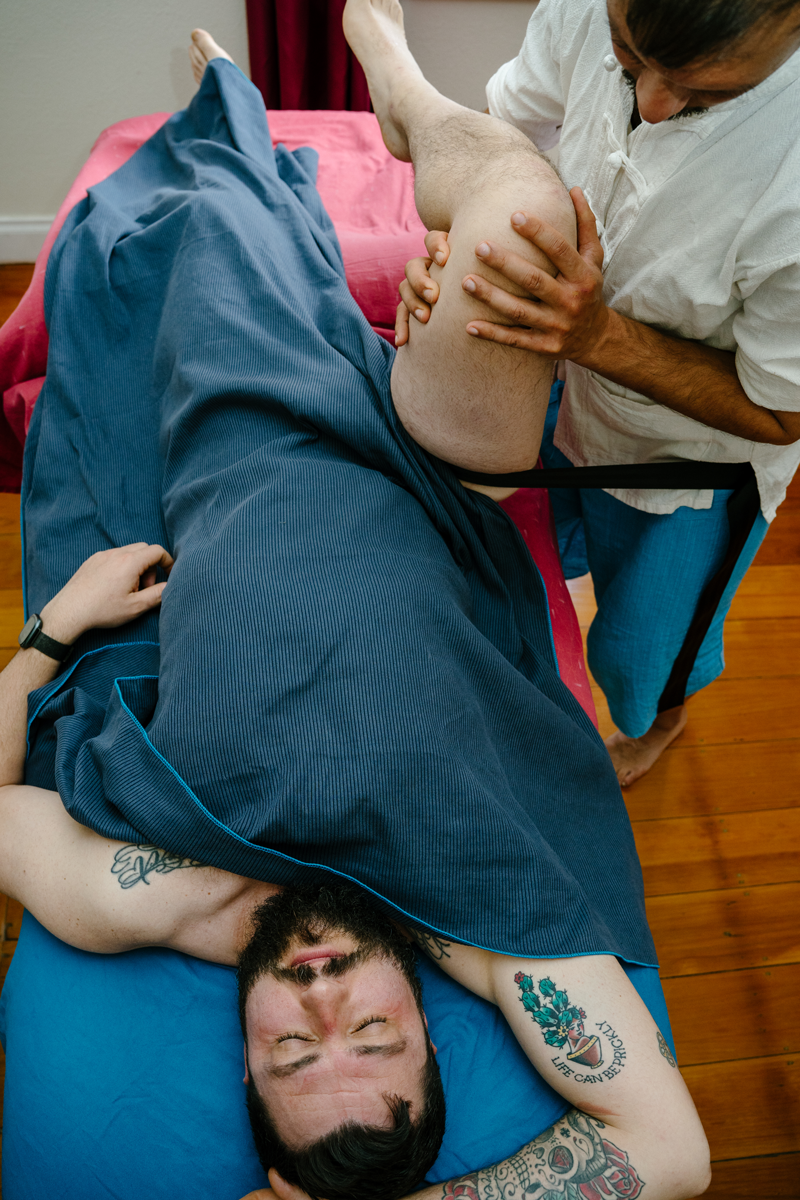
Hip Pain in Coburg: Causes, Symptoms & Treatment
In the many presentations I get to see here at Melbourne Massage and Treatment in [...]
Continue readingSep

Blog
Lymphatic Walking: Let Me Tell You Why It Is Another Trend
Lymphatic Walking is another trend that you really don’t need to overthink. But let me [...]
Continue readingAug
Blog
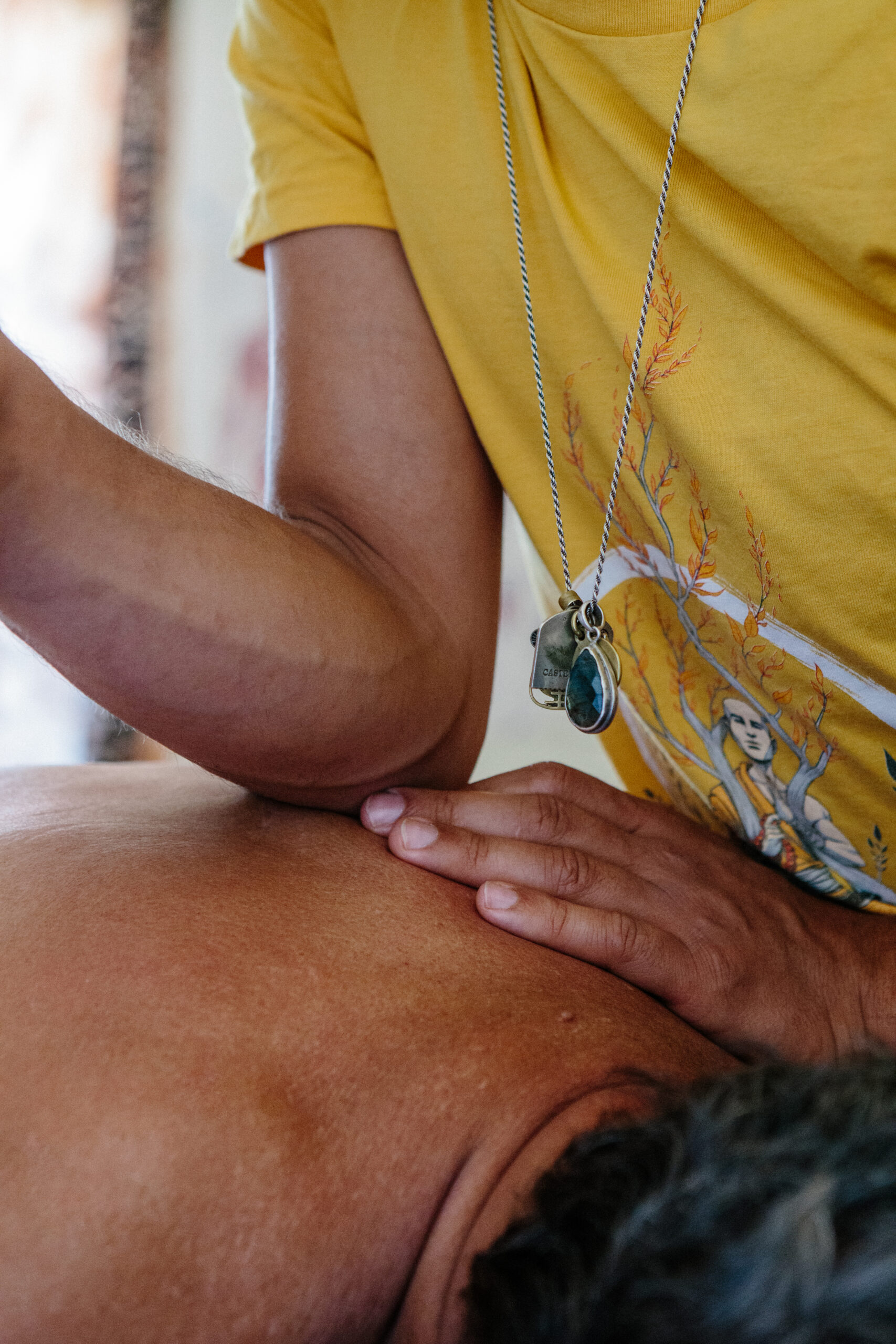
Shoulder Pain in Coburg: Myotherapy Can Help You
Shoulder pain is a common presentation I get to see and treat here at my [...]
Continue readingAug
Aug
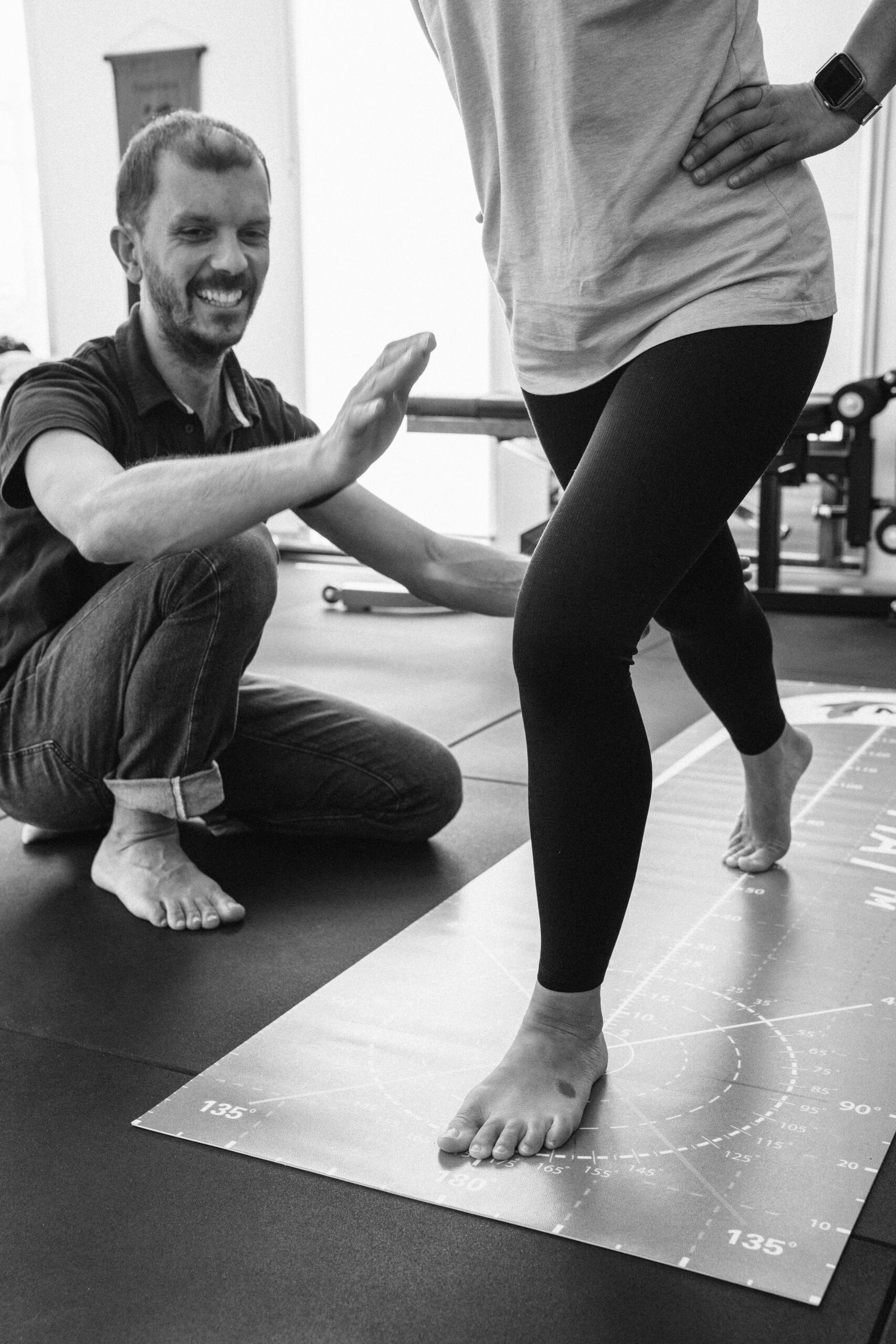
If you live in Coburg or the surrounding area, you’ve probably come across both Myotherapy and Remedial Massage. Have you ever wondered what the difference is? While those treatment modalities share some techniques, they have different goals. Therefore, choosing the right treatment depends on whether you’re dealing with pain, recovering from an injury, improving your movement, or simply looking to relax. At Melbourne Massage and Treatment in Coburg, I do offer both services and understanding the difference can help you get the most appropriate care for your needs. Quick Look at Remedial Massage and Myotherapy Differences Myotherapy Remedial Massage Pain & injuries Relaxation & recovery Assessment Massage Exercise prescription No rehabilitation program Long-term function Short-term muscle relief Acute & chronic conditions General muscle tightness Healthcare treatment Therapeutic massage What is Remedial Massage? Remedial Massage focuses on relieving muscle tension, improving circulation, and promoting relaxation. Although it can help reduce muscle soreness and stiffness, the primary aim is to help your body recover from everyday stress or physical activity rather than managing complex injuries. Remedial Massage is an excellent choice if you want to: Relax tight muscles Recover after exercise or sporting events Prepare muscles before competition Reduce general muscular tension Improve flexibility Support overall wellbeing Many active people also include regular Remedial Massage as part of their maintenance routine to help manage training loads. What is Myotherapy? Myotherapy is a treatment modality, evidence-based, offered by a healthcare professional who focuses on: Assessing, Treating, Managing musculoskeletal pain and movement dysfunction. As a Clinical Myotherapist in Melbourne, I also tend to specify that Myotherapy as per TAFE education and a Bachelor of Health Science is different. Goes without saying that someone who trained in a bachelor setting has better knowledge and clinical reasoning than someone who trained at TAFE level. Back to what Myotherapy is about, it is not only treating sore muscles, but it aims to identify why your pain or injury has developed. Then, treatment often includes a combination of hands-on techniques movement assessment exercise prescription education to help improve long-term outcomes. Myotherapy is suitable for people experiencing: Acute injuries Chronic pain Sporting injuries Neck and back pain Headaches related to muscle tension Tendinopathies Shoulder, hip, or knee pain Reduced mobility Muscle weakness following injury Indeed, the goal isn’t simply to reduce pain today, but the goals are: Short term: reduce the pain and possibly improve range of motion Long term: become stronger, and reduce the likelihood of the problem returning. The Main Difference The biggest difference between Remedial Massage and Myotherapy is the treatment goal. Remedial Massage essentially focuses on relieving muscle tightness and promoting recovery and relaxation through massage techniques. This is possible because while we massage a body part, we stimulate the nervous system and other body systems, which react with biological responses such as mild inflammation and relaxation. Myotherapy, on the other hand, focuses on understanding the cause of pain or movement limitations and creating a treatment plan that may include exercise, rehabilitation, and education alongside hands-on treatment. Therefore, if your goal is to overcome an injury, improve movement, or build strength, Myotherapy is generally the better option. If your goal is to unwind, recover after exercise, or enjoy a therapeutic massage, Remedial Massage may be exactly what you’re looking for. Now, Myotherapy May Be the Better Choice If You Have: Ongoing neck or back pain A recent sporting injury Tendon pain Joint stiffness Recurring muscle strains Pain affecting work or daily activities Weakness after an injury Goals of returning to sport or exercise safely Where treatment during a Myotherapy session may include: Soft tissue therapy Joint mobilisation Dry needling Trigger point therapy Exercise prescription Strength and rehabilitation programs Movement assessment Education about your condition So, to conclude about what Myotherapy is about, Myotherapy is to improve function, not just reduce symptoms. Remedial Massage May Be the Better Choice If You Want To: Relax after a busy week Reduce muscle soreness after training Prepare for a sporting event Recover following a marathon or competition Reduce general muscular tightness Enjoy regular maintenance treatments Therefore, when we look at Remedial Massage, we are looking at a treatment modality that helps your muscles feel looser and more comfortable while supporting recovery from physical activity. Can You Have Both? Of course you can. As mentioned earlier, while we do deliver a Myotherapy session, we will still use hands-on treatment, the same treatment option that we would use for Remedial Massage. And indeed, many of my clients here at Melbourne Massage and Treatment use both services throughout the year. For example: You may see a Myotherapist while recovering from a shoulder injury. Once you’re pain-free, you may continue with regular Remedial Massage to help maintain muscle health and recover from training. The two treatments complement each other well depending on your goals. Which Treatment Does Giovanni Recommend? At Melbourne Massage and Treatment in Coburg, I recommend treatment based on your goal, not only on my opinion. If you’re experiencing persistent pain, recurring injuries, reduced strength, or difficulty moving, Myotherapy is usually the most appropriate starting point. If you’re feeling generally tight after work, training, or simply want to help your body recover and relax, Remedial Massage is often the better choice. And if you are unsure which service is right for you, please do not hesitate to ask Giovanni what would work best for you. During your initial consultation, we’ll discuss your symptoms, assess your movement, and recommend the treatment that best suits your needs. My goal, as an Allied Health practitioner, is to help my clients move more and live well. And this can start with a massage, and move on too exercises and fitness class. Myotherapy vs Remedial Massage Coburg Cost and Prices Cost and prices of Myotherapy or Remedial Massage at Melbourne Massage and Treatment, for simplification, are the same. Find below a table with the prices: Myotherapy vs Remedial Massage Coburg – Price Initial consultation – 60 mins – $125 Return consultation – 45 mins – $115 […]

Jul
There is no worse way to start the day than with a wry neck. Wry neck is a common term used to describe a painful neck that limits the way you can move. Medically speaking, we call the same presentation acute torticollis. At my Myotherapy clinic in Coburg, Melbourne Massage and Treatment, I get to hear clients often telling me: “This has happened on and off for years.” And this is the first piece of the clinical history that tells me we’re probably not dealing with a simple muscle spasm, and that’s where we start looking for why the neck keeps becoming irritated in the first place. Wry Neck Is Often Acute on Chronic The first misconception we need to clear away is that wry neck comes out of nowhere. The reality of the fact is that many people have developed underlying dysfunction over months or years. Therefore, the neck has been compensating until one day something relatively small, sleeping awkwardly, reaching for something, reversing the car or even sneezing, is enough to trigger the painful episode. The acute pain is simply the last straw that broke the camel’s back. So the million-dollar question is: Why did your neck become vulnerable in the first place? That’s where an initial consultation is important, and that’s why I spend my time investigating during an assessment. A Previous Whiplash Injury Could Still Be Affecting You A common overlooked cause for wry neck that I get to see here at my clinic is a previous whiplash injury. Indeed, while someone may recover fine from this type of incident, others develop subtle changes in how their neck moves and how the muscles coordinate movement. So yes, it can be either a physical strain or irritation of the ligaments, or even neurodegeneration at the muscle level. That’s why, even years later, the body may continue protecting certain joints while overloading others. Research by Woodhouse and Vasseljen (2008) has shown that people with chronic whiplash often demonstrate altered cervical motor control, reduced movement quality and persistent dysfunction long after the original injury. That’s why, if you’ve ever had a rear-end collision, even if it happened ten years ago, even if it was due to a contact sport injury, it’s worth mentioning during your assessment, as it is an important piece of information. Hypermobility Can Also Play a Role Another presentation that I come across in my clinic, for people who suffer from wry neck, is hypermobility. Indeed, being flexible isn’t always an advantage. This is because if some joints move excessively, your muscles have to work much harder to provide stability. Over time, these muscles become overworked and fatigued, especially around the neck and upper back, which is an area where muscles already work hard most of the time, as they have to ensure we can stay straight while we stand or sit. When stability can’t keep up with mobility, the body often responds by developing muscle guarding. That’s when the neck suddenly “locks.” On the other hand, the lack of stability also creates an overload of joints, which may get easily irritated, and then initiate the pain response. Your Neck Doesn’t Work Alone Another important thing to be aware of is that we should stop focusing only on where the pain is, as the source of the problem. In fact, the cervical spine is part of a much larger movement system. So, poor movement through the upper back, reduced thoracic mobility, rib restrictions, shoulder dysfunction or altered control through the lower spine can all change the workload placed on the neck. And this is a long time game, not something that happen in one night of bad sleep. A way to conceptualise this is: If one link in a chain doesn’t move well, another link has to move more than it should, and eventually that overloaded area becomes painful. That’s why my assessment as a myotherapist doesn’t stop at your neck. I look at how your entire spine works together. The goal is to improve the balance between mobility, where mobility is needed, and stability, where stability is required. And this can only be done and maintained via exercises. Can a Better Pillow Fix a Wry Neck? I did already dedicate a full blog post about the pillow topic, but it is worth it to touch base about it even here, as this is probably one of the most common questions I get when talking about wry neck. A supportive pillow can certainly help reduce stress on your neck while you sleep; however, a pillow doesn’t: Change how your joints move. Improve muscular control. Restore stability. Correct movement patterns that have developed over the years. Therefore, think of a good pillow as something that is improving the environment rather than fixing the cause. If the underlying issue is poor movement control or spinal dysfunction, changing pillows alone usually won’t stop the episodes from returning, and it can end up being an expensive search. Your Workstation Might Be Causing the Problem Another issue that I get to see mostly with office workers is for those who work with multiple screens, like two or even three computer screens. This setup becomes a problem when the main screen isn’t positioned directly in front of you, and you end up spending eight or more hours each day with your head slightly rotated toward one side or the other. Now, try to think about what that means for your joints and muscles on that side. Until you repeat that position every day for months or years. The muscles on one side of the neck become overloaded because they are constantly contracted, while the muscles on the other side are constantly stretched. One of the simplest changes you can make is ensuring your primary monitor sits directly in front of your body, or if that’s not an option, then make sure to swap your screen software-wise. So you end up having even days looking at right, and uneven days, looking to the […]
Jul
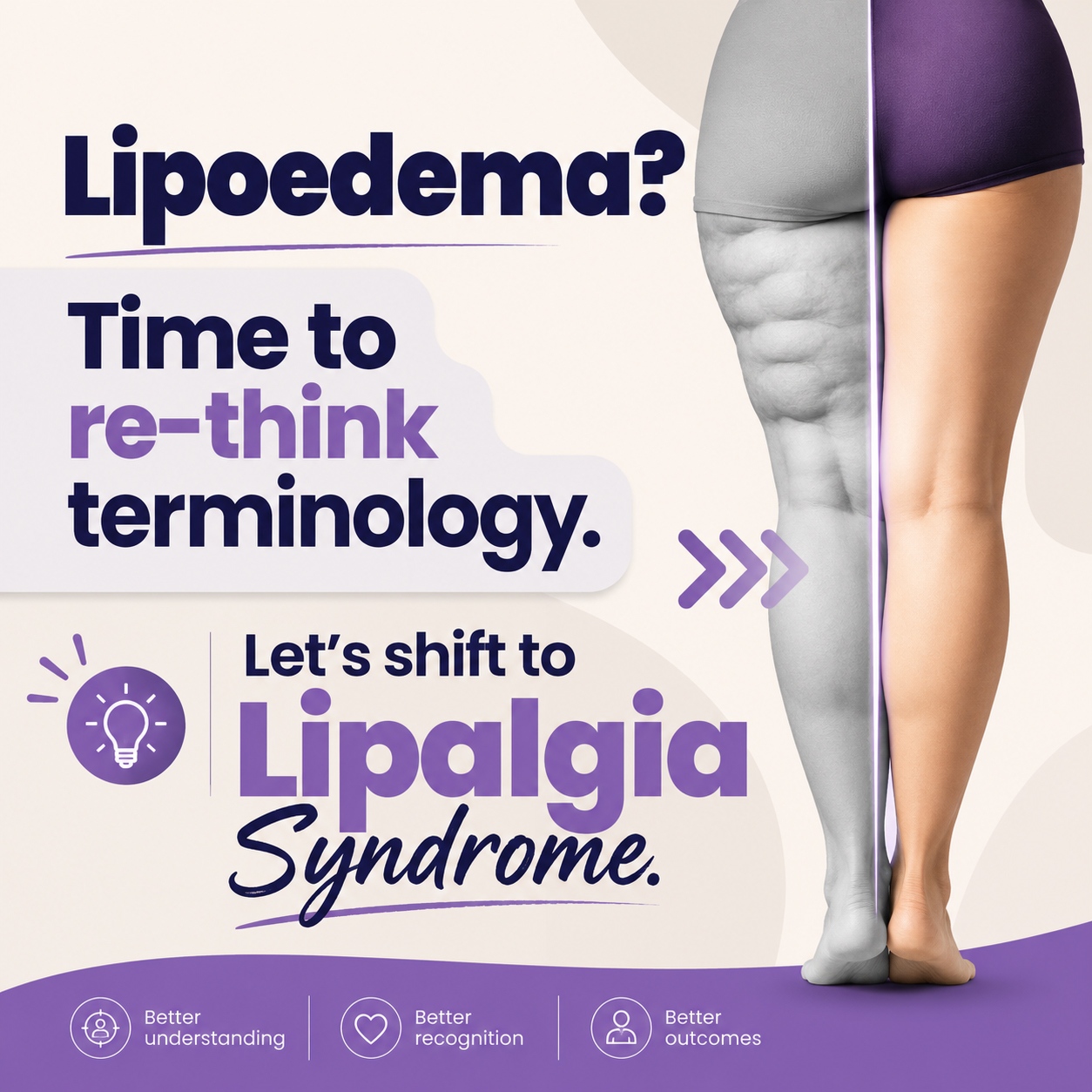
Lipalgia Syndrome is a name for a condition that most often, and more commonly, we all call Lipoedema. But why so? And why Lipalgia Syndrome would be more accurate than Lipoedema? My name is Giovanni, and I am a Myotherapy and Lymphoedema therapist who runs Melbourne Massage and Treatment in Coburg. Here at my clinic, I get to work often with clients who have been diagnosed with Lipoedema or clients who are suspicious of having Lipoedema. That said, it can happen that the client themself, are confusing one condition (Lipaglia Syndrome or Lipoedema) for something else, and that’s also because they see oedema in their limb, and associate that with having Lipoedema. But we now know that oedema is not a symptom of Lipoedema unless we are looking at Lipo-Lymphoedema, a really advanced stage of the syndrome, which is not as common as we think. Let’s break down the names: Lipoedema and Lipalgia Syndrome The term Lipoedema combines the Greek word lipo (fat) with oedema (swelling). Unfortunately, as mentioned above, this terminology can be misleading. This happens because by reading the name, we think we have to see an oedema in this presentation, where an oedema, actually, should not be. Because an oedema is caused by a dysfunctional lymphatic system, which is not what we look at when talking about Lipoedema. In fact, Lipoedema is actually a chronic, painful disorder of abnormal adipose (fat) tissue. This is why an increasing number of clinicians have suggested that the condition would be more accurately described as Lipalgia Syndrome, meaning Lip (fat) algia (pain), therefore, painful fat. Then, all this said, to clarify what’s going on with the lymphatic system, there are several investigations that look into the exact role of the lymphatic system in lipoedema, and by now, it is well established that lipoedema is a different condition from lymphoedema. This is because the lymphatic system is generally intact in the early and moderate stages of lipoedema, although secondary lymphatic overload can develop in advanced disease, leading to lipolymphoedema. This distinction is important because the diagnosis, because the treatment approach is different for lipoedema than for lipolymphoedema. Pain Is the Hallmark Symptom for Lipalgia Syndrome One symptom that can be used to mark the difference between Lipalgia Syndrome (or Lipoedema) and other conditions is pain. Patients commonly describe their legs, hips, buttocks or arms as: aching heavy tender to touch painful even with light pressure bruising easily feeling constantly sore without a clear injury In fact, unlike obesity, where enlarged fat tissue is usually painless, Lipalgia presents with diffuse, persistent pain throughout the affected tissues. If someone presents with some of the above symptoms and with a body that mimics the look of Lipoedema, but they don’t experience any pain, well, they don’t have Lipoedema. And again, that’s why we should call it Lipalgia Syndrome, because what we have to look for, is not oedema, but pain, as main symptom. That said, this pain often limits exercise tolerance and significantly affects quality of life. Current research consistently identifies pain as one of the defining characteristics that separate lipoedema from obesity and many other fat disorders. Therefore, from a clinical perspective, this symptom (pain) is essential to diagnose someone with Lipalgia Syndrome (Lipoedema). On the other hand, if a patient presents with enlarged legs or arms without pain, it is worth carefully considering whether the diagnosis is truly Lipalgia Syndrome (Lipoedema). Other conditions may be more likely, including: obesity with disproportionate fat distribution lipohypertrophy lymphoedema chronic venous disorders mixed presentations involving more than one condition Therefore, don’t try to self-diagnose with social media or a simple Google or AI search, as the reality of facts is way more complicated. Why the Name “Lipalgia” Makes More Sense The use and understanding of language influence how diseases are understood. In fact, the word lipoedema understandably directs attention towards swelling and fluid accumulation, when in fact the most disabling symptom for many patients is pain. That’s where the term Lipalgia shifts the focus towards what patients actually experience every day: chronic painful adipose tissue tenderness heaviness impaired movement reduced quality of life Although Lipalgia has not yet become the internationally accepted medical terminology, many clinicians believe it better reflects the clinical presentation and may help reduce confusion with lymphoedema. What Is Lipohypertrophy? One of the conditions that is often mistaken for Lipoedema is Lipohypertrophy, because both conditions involve a symmetrical increase in subcutaneous fat, particularly in the legs and sometimes the arms. The key difference is that Lipohypertrophy is generally not painful. So yes, those conditions are really similar, and the people with lipohypertrophy usually have enlarged limbs but do not experience the diffuse tenderness, aching, easy bruising and persistent discomfort that characterise Lipalgia. For this reason, recognising the presence or absence of pain is one of the most valuable aspects of the clinical assessment. And again, an accurate diagnosis is important because management strategies differ depending on the underlying condition. Assessment at Melbourne Massage and Treatment At Melbourne Massage and Treatment in Coburg, I provide comprehensive assessments (not diagnoses) for people experiencing leg or arm enlargement, chronic pain, lymphatic conditions and soft tissue disorders. What I refer to as assessment, and not diagnosis, is the fact that I don’t have the clinical possibility to diagnose anyone with anything, but I can point you in the direction of further investigations to get to understand what is happening to your body. Further investigation can involve talking to your GP about specific tests or referral to a specialist, who can assist you in understanding what your body is going through. Every assessment aims to distinguish between conditions such as Lipalgia (Lipoedema), Lipohypertrophy, obesity-related fat accumulation and lymphoedema so that treatment can be tailored to your individual presentation. Early recognition, education and appropriate management can significantly improve comfort, mobility and long-term outcomes. On my end, I can still offer MLD to overcome pain and where present oedema, and Fitness Class to help you and your body get stronger […]

Jun
Hip pain can be frustrating, and not all hip pains are the same. I personally experienced Femoroacetabular Impingement (FAI) pain myself, and it is not fun. Indeed, this type of pain can stop you from training, affect your sleep, make sitting uncomfortable, and eventually impact your quality of life. Over the years, I’ve seen many active people spend months treating the symptoms without understanding the actual cause. If you’re experiencing groin pain, hip stiffness, pinching during squats, or discomfort after prolonged sitting, FAI may be worth investigating. What Is Femoroacetabular Impingement? In simple terms, Femoroacetabular Impingement (FAI) occurs when there is abnormal contact between the femoral head (the ball) and the acetabulum (the socket) of the hip joint. As with any tissue that gets overstimulated, this can result in irritation and inflammation, leading to damage to the labrum, cartilage, and surrounding tissues over time. In some cases, if left unmanaged, it may contribute to the development of early hip osteoarthritis. The symptoms that most people come up with when experiencing FAI are: Deep groin pain Hip stiffness Clicking Catching Locking sensations Pain when sitting for extended periods. Those symptoms are typically aggravated by activities involving Deep hip flexion Squatting Running Kicking Cycling Getting in and out of a car. The Different Types of FAI As we have already seen in the antirotated and retroverted hip presentations, we are all different, and even a Femoroacetabular Impingement can present differently. Let’s have a look at the different types of Femoroacetabular Impingement. Cam Impingement Cam impingement occurs when the femoral head is not perfectly round. During hip movement, particularly flexion and internal rotation, the abnormal shape creates increased pressure against the edge of the socket. This is the most common form seen in young athletic populations. Pincer Impingement Pincer impingement occurs when the acetabulum provides excessive coverage over the femoral head. The socket effectively “overhangs,” increasing the likelihood of compression during movement. Mixed Impingement Mixed FAI is the most common presentation clinically. In this situation, both cam and pincer characteristics are present simultaneously, resulting in a combination of abnormal contact from both the femur and the acetabulum. Who Is More Likely to Develop FAI? The common ground for an FAI presentation includes young and middle-aged active individuals. A higher prevalence is seen among athletes participating in sports that involve: Repetitive hip loading during adolescence Football Hockey Soccer Martial arts Dance Running. This evidence shows that sports activities play a crucial role in FAI presentation, but it is also important to consider that genetic factors could be involved. On the other hand, as per any physical structural presentation, not all the people who present with a FAI may experience pain. Many people have structural changes visible on imaging but remain completely symptom-free. Is a Scan Worth It? This is one of the most common questions I get asked when someone presents with some sort of ongoing pain or even acute discomfort. My answer is usually: it depends on your symptoms and how long they have been lingering around. Why I don’t recommend a scan as a first thing to go for (unless I am suspicious of something that I can’t treat directly) is because a scan may find an abnormality in the body, but that doesn’t mean that what we see is actually the source of the pain. In fact, many people may have a FAI presentation and have no symptoms at all. Therefore, a scan alone should never determine treatment decisions. Sp, a diagnosis of FAI should combine: Clinical history Physical examination Symptom presentation Imaging findings So yes, a scan should support the diagnosis, not create it, or it would be really chaotic to define why someone is experiencing pain, and create a treatment plan for it. If You Need Imaging, Which Scan Is Best? Step 1: X-Ray For most people, a standard pelvic and hip X-ray is the first and most appropriate imaging investigation. X-rays are excellent for identifying the bony shapes associated with cam and pincer impingement and are considered the primary imaging modality in the assessment of FAI. The downside of X-rays is that they involve radiation, so if possible, avoid them. Step 2: MRI If symptoms are there for a prolonged period of time, and exercise therapy is failing to restore functionality, an MRI becomes extremely valuable. MRI can assess: Labral tears Cartilage damage Joint degeneration Other soft tissue causes of hip pain Many hip specialists consider MRI the cornerstone investigation when assessing intra-articular damage associated with FAI, given the high definition of the image and results. Step 3: CT Scan CT scanning is generally reserved for surgical planning or when a very detailed understanding of the hip’s bony anatomy is required. CT provides excellent visualisation of bone structure, but it is not usually necessary as an initial investigation. So, When Should You Get a Scan? In my clinical opinion, based on current evidence, imaging becomes worthwhile when: Hip or groin pain has persisted for more than 6–12 weeks Symptoms continue despite appropriate rehabilitation The range of motion is progressively decreasing Mechanical symptoms such as catching, locking or giving way are present, and are painful Surgery is being considered The diagnosis remains unclear after clinical assessment If your symptoms are mild and improving with treatment and exercise, I would not bother to get an image taken. Exercises are a great way to maintain hip pain-free and keep your body going. Exercise Protocol for FAI This is where we need to put some focus: Exercises! So, first things first, when someone presents with a FAI, we want to take away or modify the habit that we can, in order to reduce discomfort and hip pain. An example could be removing squat from an exercise program or reducing the time spent in a seated position. Next, we would start looking into your mobility capacity at the ankle level, especially if you are someone who runs as part of a sports activity. And all of this is part of a protocol […]

May
As a therapist who offers Manual Lymphatic Drainage in Melbourne, I am blown away by how many people come and seek MLD for general wellbeing, and ask me questions like: “What about tapping my body?” “Should I do guasha?” “I have been told my Lymphatic System is sluggish” Indeed, if you’ve spent any time on social media lately, you’ve probably seen endless content about the lymphatic system, and of course, the more time you spend watching them, the more you will be offered. Dry brushing. Guasha. Detox teas. Essential oils. I call those “Social Media, Lymphatic hacks.” They belong only to social media, not to reality and/or science. As someone who practises Manual Lymphatic Drainage in Melbourne (MLD), I think it’s important to explain what the lymphatic system actually does, what MLD is really useful for, and why people often overcomplicate something that the body already does naturally. And honestly, for many healthy people, one of the best things you can do for your lymphatic system is simply go for a walk. What Is the Lymphatic System? To start with, the lymphatic system is part of your body’s immune and fluid regulation system. Its job is to: Help manage fluid balance Support immune function Transport waste products Assist with inflammation and healing It consists of: Lymph vessels Lymph nodes Lymphatic organs Lymph fluid Unlike the blood circulation, the lymphatic system does not have a pump like the heart, and another difference is that the lymphatic system is capable of absorbing substances that are, molecularly speaking, bigger than what the blood stream can do, simply because the capillaries of the lymphatic system have a bigger aperture than those of the blood stream. Then, regarding how the lymphatic system pumps fluid around the body, it is based on the fact that the internal vessel contraction occurs. The more the vessel contracts, the more liquid moves. And those vessels are sensitive to their surroundings, in fact: Muscle contractions Breathing Changes in pressure Everyday movement Those are all factors that stimulate the lymphatic system to work faster. That’s why movement is so important. And consider that in the human Lymphatic System, contraction rates are typically around 1 to 2 times per minute, at rest, where when doing intense visceral activity, it can jump up to 15 contractions per minute. Why Walking Helps Your Lymphatic System Now, we can than easily understand that every time we walk, our muscles gently contract and relax, and specifically, the calf muscles are the ones that work the most, and are the ones responsible for assisting both the lymphatic and blood systems to push liquid upwards, against gravity. So, walking acts like a natural pump for lymphatic flow, and it can help with: Encourage fluid movement Support circulation Reduce stiffness Improve breathing mechanics Support general recovery and wellbeing Reduce stress Your body evolved to move lymph through normal human movement. Not through expensive “detox” products. Not through aggressive scraping tools. Not through viral wellness trends. Simple movement works remarkably well. What About Dry Brushing and Guasha? Ok, I will be honest on this one: this is where social media often exaggerates things. There is currently no strong scientific evidence showing that dry brushing or guasha creates a special lymphatic drainage effect in healthy individuals. And I want this message to be clear: we are talking about healthy individuals, who are the vast majority of us. That doesn’t mean people cannot enjoy those practices, because they still have a meaning and a use. Indeed, any skin gentle stimulation would still have a major impact on the nervous system, specifically the parasympathetic (rest and digest one), which means it can still have a relaxation effect. Therefore, dry brushing may: Exfoliate the skin Increase temporary circulation at the surface Feel relaxing Guasha may: Feel relieved of muscle tension – and again, this is a nervous system response Temporarily increase local blood flow But neither appears to “detox” the body or dramatically improve lymphatic drainage in the way social media often claims, and most importantly, none of the effects mentioned above last for a long time, nothing like or in comparison to a good walk or exercise time. So let’s be clear about what does what, and let’s remember that the human body already has highly sophisticated systems for managing waste and fluid balance: The lymphatic system The liver The kidneys The lungs The digestive system And again, most healthy people do not have a “blocked” lymphatic system. What science says about those tools? Interestingly, even some of the more positive research around guasha comes with important limitations that are often ignored on social media. Indeed, a study published by Sun‐hee A. et al (2025) that looked at facial roller massage and guasha found some short-term improvements in facial contour measurements, muscle tone, and skin elasticity. However, the researchers themselves acknowledged several limitations, including: The small sample size – only 34 participants The short 8-week duration – already longer than other studies They only looked at temporary aesthetic outcomes rather than meaningful health changes to the lymphatic system itself In fact, the study did not demonstrate that guasha “detoxifies” the body or improves lymphatic drainage in healthy individuals. In other words, while these techniques may temporarily affect appearance, circulation, tissue tension, or relaxation, that is very different from the dramatic claims often made online about “flushing toxins” or “resetting” the lymphatic system. Where Manual Lymphatic Drainage (MLD) Can Be Helpful Ok, if you got this far in the blog, it means you are actually serious about your wellbeing. Great! As a Clinical Myotherapist and Vodder MLD therapist, I am with you. Now, it is important to separate evidence-based treatment from wellness marketing. Manual Lymphatic Drainage (MLD) is a gentle, specialised treatment approach designed to support lymphatic flow and fluid movement. MLD can be beneficial for people experiencing: Lymphoedema Lipoedema Chronic venous insufficiency Post-surgical swelling Scar recovery Chronic inflammation Swelling after injury Sunburn recovery MLD may also support general well-being because it is deeply […]

Apr
Neck pain and or upper back pain often originates from a disbalance of mobility and stability joints along the spine, including poor scapula-thoracic joint stability and thoracic mobility. Indeed, a hypermobile scapula can lead to instability, muscular imbalances, and chronic tension in either the shoulder joints or the cervical. Therefore, assuming that neck pain is only a neck issue is a bit limiting. We need to look at the bigger picture and target the right reason why you are in pain. In this blog, we are going to look at how scapular stabilisation exercises can restore balance, enhance posture, and reduce neck pain. Understanding Scapular Stability and Hypermobility The scapula, or shoulder blade, plays a vital role in upper-body movement and stability. It acts as the foundation for arm motion, connecting the humerus to the thorax through the scapulothoracic joint. When control is compromised, which is common for those with general hypermobility or for those who have scapular hypermobility, the result can be excessive movement and discomfort. Consequences of having a hypermobile scapula are: Neck and shoulder pain Reduced athletic performance Increased injury risk Muscle fatigue and tension As is often recommended, we need to look at strengthening as a way to improve muscular control of the joint, and in this case, we would look at: rhomboids, trapezius (upper, middle and lower), and latissimus dorsi, which is essential for restoring balance and function. Mobility Comes First: The Foundation of Stability As already mentioned in so many other blogs, and as I educate my clients all the time, before introducing strengthening exercises, mobility must be addressed. A stiff thoracic spine forces the scapula to compensate for many shoulder movements, leading to muscles originating and or inserting in the scapula to be overused, leading to pain and discomfort. Essential Thoracic Mobility Exercises There are some really easy exercises that you can do to pick up on thoracic mobility. Here is a short list: Foam Roller Thoracic Extensions Open Book Rotations Thread-the-Needle Cat-Cow Mobility Drill Diaphragmatic Breathing Exercises Those exercises would help in restoring thoracic mobility, preparing the groundwork for effective scapulothoracic stability exercises. Key Muscles for Scapular Stabilisation Now we can look at the muscle that we would need to strengthen to create a better scapular stabilisation. Rhomboids Function: Scapular retraction and stabilisation. Importance: Provide postural support and control during pulling movements. Recommended Exercises: Resistance Band Rows Prone T Raises Seated Cable Rows All those exercises can be easily delivered at home, with some decent resistance bands, or with light weights. But don’t let the simplicity of these rhomboid exercises fool you, as prone T raises, to start with, are enough even with no weights, as the weight of your arm is already enough. Trapezius (Upper, Middle, and Lower) Function: Elevation, retraction, and upward rotation of the scapula. Each fibre group has a different role regarding the scapula movement.Importance: The lower trapezius is essential for shoulder stability and posture. Recommended Exercises: Prone Y Raises Wall Angels Face Pulls Shoulder Shrugs Again, those exercises don’t require a full gym set-up, but some strong resistance bands and light weights would do. Latissimus Dorsi Function: Shoulder extension, adduction, and thoracic stability.Importance: Connects the upper limbs to the trunk and supports efficient movement. Recommended Exercises: Straight-Arm Pulldowns Lat Pulldowns Assisted Pull-Ups Resistance Band Pulldowns Scapular Stabilisation Exercises for a Hypermobile Scapula Now that we have looked at which exercises are ideal for what muscle or muscle group, we can look at a combination of those based on generic fitness levels. Those exercise lists are obviously a generic recommendation, and unless we have already done some work and assessment, I would not suggest picking and choosing an exercise routine and trying your best to sort out your pain. Beginner Level Scapular Setting Exercises Wall Slides Isometric Holds Against a Wall Serratus Anterior Punches Intermediate Level Prone Y and T Raises Resistance Band Pull-Aparts Face Pulls Incline Dumbbell Rows Advanced Level Landmine Presses Farmer’s Carries Overhead Carries Pull-Ups with Controlled Scapular Movement Furthermore, these exercises for scapular stability enhance neuromuscular coordination and are particularly beneficial for individuals with hypermobility. How Scapular Stability Reduces Neck Pain While we can’t directly associate hypermobility of the scapula with neck pain, we also know that poor scapular control often leads to overactivation of the upper trapezius and cervical muscles, contributing to neck pain. By strengthening the stabilisers of the scapulothoracic joint, mechanical stress on the neck is reduced. Therefore, here is a list of the benefits of scapular stabilisation exercises: Improved posture Reduced neck and shoulder pain Enhanced thoracic control Increased muscular endurance Better movement efficiency Lower risk of injury How We Support Scapular Stabilisation at Melbourne Massage and Treatment At Melbourne Massage and Treatment, in Coburg, the treatment of scapular stabilisation starts from a tailored assessment of your presentation, looking at: Overall hypermobility Your clinical history Past and present sports activities Site of pain Pain time frame That and more information are essential to understand what your experience is, and what we can do about it. Hands-on treatment, like remedial massage or myotherapy, would be the first step to relax the body and allow you to feel and move better. The next step from that would be guiding you throughout exercises that you can deliver at home or at the gym, at your own time, so that you can take control of your pain and your presentation. All of this can be easily delivered along a treatment plan. And to simplify the whole process, I also offer a FREE 15-minute Online Consultation, where we can start looking into your presentation and understand what has been done till now and what needs to be done at this stage.

Apr
If you have been at the clinic most recently, you may have heard me talk about LLLT (Low-Level Laser Therapy). LLLT is one of those tools that quietly adds a lot of value to any treatment modalities I get to offer, without making a big fuss, and without increasing the service fees. So yes, in this blog, we are going to look into why I use it, what the science says, and, most importantly, what it can do for you. First Things First: What Is Low-Level Laser Therapy? The simplest explanation I can share is that LLLT (also called photobiomodulation) uses specific wavelengths of light to stimulate your body at a cellular level. Indeed, LLLT is not a hot or burning type of laser, but it is a low-intensity, non-invasive light that interacts with your tissues to encourage healing and reduce pain. This is possible because LLLT stimulates the cell in producing more ATP energy (cell energy) which than can be used for the cell to replicate. Simply, it helps your body do what it’s already trying to do, just more efficiently. What Does the Science Say About Low-Level Laser Therapy? As a practitioner who offers his service based on scientific recommendations, I’m very particular about what I bring into the clinic. If it’s not backed by solid research, it doesn’t stay. Therefore, here’s what recent PubMed evidence tells us: Pain Reduction In a systematic review by Diaz et al. (2025), they looked at 44 randomised clinical trials and found that LLLT can reduce pain by 60–70% in certain musculoskeletal conditions (in this case, TMJ) while also improving function. When a systematic review shows such results, it is considered strong evidence. Supports Injury Recovery & Reduces Inflammation When looking at Lawrence J. Sorra K., (2024) review, that did focus on Low-Level Laser Therapy (LLLT) for Acute Tissue Injury or Sport Performance Recovery the highlighted facts about LLLT are: Modulate inflammation Improve tissue repair Support recovery after injury All with minimal risk or side effects. That said, in this review, it is also highlighted how, in acute injury, there is a lack of evidence for LLLT effectiveness. In conclusion, than, is shown how no side effects are present and how LLLT is a safe therapy to be add to other modalities, especially fitness classes. Works Best as an Add-On (Not a Replacement) About this last statement, that LLLT is not a substitute for other modalities, we have a meta-analysis by Awotidebe A. et al. (2019), which shows how LLLT can provide additional short-term pain relief when combined with exercise or therapy, even if it doesn’t always change long-term function on its own. And this is the key point most people miss. LLT is not magic; It’s a multiplier. Exercises are the medicine. Why I Use LLLT at Melbourne Massage and Treatment? I decided to invest in the usage of Low-Level Laser Therapy SymbyxBiome DuoCare 904, which operates in a wavelength range consistent with what research suggests is effective (typically around 800–900nm), as it can be an effective treatment modality to help my patient feel better, reduce their inflammation and pain, so that they can move better and be able to deliver exercises without bein in too much pain. And here is another important part: I don’t charge extra for it. Why? The answer is simpler than you may think. LLLT is not a “standalone service” in my philosophy; it’s a value-add. If it can: Reduce your pain faster Help your tissues recover better Improve your overall outcome Then, as with any other therapy, it belongs inside your session, not on top of your invoice. What LLLT Does Feel Like? When telling people what LLLT feels like, I respond with: “Drop your expectation”. In fact, you will feel: No heat No discomfort No downtime And yet, underneath the surface, your cells are being stimulated to: Produce more energy (ATP) Improve circulation Reduce inflammatory markers That’s where the real magic happens. It is a way to make your body do what it does normally, only faster. And there is no side effect. What Condition Can Benefit Best From LLLT? Conditions where LLLT is recommended for are: Persistent muscle pain Tendinopathies Jaw pain (TMJ) Post-injury recovery Fibrosis Scar tissue Any presentation would need treatment that lasts 10 to 20 minutes, and the frequency of treatment can be 2 to 5 times a week, with results of pain relief after 3 to 6 weeks. Those numbers vary depending on the type and location of the injury. What we know is that for the early stage, it is better to have more frequent treatment, and after week 1, the treatment can drop from 4 to 5 times a week to 3 times a week, till once a week for major injury if the treatment has to go on for 5 to 6 weeks. Why Frequency Matters As mentioned above, LLLT works by stimulating your cells, particularly the mitochondria, to produce more energy (ATP), which helps with: Tissue repair Reducing inflammation Pain modulation But that effect doesn’t last forever; cells need a more frequent stimulation to obtain the best results. Therefore, if sessions are too far apart, you lose momentum, but if they’re too close without reason, you’re not adding extra benefit. So that’s why, in the initial phase of an injury, we work more often to boost the recovery, and once the recovery is nearly optimal, and you are doing your exercises and structural strength, then the LLLT session can be placed further apart. What Is The Bottom Line Regarding Low-Level Laser Therapy? After so many years in the massage industry, and after all the research and studies of different modalities, there is one thing that I have learned. There’s no single “miracle treatment.” But, on the other hand, there are combinations that work extremely well together. Hands-on therapy + movement + the right adjunct tools, that’s where results happen. And LLLT is one of those tools. So drop your expectation of magic and no effort […]
Mar
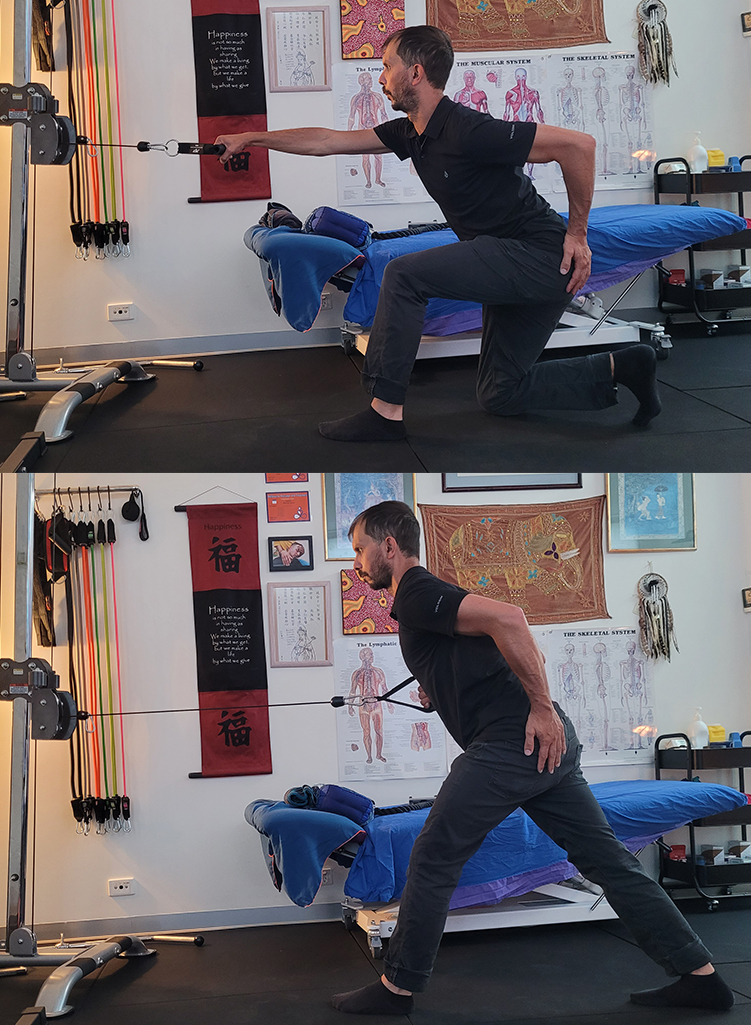
While I guide my client during a 1:1 fitness class at Melbourne Massage and Treatment, a Myotherapy clinic in Coburg, on how to learn using bands or a single-column pulley machine to practice KLT (Kinetic Link Training), I often get asked how someone should or shouldn’t do a lunge. “Should my knee go ahead of my toes?” “Should my knee stay on top of my ankle?” “What about my back? Should I hinge or stay straight?” The answer to those questions lies in a simple fact: what part of the body are you trying to train? Are you aiming to build more glut (posterior chain) or quads (anterior chain)? No, because there is no perfect lunge, as either right or wrong. As per the squat, there is the lunge that works for you, for your presentation and for your goal. The Two Main Lunge Strategies (And Why They Matter) So, when we talk about lunges, most people are really debating between two variations: Knee Travels Forward (Past the Ankle Line) When going for this variation, we have to conceptualise that the knee is going into a deep flexion, right? Now, if the knee has to come out of flexion, the quads are the muscle that needs to be engaged. (Quads are the knee extensors). The deeper the knee flexion, the more quads fibres are engaged to do the reverse to get the extension done. In fact, what this type of lunge does is: Increases knee flexion Increases quadriceps demand Places more load through the patellar tendon Furthermore, research shows that when the knee moves forward, quadriceps force and knee joint stress increase significantly. In a super summary: This is a quad-dominant lunge. Vertical Shin (Knee Stays Over the Ankle) On the other hand, when delivering a lunge movement and the knee stays on top of the ankle, within a vertical shin line, there is a max of 90° knee flexion; therefore, the amount of fibre engaged for the quads is less, and what is than the primary mover for the ascending action, is the gluteus maximum, the biggest glut, which is going to help with the hip extension. So, in this variation, what we are going to achieve is: Shifting the load away from the knee Increases contribution from the hip extensors Encourages more posterior chain involvement Therefore, this will be a glute-focused lunge. What Biomechanics Actually Tell Us About The Lunge Exercise While we look at this movement, we may get triggered into thinking that the lunge exercise is knee-dominant because the knee does a lot of movement, right? Well, if we break it down a bit more, as Riemann et al. (2012) did, we find that yes, the knee moves a lot, but what really takes the load during the lunge movement is the hip. So this is how we can break it down: The knee moves more (kinematics). But the hip produces more force (kinetics). Why this is a thing, then(?) you may ask. Well is tru that the knee move a lot, it can flex up to 90° and still this can be a hip dominant exercises, but, we have to think that the knee, while it is moving that far, is not placing much load on the lower fibers of the quads, and the joint that has to push against gravity, in the ascending phase, are indeed the hip. That’s where all the load actually is. The weight of the upper body. The Lunge Game-Changer: Add a Hip Hinge And here is where we can add a twist to the lunge, by going into hip hinging. What happens if we do so? The glutes are placed under greater stretch at their origin. This increases mechanical tension. You get better glute recruitment and carryover in strength. In fact, this is not just theory, but it’s basic muscle physiology: Muscles produce more force when stretched under load. Therefore, by hinging at the hip, you are not only going to feel more burning sensation in the glutes, but you are going to train them even more effectively. Why Toe Mobility Is the Missing Piece Now let’s talk about something almost no one considers: Your toes. As often happens, the toes and feet are not taken into consideration when looking at functional movement. Even though every leg movement starts from there. In a proper lunge, especially for the rear leg, your toes need enough mobility (extension) to: Accept vertical load Stabilise the movement Prevent your body from shifting forward Indeed, if you lack toe mobility: The movement gets projected forward Load shifts into the front knee and quads You lose posterior chain contribution To support those statements, a study by Harato et al. (2019) examined how foot and toe positioning directly affects knee mechanics and load distribution. So to clarify, the mobility-stability joint chain must always be taken into consideration when we look at functional movement. In this case, your toes aren’t just along for the ride; they’re controlling where the force goes. So… Which Lunge Is Best? I hope that by now, you have an idea of what answer is coming up: Neither. There is no best lunge, as there is no best squat. The forward knee lunge is not “bad”; it’s a tool for quads. The vertical shin lunge is not “safer”; it’s a tool for glutes. The mistakes are thinking that: One can replace the other one. Having an injury in the knee, and thinking that lunges are not your thing anymore. That’s why, at my clinic, Melbourne Massage and Treatment, here in Coburg, I always emphasise to my clients to understand that: “Don’t chase perfect technique — chase the right stimulus.” And to get to a better technique, better than what your body can deliver for now, is a step-by-step journey. And when there is an injury, we have to be confident in the tissue’s healing timeline, and exercises with load are the best tools to help with that. How I Use This With My Clients Inside […]
Mar
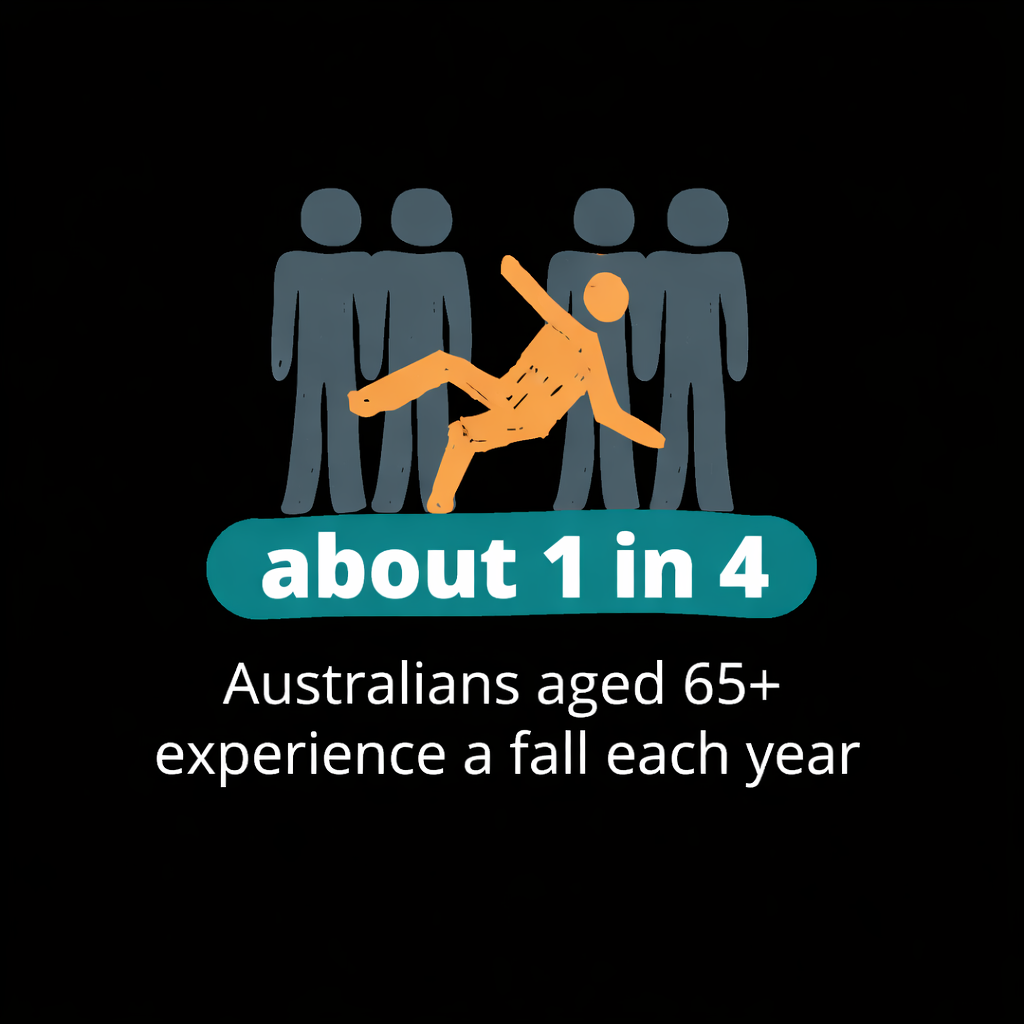
One thing that can really create terror while we age is falling. No matter the gender or the background, anyone who is getting older would never tell you that they want to get weaker or that they would not improve their skills in fall prevention. Indeed, as we age, maintaining balance becomes one of the most important aspects of long-term health. Therefore, let’s look at which muscle is extremely important for balance: the gluteus medius. As a Clinical Myotherapist here at Melbourne Massage and Treatment in Coburg, I always encourage my patients to undertake exercises, and specific heavy lifting exercises, to promote their strength and stability, and make them independent of aids and support in their everyday life. A good start is always to make them realise where their equilibrium is, and make them aware of how the gluteus medius, particularly for women approaching or after menopause, can help prevent falls. The Hidden Role of the Gluteus Medius in Balance The gluteus medius, as the name suggests, is a glute muscle, and it is responsible for stabilising the pelvis when we stand on one leg, like when we walk, run, or even when we go up and down the stairs. Every step we take requires this muscle to activate. When functioning properly, the gluteus medius: Maintains pelvic stability Controls lateral balance Helps prevent excessive hip drop during walking Assists in reactive balance when we trip or lose stability Research from Chi S. A. et al. (2016) did show that older adults with degeneration or atrophy of the gluteus medius are more likely to fall and fracture a hip. These findings, together with other studies, highlight the crucial role of this muscle in equilibrium and fall prevention. The Real Danger of Falls as We Age Falls are one of the leading causes of injury in older adults. But what is most concerning is what happened after the fall. On top of all, another major complication is osteoporosis, especially in women. In another blog, we spoke about why women are more likely to suffer from this condition. So yes, as bone density declines, the risk of fragility fractures increases dramatically. This creates a dangerous cycle: Muscle weakness → instability Instability → increased fall risk Falls → fractures due to osteoporosis For many older adults, hip fractures can lead to reduced mobility, loss of independence, and long-term health complications. Different types of muscle fibres and their importance in fall prevention Type I – Slow-twitch fibers The slow-twitch fibres, as the name suggests, are fibres that may help maintain steady contraction but are not responsible for rapid corrections when balance is lost. Characteristics: Contract slowly Produce a lower force Highly resistant to fatigue Rich in mitochondria and oxygen-using enzymes Role: Posture control Balance stabilization Long-duration activities like walking And here is an example of muscles where we find these fibres: Postural muscles in the back: Erector spinae (longissimus, iliocostalis, spinalis), multifidus, and upper trapezius. Leg postural muscles include: Hip flexors and calf muscles Type IIa – Fast oxidative fibres Another name for this fibers are intermediate fast-twitch fibres. Their role is to cover the gap between the type 1 fibres, which are more slow-twitch type of muscle fibres, and the type IIx, which are the fastest fibres. Characteristics: Faster contraction than Type I Moderate force Moderate fatigue resistance Role: Activities requiring both endurance and power, like climbing stairs or brisk walking. Their presence is distributed throughout many body muscles, including the psoas and gastrocnemius. Type IIx – Fast glycolytic fibres In terms of fall prevention, those muscle fibre types are the most important. Characteristics Very fast contraction High force output Fatigue quickly Role Explosive movements Rapid balance recovery Reflexive muscle reactions What Happens With Aging (Sarcopenia) While we age, we develop what we call sarcopenia, which is basically a loss of muscle mass. Sarcopinia key changes include: Loss of fast-twitch fibers Type II fibres decline faster than Type I. Effects: Reduced power Slower reaction speed Higher fall risk Along with the muscle fibres declining, we also have a reduction in motor neuron function, where the nerves controlling fast fibres deteriorate, reducing recruitment. Other types of degeneration include increased stiffness, as connective tissue reduces elasticity and recoil. Role of Estrogen in Muscle Function As discussed in the menopause blogs about the role of hormones in women’s health, Estrogen plays a surprisingly important role in muscle health, too. This is possible because muscle cells have estrogen receptors, meaning the hormone directly affects muscle tissue. When estrogen levels fall (during Menopause), several changes occur, starting from: Accelerated loss of fast-twitch fibres. Reduced muscle protein synthesis, which means slower muscle repair and growth signalling. Increased inflammation, which again slows down the muscle recovery. Changes in connective tissue, as Estrogen helps maintain collagen turnover, and here we look more at tendons and Ligaments. Reduced neuromuscular efficiency, including nerve conduction and motor unit activation. Why Strength Training and Fitness Classes Matter for Longevity So, the good news is that muscle function can be improved at any age, and plenty of research consistently shows that resistance training significantly improves muscle mass, strength, and functional capacity. In summary, strength training can help with: Increase muscle mass Improve neuromuscular coordination Enhance balance reactions Reduce fall risk Support bone density That’s why at my clinic in Coburg, I encourage my clients to take up fitness classes, to get their body moving under load, because this is the best way to help the body stay active, regenerate and keep up with fall prevention.